Sea Duck Hunting: Open-Water Safety, Gear, Decoys, and Regulations
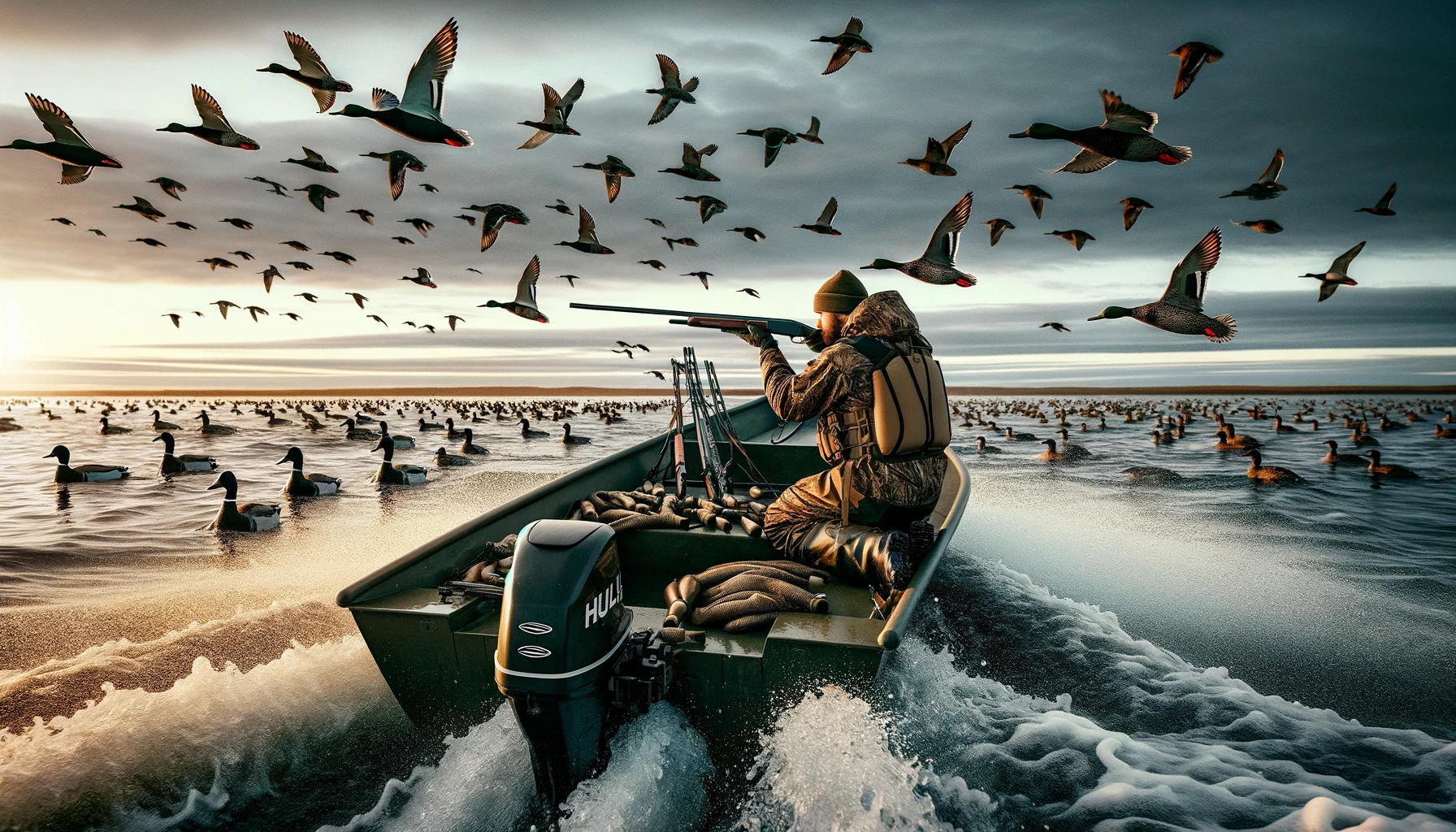
Sea duck hunting is a specialized form of waterfowl hunting that takes place in coastal, bay, and open-water environments. It can be rewarding, but it also adds weather, boat, navigation, identification, and recovery challenges that are very different from a small marsh or farm pond hunt.
This guide covers practical sea duck hunting basics with safety and regulation awareness. Always check current federal, state, and local migratory bird rules, required stamps, species limits, legal shot, boating rules, and access regulations before planning a hunt.
Table of contents
Quick Answer
Sea duck hunting requires strong waterfowl identification, legal compliance, a safe boat plan, weather awareness, visible decoy spreads, non-toxic shot where required, reliable communication, and a recovery plan for birds on open water. Beginners should go with an experienced hunter or licensed guide before attempting open-water setups alone.
The biggest difference from many inland duck hunts is risk. Wind, tide, cold water, waves, fog, distance from shore, and fast-flying birds all raise the planning standard.
What Makes Sea Duck Hunting Different
Sea ducks often use coastal water, bays, sounds, inlets, and offshore feeding areas. Hunters may deal with deeper water, stronger wind, moving current, and colder exposure than they would in a sheltered marsh.
Because birds may fly fast over open water, hunters need better species identification, disciplined shot selection, and a realistic retrieval plan. The hunt is as much about seamanship and preparation as it is about calling or shooting.
Sea Duck Species And Identification
Common sea duck groups include scoters, eiders, and long-tailed ducks, depending on region and season. Species, sex, plumage, and local regulations can affect whether a bird is legal to take, so identification must happen before the shot.
Study field marks, wing patterns, flight style, flock behavior, and silhouettes before hunting. If you are not certain of the species and legality, do not shoot. For broader bird context, see our North American game birds guide.
Licenses, Stamps, And Regulations
Waterfowl hunting is highly regulated. Sea duck hunters may need a hunting license, migratory bird registration, state waterfowl stamp, federal duck stamp, HIP registration, species-specific limits, legal shooting hours, and approved non-toxic shot, depending on location.
Use official sources before every season. The U.S. Fish & Wildlife Service duck stamp page is one starting point, and your state wildlife agency should be checked for current seasons, limits, legal methods, and sea duck rules.
Boats And Open-Water Safety
A safe boat setup matters more than almost anything else. The boat must fit the water, weather, number of hunters, gear load, and retrieval plan. Open water can change quickly, and cold water exposure can become dangerous fast.
Wear a personal flotation device, carry communication and navigation tools, check weather and marine forecasts, and know how you will return if wind or current changes. Do not use small or unstable craft in conditions they cannot safely handle.
Before leaving the ramp, treat the trip like a small boating plan, not only a duck hunt. Tell someone where you are launching, where you expect to hunt, who is with you, and when you expect to return. Keep essential gear where it can be reached quickly, not buried under decoys or blind material.
Decoy Spreads And Long Lines
Sea duck spreads often need to be visible in open water. Long lines, heavier anchors, durable decoys, and species-appropriate placement can help create a convincing setup in wind and current.
Set decoys with boat safety and shooting lanes in mind. Keep lines organized, avoid tangles near the motor, and think about how birds will approach with the wind. A sloppy spread can create safety problems as well as poor shooting opportunities.
For beginners, a smaller, clean spread that is easy to set and retrieve is usually better than an oversized spread that creates line tangles and rushed boat handling. Build the spread around visibility, wind direction, and a safe retrieve path.
Weather, Tide, And Wind
Weather and tide shape sea duck hunting more than many beginners expect. Wind can improve bird movement but also create unsafe waves. Fog can reduce identification and navigation. Tide can change boat position, retrieve difficulty, and safe access.
Check the forecast before leaving and keep watching conditions during the hunt. If visibility, wind, tide, or temperature creates unsafe conditions, leave early. A hunt can be repeated; a bad water decision can become serious quickly.
Shooting And Range Discipline
Sea ducks can fly fast and low over water. That can make distance hard to judge. Practice with crossing targets and learn your effective range before the hunt. Do not stretch shots just because birds are visible.
Shot direction matters around boats, partners, dogs, and other hunters. Establish safe zones before shooting begins. For broader shotgun practice, our wingshooting tips guide covers mount, lead, and follow-through basics.
Good shot discipline also protects the quality of the hunt. Passing on marginal shots helps avoid lost birds, unsafe angles, and unnecessary pressure on the area. The better decision is often to let birds finish closer or circle again.
Bird Retrieval And Recovery
Open-water retrieval is part of the plan, not an afterthought. Wind, current, waves, boat position, dogs, and legal requirements can all affect recovery. Mark the fall, communicate with partners, and move safely.
If a dog is used, cold-water safety matters for the dog too. If retrieving by boat, manage the motor, decoy lines, and firearm safety carefully. Avoid shots that create unrealistic recovery situations.
Core Gear Checklist
Legal Items
License, stamps, HIP registration where required, current regulations, legal shot, and species identification resources.
Water Safety
PFD, marine forecast, navigation, communication, lights, anchor, emergency gear, and a boat suitable for the conditions.
Hunting Gear
Shotgun, non-toxic shells where required, decoys, long lines, anchors, waterproof clothing, gloves, and optics.
Recovery Gear
Retriever plan, boat handling plan, dry storage, marking method, and a safe way to recover birds in wind or current.
Common Mistakes
Underestimating Weather
Open-water weather can turn a hunt dangerous. Check forecasts and leave before conditions exceed your boat and skill.
Poor Bird Identification
Sea duck rules can be species-specific. Identify the bird before shooting.
Weak Recovery Plan
Wind and current can move birds fast. Plan retrieval before the first shot.
Using The Wrong Boat
A boat that works in a pond may not be safe in coastal chop, current, or cold open water.
FAQ
What makes sea duck hunting different?
Sea duck hunting usually involves coastal water, specialized decoy spreads, boat safety, stronger weather planning, and careful species identification.
Can you hunt sea ducks from shore?
Sometimes, depending on location, access, bird movement, and regulations. Many sea duck hunts involve boats because birds often use offshore water.
Do sea duck hunters need special permits?
Requirements vary. Check federal and state rules for licenses, stamps, HIP registration, limits, sea duck zones, and legal methods before hunting.
How should a beginner start sea duck hunting?
Start with an experienced hunter or guide, learn identification and regulations, and build open-water safety skills before planning your own setup.
Final Takeaway
Sea duck hunting combines waterfowl skill with open-water judgment. Learn the species, check current regulations, use a safe boat setup, respect weather and tide, and plan recovery before the first flock arrives.