Reflex Sight vs Red Dot: What Is the Difference?

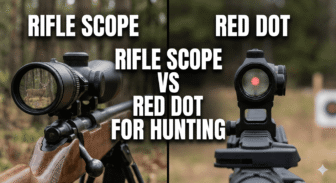
A reflex sight and a red dot sight are closely related, but the words are not always used the same way. In everyday shooting language, “red dot” often means any non-magnified optic with an illuminated aiming dot. Technically, many red dots are reflex sights, while prism sights and holographic sights use different optical designs.
Table of Contents
- Quick Answer
- What the Terms Mean
- Plain-English Difference
- What Is a Reflex Sight?
- Open Reflex Sight Traits
- What Is a Red Dot Sight?
- Tube Red Dot Traits
- Reflex Sight vs Red Dot: Main Differences
- Comparison Points
- Which One Fits Your Use?
- Better Fit by Scenario
- Mounting, Zeroing, and Safety
- Zeroing Checks
- Common Mistakes
- FAQ
- Is a reflex sight the same as a red dot?
- Is an open reflex sight better than a tube red dot?
- Do red dots have eye relief?
- Can you use a red dot with both eyes open?
- Which sight is best for beginners?
- Sources
- Optic Choice Checklist
Quick Answer
Most reflex sights are red dot sights, but not every optic sold as a red dot is an open reflex sight. Open reflex sights are compact and fast, tube-style red dots are more enclosed and often tougher against weather, prism sights use an etched reticle and magnification options, and holographic sights use a different projection system.
- Open reflex: light, fast, wide window, more exposed.
- Tube red dot: enclosed body, simple aiming dot, often durable.
- Prism sight: etched reticle, eye relief matters more, may have magnification.
- Holographic sight: different reticle projection design, usually larger and battery-dependent.
What the Terms Mean
The confusion comes from marketing and casual use. Shooters often call any unmagnified illuminated optic a red dot. Reflex sight is a more specific optical idea: the aiming point is reflected back to the shooter’s eye by the sight’s lens system.
Plain-English Difference
If someone says “red dot,” ask what style they mean: open reflex, tube red dot, prism, or holographic. The housing, reticle, battery life, durability, eye relief, and mounting height can matter more than the label.
What Is a Reflex Sight?
A reflex sight reflects an illuminated aiming point toward the shooter so the dot appears on the target. The sight can be open, with a single exposed viewing window, or enclosed in a tube-like housing. Reflex sights are popular because they are quick to acquire and can be used with both eyes open.
Open Reflex Sight Traits
- Very fast sight picture at close range.
- Compact and light for pistols, shotguns, and carbines.
- Large visual window for the size.
- Lens and emitter may be more exposed to rain, mud, dust, or lint.
- Often relies heavily on battery and brightness settings.
What Is a Red Dot Sight?
A red dot sight uses an illuminated aiming point, usually red but sometimes green or another color. Many red dots are reflex sights, but some optics grouped under “red dot” use prism or holographic designs. That is why comparing “reflex vs red dot” can be messy unless you name the exact sight type.
Tube Red Dot Traits
- More enclosed than open reflex sights.
- Often easier to protect with lens caps.
- Works well on rifles, shotguns, and some hunting setups.
- May feel slower than a large open window for some shooters.
- Usually simple: dot, brightness control, battery, and mount.
Reflex Sight vs Red Dot: Main Differences
The better comparison is usually open reflex sight vs tube red dot. Both can be fast, but they solve slightly different problems. Open reflex sights favor compact speed. Tube red dots favor protection, simple mounting, and all-weather coverage.
Comparison Points
- Window: open reflex sights often feel wider and less boxed-in.
- Protection: tube red dots better protect the emitter and lenses.
- Weight: open reflex sights are often lighter.
- Weather: enclosed optics usually handle debris and rain better.
- Mounting: pistol slides, shotgun receivers, and rifle rails may favor different footprints.
- Eye relief: most non-magnified red dots are forgiving, while prism sights need more exact eye position.
Which One Fits Your Use?
Choose based on the firearm, distance, environment, and how you actually shoot. A compact open reflex sight may be excellent on a handgun or turkey shotgun. A tube red dot may make more sense on a carbine, slug gun, or rough-weather setup. A prism sight can help if you want an etched reticle or slight magnification.
Better Fit by Scenario
- Pistol: compact reflex sight, if the slide and holster support it.
- Home/range carbine: tube red dot or enclosed reflex sight.
- Turkey or slug shotgun: open or enclosed reflex, depending on weather and recoil rating.
- Astigmatism concerns: test prism, etched reticle, or different dot designs before buying.
- Longer distance: consider magnifier compatibility, prism sights, or a low-power variable optic.
If you are also comparing magnified optics, read our guide on eye relief for scopes and rangefinders.
Mounting, Zeroing, and Safety
A good sight still needs a secure mount and a confirmed zero. Use the correct footprint, base, screws, torque guidance, and thread-locking method if recommended by the manufacturer. After mounting, confirm zero with live fire in a safe range setting.
Zeroing Checks
- Unload and verify the firearm before mounting work.
- Use the correct mount height for your cheek weld or presentation.
- Confirm the dot is visible in normal lighting and bright sunlight.
- Zero at a distance that matches your firearm and use case.
- Recheck zero after recoil, travel, or battery/mount changes.
Common Mistakes
- Buying by the words “red dot” without checking the actual optic type.
- Ignoring mount footprint and firearm compatibility.
- Choosing the smallest open reflex for harsh weather without considering emitter exposure.
- Turning brightness too high and making the dot bloom.
- Forgetting spare batteries or not checking battery life before the season.
- Assuming a dot replaces safe target identification and backstop awareness.
FAQ
Is a reflex sight the same as a red dot?
Often, but not always. Many red dot sights are reflex sights, but the red dot category can also include prism or holographic-style optics depending on how people use the term.
Is an open reflex sight better than a tube red dot?
It depends on the firearm and environment. Open reflex sights are fast and compact. Tube red dots are more enclosed and can be easier to protect from weather, dust, and debris.
Do red dots have eye relief?
Most non-magnified red dots are very forgiving about eye position. Prism sights and magnified optics usually need more exact eye relief.
Can you use a red dot with both eyes open?
Yes, many shooters use non-magnified red dots with both eyes open. Training still matters because presentation, target focus, and safe background awareness are separate skills.
Which sight is best for beginners?
A simple, durable red dot with clear controls and a secure mount is often easiest to learn. The best choice depends on the firearm, recoil, weather, budget, and intended distance.
Sources
- Reflector Sight Reference – optical background for reflex-style sights.
- Red Dot Sight Reference – general red-dot sight background.
- NSSF Firearm Safety Rules – safe firearm handling context.
- Nikon Understanding Riflescopes – optics terminology background.
Related reading: rifle scope magnification guide and spotting scope vs binoculars guide.
Optic Choice Checklist
Reflex sight and red dot are often used casually, but the buying decision should focus on use case, mounting footprint, brightness control, battery access, and whether the optic can handle the firearm or platform where it will be mounted.
- Confirm mount/footprint compatibility before buying.
- Check brightness settings for indoor and outdoor use.
- Look at battery access and expected runtime.
- Verify recoil rating for the intended platform.
- Keep iron-sight or backup plans in mind where appropriate.
For general firearm safety habits while mounting or checking optics, use the NSSF safety resources.