How to Preserve Your Deer Mount: Cleaning, Sunlight, Humidity, and Pest Checks
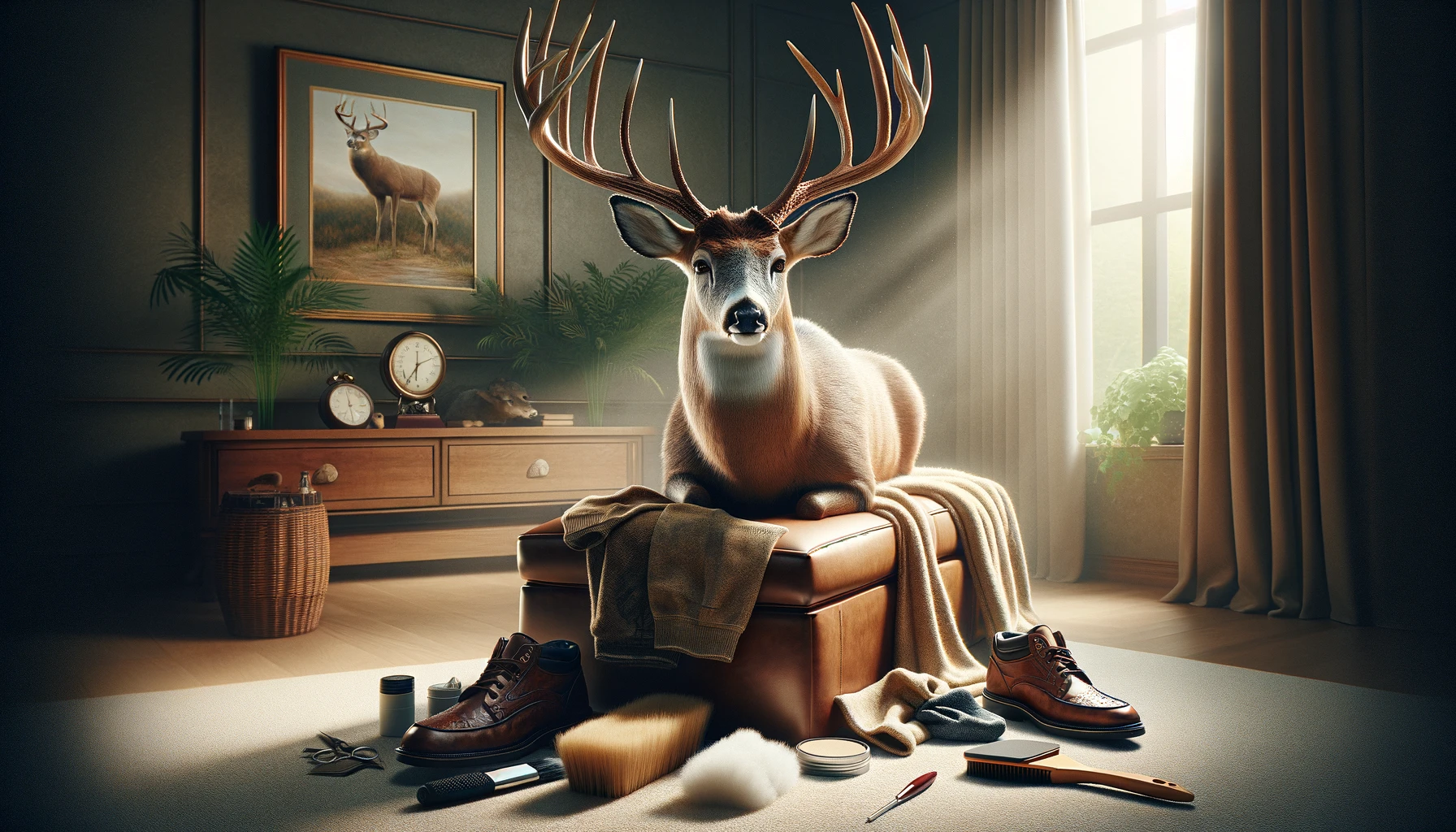
A deer mount lasts longer when you control sunlight, dust, humidity, insects, and handling. The safest routine is simple: keep the mount out of direct sun, dust it gently, check it for pests, avoid household sprays on the hide, and call a taxidermist if you see cracking, loose hair, mold, broken ears, or insect damage.
Many mounts fail slowly. The cape fades, dust works into the hair, bugs find the hide, or a room gets too damp. This guide gives hunters a practical care routine for shoulder mounts and wall displays without risky cleaning tricks.
Table of contents
Quick Deer Mount Care Routine
If you only remember one routine, use this: dust lightly every month or two, inspect the ears and hairline, keep the mount away from direct sunlight, and keep the room dry enough that mold and insects do not get an easy start.
Monthly check
Look under the brisket, around the ears, along the wall plaque, and near the base of the neck. Small piles of dust-like material, webbing, loose hair, or tiny casings can point to insect activity.
Seasonal check
At the start and end of hunting season, give the mount a slower inspection. Check for fading, cracks around the nose, loose eyes, weak ears, and any change in smell. If the mount is near a fireplace, window, basement wall, or garage entry, inspect it more often.
Choose the Right Room and Wall
The location matters as much as the cleaning routine. A deer mount is made from organic materials, and those materials react to light, moisture, heat, pests, and careless handling. Museum conservation references on taxidermy preservation point to light, humidity, pests, and handling as common causes of damage.
Avoid direct sunlight
Sunlight fades hair and can dry exposed skin around the nose, eyes, and ears. Do not hang a mount where afternoon sun lands on it through a window. Curtains, blinds, or a different wall are better fixes than trying to restore faded hair later.
Skip damp rooms
Basements, garages, laundry rooms, and unheated cabins can swing from dry to damp. That can lead to odor, mold risk, and insect problems. A steady indoor room is usually safer than a place that feels good only part of the year.
Keep it away from heat
Heat from fireplaces, heaters, and vents can dry skin and make cracks worse. Leave space between the mount and active heat sources, especially in winter.
Dust the Mount Without Damaging the Hair
Dust is not harmless. It can dull the mount, hold moisture, and attract pests. Clean slowly and gently so you do not pull hair, bend ears, or rub finish off the nose and eyes.
Use a soft brush first
A clean, soft paintbrush or makeup brush works well for light dust. Brush with the hair, not against it. Start at the top and work down so loose dust falls away from areas you already cleaned.
Use low suction with care
If you use a vacuum, keep suction low and use a brush attachment. Do not press the tool into the hide. A screen or mesh barrier can add protection when cleaning fragile areas.
Clean glass eyes lightly
For glass eyes, use a dry microfiber cloth or a cotton swab with very little glass cleaner placed on the swab, not sprayed onto the mount. Keep liquid away from hair, skin, and painted areas.
Control Humidity and Temperature Swings
Deer mounts do best in a stable indoor space. Big changes in humidity can stress hide, wood, glue, and painted details. General museum guidance on agents of deterioration explains why moisture, pests, and environment matter for organic display materials.
Watch for mold signs
A musty smell, pale surface growth, or damp-feeling hair means the room needs attention. Do not scrub mold deeper into the mount. Move the mount to a safer room if you can do so without flexing the neck or ears, then ask a taxidermist what to do next.
Keep airflow reasonable
A still, damp corner can create trouble. Good room airflow helps, but do not place the mount directly in a strong vent path where hot or cold air hits it every day.
Watch for Insects and Pest Damage
Insects can damage hair, hide, and other organic parts of a mount. The National Park Service museum conservation resources include pest and collection-care guidance because small pest problems can become serious if ignored.
Look for frass, casings, and bare spots
Check the floor below the mount and the wall plaque. Fine powder, shed skins, webbing, or new bare patches can signal pests. Do not assume it is normal dust until you inspect it closely.
Do not fog the mount with household insect spray
Household sprays can stain hair, soften finishes, or leave residue. If you suspect insects, isolate the mount from other mounts if possible and speak with a taxidermist or pest professional who understands stored hides and trophies.
Handle and Move the Mount the Right Way
Most damage happens when someone grabs the antlers, ears, or nose instead of supporting the mount. Plan the move before you lift it.
Lift from the backboard or base
Support the plaque or backboard, not the antlers. Antlers feel strong, but using them as handles can stress the form and attachment points.
Protect ears and nose during moves
Ears, nose detail, and eye areas can chip or bend. Clear the path first, then move slowly with another person if the mount is large.
What Not to Spray or Rub on a Deer Mount
Most bad mount-care advice starts with a spray bottle. Keep cleaning simple unless your taxidermist recommends a product for your exact mount.
- Do not soak hair with water.
- Do not use furniture polish on the cape.
- Do not use scented cleaners or air fresheners on the mount.
- Do not scrub painted nose, mouth, or eye detail.
- Do not use bleach, harsh soap, or strong solvents.
- Do not repaint or dye faded hair without professional help.
When to Call a Taxidermist
Some problems are not home-cleaning jobs. A qualified taxidermist can assess the hide, form, paint, eyes, ears, and antler attachment before a small issue gets worse.
Call for hair loss or pest signs
Loose hair, bare patches, insect casings, or dust piles below the mount need quick attention. Waiting can allow pests to spread to other mounts, rugs, or stored gear.
Call for cracks, loose eyes, or broken ears
Cracks around the nose, loose glass eyes, broken ear tips, and weak seams are repair issues. Home glue or paint often makes later repair harder.
Seasonal Deer Mount Checklist
- Dust gently with a soft brush.
- Check for direct sun at different times of day.
- Look for loose hair, bare spots, webbing, and tiny casings.
- Check the wall, plaque, and floor below the mount for pest clues.
- Keep the mount away from fireplaces, heaters, and damp walls.
- Clean glass eyes with a small swab, not sprayed liquid.
- Plan any move before lifting, and support the backboard.
- Call a taxidermist for cracks, mold, pests, loose eyes, or damaged ears.
If you are setting up a hunting room or gear space, pair mount care with smart storage habits. Our guide on how to organize your backpack can help keep hunting gear cleaner, and our first-time hunting guide covers the field habits that start before a trophy ever reaches the wall.
FAQ
How often should I clean a deer mount?
Light dusting every month or two is enough for many indoor mounts. Homes with pets, fireplaces, open windows, or heavy dust may need more frequent checks.
Can I use water on a deer mount?
Avoid soaking the hair or skin. A barely damp swab may help on glass eyes, but liquid should not run onto the cape, nose, or painted detail.
Why is hair falling out of my deer mount?
Hair loss can come from age, poor storage, moisture, pests, or handling damage. If you see new bare spots or loose hair, ask a taxidermist to inspect it.
Can sunlight damage a deer mount?
Yes. Direct sun can fade hair and dry exposed skin. Move the mount away from sunny windows or control the light with blinds or curtains.
Should I store a deer mount in a garage?
Usually no. Garages often have dust, heat, cold, dampness, and pest access. A stable indoor room is a safer choice for long-term display.
Bottom Line
Preserving a deer mount is mostly about steady care. Keep it out of sun, control dampness, dust gently, check for pests, and avoid harsh sprays. When damage appears, a taxidermist is the better call than a home repair that may leave stains, residue, or broken detail.