How to Pick the Perfect Treestand Site for Deer Hunting
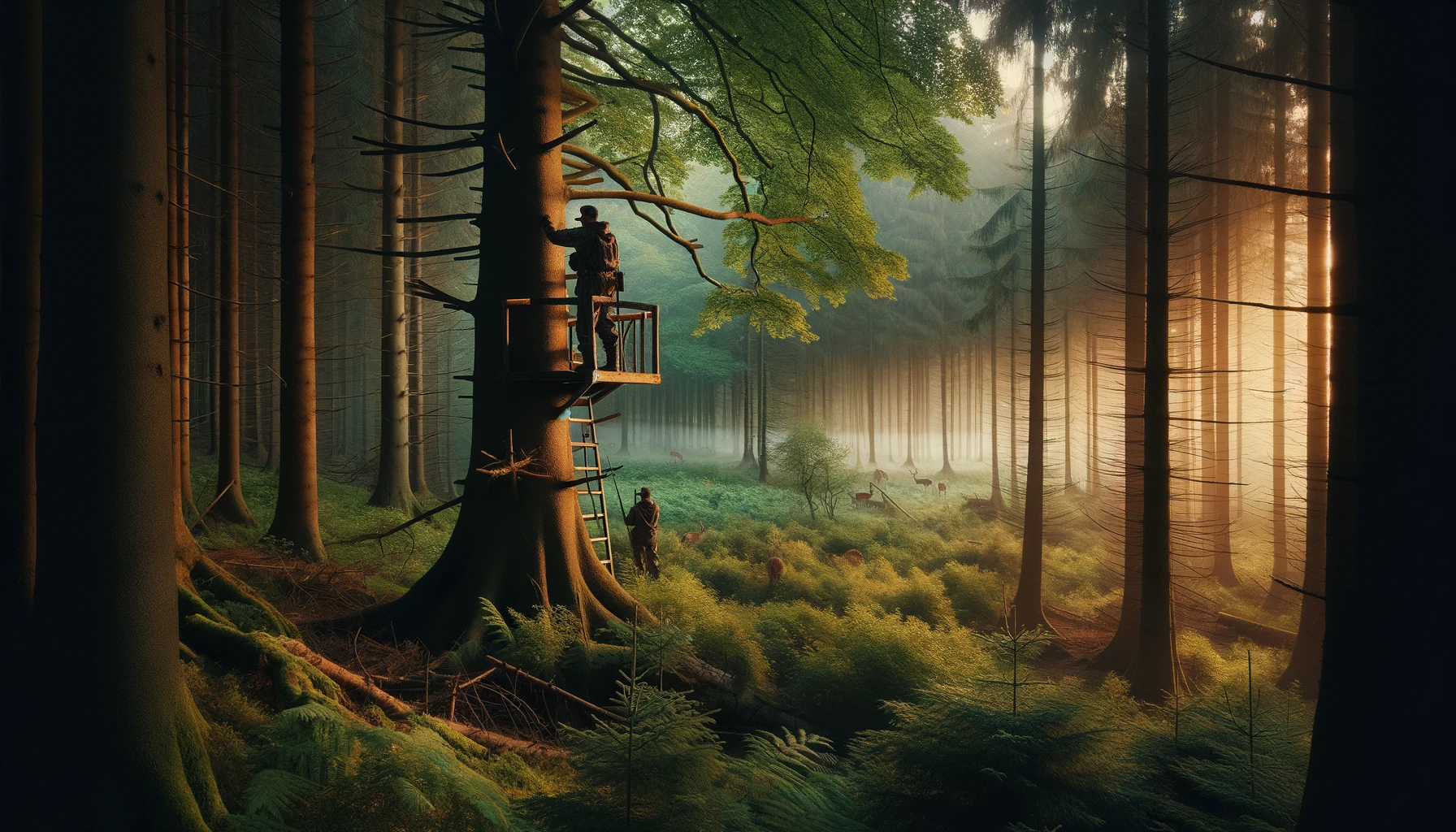
Picking the perfect treestand site is less about finding the tallest tree and more about matching deer movement, wind, access, safety, and visibility. A good stand location lets you enter quietly, stay hidden, hunt the wind, and watch the routes deer are already using.
This guide focuses on practical treestand site selection for deer hunters. Always follow current state regulations, property rules, treestand manufacturer instructions, and safe elevated-hunting practices before hanging or using any stand.
Table of contents
Quick Answer
The best treestand site is usually near active deer travel between bedding and food, with a wind direction that keeps your scent away from the expected approach. It should also have a quiet route in, a safe tree, enough cover to hide your outline, and clear shooting lanes that do not overexpose the setup.
If a site looks good on a map but forces you to walk through bedding cover, cross the main trail, or hunt with a bad wind, keep looking. Access and scent control often decide whether a stand stays productive.
Start With Deer Movement
Begin by identifying where deer already want to travel. Look for tracks, droppings, rubs, scrapes, trail crossings, creek crossings, saddle points, field-edge trails, and thick cover that funnels movement. Fresh sign matters more than old sign, especially after hunting pressure changes deer patterns.
Use long-distance scouting when possible. Binocular observation, trail cameras where legal, and aerial maps can help you understand travel patterns before walking through the area. For a broader field-sign framework, see our guide to tracking animals and reading hunting sign.
Connect Food, Cover, And Water
Deer movement is usually tied to food, cover, water, terrain, and pressure. A strong treestand location often sits on the edge of those needs instead of directly inside them. For example, a trail between bedding cover and an evening food source may be better than the middle of the field itself.
Pay attention to what the property offers right now. Acorns, browse, cut crops, green food plots, mast pockets, and water sources can rise or fall in importance as the season changes. A stand that was excellent in early season may need adjustment during the rut or late season.
Choose A Site That Works With The Wind
Wind is one of the biggest treestand-site filters. Choose a setup where your scent blows away from the trail, bedding cover, or food source you expect deer to use. Also think about the wind on the access route, not only while sitting in the stand.
Terrain can bend wind. Ridges, valleys, creek bottoms, and evening thermals may move scent differently than the forecast suggests. If a location swirls badly, save it for very specific conditions or choose a more forgiving tree.
Plan Quiet Access And Exit Routes
A stand is only as good as the route to it. The ideal route keeps you out of bedding areas, avoids crossing active trails, uses terrain or cover to hide movement, and lets you leave after dark without blowing deer off the main food source.
Trim small noisy branches on the approach if allowed, mark your route discreetly, and think about how leaves, snow, mud, or frozen ground will sound underfoot. Your day hunting field checklist should include navigation, lighting, and basic safety gear for the walk in and out.
Pick The Right Tree
The right tree is healthy, stable, large enough for the stand, and positioned where you can shoot safely and ethically. Avoid dead trees, soft or rotten trunks, loose bark, leaning trees that do not match the stand design, and trees that make installation unsafe.
Look for natural cover behind and around the stand. A tree with nearby limbs, trunk background, or evergreen cover can break up your outline. At the same time, make sure you can draw a bow or shoulder a firearm safely without fighting branches or twisting into a bad position.
Trim Shooting Lanes Carefully
Good shooting lanes are clear enough for a responsible shot but natural enough that the area does not look freshly opened. Overtrimming can remove the cover that made the tree useful in the first place. Trim with specific shot angles in mind, not just a wide open view.
Check the lane from the stand height, not only from the ground. A branch that looks harmless at ground level may block the exact line from your platform. Also confirm what is beyond the target area before planning any shooting lane.
Adjust By Season And Pressure
Early season stands often focus on food-to-bed patterns. Rut stands may shift toward funnels, pinch points, crossings, and doe travel. Late-season stands often move back toward food, thermal cover, and low-pressure access. The perfect treestand site in October may not be the perfect site in December.
Pressure matters too. If other hunters use the easy field edge, an overlooked transition trail or downwind staging area may be better. For cold-weather deer behavior, our late-season deer hunting tactics guide explains how food, cover, and pressure can change the plan.
Treestand Safety Checks
Treestand safety is not optional. Inspect the stand, straps, cables, chains, ladder sections, platform, seat, and attachment points before using it. Follow the stand maker’s instructions and use a full-body safety harness with a secure connection whenever climbing, hunting, or descending.
The Hunter Ed treestand safety resource is a useful reminder to stay attached, use proper climbing methods, and inspect equipment. If a stand, strap, or tree gives you doubts, do not hunt from it.
Treestand Site Checklist
Fresh Deer Sign
Choose a site near recent tracks, droppings, rubs, scrapes, or active trails rather than old sign that no longer matches current movement.
Right Wind For The Sit
Confirm that your scent will not blow into the travel route, food source, or bedding cover you are trying to hunt.
Clean Access
Make sure the entry and exit route does not educate deer every time you hunt the stand.
Safe Tree And Stand Fit
Use only a healthy tree that fits the stand design and lets you install, climb, sit, and descend safely.
Common Mistakes
Setting Up Too Close To Bedding
Getting too close can bump deer before the hunt starts. Stay close enough for daylight movement but far enough to enter quietly.
Ignoring The Exit
A good evening stand can become a bad stand if you spook feeding deer every time you leave.
Overtrimming The Site
Too much cutting can remove concealment and make the area look unnatural. Trim only what you need for safe, clear lanes.
Using A Questionable Tree
No deer is worth climbing a weak tree or using damaged equipment. Safety comes before location quality.
FAQ
How high should a treestand be?
There is no single perfect height. Use the stand only within manufacturer guidance, prioritize safe climbing and shooting angles, and choose enough height and cover to stay concealed without creating unsafe shot angles.
Are treestands better for morning or evening hunts?
Both can work. Morning sites need clean access near travel or bedding routes. Evening sites often focus on food approaches, staging areas, or trails that deer use before dark.
Can I use the same treestand site every year?
Yes, if the deer movement, wind, safety, and access still make sense. Recheck the tree, stand condition, straps, shooting lanes, and current sign before relying on an old location.
When should I hang a treestand?
Many hunters prefer to hang stands before the season to reduce disturbance, but timing depends on property access, local rules, safety, and current deer patterns. Avoid unnecessary disturbance close to planned hunt days.
Final Takeaway
The perfect treestand site combines deer movement, wind, access, concealment, shooting lanes, and safety. Start with current sign, choose a tree that works for the wind and route, keep disturbance low, and never compromise on treestand safety.