Categories: Blog

Adapting to the Chill: Late Season Deer Hunting Tactics

Introduction

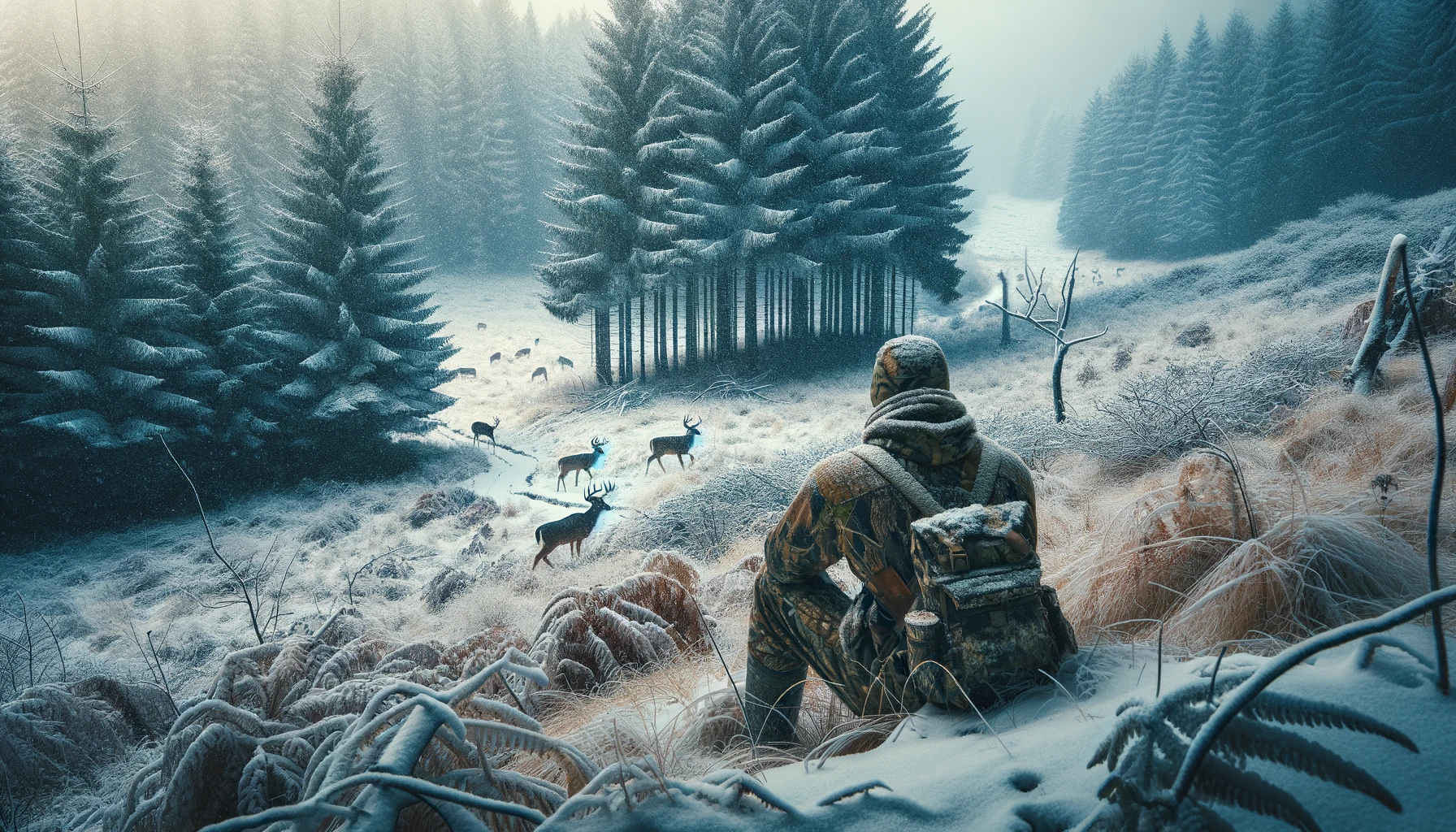
Late season deer hunting presents a unique set of challenges and opportunities. As the landscape transforms with the arrival of colder weather, so too do the behaviors of deer, necessitating adjustments in hunting strategies. This guide explores effective tactics for late season deer hunting, helping you to adapt to the changes and increase your chances of success during the winter months.

Understanding Late Season Deer Behavior

Food Sources Are Key

With the chill setting in, food becomes scarce, and deer concentrate around remaining food sources. Identifying these areas, such as stands of acorns, agricultural leftovers, or green plots, is critical. Deer will prioritize easy-to-access, high-energy foods to conserve energy.

Bedding Areas

Deer seek sheltered bedding areas to protect themselves from harsh weather. Thick conifer stands or south-facing slopes that offer protection from the north wind and capture sunlight can be hotspots for late-season hunting.

Tactics for Success

1. Focus on Food Sources

  • Set Up Near Nutrition: Position yourself downwind of known food sources. Late in the season, deer may feed during the last light to minimize movement and exposure to predators, including hunters.

2. Minimize Pressure

  • Stealth is Paramount: Approach your hunting area with caution. Use natural cover and avoid unnecessary noise. Deer are on high alert, having been pressured all season.

3. Adjust Your Timing

  • Take Advantage of Midday Movement: Unlike earlier in the season, deer may be more active during midday as they seek food after a cold night.

4. Opt for Ambush Hunting

  • Strategic Positioning: With deer moving less and sticking to known paths between bedding and feeding areas, setting up ambush points can be highly effective. Identify narrow corridors or funnels that deer use and set up along these routes.

Gear Considerations

Stay Warm and Ready

  • Appropriate Apparel: Invest in high-quality, insulated, and camouflaged hunting attire to endure long hours in the cold without sacrificing mobility or alertness.
  • Optics: With lower light levels, quality optics can help spot deer from a distance without spooking them.

Scent Control

  • Minimize Human Scent: Cold air carries scent particles more efficiently. Use scent-blocking clothing and avoid strong-smelling foods or smoking before the hunt.

Ethics and Conservation

Respect for the Quarry

  • Ethical Shots Only: With deer potentially stressed by the cold and food scarcity, ensure shots are clean and ethical to avoid unnecessary suffering.
  • Support Habitat Conservation: Engage in or support efforts to maintain and improve deer habitats, ensuring healthy populations for future seasons.

Conclusion

Late season deer hunting requires patience, preparation, and a deep understanding of deer behavior in winter conditions. By focusing on key resources like food and shelter, employing careful tactics, and respecting the wildlife and environment, hunters can find success and fulfillment in the challenge of late season hunting.


Frequently Asked Questions (FAQs) about Late Season Deer Hunting Tactics

1. How do I find late season food sources for deer?

Look for areas with leftover agricultural crops, oak stands still holding acorns, or managed food plots that provide winter forage.

2. What are the best camouflage patterns for late season hunting?

Opt for camouflage that matches the winter environment, such as patterns with bare trees, snow, or mixed terrain elements.

3. Can I use calls or rattling in the late season?

While deer are less responsive to calls or rattling late in the season, these techniques can still be effective in the right circumstances, especially during any secondary rut phases.

4. How important is wind direction in late season deer hunting?

Wind direction remains crucial. Deer rely heavily on their sense of smell, especially when other senses may be hampered by winter conditions.

5. What should I do if I’m unsuccessful in the late season?

Analyze your experiences to learn what worked and what didn’t. Late season hunting is challenging, and each outing provides valuable insights for future hunts.

Recent Posts

Fastest Hunting Bows Tested in 2026

When it comes to modern bowhunting, speed remains one of the most talked-about specifications among…

June 5, 2026

3D Archery Setup Guide: Everything You Need to Build the Perfect Hunting-Style Rig

3D archery has become one of the fastest-growing disciplines in the archery world. Unlike traditional…

June 3, 2026

Bow Stabilization for Target Shooting

Target archery is a sport where precision matters more than power. Even the slightest movement…

June 2, 2026

How Often Should Bow Strings Be Replaced? Complete Guide for Archers

Bow strings are one of the most important components of any bow. Whether you shoot…

June 1, 2026

Compound Bow Mistakes Beginners Make (And How to Avoid Them)

Getting started with a compound bow can be exciting. Compound bows offer impressive accuracy, speed,…

May 31, 2026

What Magnification Do Snipers Use? Complete Guide

When people think about snipers, they often imagine extremely powerful scopes capable of zooming targets…

May 22, 2026