Hunting Tips for Beginners: Safe First-Hunt Basics
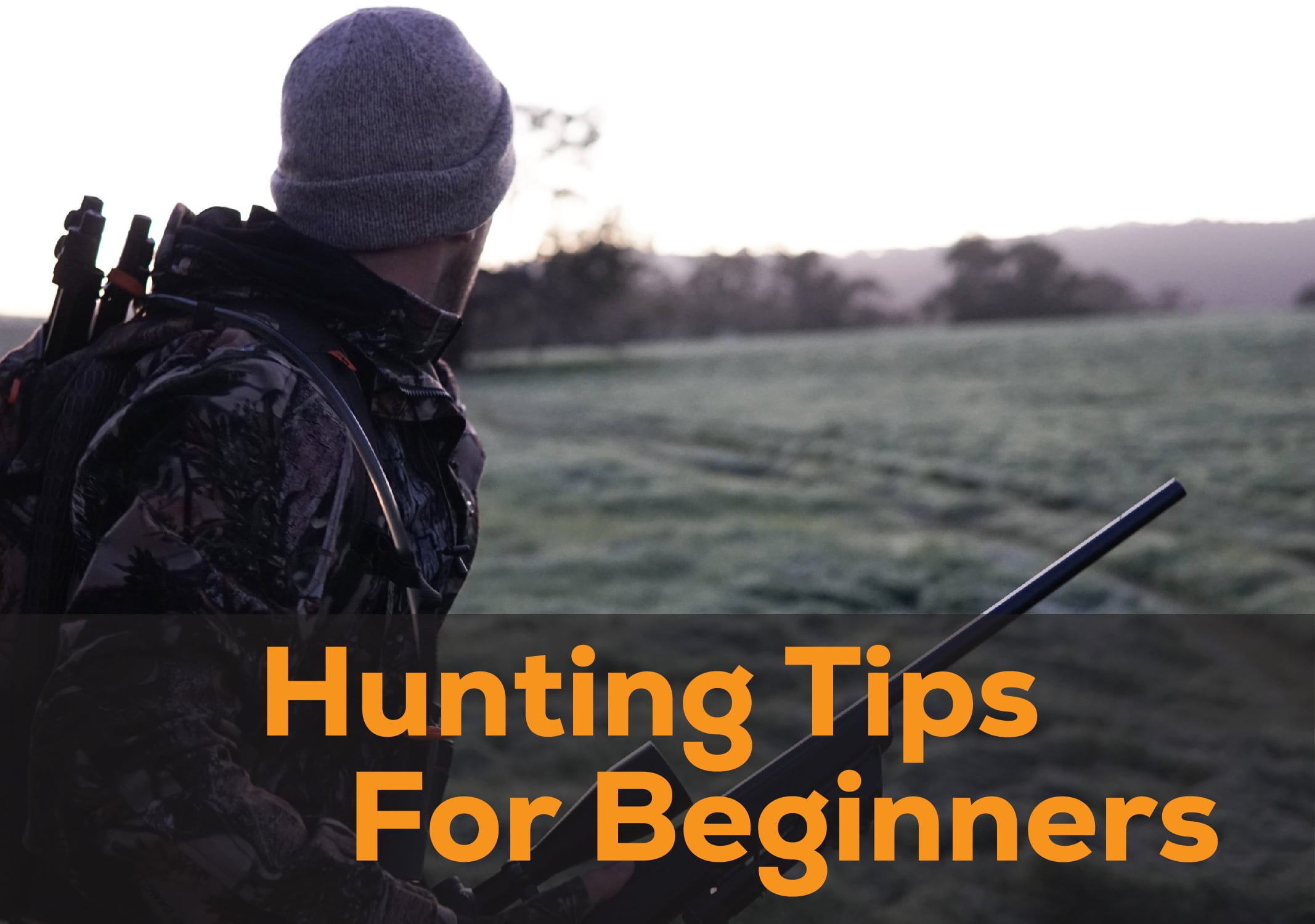
The best hunting tips for beginners are simple: get educated, follow current laws, practice safe equipment handling, start with an easy plan, and pass any shot that feels uncertain. A first hunt should be built around safety and learning, not pressure to bring something home.
This guide gives practical beginner hunting tips for preparation, field behavior, and after-the-shot responsibility. It does not replace hunter education, state regulations, landowner permission, firearm or bow manuals, or hands-on mentoring.
Table of Contents
Quick Answer
New hunters should complete hunter education, read current regulations, choose one legal species and area, practice with the exact equipment they will use, scout access and wind, pack safety basics, set a personal shot limit, and prepare a recovery and meat-care plan before opening day. For deer-specific first-season planning, see our deer hunting tips for beginners.
Before the Hunt
Preparation matters more than buying gear. Start with hunter education and current local regulations. The Hunter-Ed course platform is one route for state-approved education, but your state wildlife agency is the final source for rules, licenses, tags, and season dates.
- Pick one species and one legal season.
- Read the current regulation booklet.
- Confirm land access before the hunt.
- Practice with your firearm or bow under qualified guidance.
- Learn target identification before entering the field.
- Tell someone where you will be and when you plan to return.
A mentor can help with practical details that a regulation booklet cannot teach, such as where to park, how to enter quietly, what sign to look for, and when to stop pushing a bad plan.
Gear and Safety Basics
Beginner gear should support safety, navigation, weather protection, and recovery; our day hunting pack checklist keeps that kit practical. The NSSF firearm safety rules are a strong baseline for anyone hunting with a firearm, especially safe muzzle direction, trigger discipline, correct ammunition, and target awareness.
- License, tags, and identification.
- Weather-appropriate clothing and required visibility colors.
- Map, offline navigation, compass, or GPS.
- Water, snacks, first-aid basics, and headlamp.
- Knife, gloves, game bags, and meat-care supplies where appropriate.
- Firearm, bow, ammunition, arrows, or broadheads confirmed legal and safe.
Field Tips for New Hunters
Move slowly, watch the wind, and avoid rushing decisions. Most beginner mistakes happen when a hunter gets excited, tired, cold, or embarrassed to ask questions. Slow down and make each step deliberate.
- Arrive early enough to avoid rushing.
- Keep noise and movement low near hunting areas.
- Know your safe shooting lanes before animals appear.
- Pass shots with poor angle, heavy brush, unsafe background, or uncertain identification.
- Leave gates, roads, trails, and campsites better than you found them.
The U.S. Fish & Wildlife Service hunting program offers useful context on hunting as a managed wildlife-dependent recreation use, especially on public lands where hunting is allowed under specific rules.
After the Shot
A responsible hunt is not finished at the shot. Watch the animal, mark where it was standing, mark where it went, and follow the recovery plan you made before the hunt. If you are unsure, ask a mentor before the season so you know what to do under pressure.
The Hunter-Ed responsible hunter guidance reinforces that ethical hunting includes respect for game, landowners, other hunters, and the resource.
Beginner Hunting Checklist
- Hunter education completed or scheduled.
- Current rules checked through the wildlife agency.
- License, tag, and legal method confirmed.
- Land access and boundaries verified.
- Safety gear, weather gear, navigation, and light packed.
- Equipment practiced and checked before the hunt.
- Personal shot limit set before seeing game.
- Recovery, reporting, and meat-care plan ready.
FAQ
What is the first thing a beginner hunter should do?
Take hunter education and read the current regulations for your state or province. That gives you the safety and legal foundation before you buy extra gear or choose a hunt.
What is the easiest hunt for beginners?
The easiest hunt is usually the one with clear rules, close access, safe terrain, and mentor support, and private-land access should start with asking for hunting permission the right way. The best first species depends on your local seasons, land access, and training.
How much gear does a new hunter need?
Less than most people think. Start with legal documents, safety equipment, weather protection, navigation, water, light, and equipment that is legal and practiced for the specific hunt.
Should beginners hunt alone?
A mentor is strongly recommended for the first season. If you do hunt alone, keep the plan simple, tell someone where you are going, and stay within your skill and safety limits.
What is the biggest beginner hunting mistake?
Rushing. New hunters often rush gear choices, shots, tracking, or access decisions. Slow down, ask questions, and pass when something is uncertain.
Final Takeaway
Beginner hunting success is built before the hunt. Learn the rules, practice safely, plan the access, keep the first hunt simple, and make ethical decisions even when no one is watching.