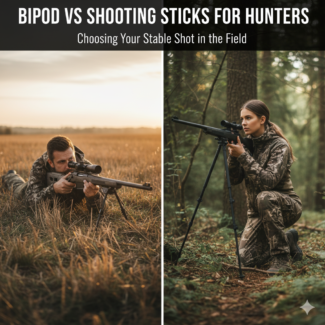
Bipod vs Shooting Sticks for Hunters: How to Choose by Hunting Style
 The Shooting Gears
 A practical comparison of bipods and shooting sticks for hunters, organized by terrain, mobility, setup speed, carry weight, and common hunting styles.
A practical comparison of bipods and shooting sticks for hunters, organized by terrain, mobility, setup speed, carry weight, and common hunting styles.
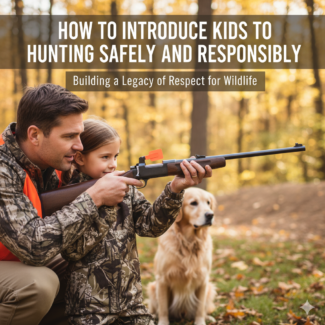
Learn how to introduce kids to hunting safely with readiness checks, hunter education, adult supervision, gear fit, first-hunt planning, and storage rules.
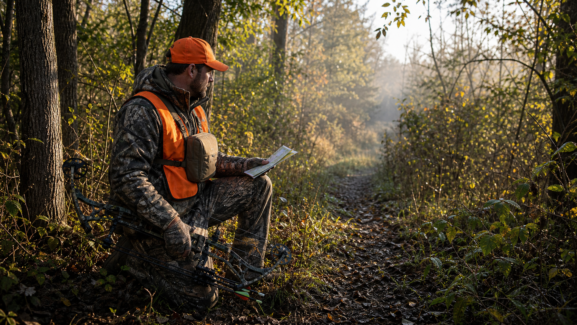
A safety-first guide to bowhunting whitetails in thick cover, focused on rules, visibility, safe access, wind, and shot discipline.
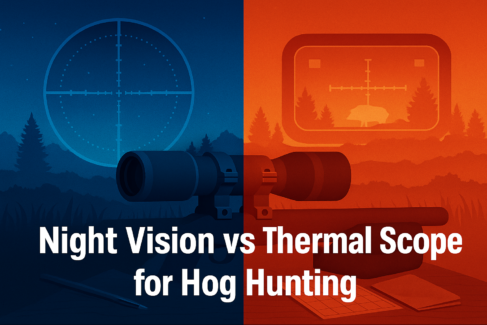
Compare night vision and thermal scopes for hog hunting by detection, target identification, battery, and weather. Plus legality checks and ethical-shot basics.
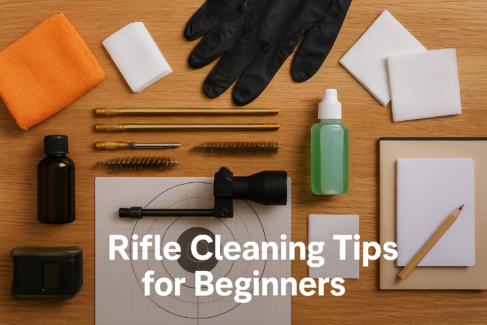
Learn beginner-safe rifle cleaning tips, including unloading, correct tools, solvent safety, oiling, storage, and common maintenance mistakes.
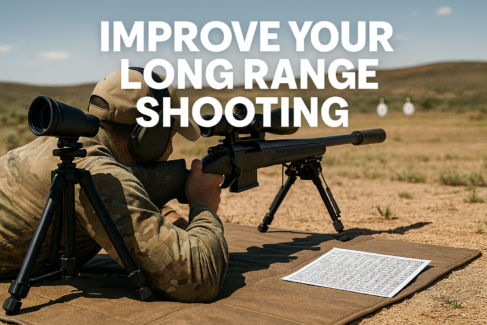
You improve long range shooting by tightening the fundamentals first: a stable position, consistent breathing, a clean trigger press, a steady natural point of aim, and honest reading of wind and distance. Equipment matters less than repeatable technique. The shooters who connect at distance are the ones who do the ...
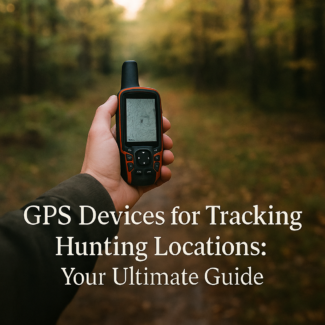
Learn how to use GPS devices for hunting locations safely, including offline maps, waypoints, track-back, backup power, compass backup, and trip planning.
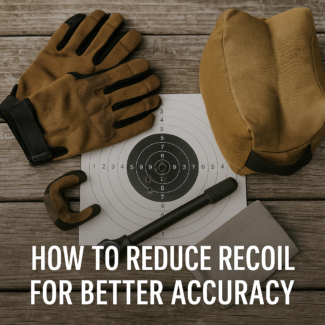
Learn how to reduce recoil safely with better firearm fit, stance, grip, trigger control, ammunition choice, gear, and a practical practice plan.
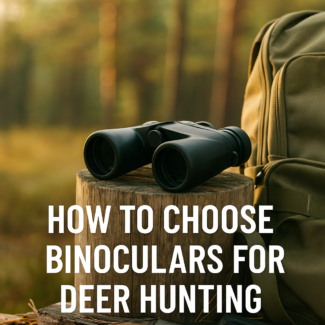
The best binoculars for deer hunting are the ones that match your terrain, your light conditions, and how long you carry them, not the ones with the highest magnification number on the box. For most whitetail hunters, an 8x42 or 10x42 pair balances brightness, steadiness, and weight well enough to glass from before ...
Mounting a rifle scope means securing the optic to the rifle in a way that is level, holds zero, and gives you proper eye relief, and the first step every single time is to confirm the firearm is unloaded. The basic process is to clear and secure the rifle, attach a base and rings, set the scope for eye relief and ...
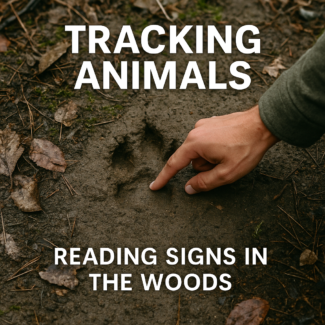
Learn to read animal tracks, scat, rubs, scrapes, and trails for hunting, plus ethical recovery and how to confirm seasons with your state agency.
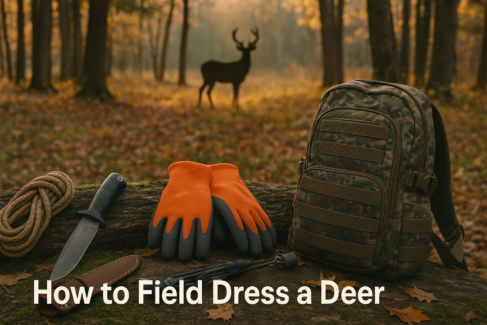
Field dressing a deer means removing the internal organs soon after harvest so the carcass cools quickly and the meat stays safe to eat. The priorities are simple: work cleanly with a sharp knife and protective gloves, avoid contaminating the meat, cool the carcass as fast as you can, and follow your state's tagging ...

