Hunting in Fog: Target ID, Legal Light, Navigation, and Safety
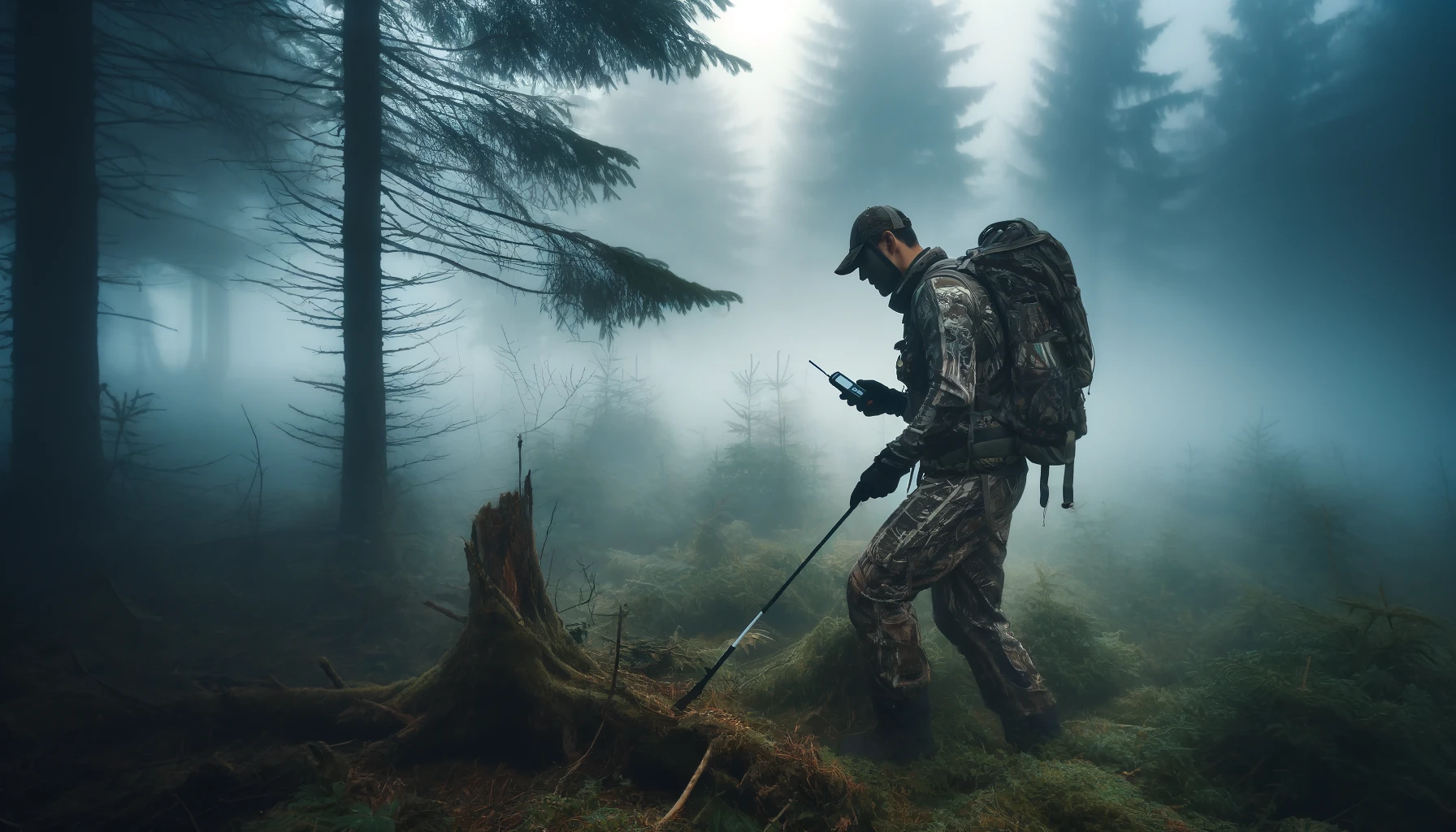
Hunting in fog is not just a visibility problem. It affects target identification, backstop judgment, navigation, partner communication, legal shooting light, and the decision to stop hunting when conditions are no longer safe. Fog can make familiar country feel unfamiliar, and it can make distance, movement, and sound harder to read.
The safest fog plan is conservative: slow down, verify every target, know your route, stay legal, communicate clearly, and be willing to wait. No animal is worth an unsafe shot or a lost hunter. If fog prevents a clear view of the target, what is behind it, or the route home, the right call is to pause or leave.
Table of Contents
Quick Answer
Fog lowers your safety margin
You can hunt in fog only when you can still identify the target, confirm what is beyond it, stay inside legal shooting hours, and navigate safely. If fog hides the animal’s full body, blocks your backstop, confuses your route, or makes you unsure where other people are, do not shoot. Wait for visibility to improve.
Use fog as a reason to slow down
Fog can quiet movement and change animal behavior, but it can also hide people, livestock, buildings, roads, water, fences, and terrain drops. Slow movement, shorter routes, and a clear exit plan matter more than trying to force a hunt.
Target ID Comes First
Never shoot at shape or sound
Fog can turn brush, shadows, livestock, and other hunters into vague shapes. A legal and ethical shot requires positive identification. You need to know the species, sex or antler requirement where relevant, body angle, distance, and what lies beyond the animal. Sound, movement, color, or a partial outline is not enough.
Confirm the backstop
Fog makes backstop judgment harder. If you cannot see where the projectile or arrow could go after a miss or pass-through, you do not have the shot. This is especially important near fields, roads, ridges, water edges, homes, livestock, and public-land access routes.
Legal Shooting Light and Local Rules
Fog does not extend legal time
Legal shooting hours still apply in fog. If your state defines shooting hours by sunrise, sunset, or a fixed offset, use those rules. Fog can make legal light feel darker than the clock suggests, but the clock does not remove your duty to identify the target clearly.
Check method and area restrictions
Some areas have special rules for waterfowl, big game, blinds, blaze orange, public access, boats, or road use. Check the current state wildlife agency rules before the hunt. If fog is common in your area, plan how you will handle legal time, retrieval, and navigation before opening morning.
Navigation in Fog
Know the route before leaving the truck
Fog can erase landmarks. A field corner, timber edge, creek crossing, or ridge can disappear quickly when visibility drops. Mark your parking spot, route, and key turns before walking in. Carry a map, compass, light, and a charged phone or GPS when possible, but do not rely on one tool only.
Use short, simple routes
In thick fog, shorter routes are safer than long wandering loops. Use roads, trails, fence lines, field edges, ridges, or creeks as handrails when legal and safe. Avoid crossing unfamiliar water, steep ravines, or heavy cover when you cannot see enough to judge footing.
Partner Communication
Agree on locations before separating
If you hunt with others, confirm exact stand locations, walking routes, shooting lanes, and no-shoot directions before fog becomes a problem. Do not assume a partner is “somewhere over there.” Fog can make a safe plan unsafe if people drift or change positions without telling anyone.
Use simple check-ins
Radios, texts, or planned check-in times can help, but keep the system simple. Confirm when someone moves, retrieves game, crosses a field, or leaves a stand. If communication fails and visibility is poor, stop moving until the group is accounted for.
Water, Roads, and Terrain Hazards
Fog hides edges and current
Waterfowl hunters, marsh hunters, and anyone near creeks or ponds need extra caution. Fog can hide ditches, current, thin ice, boat traffic, stumps, and sudden drop-offs. Wear the right flotation gear when boating and avoid risky crossings when visibility is poor.
Roads and vehicles are harder to judge
Fog reduces driver visibility too. Do not walk roadsides casually in low visibility. Use lights or reflective gear when appropriate and legal. Park fully off travel lanes, avoid blocking gates, and be careful around farm lanes, public roads, and trailhead traffic.
Sound and Distance Problems
Fog can distort what you hear
Sound may feel closer, farther, or harder to place in fog. Do not use sound alone to decide where an animal, partner, road, or dog is located. Stop, listen, verify, and move only when you understand the situation.
Distance can be misleading
Fog can make close objects look far and far objects look close. Range estimates become weaker. If distance matters for your weapon, wait until you can confirm it. Guessing range through fog is a poor foundation for an ethical shot.
When to Stop Hunting
Stop when identification is not certain
The simplest rule is the best one: if you cannot clearly identify the target and what is beyond it, do not shoot. A foggy morning may still become a good hunt later. A bad shot cannot be taken back.
Stop when navigation becomes uncertain
If you are not sure where you are, where your partners are, where the road is, or where the property boundary lies, stop and solve that problem before hunting. Sit tight, use your map and compass, contact your group, or return by a known route. Pride is not a navigation tool.