Why Hunt Coyotes? Reasons, Ethics, and Safety Questions
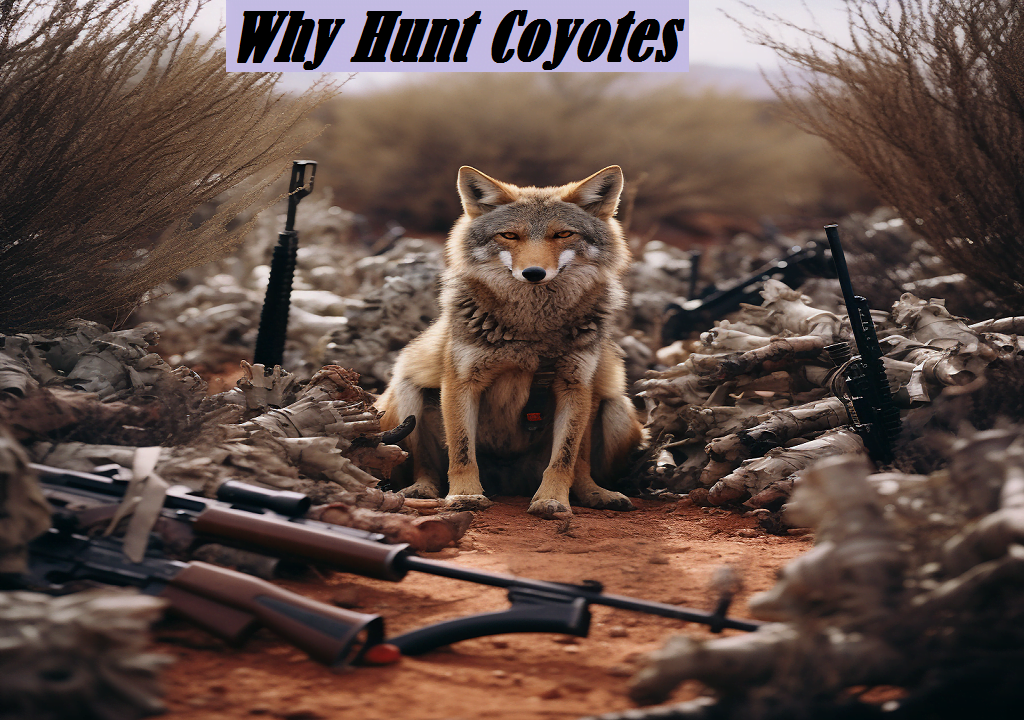
People hunt coyotes for different reasons, including regulated predator management, livestock protection, fur harvest, and local hunting tradition. The topic is also controversial, so the responsible starting point is not hype. It is understanding local law, wildlife biology, landowner needs, non-lethal options, and ethical shot decisions.
This guide explains the main reasons coyote hunting exists and the questions a responsible hunter should ask first. It is not legal advice, and it does not replace state wildlife regulations, landowner permission, hunter education, or local wildlife-agency guidance.
Table of Contents
Quick Answer
Coyote hunting may be allowed for predator management, livestock protection, fur harvest, or recreation depending on local rules. A responsible hunter should first confirm the law, understand why the hunt is happening, get land access, identify the target clearly, use safe equipment, and consider whether non-lethal prevention is more appropriate for the situation.
Coyote Basics
Coyotes are adaptable North American canids that live in rural, suburban, and urban environments. The National Park Service coyote overview describes them as opportunistic animals that can use a wide range of foods and habitats.
That adaptability is why coyote issues vary so much by place. A rancher dealing with livestock losses, a suburban homeowner worried about pets, and a public-land hunter may all be talking about coyotes, but the responsible response can be very different.
Why People Hunt Coyotes
Livestock and Property Concerns
In some areas, coyotes can create problems for sheep, calves, poultry, and pets. Landowners may allow hunting as one part of a broader damage-prevention plan. That does not mean every coyote sighting requires a lethal response. It means the context matters.
Regulated Wildlife Management
Some wildlife agencies allow coyote hunting under state rules. Seasons, night-hunting rules, electronic calls, bait, suppressors, public-land access, and reporting requirements can vary widely, so hunters must read current regulations for the exact location.
Fur Harvest and Local Tradition
Some hunters pursue coyotes for fur or as part of local predator-hunting traditions. If fur is part of the reason, hunters should still think about season timing, pelt handling, legal sale rules, and whether the harvest is being used responsibly.
Skill Development
Coyote hunting often requires patience, calling knowledge, wind awareness, and safe field setup. Those skills do not excuse unsafe shots or careless access. The hunt still needs a clear backstop, legal permission, and target identification.
Why Coyote Hunting Is Controversial
Coyote hunting can be controversial because people disagree about effectiveness, animal welfare, contest hunts, livestock protection, ecosystem effects, and whether lethal control is appropriate in a given situation. A serious article should acknowledge that disagreement instead of pretending the topic is simple.
The U.S. Fish & Wildlife Service discussion of human-wildlife conflict is a useful reminder that wildlife conflicts often require context-specific decisions, not one-size-fits-all answers.
Questions to Ask Before Hunting Coyotes
- Is coyote hunting legal here today, with this method, on this land?
- Do I have written or clearly documented landowner permission where needed?
- Can I identify the animal clearly before shooting?
- Is there a safe backstop and no risk to people, livestock, pets, roads, or buildings?
- Am I hunting for a specific management reason, lawful fur harvest, or recreation?
- Have non-lethal prevention steps been considered for property or pet conflicts?
- Do I have a plan for retrieval, use, disposal, or reporting where required?
The Hunter-Ed responsible hunter guidance applies here: ethical hunters follow the law, respect landowners, take safe shots, and avoid behavior that damages public trust.
Coexistence and Non-Lethal Options
For suburban or pet-related conflicts, hunting is often not the right tool. Better first steps may include removing food sources, securing garbage, supervising pets, using fencing, protecting poultry, and contacting local wildlife officials. In livestock settings, guard animals, night penning, carcass removal, and improved fencing may also be part of a prevention plan.
A responsible hunter should be willing to say, “This is not a hunting problem,” when the situation calls for prevention, education, animal control, or a wildlife professional instead.
FAQ
Why do people hunt coyotes?
People hunt coyotes for reasons such as livestock protection, regulated predator management, fur harvest, recreation, or local tradition. The reason should always be checked against current law, land access, and ethical judgment.
Is coyote hunting legal everywhere?
No. Rules vary by state, season, land type, method, time of day, and equipment. Always check current wildlife-agency regulations before hunting.
Does hunting coyotes solve pet conflicts?
Not always. Pet conflicts often require prevention: supervising pets, removing food sources, securing garbage, and following local wildlife guidance. Hunting may be illegal or unsafe in many suburban settings.
Is coyote hunting ethical?
It depends on law, method, reason, safety, land access, shot choice, and respect for the animal. Some people support it in specific management contexts, while others oppose it. Responsible hunters should take that debate seriously.
What should I do if coyotes are near my home?
Secure pets, remove food sources, avoid feeding wildlife, and contact local wildlife officials or animal control for guidance. Do not discharge a firearm in residential areas unless local law and emergency circumstances clearly allow it.
Final Takeaway
Coyote hunting is a context-dependent topic. Before forming an opinion or planning a hunt, check the law, understand the reason, consider prevention options, respect landowners, and keep safety and ethics at the center.