How to Pheasant Hunt: Safe Upland Basics for Beginners
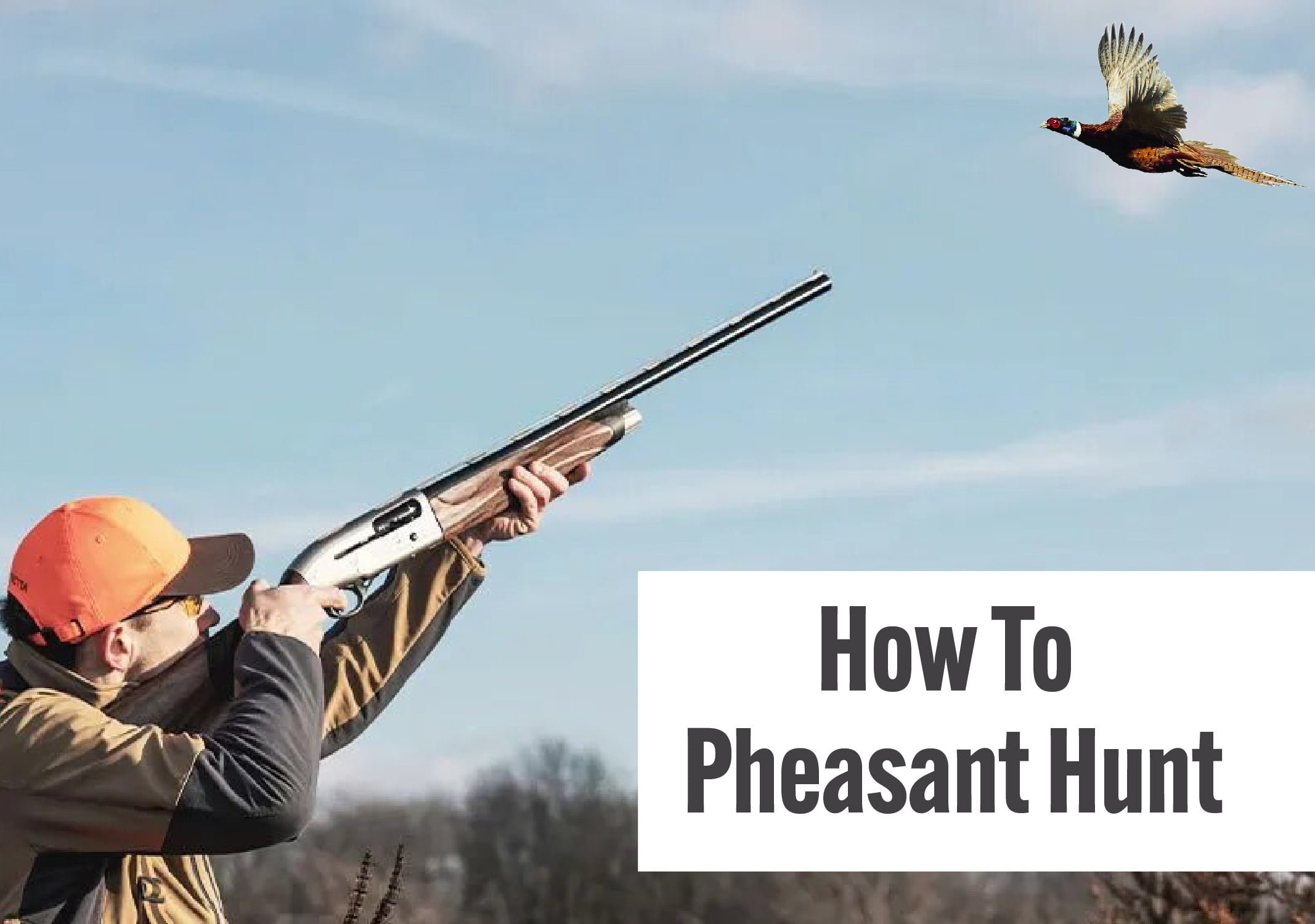
Learning how to pheasant hunt starts with safety, legal access, bird habitat, and clean shot choices. A beginner does not need a complicated setup to get started, but they do need to confirm local rules, handle the shotgun safely, understand upland cover, and plan for recovery before the first bird flushes.
This guide covers the field basics for a first pheasant hunt: where pheasants hold, how hunters move through cover, what to check before the trip, how dogs fit into the hunt, and what ethical recovery looks like after the shot.
Table of Contents
Quick Answer
To pheasant hunt safely, start by confirming the season, license, bag limit, land access, hunter orange rule, and shotgun/ammunition rules for the exact place you plan to hunt. Then scout likely cover such as grasslands, field edges, shelterbelts, cattails, and crop borders. In the field, walk slowly, keep your muzzle in a safe direction, stay in a clear line with other hunters, identify the bird before shooting, and mark every downed bird for recovery.
The best beginner plan is simple: hunt legal public land or land where you have written permission, go with an experienced hunter if possible, keep shots close, and end the hunt early if safety, visibility, weather, or dog condition becomes a concern.
Rules, Access, and Season Checks
Pheasant rules change by state, season, public area, and sometimes by property. Before you pick a field, check your state wildlife agency for the current pheasant season, license requirements, stamps or permits, daily bag limit, possession limit, shooting hours, blaze-orange requirements, and public-land restrictions.
Do not rely on an old blog post, forum comment, or printed map from a past season for legal details. Use the current official state hunting regulation page, then confirm the specific property rules for wildlife areas, walk-in access land, national wildlife refuges, or private property.
For basic hunter responsibility and ethics, Hunter-Ed explains responsible hunter conduct in plain terms. Use that as a baseline, then follow your state rulebook for the binding legal details.
Pheasant Habitat and Scouting Basics
Pheasants usually stay close to cover that gives them food, escape routes, and protection from weather. Beginners should look for grass strips, weedy field edges, CRP-style grass, shelterbelts, cattails, brushy ditches, and the transition lines between crop fields and thicker cover.
Wind and pressure matter. On a calm day, birds may sit tight in cover until a hunter or dog gets close. On windy or pressured days, they may run ahead, flush wild, or move to heavier cover. If a field has been hunted hard, slow down around corners, cover breaks, and narrow funnels where birds may hold before crossing open ground.
Habitat quality is the long-term driver. The Natural Resources Conservation Service explains how wildlife habitat depends on food, cover, water, and space. For pheasant hunters, that means the best field is rarely just the prettiest field. It is the field with useful cover near food and safe travel lanes.
Shotgun Safety and Field Setup
Shotgun safety is the first skill to get right. Keep the muzzle pointed in a safe direction, keep your finger off the trigger until ready to shoot, know your target and what is beyond it, and treat every firearm as loaded. The NSSF firearm safety rules are a useful refresher before any upland hunt.
When hunting with other people, agree on a walking line before entering cover. Each hunter should know their shooting lane. Do not swing across another hunter, road, house, livestock, dog handler, or unknown brush. If the bird flushes low, toward another hunter, or toward a dog, do not shoot.
Beginners should favor close, clear shots at identified pheasants. Pheasants can flush fast, and excitement causes rushed decisions. A safe passed shot is better than a questionable shot that risks a dog, a hunting partner, or an unrecovered bird.
Hunting With Dogs
A good upland dog can help find birds, push cover, and recover downed pheasants, but dog safety has to be planned. Carry water, watch for overheating, check paws and eyes after thick cover, and avoid pushing a tired dog just because the field still looks promising.
The American Veterinary Medical Association has practical advice for hunting with your dog safely, including conditioning and field-care considerations. If you hunt over someone else’s dog, ask the handler how they want the group to move and when they want hunters to load or unload.
Never shoot at a low bird near a dog. If the dog is on point, flushing, retrieving, or partly hidden in grass, wait for a clean, high, safe angle. The bird is not worth risking the dog.
Ethics, Recovery, and Bird Care
Ethical pheasant hunting means taking shots you can make, marking birds carefully, and making recovery a priority. Watch where the bird falls, choose a landmark, and go directly to that spot. If you are hunting with a dog, give the handler room to work instead of trampling the fall area.
If a bird is hit and runs, slow the group down and search nearby cover methodically. Pheasants can move after landing, especially in grass or cattails. A few careful minutes spent recovering the bird matter more than rushing to the next flush.
After recovery, follow your state tagging, transport, evidence-of-sex, and possession rules. Keep birds cool, clean them in a lawful place, and respect private land, gates, livestock, crops, and other hunters using the same area.
Beginner Pheasant Hunting Checklist
- Current license, upland permit, stamps, and hunter education proof if required.
- Current season dates, shooting hours, bag limit, and land-specific rules.
- Written private-land permission or confirmed public-land access.
- Legal shotgun and ammunition for the property and state.
- Blaze orange that meets local rules and is easy for partners to see.
- Eye and ear protection for field practice and any planned range work.
- Water, snacks, first aid, phone, map, and weather-ready clothing.
- Dog water, lead, first-aid basics, and paw/eye checks if hunting with a dog.
- Game vest or safe way to carry harvested birds.
- Clear group plan for walking lanes, shooting zones, and stop points.
FAQ
What is the best way for a beginner to start pheasant hunting?
The best start is to go with an experienced hunter on legal land, keep shots close, and focus on safe field movement before trying to cover a lot of ground. Learn the state rules, study likely habitat, and practice shotgun handling before the hunt.
Do you need a dog to pheasant hunt?
No, but a trained dog can help find and recover birds, especially in thick cover. Without a dog, beginners should hunt slowly, mark downed birds carefully, and choose cover where recovery is realistic.
Where do pheasants usually hide during the day?
Pheasants often use grass, weeds, cattails, brush, shelterbelts, and field edges. They may move between feeding areas and heavier cover depending on pressure, wind, weather, and time of day.
What is the biggest safety mistake in pheasant hunting?
The biggest mistake is taking a rushed or low shot without a safe angle. Know where hunters, dogs, roads, buildings, and livestock are before you shoulder the gun.
Should beginners hunt public land or private land?
Both can work. Public land is accessible but may have more pressure. Private land can be productive, but only hunt it with clear permission. In either case, check current rules and respect property boundaries.
What should I do before my first pheasant hunt?
Confirm the rules, practice safe shotgun handling, scout likely cover, prepare clothing and water for the weather, review the group plan, and decide in advance which shots you will pass for safety.