Fred Bear Archery: History, Legacy, and 7 Claims to Verify
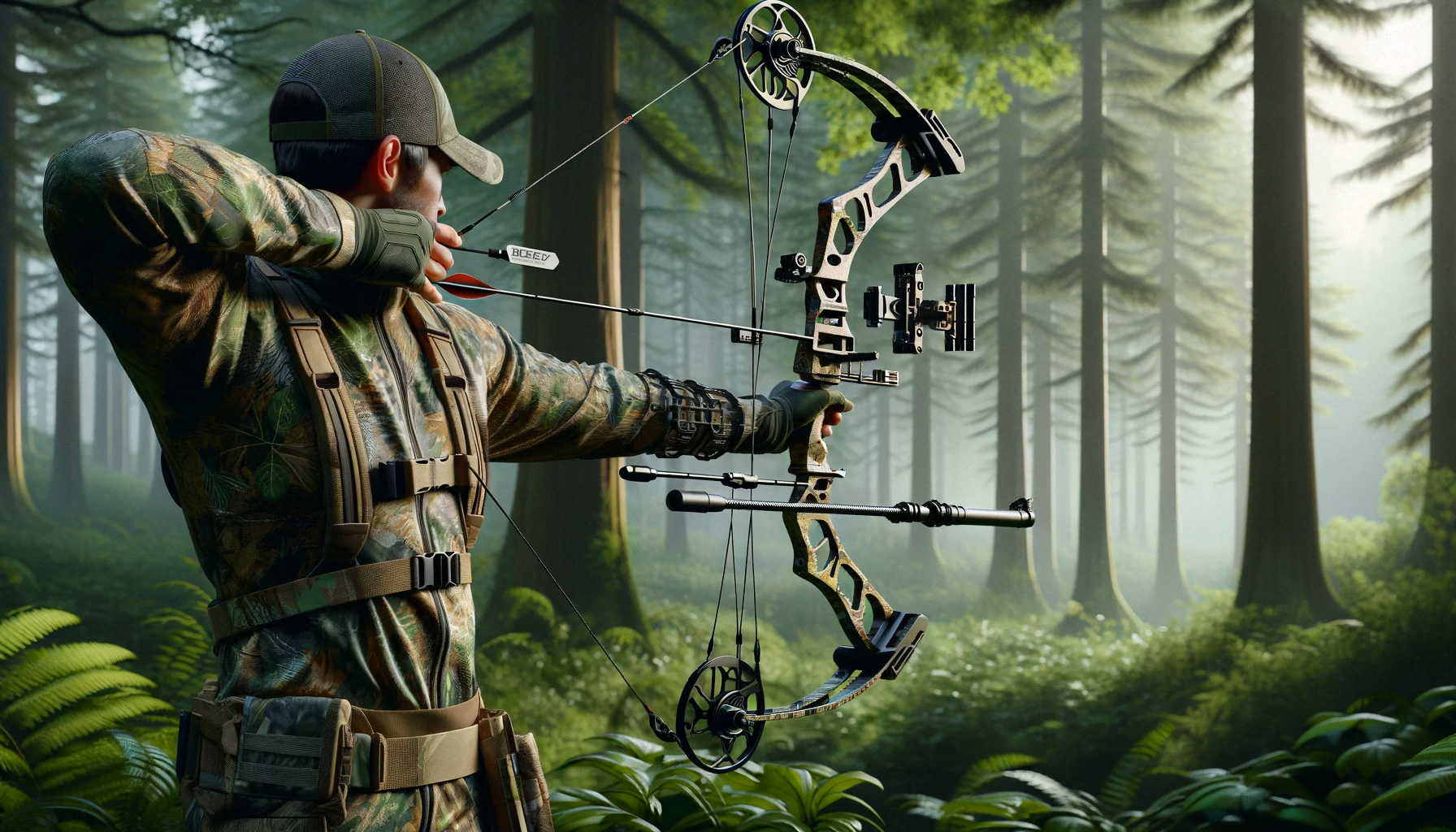
Fred Bear Archery is best understood as two connected stories: Fred Bear the bowhunter and Bear Archery the bow company that carried his name into modern archery. Fred Bear helped popularize bowhunting in the United States, and the brand remains familiar to hunters who grew up around recurves, longbows, and hunting bows.
This page is a source-backed overview, not a product review or buying guide. It avoids ranking current Bear Archery products because product recommendations need current specs, availability, and affiliate verification first.
Table of contents
Fred Bear Archery: Quick Answer
Fred Bear was an influential American bowhunter, bowyer, and founder associated with Bear Archery. His name is tied to traditional bowhunting culture, archery promotion, and the growth of hunting bows as accessible field tools. Modern buyers should separate the historical legacy from current product specs and choose bows based on fit, use case, and verified manufacturer information.
Support page, not a roundup
This article explains history, buying context, and safety checks. It does not compare current Bear models or add Amazon links because that would require a fresh product source pack.
Legacy does not replace fit
A bow with a famous name still has to fit the shooter. Draw length, draw weight, axle-to-axle length, brace height, grip, let-off, and intended game matter more than nostalgia.
Use official specs
For current models, use the official Bear Archery product pages, current manuals, and dealer setup guidance before buying or changing settings.
Who Was Fred Bear?
Fred Bear is remembered as one of bowhunting’s best-known public figures. He promoted archery through writing, films, public appearances, and the company that carried his name.
Basic historical facts
The Bear Archery Fred Bear page is the first place to check brand-provided history. For broader archery recognition, the Archery Hall of Fame and Museum is a useful reference point.
Why hunters still know the name
Bear’s influence comes from more than one bow model. He became a recognizable figure in bowhunting culture at a time when archery hunting was growing and more hunters were learning about recurves, longbows, and hunting equipment.
Use careful wording
Fred Bear should not be credited with every modern archery invention. Some claims about compound bows, specific design firsts, and conservation history need exact sourcing before they should be repeated.
Bear Archery Company Background
Bear Archery is the company most readers mean when they search for Fred Bear Archery. The company history includes traditional bows, hunting bows, ownership changes, and modern product lines.
Brand identity
Bear Archery’s current site at beararchery.com is the source to use for current model names, specs, manuals, warranties, and support information.
History versus current products
A vintage Bear recurve and a current Bear compound bow are very different buying decisions. Treat history as context, then evaluate current specs and condition separately.
Do not guess discontinued models
Many older Bear bows have collectors, parts questions, or setup limits. If a model is discontinued, check official manuals, serial details, archery shop advice, and condition before shooting it.
Bowhunting Influence
Fred Bear’s lasting influence is tied to bowhunting culture: practice, patience, close-range fieldcraft, and respect for the animal.
Close-range skill matters
Bowhunting generally requires closer range than many rifle hunts. That puts more weight on scouting, wind, shot angle, quiet movement, and a practiced setup.
Ethics are practical
Ethical bowhunting is not only a slogan. It means using legal equipment, practicing with broadheads where appropriate, knowing your range, and passing shots you cannot make cleanly.
Rules vary by state
Bow seasons, crossbow rules, broadhead requirements, minimum draw weight, tagging, and hunter-orange rules can vary by state. Check the current state wildlife regulations before hunting.
How to Think About Bear Bows Today
If you are considering a current Bear bow, think in terms of fit and intended use rather than brand history alone.
Compound bow checks
For compounds, verify draw length range, draw weight range, let-off, axle-to-axle length, brace height, cam system, mass weight, and whether the bow is sold bare or ready-to-hunt.
Traditional bow checks
For recurves and longbows, check bow length, draw weight at your draw length, shelf setup, string type, brace height guidance, and arrow spine recommendations.
Youth and beginner checks
Beginners need a bow they can draw safely and repeatably. A bow that is too heavy in draw weight can build bad habits and reduce practice time.
Used and Vintage Bear Bows
Used Bear bows can be interesting, but condition matters. A bow that looks good in photos may still have limb, string, cam, or riser problems.
Inspect before shooting
Check limbs, tips, string grooves, cams, cables, riser, screws, and any visible cracks or twists. If unsure, have a qualified archery shop inspect the bow before drawing it.
Be careful with old strings
Old strings and cables can fail. Do not shoot a used bow until the string condition and correct replacement options are verified.
Collector value is separate
A bow can have historical or collector interest without being the best hunting tool for your needs. Decide whether you want a shooter, a collectible, or both.
Safety, Fit, and Setup
Archery safety starts before the first arrow is shot. A good setup is quiet, repeatable, and matched to the archer.
Use a safe backstop
Arrows can miss, pass through targets, or glance off hard surfaces. Use a proper target and safe backstop when practicing.
Match arrows to the bow
Arrow spine, length, weight, and point setup should match the bow and the manufacturer guidance. Wrong arrows can hurt accuracy and safety.
Get setup help
A pro shop can help set draw length, peep height, rest timing, nock point, broadhead tuning, and safe draw weight. That help is often more valuable than buying a more expensive bow.
Claims to Check Carefully
Because Fred Bear and Bear Archery have a long history, online articles often repeat claims that need more precise sourcing.
Invention claims
Do not assume Fred Bear invented every important bow technology. If a claim says he invented a specific design, verify it with official company history, patents, or a recognized archery-history source.
Product claims
Speed, weight, draw range, accessories, warranty, and package contents can change by model year. Use the current product page or manual, not an old blog post.
Hunting claims
Claims about success, effective range, or “best” bows need real criteria. A bow that works well for one archer may not fit another.
How to Use This Page
Use the history sections to understand why the Fred Bear name matters, then use the buying and setup sections to make practical decisions. If you are shopping, open the current Bear Archery product page beside this guide and compare specs to your draw length, draw weight, budget, and hunting rules.
For history readers
Focus on the sourced background and avoid repeating claims that do not identify where they came from.
For bow buyers
Focus on fit, condition, official specs, and pro-shop setup. A historical name can make a bow interesting, but it does not confirm that the bow is safe or right for you.
For used-bow shoppers
Ask for photos of limbs, tips, cams, strings, labels, and serial details when available. If the seller cannot answer setup questions, budget for a shop inspection before shooting.
7 Facts and Checks to Verify
Use this checklist before relying on a Fred Bear Archery claim or buying a current, used, or vintage Bear bow.
- Is the claim from Bear Archery, a recognized archery-history source, or a current manual?
- Does the draw length fit the archer?
- Is the draw weight safe and repeatable?
- Are official specs or a manual available?
- Has a used bow been inspected for cracks, string wear, and cam issues?
- Do arrows, broadheads, and accessories match the setup?
- Have you checked current hunting rules for your state and season?
Related Guides
For more archery help, read our beginner hunter gear upgrade guide, archery classes for kids guide, and youth compound bow size chart.
FAQ
Was Fred Bear a real person?
Yes. Fred Bear was a bowhunter, bowyer, promoter, and company founder associated with Bear Archery and American bowhunting history.
Is Bear Archery still around?
Yes. Bear Archery still sells bows and archery products through its official website and dealer network. Check the current Bear Archery site for model-specific information.
Did Fred Bear invent the compound bow?
Do not assume that. Fred Bear is important in bowhunting history, but invention claims should be checked against patents, official company history, and recognized archery-history sources.
Are old Bear bows safe to shoot?
Some may be, but condition matters. Have a used or vintage bow inspected before drawing or shooting it, especially if the string, limbs, or cams are old.
Should beginners buy a Bear bow?
A Bear bow can be a good option if it fits the archer, budget, and intended use. Beginners should choose by fit, safe draw weight, setup support, and practice needs rather than brand history alone.