Deer Hunting for Beginners: Safety, Rules, Gear, and First Hunt Basics
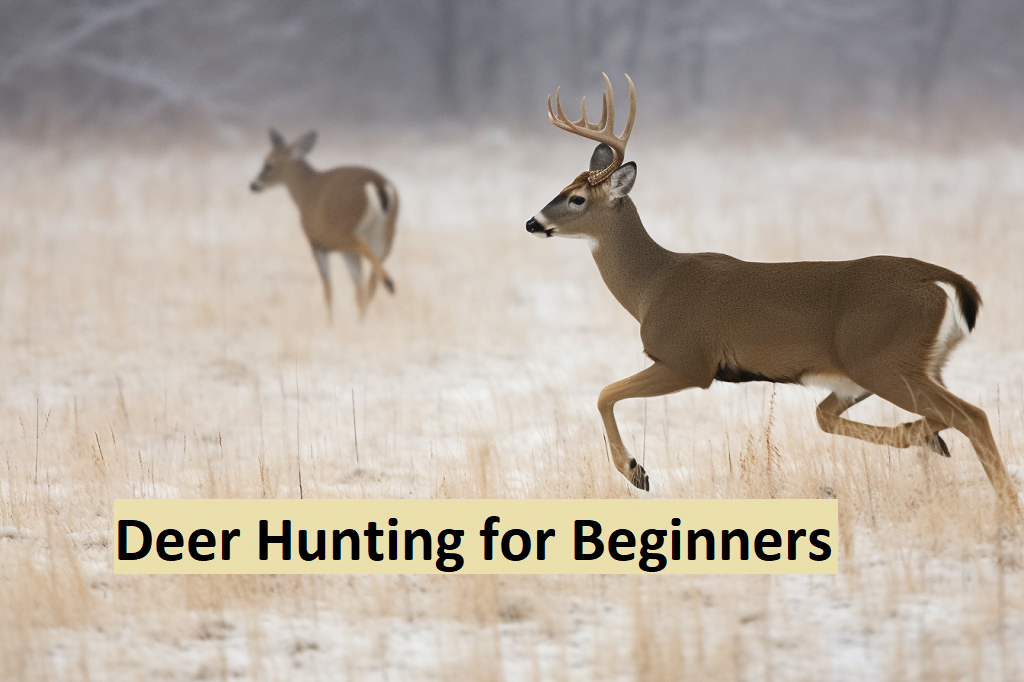
Deer hunting for beginners starts with hunter education, local regulations, safe firearm or bow handling, and realistic expectations. Gear matters, but safety, legal seasons, ethical shots, and knowing what to do after the shot matter more.
This guide gives new hunters a practical starting point. It does not replace a hunter education course, state wildlife rules, landowner permission, or hands-on mentoring from an experienced and responsible hunter.
Table of Contents
Start With Hunter Education and Regulations
Before buying gear or planning a hunt, complete the hunter education required where you live or hunt. Hunter education covers firearm safety, wildlife laws, ethics, safe zones of fire, survival basics, and responsible behavior in the field.
Hunter Ed’s firearms safety rules are a useful starting reference, and the U.S. Fish and Wildlife Service hunting information explains hunting’s role in wildlife management and public lands. Always check the current state wildlife agency rules for seasons, licenses, tags, weapon restrictions, blaze orange, antler rules, baiting, and reporting requirements.
If you use a firearm, the NSSF firearm safety rules should be automatic: muzzle control, finger off the trigger until ready, target identification, and awareness of what is beyond the target.
Learn Basic Deer Behavior
Beginners do not need to know every advanced pattern before the first season. Start with the basics: deer need food, water, cover, and safe travel routes. They often move more in low light, during weather changes, and around pressure shifts, but local patterns vary.
- Food: acorns, browse, crops, food plots, and natural edges can draw deer.
- Cover: bedding areas, thickets, brush, grass, and terrain breaks help deer feel secure.
- Travel: trails, funnels, saddles, creek crossings, field edges, and fence gaps can guide movement.
- Wind: deer rely heavily on scent, so wind direction matters when choosing a stand.
Find a Legal Place to Hunt
New hunters usually start on public land, private land with permission, leased land, or with a mentor. Each option has different rules. Public land may require permits, access maps, parking rules, and hunter-orange requirements. Private land requires clear permission and respect for property boundaries.
- Confirm the land is open to deer hunting for the date and weapon type.
- Know property lines before entering.
- Ask permission in writing when possible.
- Check local rules for tree stands, trail cameras, bait, vehicles, and tagging.
- Tell someone where you will be and when you expect to return.
Beginner Deer Hunting Gear
Keep the first setup simple. The goal is to hunt safely, stay legal, and stay comfortable enough to pay attention. Buy gear after you understand the local season and the way you will hunt.
- Legal hunting weapon: rifle, shotgun, muzzleloader, crossbow, or bow where allowed and properly practiced.
- License and tags: carried as required by your state.
- Blaze orange or required clothing: follow local visibility rules.
- Knife and field-dressing supplies: only if you know how to use them safely.
- Navigation: map, compass, GPS, or phone maps with battery backup.
- Weather gear: layers, rain protection, gloves, and safe boots.
- Hearing and eye protection: especially for range practice and some hunting setups.
- Light: headlamp or flashlight for legal travel in low light.
For a broader first-trip checklist, see our hunting gear checklist and adapt it to deer season rules where you hunt.
Scouting and Stand Setup
Scouting means looking for deer sign and safe places to hunt before opening day. Look for tracks, droppings, trails, rubs, scrapes, bedding cover, food sources, and terrain funnels. Do not walk through bedding areas right before a hunt unless you have a reason.
Choose a stand or blind location with a safe shooting direction, legal distance from roads or buildings, a good wind plan, and a clear entry and exit route. If using a tree stand, follow manufacturer instructions and use fall protection every time.
Safe and Ethical Shot Decisions
A beginner should only take a shot that is legal, clearly identified, within practiced range, and backed by a safe background. Never shoot at sound, movement, brush, or a partial shape. Confirm the animal, the legal status, the shot angle, and what is beyond it.
- Know your maximum practiced range before hunting.
- Wait for a clear shot angle.
- Do not rush because another hunter or deer is moving.
- Pass shots that feel uncertain.
- Keep your finger off the trigger until the decision to shoot is made.
For more on that last habit, read our guide to trigger discipline and firearm safety.
After the Shot
After a shot, stay calm. Watch where the deer goes, mark the last place you saw it, note landmarks, and follow your state’s rules and ethical tracking practices. Do not run into the area blindly. If you are unsure about the hit, wait and ask an experienced hunter or local authority for guidance when appropriate.
Field dressing, tagging, transport, reporting, and meat care are governed by local rules and practical food-safety concerns. Learn those steps before the hunt, not after a deer is down. The National Association of State Boating Law Administrators hosts a hunter education overview that points back to the importance of formal safety education.
FAQ
What should a beginner do before deer hunting?
Complete hunter education, read current state regulations, practice safely, get the right license and tags, and hunt with a responsible mentor if possible.
What is the easiest way to start deer hunting?
The easiest path is usually a mentored hunt on legal land with simple gear, clear rules, and a short sit in a safe location. Avoid overcomplicating the first season.
Do I need expensive gear to hunt deer?
No. Safety, legal access, practice, weather-appropriate clothing, and knowing the rules matter more than expensive gear.
How far should a beginner shoot at a deer?
Only within the range you have practiced safely and consistently with your legal hunting weapon. If you are unsure, do not shoot.
What is the biggest beginner deer hunting mistake?
The biggest mistake is rushing: rushing the setup, the shot, the tracking job, or the rule-checking. Slow down, stay safe, and follow the law.