Bows for Hunting: Types, Fit, and Safety Checks
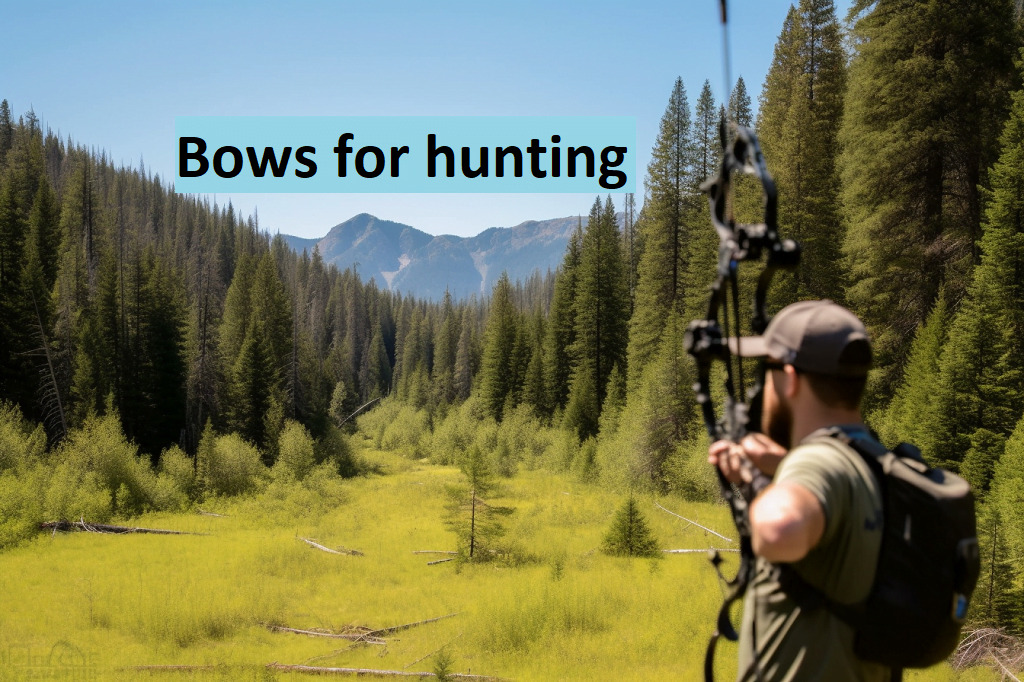
Bows for hunting should be chosen by fit, legal use, draw weight, range, and the type of hunting you plan to do. A bow that looks powerful on paper is not useful if you cannot draw it smoothly, hold it safely, tune it, and place arrows accurately at ethical hunting distances.
This guide explains the main hunting bow types and the practical checks that matter before buying or hunting. It is not a replacement for local regulations, coaching, or practice. Always check your state wildlife agency rules before hunting with archery equipment.
Table of Contents
- Types of Hunting Bows
- Compound bows
- Recurve bows
- Longbows
- Crossbows
- Fit and Draw Weight
- Quick Bow Comparison
- Legal and Safety Checks
- Common Mistakes
- FAQ
- What type of bow is best for hunting?
- How much draw weight do I need for hunting?
- Is a recurve bow good for beginners?
- Can I hunt with a crossbow during archery season?
- Should I buy a bow online or from a pro shop?
- How to Choose a Hunting Bow Safely
Types of Hunting Bows
Compound bows
Compound bows are the most common choice for many modern bowhunters. Their cam system gives let-off at full draw, which can make aiming and holding easier once the bow is drawn. They are efficient, adjustable in many models, and widely supported by pro shops.
The tradeoff is complexity. Cams, strings, cables, rests, sights, peeps, and releases all need setup and tuning. A compound bow should fit your draw length and be set to a draw weight you can control without straining.
Recurve bows
Recurve bows are simpler than compounds and are popular with traditional archers. They have fewer moving parts, but they require more strength and practice because there is no let-off at full draw.
For hunting, a recurve should be chosen carefully. The hunter needs enough legal draw weight, clean arrow flight, good broadhead tuning, and realistic range discipline.
Longbows
Longbows offer a traditional feel and a simple design. They can be quiet and rewarding, but they demand consistent form and close-range judgment. They are usually not the easiest starting point for hunters who have not built strong archery fundamentals.
Crossbows
Crossbows are regulated differently from vertical bows in many places. Some states allow them broadly, while others restrict them by season, age, disability permit, equipment type, or game species. Check current rules before assuming a crossbow is legal for a hunt.
Fit and Draw Weight
Fit matters more than maximum speed. A hunting bow should match your draw length, strength, anchor point, release style, and intended use. If you have to sky-draw, shake at full draw, or collapse your form, the bow is too much for you in the field.
bowhunter education resources such as Bowhunter-Ed are useful for safety, ethics, and equipment basics. The Archery Trade Association is also a helpful industry source for archery participation and equipment context.
Quick Bow Comparison
| Bow type | Best fit | Main watchout |
|---|---|---|
| Compound | Modern bowhunters who want efficiency and adjustability | Needs setup, tuning, and maintenance |
| Recurve | Traditional archers who practice often | No let-off; range discipline matters |
| Longbow | Traditional hunters who value simplicity | Requires strong form and close-range skill |
| Crossbow | Hunters where crossbow rules allow it | Legal rules vary widely by state and season |
Legal and Safety Checks
Archery hunting rules can cover season dates, draw weight, broadhead type, crossbow use, minimum hunter orange requirements, tag rules, and legal shooting hours. Those details can change, so check the current rules from your state wildlife agency before hunting.
- Confirm the bow type is legal for the species and season.
- Check minimum draw weight or equipment rules where they exist.
- Practice with the same arrows, broadheads, rest, sight, and release setup you plan to hunt with.
- Know your effective range and pass shots outside it.
- Inspect strings, cables, limbs, arrows, nocks, and broadheads before hunting.
For hunting safety and responsibility, general hunter education through Hunter-Ed is a useful starting point, especially for new hunters learning field decisions, identification, and ethical shot choices.
Common Mistakes
- Buying too much draw weight: a bow you cannot control is a poor hunting tool.
- Ignoring draw length: poor fit can hurt form, accuracy, and comfort.
- Practicing only with field points: broadheads should be checked and tuned before hunting.
- Assuming crossbow rules match bow rules: state rules may treat them differently.
- Skipping inspection: damaged arrows, nocks, strings, or limbs can be dangerous.
FAQ
What type of bow is best for hunting?
For many modern hunters, a compound bow is the easiest practical choice because it is efficient and widely supported. Traditional hunters may prefer recurve or longbow setups, while crossbows depend heavily on local rules.
How much draw weight do I need for hunting?
It depends on state rules, species, arrow setup, broadhead choice, and your ability to shoot accurately. Do not choose draw weight by ego; choose a legal weight you can draw smoothly and control.
Is a recurve bow good for beginners?
A recurve can be good for learning archery form, but hunting with one takes real practice and close-range discipline. Many beginners find compound bows easier for hunting once properly fitted.
Can I hunt with a crossbow during archery season?
Sometimes, but not everywhere. Crossbow rules vary by state, season, species, and hunter eligibility. Check current regulations before planning the hunt.
Should I buy a bow online or from a pro shop?
A pro shop can help with draw length, draw weight, tuning, arrows, and setup. Online buying may work for experienced archers, but beginners usually benefit from hands-on fitting and setup help.
How to Choose a Hunting Bow Safely
The best hunting bow is the one you can draw, hold, aim, and practice with consistently. Do not choose by speed or draw weight alone. Fit, legal requirements, arrow compatibility, and safe practice matter more than a single performance number.
- Confirm draw weight and draw length fit the shooter.
- Check local hunting rules for bow type and minimum requirements.
- Use arrows or bolts that match the specific bow setup.
- Practice from realistic field positions before hunting.
- Have a qualified bow tech inspect setup if you are unsure.
USA Archery has helpful archery resources, and Hunter-ed is useful for hunter-safety basics.