Outdoor Shooting Range Equipment for Beginners: Safety Gear, Targets, and Range Bag
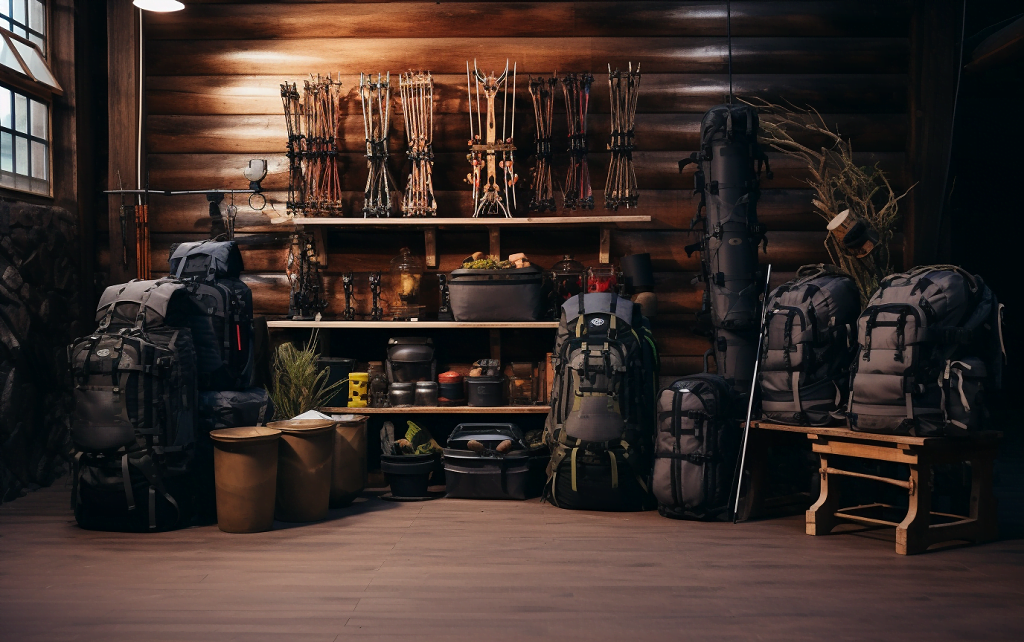
Outdoor shooting range equipment should help a beginner stay safe, organized, comfortable, and focused on learning. The essentials are eye protection, hearing protection, a safe firearm and ammunition setup, targets approved by the range, a range bag, basic tools, water, weather protection, and a clear understanding of the range rules.
You do not need to buy every accessory before your first range day. Start with safety gear and simple support items. Add specialized gear later when you know what type of shooting you actually enjoy and what your range allows.
Table of contents
Quick Answer
For an outdoor shooting range, beginners should bring eye protection, ear protection, the correct firearm and ammunition, magazines if needed, approved targets, tape or staples if allowed, a range bag, water, sunscreen or rain gear, a small first-aid kit, basic tools, and any range-required safety items such as chamber flags.
Before you go, read the range rules. Some outdoor ranges restrict steel targets, steel-core ammunition, rapid fire, drawing from a holster, target distance, shotguns, or certain calibers. Your gear list should match the range, not a random internet checklist.
Safety Gear
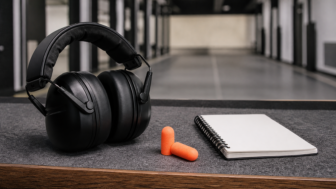
Safety gear comes first. Every shooter and observer should have eye and ear protection. Outdoor ranges may feel less loud than indoor ranges, but gunfire is still hazardous to hearing. Wind, dust, brass, target fragments, and debris make eye protection important too.
Eye Protection
Use impact-rated shooting glasses or safety glasses that fit securely. Clear lenses work well in low light. Tinted lenses can help in bright sun. If you wear prescription glasses, check whether they provide suitable impact protection or whether you need prescription safety glasses.
Hearing Protection
Bring ear plugs, earmuffs, or both. For loud firearms, covered firing lines, or crowded range days, doubling up with plugs under muffs can be smart. See our guide on what ear plugs are for and our indoor-range guide on doubling up ear protection.
Firearm, Ammunition, and Magazines
Bring a firearm you can handle safely and ammunition that matches it exactly. Check the caliber marking on the firearm and ammunition. If you are unsure, ask a qualified instructor, range officer, or gunsmith before loading anything.
Bring the Right Ammunition
Outdoor ranges often have ammunition rules. Some do not allow steel-core or armor-piercing ammunition because of fire risk or target damage. Some steel target areas require specific bullet types and distances. Check first.
Magazines, Cases, and Chamber Flags
Bring magazines if your firearm uses them, but keep loading procedures aligned with range rules. A case protects the firearm during transport. Chamber flags are required at some ranges and helpful for showing that a firearm is clear during ceasefires.
Targets and Target Supplies
Targets must be safe and range-approved. Paper targets are the easiest beginner choice. Some ranges provide target stands. Others require you to bring frames, cardboard, tape, staples, or clips. Do not assume steel, glass, cans, or improvised objects are allowed.
Choose Simple Targets
Beginner targets should make hits easy to see and scoring easy to understand. Large paper targets, bullseye targets, and grid targets are useful. Reactive targets can be fun, but only use them if the range permits them.
Bring Repair Supplies
Pack tape, pasters, staples, or clips only if allowed. A marker can help label groups and track adjustments. If you are zeroing an optic, keep notes so you know what changed.
Range Bag Basics
A good range bag keeps safety gear, ammunition, tools, targets, and paperwork organized. Beginners do not need a huge bag. They need one that makes important items easy to find without digging around at the firing line.
Core Bag Items
Pack eye and ear protection, ammunition, magazines, target supplies, chamber flags, a small cleaning cloth, multitool or firearm-specific tool, notebook, pen, ID, range membership card, and any permits or paperwork required by your location. Our essential range gear checklist gives a broader range-day list.
Keep Ammo Organized
Separate calibers clearly. Mixing ammunition can be dangerous. Keep boxes labeled and avoid loose rounds rolling around with tools or debris. If you bring multiple firearms, double-check ammunition before each loading step.
Support Gear and Tools
Support gear can make practice easier, but it should not distract from safety. Start with basics: a stable rest if allowed, a spotting optic if useful, a small tool kit, and cleaning supplies for minor issues.
Rests, Mats, and Benches
Some outdoor ranges have benches. Others require shooting from prone, kneeling, sitting, or standing positions. A shooting mat can help on dirt or gravel. If you are learning positions, our rifle shooting positions guide explains the basics.
Basic Tools
A small screwdriver set, hex keys, torque tool if needed, lens cloth, and cleaning rod or pull-through kit can solve minor problems. Do not attempt major repairs at the firing line. If a firearm behaves unpredictably, stop and ask qualified help.
Outdoor Comfort and Weather Gear
Outdoor ranges expose you to sun, wind, rain, heat, cold, dust, and insects. Comfort gear helps you stay focused and safe. Bring water, sunscreen, a brimmed hat, weather layers, gloves if needed, and a small towel or cloth.
Heat and Sun
Heat can make shooters tired and careless. Bring water, take breaks, and use shade when available. Sunscreen and a hat matter on open firing lines. Avoid dehydration, especially when handling firearms.
Cold, Rain, and Wind
Cold fingers affect safe handling. Rain can damage gear and make surfaces slippery. Wind can move targets and affect shots. Dress for conditions and bring simple weather protection for gear and ammunition.
Range Rules and Etiquette
Equipment is only part of a safe range day. You also need correct behavior. Follow commands, keep firearms pointed downrange, keep your finger off the trigger until ready to shoot, and never handle firearms while people are downrange during a ceasefire. The NSSF firearm safety rules are a good refresher before any range trip.
Listen to the Range Officer
If the range has a range officer, their commands control the line. If you do not understand a command, ask. Do not guess. Calm questions are much better than unsafe assumptions.
Respect Other Shooters
Keep your gear in your lane, control brass when practical, avoid distracting people who are shooting, and clean up before leaving. For the full behavior side, read our shooting range etiquette guide.
What Not to Bring
Do not bring prohibited ammunition, unsafe targets, alcohol, damaged firearms, unlabeled loose ammunition, or gear you do not know how to use safely. Do not bring friends who will ignore safety rules. The range is not the place for guessing.
Avoid Overpacking
Too much gear can make a beginner disorganized. Start with safety gear, legal firearm and ammunition, simple targets, and basic comfort items. Add specialty gear as your training goals become clearer.
Leave Unsafe Targets at Home
Glass, rocks, scrap metal, appliances, and random junk are unsafe and usually prohibited. They can create ricochets, sharp debris, and cleanup problems. Use targets designed and approved for the range.
FAQ
What equipment does a beginner need for an outdoor shooting range?
A beginner needs eye protection, ear protection, the correct firearm and ammunition, approved targets, target supplies, a range bag, water, basic tools, and any items required by the range, such as chamber flags.
Do I need both ear plugs and earmuffs outdoors?
Not always, but it can be a good idea around loud firearms, covered firing lines, or long sessions. At minimum, every shooter should wear appropriate hearing protection that fits correctly.
Can I bring my own targets to an outdoor range?
Usually yes, but only if the targets meet range rules. Many ranges allow paper targets and prohibit unsafe objects, unapproved steel, glass, or items that create debris.
What should I avoid on my first range trip?
Avoid rushing, bringing unfamiliar gear, mixing ammunition, ignoring commands, handling firearms during ceasefire, and trying advanced drills before you understand basic safety procedures.
Should I take a class before going to the range?
A class is a good idea if you are new to firearms. A qualified instructor can teach safe handling, loading, unloading, stance, sight alignment, trigger control, and range commands in a controlled way.
Final Thoughts
Outdoor shooting range equipment should make your range day safer and easier, not more complicated. Start with eye and ear protection, correct ammunition, approved targets, a simple range bag, and respect for range rules. Once the basics feel natural, you can add more specialized gear with a clear purpose.