Best Bow Release Aids: How to Choose the Right Style
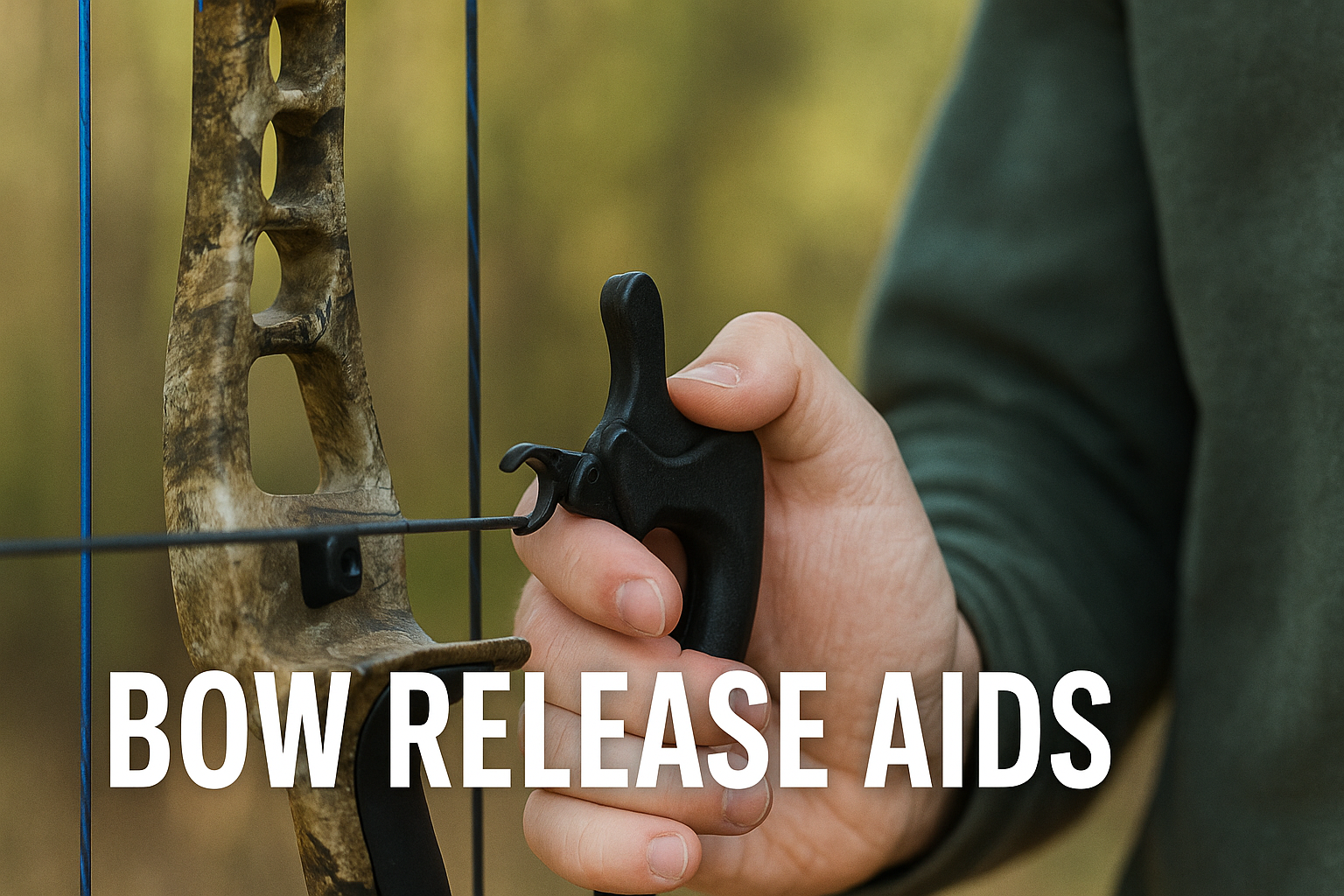
The best bow release aid is the one that matches your anchor, your compound bow setup, and how you actually hunt or shoot. Wrist-strap index releases stay attached and are simple to learn, handheld thumb releases offer a different hand position and feel, and hinge or back-tension releases can sharpen shot execution once you have practiced with them under supervision.
This guide covers real release aids across the three main trigger styles: index-finger wrist-strap releases, handheld caliper or thumb-button releases, and hinge or back-tension releases. Every product below links to its own Amazon listing so you can check current availability and options before you buy.
Table of Contents
- Quick Picks Table
- How We Chose
- 1. TruFire Edge Buckle Foldback
- 2. Scott Archery Quick Shot Release
- 3. Scott Archery Ghost Release
- 4. TruFire Edge 4-Finger Hand Held
- 5. TruFire Sear Hand-Held Hinge Release
- 6. Carter Enterprises Rx1 Release
- Buying Guide: Release Styles Explained
- Safety Notes
- FAQ
- Final Recommendation
Quick Picks Table
Start with release style, not brand name. A release that feels natural at full draw and lets you make repeatable shots will always beat one you bought only because it looked advanced.
| Release | Style | Best For | Check Price |
|---|---|---|---|
| TruFire Edge Buckle Foldback | Wrist-strap, index-finger | Beginner bowhunters who want a simple foldback strap | Check Price |
| Scott Archery Quick Shot Release | Wrist-strap, single caliper | Budget-focused archers who want a crisp, light trigger | Check Price |
| Scott Archery Ghost Release | Wrist-strap, magnetic auto-return | Hunters who want reduced torque and a quiet reset | Check Price |
| TruFire Edge 4-Finger Hand Held | Handheld, thumb-button caliper | Archers who prefer a handheld grip with a thumb trigger | Check Price |
| TruFire Sear Hand-Held Hinge Release | Handheld, hinge/back-tension | Experienced archers training shot execution and follow-through | Check Price |
| Carter Enterprises Rx1 Release | Wrist-strap, tournament hinge/thumb | Archers who want a tournament-grade wrist release | Check Price |
How We Chose
We grouped release aids by trigger style first, because style affects fit and safety more than brand does. Within each style, we looked at build material, adjustability (trigger travel, length, and tension), jaw or sear type, strap or grip comfort, and how the release is meant to be used in the field versus on a target line.
We also checked published specs and listing details directly on each product’s Amazon page rather than relying on old marketing copy, so the details below reflect what the manufacturer currently states about materials, adjustability, and intended use. Availability, colorways, and options can change, so always confirm current details on the linked product page before buying.
1. TruFire Edge Buckle Foldback
Best for: beginner and intermediate bowhunters who want a simple, dependable index-finger wrist release with a foldback strap.
Key specs (from the Amazon listing): leather foldback buckle strap, over 1 inch of length adjustment, adjustable trigger travel, compact caliper-style jaw head, fits both left and right hand, assembled in the USA.
Pros
- Foldback buckle strap lets you secure the release with one hand and keep it out of the way while climbing or glassing.
- Length adjustment and trigger travel adjustment make it easy to fit different hand sizes.
- Compact jaw head keeps the release low-profile on the wrist.
Cons
- Basic caliper jaw design offers fewer adjustment points than higher-end wrist releases.
- Some buyers report the leather strap needs a break-in period before it feels fully comfortable.
Skip this if: you want a magnetic or auto-return trigger, or you shoot handheld releases and do not want a wrist strap at all.
2. Scott Archery Quick Shot Release
Best for: budget-focused archers and target shooters who want a light, crisp single-caliper trigger without paying for a premium wrist release.
Key specs (from the Amazon listing): aluminum, cotton, leather, and neoprene construction, single caliper jaw, rope-style connector with length adjustment, one size fits most.
Pros
- Trigger is consistently described as light and crisp, which many target archers prefer for repeatable feel.
- Rope-style connector allows a custom length setup once you find your preferred hand position.
- Strong review history for the price point, including long-term use with no D-loop wear reported.
Cons
- The light trigger that target shooters like can feel too sensitive for some hunters who want a firmer break.
- Rope connector setup takes a bit more trial and error than a fixed metal rod to find the right length.
Skip this if: you hunt in conditions where a very light trigger feels risky with gloves or cold hands, or you prefer a solid connector rod instead of a rope.
3. Scott Archery Ghost Release
Best for: hunters who want a low-torque wrist release with a magnetic auto-return trigger and a quiet, repeatable reset.
Key specs (from the Amazon listing): leather and neoprene strap, stainless steel roller sear hook, magnetic auto-trigger return, cam-lock foldback strap connector, five-hole length adjustment, about 4.8 ounces.
Pros
- True-center pulling design is built to reduce loop torque compared with off-center wrist releases.
- Magnetic auto-return trigger resets on its own, which many hunters find faster and quieter at the shot.
- Five-hole length adjustment gives a wide range of fit without needing tools in the field.
Cons
- Costs more than basic caliper wrist releases in this guide.
- Contains small magnets, so the listing carries a choking hazard warning if the release is left where young children can reach it.
Skip this if: you want the lowest-cost wrist release available or you prefer a traditional caliper jaw without a magnetic mechanism.
4. TruFire Edge 4-Finger Hand Held
Best for: archers who prefer a handheld grip over a wrist strap and want a thumb-button trigger with full rotation.
Key specs (from the Amazon listing): CNC-machined solid aluminum handle and head, 360-degree rotation for torque-free shooting, adjustable trigger travel, adjustable thumb button for left or right hand, assembled in the USA.
Pros
- Full 360-degree rotation is designed to reduce torque transferred into the string.
- Solid aluminum construction feels durable and holds up to repeated use.
- Thumb button position adjusts for either hand, which helps with fit.
Cons
- Handheld design means it can be dropped if your grip loosens, so hunters often add a tether or lanyard.
- Heavier in the hand than a lightweight wrist-strap release.
Skip this if: you hunt from a tree stand and want a release that stays attached to your body even if you let go.
5. TruFire Sear Hand-Held Hinge Release
Best for: experienced archers who want a handheld hinge or back-tension release to train shot execution and follow-through.
Key specs (from the Amazon listing): fully machined components, heavy brass handle, adjustable hot and cold sear setting, four-sided sear with variable click options, adjustable fourth-finger positioning.
Pros
- Adjustable sear settings let experienced archers fine-tune how much rotation is needed before the shot fires.
- Heavy brass handle adds stability and a consistent feel through the shot.
- Four-sided sear gives multiple click and travel options for different training goals.
Cons
- Not designed for beginners. A hinge release can fire unexpectedly if you have not practiced with one under controlled conditions.
- Heavier and more specialized than a standard caliper or index-finger release.
Skip this if: you are new to releases in general, or you plan to hunt with it before you have logged supervised blank-bale practice.
6. Carter Enterprises Rx1 Release
Best for: archers who want a tournament-grade wrist-strap release built by a maker known for competition-focused hinge and thumb releases.
Key specs (from the Amazon listing): Rx1 release head paired with a buckle wrist strap, built for hunting and target use, black finish.
Pros
- Built by a manufacturer with a long track record in competition-grade release aids.
- Buckle wrist strap keeps the release attached to your hand between shots.
- Strong customer ratings among archers who have used Carter releases for target and field work.
Cons
- Priced closer to competition-grade releases than to entry-level wrist releases.
- Sear-style trigger feel takes some adjustment if you are used to a simple caliper release.
Skip this if: you want a simple beginner-friendly caliper release or you are not ready to spend tournament-level money on a wrist release.
Buying Guide: Release Styles Explained
Every release aid clips or hooks to the D-loop on your bowstring, then lets the string go through a trigger, thumb button, or rotation-based sear. The mechanism matters less than whether the style fits your hand, your discipline, and how much practice time you are willing to put in.
Index-Finger Trigger vs Thumb and Back-Tension Trigger
An index-finger release fires when you press a trigger bar with your index finger, usually while the release is strapped to your wrist. It is the most common starting point for bowhunters because the motion is familiar and the release stays attached to your hand.
A thumb release fires from a button pressed by your thumb, and a back-tension or hinge release fires from continued draw rotation instead of a discrete trigger press. Both can improve shot execution once you have practiced with them, but a hinge release in particular should be learned at close range with a coach or experienced shooter before it goes into the field.
Wrist-Strap vs Handheld Releases
Wrist-strap releases stay buckled to your wrist between shots, which is why many bowhunters prefer them for tree stands, ground blinds, and cold-weather hunts. If your grip slips, the release does not fall to the ground.
Handheld releases are not attached to your body unless you add a lanyard or tether. Many target archers and some hunters prefer the feel of a handheld grip, but it is worth planning for retention, especially in a tree stand or on uneven terrain.
Caliper Jaws vs Hook Jaws
A caliper release closes two jaws around the D-loop and opens them when the trigger or sear fires. Caliper heads are common on wrist-strap index releases and are generally straightforward to load and unload.
A hook, or single-jaw, release catches the D-loop on one hook instead of clamping it between two jaws. Hook-style releases show up on some hinge and back-tension models and can feel different to load, so it is worth handling one in person or reading the listing details closely before you buy.
Fit, Anchor, and Trigger Reach
Release fit affects your entire shot. If the trigger sits too far forward, you may stretch your finger and pull the bow off line. If the release is too short, your hand position can feel cramped at anchor. For wrist releases, check strap comfort, buckle repeatability, and trigger reach. For handheld releases, check finger or thumb grooves, jaw or sear style, and whether it feels secure with gloves.
Any release change can shift your anchor point and peep alignment. After switching release styles, re-check your setup at close range before moving back to hunting or competition distance. The Bowhunter Ed safety resources are a solid place to reinforce safe bow handling habits whenever you change equipment.
Safety Notes
A release aid connects your hand directly to a drawn bow, so a few checks before every session matter more than which brand you chose. Before drawing with any release, inspect the D-loop, serving, jaws or sear, trigger, and adjustment screws. Do not draw if the release does not close securely or if the D-loop shows wear.
Follow the manufacturer’s instructions for trigger tension and sear travel. A very light or hair-trigger setting can feel great on a bench but become risky in the field with gloves, cold hands, or elevated adrenaline. If you are trying a hinge or back-tension release for the first time, start with a controlled blank-bale setup and low tension so you understand how much rotation or draw is needed before it fires.
- Never draw at anything you are not willing to shoot.
- Keep your finger or thumb off the trigger until you are anchored and ready to fire.
- Check the D-loop for fraying or wear before every session, and replace it if it looks worn.
- Practice a new release style at close range before using it from a tree stand or elevated position.
- Use a bow press or a qualified shop for any setup work outside your comfort level.
- Store hinge and back-tension releases so the sear cannot fire accidentally while the bow is not in use.
FAQ
Q: What is the difference between an index-finger release and a thumb release?
A: An index-finger release is usually worn on the wrist and fires when you pull a trigger bar with your index finger. A thumb release is typically handheld and fires when your thumb presses a button. Both can be accurate once you learn to press or squeeze through the shot instead of punching the trigger.
Q: Is a wrist-strap release safer for hunting than a handheld release?
A: A wrist-strap release stays attached to your wrist even if you let go, which many bowhunters prefer for tree stands and cold weather. A handheld release can be dropped if your grip loosens, so hunters who choose a handheld model often add a lanyard or tether for field use.
Q: What is a back-tension or hinge release, and is it good for beginners?
A: A back-tension or hinge release fires from rotation and continued draw tension rather than a trigger press. It can help experienced archers refine shot execution and reduce target panic, but it is not usually a first release because it needs supervised practice and a controlled setup.
Q: What is the difference between a caliper jaw and a hook jaw on a release?
A: A caliper release closes two jaws around the D-loop and opens when the trigger or sear fires. A hook or single-jaw release catches the D-loop on one hook and releases when the mechanism trips. Caliper releases are common on wrist-strap models, while hook-style jaws show up on some hinge and back-tension releases.
Q: How do I know if a release fits my hand correctly?
A: The trigger or thumb button should sit naturally under your finger at full draw without stretching or cramping your hand. If you have to reach forward for the trigger or curl your hand awkwardly to reach it, adjust the length setting or try a different head style before you commit to a purchase.
Q: Do I need to resight my bow after switching to a new release?
A: Yes. A different release can change your anchor point, peep alignment, and follow-through, all of which affect where your arrow hits. Confirm your sight marks and group size at short range before returning to hunting or competition distance.
Final Recommendation
If you are choosing your first bow release, start with an index-finger wrist-strap release like the TruFire Edge Buckle Foldback or the Scott Archery Quick Shot Release: both stay attached to your hand and are simple to learn. If you already have wrist-release experience and want less torque and a quieter reset, the Scott Archery Ghost Release is worth the step up. Archers who prefer a handheld grip should look at the TruFire Edge 4-Finger for a caliper thumb trigger, while the TruFire Sear and the Carter Enterprises Rx1 are built for archers who are ready to train back-tension and hinge-style shot execution under proper supervision.
Whichever style you pick, fit and safe practice matter more than brand. Confirm the release matches your hand and anchor, inspect your D-loop and jaws before every session, and practice enough to trust the tool before it has to work for you in the field.