5 Best Hunting Gloves
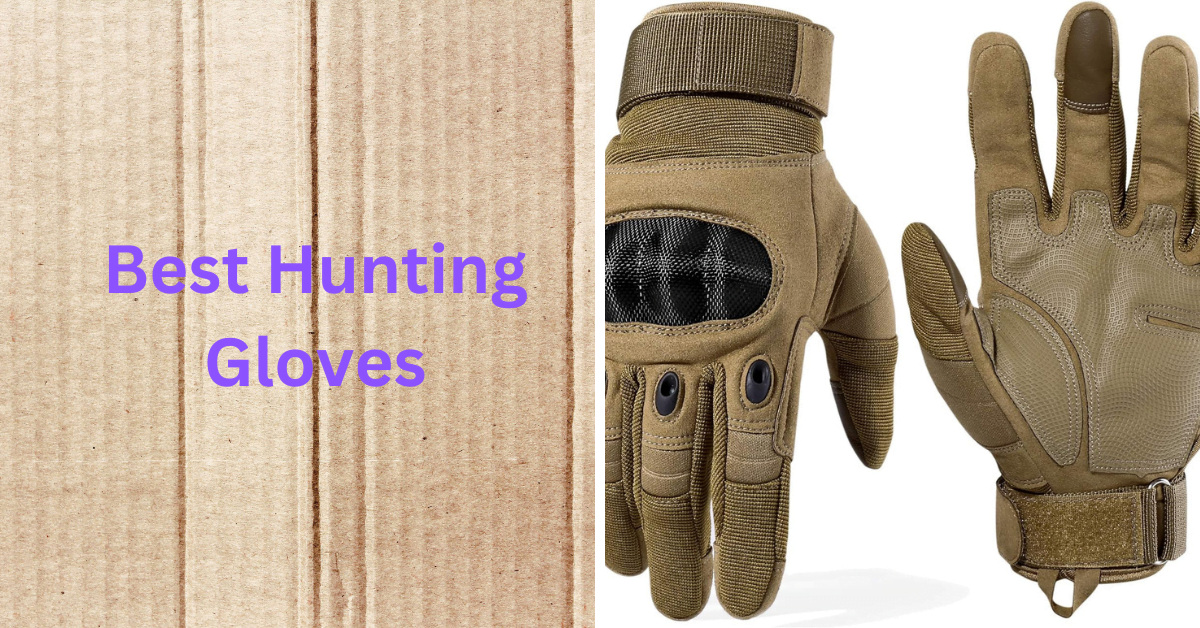
The best hunting gloves keep your hands warm enough to stay focused, quiet enough for close-range movement, and flexible enough to work a release, safety, zipper, phone, GPS, or rangefinder. For most hunters, the right glove is not the thickest option. It is the pair that matches your weather, weapon, and hand-control needs.
This updated list uses one verified glove lineup from First Lite, a hunting-apparel brand with in-stock, Amazon-fulfilled listings, so every product below leads to a real, checkable page rather than a discontinued or unavailable link. The five gloves cover the roles hunters actually need: a lightweight early-season liner, a half-finger dexterity glove, a durable all-around field glove, a full-finger cold-weather glove, and a waterproof flip mitt for the coldest sits.
Cold-weather safety is part of the buying decision, not just comfort. The National Weather Service notes that exposed skin and wind can increase cold-stress risk, so hand protection should match the conditions, not just the camo pattern. See the NWS cold weather safety guidance for general cold-exposure awareness.
Affiliate disclosure: As an Amazon Associate, TheShootingGears.com earns from qualifying purchases.
Table of Contents
Quick Picks Table
| Product | Best for | Material | Check price |
|---|---|---|---|
| First Lite Aerowool Touch Liner Glove | Early season and layering under a heavier glove | Merino wool blend, 150g/m² | Amazon |
| First Lite Rugged Wool Half Finger Glove | Dexterity for trigger, release, or bow grip | 410gsm merino double-knit | Amazon |
| First Lite Trace Glove | Durable all-around field and gear-handling use | KineticGrid knit with DWR finish | Amazon |
| First Lite Rugged Wool Fleece Glove | Full-finger warmth for cold morning setups | 410gsm merino double-knit | Amazon |
| First Lite Trigger Flip Mitt | Coldest, wettest tree stand and waterfowl sits | Waterproof windproof 2-layer fleece, 37.5 insulation | Amazon |
How We Chose
We did not run a hands-on cold-weather field test for this update. We built this list from manufacturer product pages and current, in-stock Amazon listings, and we replaced an earlier stub lineup after confirming that First Lite gloves are actually sold on Amazon with real ASINs, live pricing, and verified stock status rather than being a direct-to-consumer-only brand. Every product below was checked on its live Amazon listing for title match, spec match, and buyability before being added. We picked five roles hunters actually need instead of five nearly identical gloves: a lightweight liner, a half-finger dexterity glove, a durable all-around glove, a full-finger cold-weather glove, and a waterproof flip mitt.
Best Hunting Gloves Reviews
The gloves below are grouped by the role they fill best. Read the role first, then match it to your hunt style and the weather you expect. Many hunters end up owning two pairs: a lightweight liner or dexterity glove for movement, and a warmer glove or mitt for a cold stand sit.
1. First Lite Aerowool Touch Liner Glove
Best for: early-season hunts and layering under a heavier glove when you need dexterity more than bulk warmth.
Key specs (from First Lite): Aerowool merino wool blend fabric at 150 g/m², 37.5 by Cocona lining for moisture-wicking, touchscreen-compatible thumb and index finger, about 0.9 oz per glove, sizes Small through X-Large.
Pros
- Extremely lightweight and packable, so it is easy to carry a spare pair.
- Touchscreen-compatible fingertips work with a phone, GPS, or rangefinder without removing the glove.
- Wicks moisture and dries quickly, and it layers well under a heavier glove once temperatures drop.
Cons
- Minimal standalone insulation, so it is not built for a cold, motionless stand sit on its own.
- Some reviewers note a looser fit that can slip on the hand during active movement.
Skip this if: you need one glove to handle deep-cold stationary sits without adding a liner underneath or a mitt over top.
2. First Lite Rugged Wool Half Finger Glove
Best for: hunters who want warmth without losing bare-fingertip feel on a trigger, release, or bow grip.
Key specs (from First Lite): 410gsm heavyweight merino double-knit (85% merino wool, 12% core-spun nylon, 3% spandex), silicone grip palm print, half-finger design, hand-wash only, sizes Small through X-Large.
Pros
- Silicone palm print locks onto a rifle stock or bow grip in cold or wet conditions.
- Exposed fingertips keep full tactile control for a trigger, release, or call.
- Merino wool resists odor buildup better than synthetic gloves across a multi-day hunt.
Cons
- Exposed fingertips get cold faster than a full-finger glove in freezing wind.
- Not a windproof or waterproof design, so pair it with a shell in wet weather.
Skip this if: your fingers get cold quickly and you need full coverage rather than a half-finger cut.
3. First Lite Trace Glove
Best for: hunters who need one durable, all-around glove for stand setup, pack handling, and general field work.
Key specs (from First Lite): tight-knit KineticGrid fabric built to resist punctures, a DWR (durable water repellent) finish for light moisture, a durable palm material for gear handling, sizes Small through X-Large.
Pros
- Puncture-resistant knit holds up to brush, straps, and gear handling better than a thin glove.
- DWR finish sheds light dew and moisture during an early-morning walk-in.
- Durable palm material keeps grip and shooting dexterity through repeated use.
Cons
- Not an insulated cold-weather glove on its own.
- Limited warmth compared with the fleece or wool options in this lineup.
Skip this if: you need serious cold-weather insulation rather than a durable all-around work glove.
4. First Lite Rugged Wool Fleece Glove
Best for: cold morning setups and long sits where you want full-finger warmth without giving up grip or device access.
Key specs (from First Lite): 410gsm merino double-knit (85% merino wool, 12% core-spun nylon, 3% spandex), full-finger coverage, silicone grip palm, touchscreen-compatible thumb and index fingertips, hand-wash only, sizes Small through X-Large.
Pros
- Full-finger merino wool traps more heat than the half-finger version above.
- Touchscreen-compatible fingertips work with a phone, GPS, or rangefinder in the cold.
- Silicone grip palm holds a stock or bow grip even when hands are cold.
Cons
- Not a waterproof glove, so wet snow or rain will eventually soak through.
- A few reviewers found it less warm than expected well below freezing.
Skip this if: you hunt in wet snow or rain and need a waterproof shell over insulation.
5. First Lite Trigger Flip Mitt
Best for: the coldest, wettest tree stand and waterfowl sits where you need maximum warmth but still want quick finger access.
Key specs (from First Lite): waterproof and windproof 2-layer fleece membrane, 37.5 synthetic insulation rated at 60g, a magnet-secured flip mitt that opens for trigger or bow-release access, a suede nose-wipe panel, about 4 oz per mitt, sizes Small through X-Large.
Pros
- Waterproof and windproof shell blocks wind and precipitation better than any other glove in this lineup.
- The flip-open mitt stays open on its own magnet, so you are not fumbling for a shot.
- 37.5 synthetic insulation keeps working even if it gets damp.
Cons
- The bulkiest option here, so it is not built for active hiking.
- The most expensive pick in this lineup, and some reviewers found the stock insulation thinner than expected in extreme cold.
Skip this if: you move around often or need constant fingertip precision rather than an occasional flip-open mitt.
Hunting Gloves Buying Guide
Start with the hunt style. A bowhunter in early October usually needs a different glove than a late-season rifle hunter sitting still in wind. Lightweight gloves and liners are better for dexterity and mild weather. A flip mitt is better for maximum warmth. Durable, tightly knit gloves are better for gear handling, setup, and rough use.
Insulation and Warmth Ratings
Manufacturer specs usually list either a wool weight in gsm (grams per square meter) or a synthetic insulation weight in grams. Treat both as comparison numbers, not guaranteed temperatures. A 410gsm merino double-knit glove and a 60g synthetic-insulated mitt will feel different in the field depending on wind, moisture, and how still you sit.
Dexterity vs Warmth Tradeoff
A half-finger glove gives you the most direct feel on a trigger, release, or call, but exposed fingertips lose heat fastest. A full-finger glove balances warmth and control. A flip mitt gives the most warmth at rest and still opens for a shot, but it is bulkier and slower for constant fine motor work like tying knots or working small zippers.
Waterproofing and Weather Resistance
A DWR (durable water repellent) finish sheds light dew and moisture but is not the same as a waterproof, sealed-seam shell. If you hunt wet brush, snow, or rain, a dedicated waterproof and windproof glove or mitt will keep your hands drier longer than a DWR-finished knit glove.
Sizing and Fit
Hunting gloves should fit snug enough for control but not so tight that they restrict circulation or cut off blood flow to your fingertips. Check the brand’s size chart before buying, since fit language like true to size can vary between a liner, a half-finger glove, and a flip mitt from the same brand. If the fingers bunch at the tip, it can slow down a release, safety, zipper, or phone screen when you need it most.
Frequently Asked Questions
Q: What type of glove is best for deer hunting?
A: For early season, a lightweight liner like the First Lite Aerowool Touch Liner Glove is often enough. For cold stand sits, a full-finger fleece glove or a flip mitt is usually warmer. For setup and gear handling, a durable knit glove like the First Lite Trace Glove holds up better.
Q: Are mittens better than gloves for hunting?
A: Mittens are usually warmer because fingers share heat, but gloves give better dexterity. A flip mitt like the First Lite Trigger Flip Mitt is a useful compromise, since it opens for a shot and closes again for warmth between shots.
Q: Should hunting gloves be waterproof?
A: Waterproof and windproof construction helps in wet brush, snow, and rain, but it can feel bulkier than a DWR-finished knit glove. Match the glove to your weather, and bring a dry backup pair if conditions are questionable.
Q: Can I shoot a bow or rifle with thick gloves?
A: Test this before hunting with an unloaded firearm or your bow at home. Thick gloves and mitts can change grip feel, release access, trigger reach, and anchor consistency. Many hunters prefer a half-finger glove or a flip mitt for the moment of the shot.
Q: How should hunting gloves fit?
A: They should be snug enough for control but not so tight that they restrict circulation. Fingertips should not have excessive loose material, especially if you need precise gear control on a release, safety, or zipper.
Final Recommendation
If you want one general-purpose pair, the First Lite Trace Glove is the most flexible starting point for setup, pack handling, and gear work. Choose the First Lite Aerowool Touch Liner Glove for early-season mild weather or as a layering piece, the First Lite Rugged Wool Half Finger Glove when trigger or release feel matters more than full-finger coverage, the First Lite Rugged Wool Fleece Glove for cold morning sits where you still want touchscreen access, and the First Lite Trigger Flip Mitt for the coldest, wettest stand and waterfowl sits. Whichever pair you choose, confirm sizing on the current listing before your hunt.