Perfect Hunting Kit: What to Pack for a Safer, Better Trip
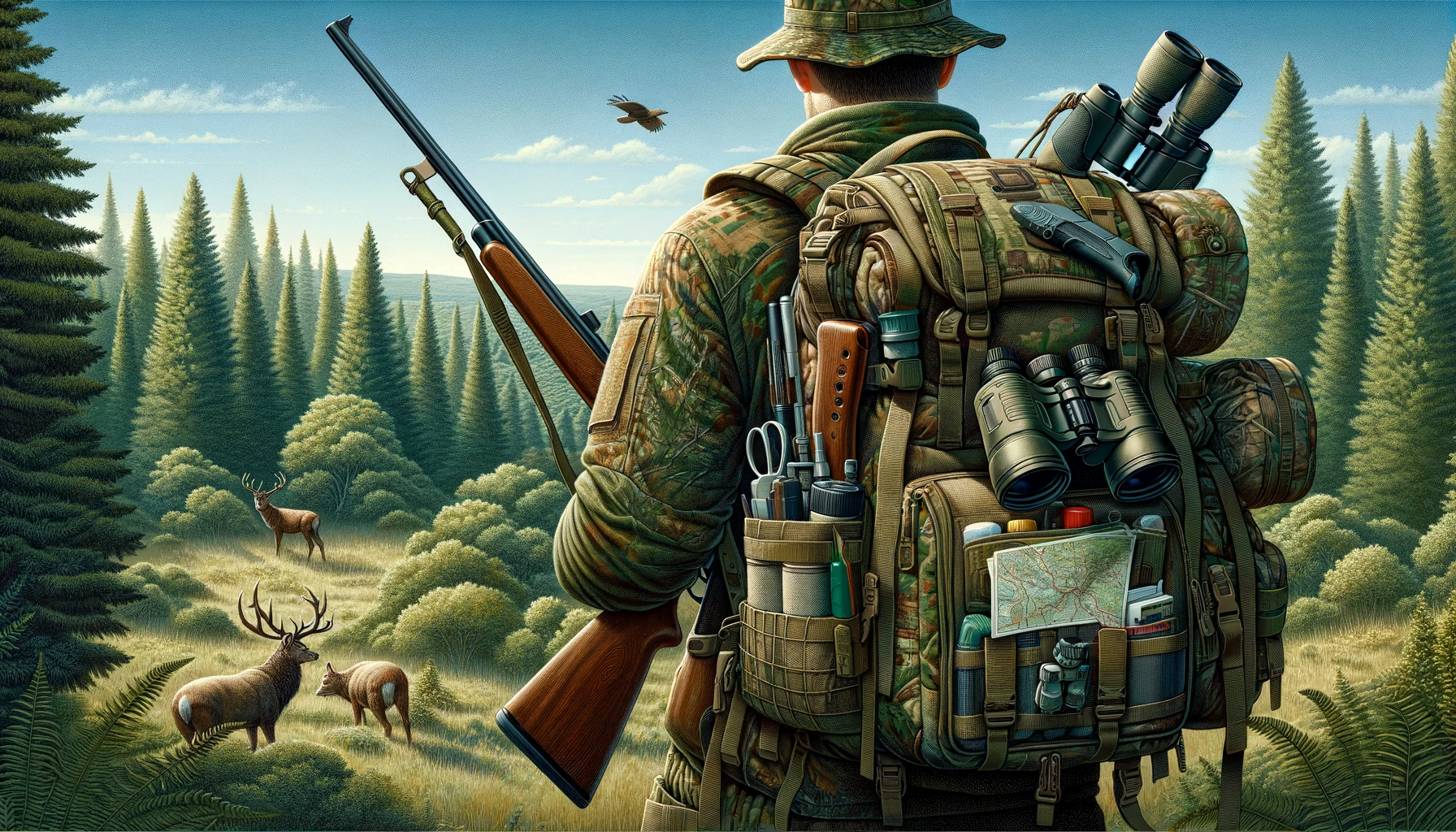
The perfect hunting kit is not the biggest pack or the most expensive gear list. It is the set of items that helps you stay safe, legal, comfortable, organized, and prepared for the specific hunt you are taking. A good kit changes with season, terrain, weather, game, distance from the vehicle, and trip length.
This guide gives a practical framework for assembling a hunting kit without overpacking. Use it as a starting point, then adjust for local rules, personal needs, and the conditions you expect in the field.
Table of contents
Quick Answer
A solid hunting kit should include legal hunting gear, safety basics, navigation, communication, weather-appropriate clothing, water, food, a light, first aid basics, field tools, and the weapon or bow setup required for the hunt. Start with essentials, then add items only if they solve a real field problem.
The best kit is tested before the hunt. Pack it, carry it, open it in low light, and make sure you can find important items quickly.
Start With The Hunt Plan
Your kit should begin with the hunt plan. A short whitetail sit near the truck does not require the same gear as a long public-land hike, mountain hunt, waterfowl setup, or overnight trip. Species, season, terrain, temperature, and legal requirements shape the list.
Before packing, answer four questions: Where am I hunting? How long will I be out? What weather could happen? What do I need to stay legal and safe? That keeps the kit useful instead of bloated.
Safety And Emergency Items
Safety items deserve space even in a lightweight kit. Carry a headlamp or flashlight, spare power where needed, a small first aid kit, emergency contact plan, identification, weather protection, and required visibility such as blaze orange where applicable.
Review safe field practices through Hunter Ed and match the kit to the risks of your hunt. A treestand hunt may require fall protection. A remote hunt may require stronger communication and navigation backups.
Navigation And Communication
Navigation and communication tools keep a hunt from becoming a problem. A phone map can help, but batteries and signal are not guaranteed. Download maps before leaving service, carry backup power, and consider a paper map or compass when appropriate.
Tell someone where you are going and when you expect to return. If you hunt remote country, a satellite messenger or radio may be worth the weight. The farther you are from help, the more important redundancy becomes.
Clothing And Weather Layers
Clothing should match both movement and waiting. Active hunts need breathable layers. Still hunts and treestand sits need warmth. Wet conditions need rain protection. Cold conditions need gloves, headwear, and insulation that still lets you operate your gear.
Avoid packing random extra clothing. Choose a system: base layer, insulation, weather shell, and accessories that fit the forecast. For mobility-focused packing, see our lightweight hunting gear guide.
Weapon, Ammo, Or Archery Gear
Your firearm, bow, ammunition, arrows, release, broadheads, or other legal hunting equipment must be checked before the trip. Confirm zero, sight marks, strings, screws, batteries, safety, and legal requirements before the hunt day.
Carry enough ammunition or arrows for realistic needs, not a careless amount of extra weight. The bigger issue is usually preparation: practice with the exact setup you will carry.
Licenses, Tags, And Access
Legal paperwork and access details belong in the kit plan. Confirm licenses, tags, permits, public-land rules, private-land permission, weapon restrictions, season dates, and reporting requirements before you leave. A perfect gear kit fails if the hunt itself is not legal.
Keep physical or digital copies organized and accessible. If your phone battery dies, know whether you still have the required proof or tag available. Regulations change, so check current official sources before each season.
Optics And Field Tools
Binoculars, a rangefinder, knife, game bags, gloves, calls, and other field tools should be chosen by hunt type. A tool you never use is just weight. A tool you need once and forgot can become a serious problem.
Keep field tools organized. Put frequently used items where they can be reached quietly. Loose metal, plastic wrappers, and bouncing accessories can create noise at the wrong moment.
Food, Water, And Comfort
Water is heavy but essential. Plan for temperature, distance, and how long you may stay out. Food should be quiet, simple, and enough to keep you sharp if the hunt runs longer than expected.
Comfort items can be worth it if they keep you still and focused. A seat pad, hand warmers, or lightweight rain layer may matter more than extra accessories that never leave the pack.
Packing And Organization
Pack heavy items close to your back and keep emergency gear easy to reach. Use small pouches or consistent pockets so you can find items in low light. Repack noisy food wrappers and secure straps that slap or rattle.
After each hunt, review what you used and what stayed buried. Keep emergency essentials, but remove habit items that do not fit the hunt. For a simpler version, use our day hunting field checklist.
Day Hunt Vs Multi-Day Kit
A day hunt usually needs safety, navigation, weather layers, food, water, field tools, and legal hunting equipment. A multi-day trip adds shelter, sleep system, more food, water treatment, repair items, and a deeper emergency plan.
Do not simply double a day kit for a longer trip. Think through shelter, warmth, water access, food storage, weather exposure, and how you will handle a delay or injury away from the vehicle.
Post-Hunt Kit Review
The best time to improve a hunting kit is right after a hunt. Note what you used, what you missed, what was too heavy, what made noise, and what was hard to reach. Small improvements after every trip build a better system over time.
Do not remove emergency gear just because you did not use it once. Separate true clutter from low-probability safety items. The goal is a smarter kit, not a reckless one.
Hunting Kit Checklist
Legal Items
License, tags, required visibility, legal weapon setup, and land access permission.
Safety Items
Light, first aid basics, navigation, communication, weather protection, and emergency plan.
Field Items
Optics, knife, game bags if needed, calls, gloves, water, food, and pack organization.
Tested Items
Boots, clothing, pack, weapon, optics, lights, and electronics should all be tested before the trip.
Common Mistakes
Overpacking
Too much gear slows movement, creates noise, and makes important items harder to find.
Underpacking Safety Gear
Cut comfort extras before cutting light, navigation, weather protection, or emergency basics.
Using Untested Gear
New boots, packs, electronics, and clothing can fail or feel wrong. Test before the hunt.
Ignoring Weather Changes
Weather can shift quickly. Pack layers and protection for realistic worst-case conditions.
FAQ
What is the most important item in a hunting kit?
There is no single item for every hunt, but safety, navigation, weather protection, legal gear, and a tested weapon or bow setup are core priorities.
What should be in a day hunting pack?
A day pack should cover water, food, light, first aid basics, navigation, communication, weather layers, required tags or licenses, and hunt-specific tools.
How heavy should a hunting pack be?
It depends on the hunt. Carry enough for safety and performance, but remove clutter that does not fit the trip. Comfort and organization matter as much as the scale number.
What should beginners buy first?
Beginners should focus on legal requirements, safety gear, suitable clothing, boots, navigation, and a properly fitted weapon or bow before buying specialty accessories.
Final Takeaway
The perfect hunting kit is specific, tested, organized, and safe. Build around the hunt you are actually taking, keep essentials easy to reach, remove clutter, and review the kit after every trip so it gets better over time.