Skeet Shooting Tips for Beginners: Safer Mount, Eyes, Swing, and Practice
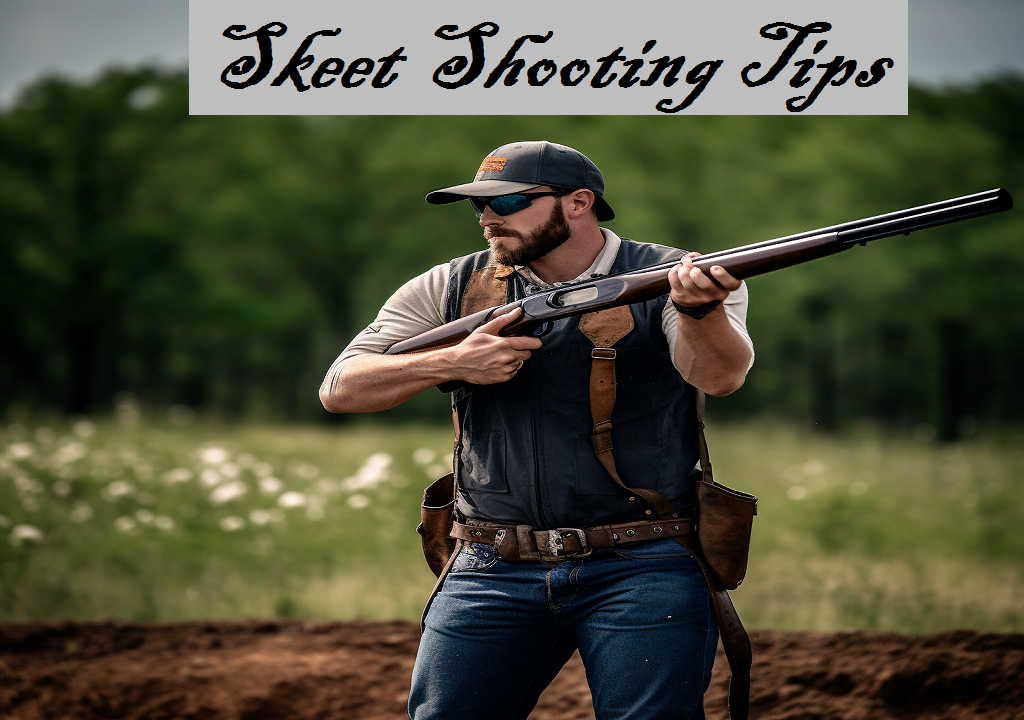
Good skeet shooting starts before the target leaves the house. A safer mount, clear eyes, steady footwork, and a calm follow-through will help more than chasing every gear change at once.
This guide keeps the focus on practical range habits for beginners and improving recreational shooters. Use it with a qualified coach, range officer, or experienced instructor when possible. The goal is safer, more consistent practice, not shortcuts or risky handling.
Table of Contents
Quick Answer
To improve at skeet shooting, start with safety and consistency: keep the muzzle controlled, set your feet before the call, mount the shotgun the same way each time, look for the target early, swing smoothly through it, and keep moving after the shot.
Do not try to fix every station with a new trick. Most missed targets come from rushing the mount, stopping the swing, looking at the bead instead of the target, or changing stance without noticing.
Safety Comes First
Skeet is a moving-target game, but firearm safety is still the first rule. Keep the muzzle pointed in a safe direction, keep your finger off the trigger until ready to shoot, and follow the range officer’s commands. The NSSF firearm safety rules are a useful baseline for every range session.
Wear eye and ear protection, keep actions open when not shooting, and wait for the station to be clear before loading. If you are new to skeet, tell the range staff. Most ranges would rather help you set up correctly than watch you guess.
Understand the Game
Skeet shooting uses fixed high-house and low-house target paths across a semicircle of stations. The targets are predictable, which makes skeet excellent for learning repeatable movement, timing, and eye discipline.
Skeet is part of the broader family of clay target shooting. Compared with some other clay games, skeet rewards learning the target line and building the same setup each time. The challenge is not surprise; it is consistency.
Set Your Stance Before Calling Pull
Your feet should let the shotgun move through the target without binding your shoulders. If your stance is aimed only at where the target appears, you may run out of movement before the shot. Set up so your body can finish comfortably where the target will be broken.
Before calling for the target, check foot position, balance, and muzzle direction. You should feel athletic but relaxed. A tense, twisted stance makes the swing jerky and makes follow-through harder.
Build a Repeatable Gun Mount
A repeatable mount helps your eyes and body work together. Bring the shotgun to the same cheek and shoulder position each time. If the mount changes, your sight picture changes too, and you may start aiming at the bead instead of moving with the target.
New shooters often rush the mount because they feel late. Slow down during practice. A smooth mount that arrives correctly is better than a fast mount that lands in a different place every time.
Use Your Eyes Better
Your eyes should find and track the target. If you stare at the front bead, your swing often slows or stops. Use the bead as a reference in the background, not the main object of attention.
Pick a visual hold point and a look point for each station. The hold point is where the muzzle starts. The look point is where your eyes expect to pick up the target. Keeping those two ideas separate can make the target appear slower and easier to read.
Keep the Swing Moving
Stopping the swing is one of the most common reasons for a miss. The target keeps moving after your brain decides to shoot. If the shotgun stops as the trigger breaks, the pattern often falls behind.
Think of the shot as part of the swing, not the end of it. Move smoothly through the target and continue the motion after the shot. This does not mean rushing. It means staying connected to the target line until the shot is complete.
Practice With a Purpose
Do not judge every practice day only by score. Pick one thing to improve: stance, mount, eyes, target pickup, or follow-through. If you change five things at once, you will not know what helped.
A useful practice plan is to shoot a round focusing only on setup and safety, then another round focusing on target pickup. Keep notes after the session. Write down which stations felt rushed and which misses had the same pattern.
Common Beginner Mistakes
- Calling for the target before stance and muzzle position are ready.
- Looking at the bead instead of the target.
- Rushing the mount and lifting the head off the stock.
- Stopping the swing as the shot breaks.
- Changing foot position every station without noticing.
- Trying to fix misses with gear before fixing form.
Pre-Round Checklist
- Eye and ear protection on.
- Action open until it is your turn and the range rules allow loading.
- Feet set for the target path, not just the target launch point.
- Cheek and shoulder mount checked.
- Eyes ready at the look point.
- Clear plan for the station before calling pull.
FAQ
What is the easiest way to improve at skeet?
Work on one repeatable setup. Set your feet, mount the gun consistently, look for the target early, and keep the swing moving. Consistency usually beats complicated advice.
Should beginners aim at the clay target?
Beginners should learn to look at the target and move with it rather than staring at the bead like a rifle sight. A qualified coach can help you understand the sight picture safely.
Do I need special gear to start skeet?
You need range-approved eye and ear protection, a suitable shotgun, allowed ammunition, and a range that supports beginners. Many ranges can explain rental and ammunition rules before you arrive.
Why do I keep missing behind the target?
Common causes include stopping the swing, looking at the bead, starting from a poor hold point, or rushing the mount. Work with a coach or experienced range officer if the same miss keeps repeating.