Basic Hunting Techniques: Safety, Scouting, and Field Skills
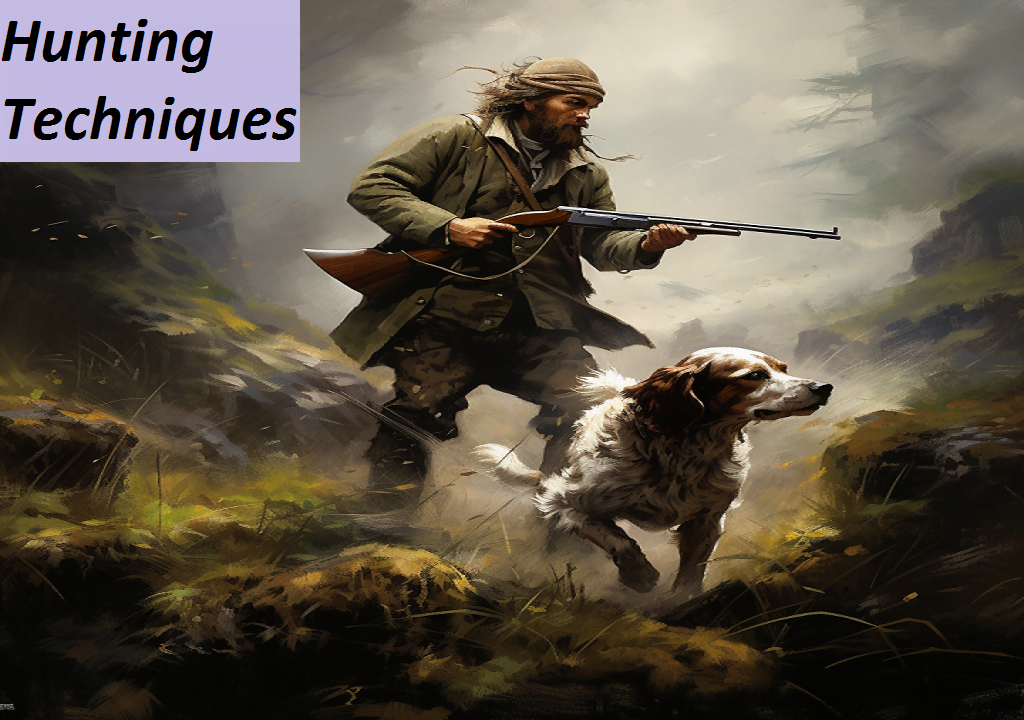
Good hunting techniques start with safety, legal access, animal knowledge, and patience. Tactics such as scouting, stand hunting, still hunting, glassing, calling, and tracking can all work, but none of them matter if the hunter ignores regulations, property boundaries, weather, shot limits, or ethical recovery.
This guide explains common hunting techniques at a beginner-friendly level. It does not replace hunter education, local regulations, a mentor, or species-specific practice. Before any hunt, check current rules from your state wildlife agency and know the land you are hunting.
Table of Contents
Start With the Basics
Every technique should begin with the same checks: legal season, legal method, tag or license, land access, safe backstop, target identification, weather, and a recovery plan. Hunter education resources such as Hunter-Ed are useful for safety and responsibility fundamentals.
Good hunters also know when not to hunt an area. If wind is wrong, visibility is poor, another hunter is nearby, or the shot angle is uncertain, backing out can be the right decision.
Scouting
Scouting means learning where animals feed, bed, travel, drink, and respond to pressure; our new-area scouting guide gives that process a practical checklist. It can include walking sign, glassing from a distance, checking maps, studying terrain, and observing movement before the season.
- Look for sign: tracks, droppings, rubs, trails, beds, feathers, feeding areas, and water use.
- Study terrain: ridges, saddles, creek crossings, field edges, timber lines, and bedding cover.
- Watch pressure: roads, access points, other hunters, livestock, and human activity can change animal movement.
- Check wind: a good-looking spot may be poor if wind usually carries scent into the travel route.
Stand and Blind Hunting
Stand and blind hunting work best when animals use predictable travel routes or feeding areas. The hunter stays still and lets the setup do the work. This method can reduce movement and scent problems when the location is chosen carefully.
Tree stand safety deserves special attention. Follow the stand manufacturer’s instructions and use proper fall-arrest equipment. State hunter education programs and safety groups often stress that falls are one of the major risks for hunters using tree stands.
Still Hunting and Stalking
Still hunting and stalking require slow movement, wind awareness, and careful observation. The hunter moves a little, stops a lot, and studies cover before taking another step. This works better when ground is quiet, wind is steady, and visibility is good enough for safe target identification.
Move only when the conditions support it. If an animal is alert, the wind shifts, or the route forces an unsafe shot angle, stop or back out. A passed shot is better than a wounded animal or unsafe decision.
Glassing and Tracking
Glassing
Glassing means using binoculars or a spotting scope to search from a distance. It is useful in open country, field edges, hills, and large cuts where walking directly through the area would push animals out.
Tracking
Tracking means reading sign after an animal has moved through an area. It can help before the shot and after the shot. After any hit, recovery should be careful, legal, and patient. If rules allow, trained tracking dogs can help in some states.
For broad conservation and hunting context, the U.S. Fish and Wildlife Service hunting resources explain how hunting is managed as part of wildlife programs. State agencies remain the source for season and method details.
Common Mistakes
- Starting without legal checks: rules can vary by species, weapon, unit, date, and property type.
- Moving too fast: many hunters overlook sign because they cover ground instead of observing.
- Ignoring wind: scent can ruin a setup before the animal is visible.
- Forcing low-confidence shots: range, angle, brush, and backstop should all be clear.
- Skipping recovery planning: every hunt should include a plan for tracking and recovering game legally and ethically.
FAQ
What hunting technique is best for beginners?
Stand or blind hunting is often easier for beginners because it limits movement and lets the hunter focus on safety, wind, and shot decisions; newer hunters should also read our beginner hunting tips before choosing a tactic. A mentor can help choose a responsible setup.
Is stalking better than sitting in a stand?
Not always. Stalking can work in the right terrain and wind, but stand hunting may be better when animals use predictable trails or when moving would create too much pressure.
How important is wind direction?
Wind is very important. If scent blows toward the animal, many hunts end before the hunter sees anything. Wind should guide stand choice, stalking route, and when to leave an area alone.
Should I learn tracking before hunting?
Yes, at least the basics, and the recovery mindset should match the standards in our hunting ethics guide. Tracks, blood sign, disturbed leaves, hair, and animal behavior after the shot all help with ethical recovery. Learn local rules for tracking and recovery before the hunt.
Can one technique work for every animal?
No. Species, terrain, season, pressure, weather, and weapon type all change the best approach. Start with the animal and location, then choose the technique.