Long Range Shooting Accessories: Safety, Stability, and Data
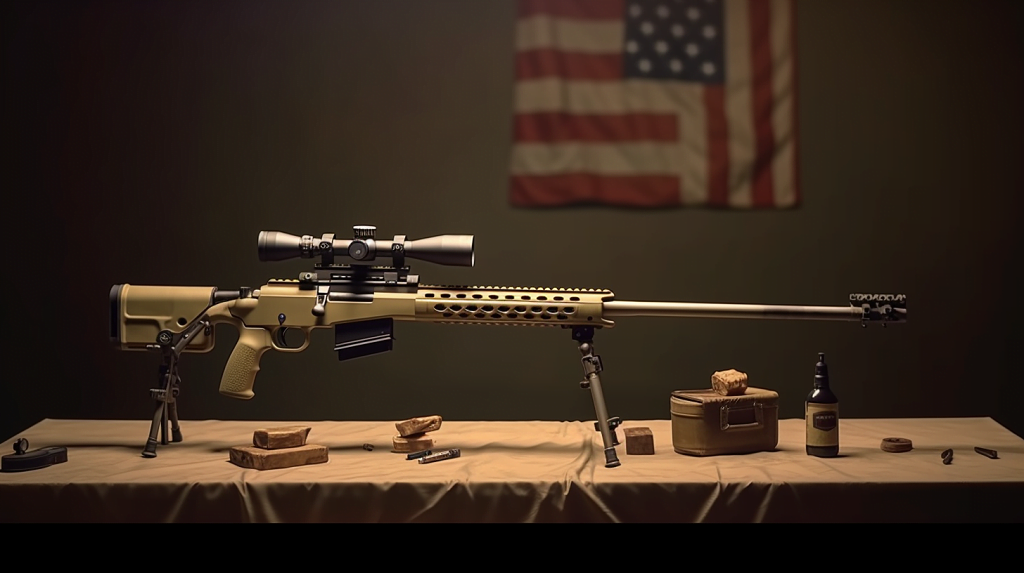
Long range shooting accessories should help the shooter stay safe, read conditions, build a stable position, and confirm data. The most useful gear is not always the most expensive item. Start with safety equipment, a reliable rifle and optic setup, a steady rest, good data, and enough practice to know your real limits.
This guide explains accessory categories for range practice and field learning. It is not a product ranking, and it does not replace range instruction, firearm manuals, match rules, hunting regulations, or local range commands.
Table of Contents
Quick Answer
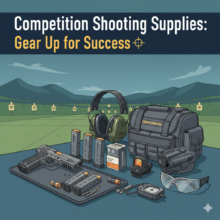
The best long range shooting accessories to prioritize are eye and ear protection, a properly mounted optic, a stable bipod or front rest, a rear bag, a rangefinder where legal and allowed, wind-reading tools, a data book or app, a torque tool, cleaning gear, and a safe case. Buy gear that solves a real problem in your practice, not gear that only looks impressive.
Safety Gear
Safety gear comes before performance gear. The NSSF firearm safety rules cover safe muzzle direction, trigger discipline, target awareness, correct ammunition, and eye and ear protection. Those rules still apply when shooting from a bench, prone position, field barricade, or match stage.
- Eye protection that fits securely and does not distort the sight picture.
- Hearing protection suitable for the firearm, range type, and nearby shooters.
- A chamber flag or empty-chamber indicator when required by the range.
- A safe case for transport and organized storage.
- Basic first-aid items and water for long range days.
Indoor and covered ranges can increase noise and residue exposure. A CDC/NIOSH document on indoor firing ranges discusses noise and lead concerns, which is a good reminder to take hearing protection, ventilation, and hygiene seriously.
Optic and Mounting Basics
A good optic helps only if it is mounted correctly and the shooter understands the adjustments. Scope rings, bases, torque settings, eye relief, level setup, and zero confirmation all matter. A loose mount can make a skilled shooter chase false problems for hours.
Scope Mounts and Rings
Choose mounts and rings that fit the rifle, optic tube, rail type, and intended use. Use the manufacturer’s torque values and check the setup after the first range session. Guessing on torque can damage parts or leave the optic unstable.
Reticle and Turret Familiarity
Learn whether your scope uses MOA or MRAD adjustments, then keep your data in the same system. Mixing systems can create avoidable errors when you are already trying to manage wind, distance, and position.
Support Gear: Bipods, Bags, and Rests
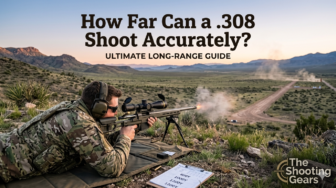
Stable support helps the shooter see mistakes clearly. A bipod, rear bag, front rest, tripod, or shooting bag can all help, but the right choice depends on whether you practice from a bench, prone, barricade, field position, or hunting setup.
- Bipod: useful for prone and some bench practice.
- Rear bag: helps fine-tune hold and shoulder pressure.
- Shooting bag: useful on barricades, rocks, rails, or field rests.
- Tripod: helpful for spotting, observation, and some field positions.
- Mat: keeps prone practice more comfortable and consistent.
A support accessory should make your position repeatable. If the gear is so heavy, tall, loose, or complicated that it slows safe handling, it may not be the right fit for your use.
Range Data and Wind Reading
Distance, wind, temperature, light, ammunition, and shooter position can all affect results. A rangefinder, spotting scope, wind meter, target camera, data book, or ballistic app can help, but only when the shooter records real range results instead of trusting estimates blindly.
Wind is one of the hardest parts of distance shooting. Weather education from the National Weather Service JetStream wind guide can help beginners understand basic wind terms before they try to read mirage, flags, grass, dust, or impacts at the range.
Maintenance and Logbook
A small maintenance kit can prevent small problems from turning into wasted range trips. Keep the right cleaning tools, a torque driver, spare batteries, lens cloth, hex keys, lubricant where appropriate, and a safe way to protect the rifle during transport.
A logbook is often more useful than another accessory. Record ammunition, distance, weather, zero, group size, position, support gear, and what changed. Over time, the log shows whether the issue is gear, ammunition, environment, or shooter input.
Accessory Priority Checklist
- Eye and ear protection selected first.
- Rifle and optic mounted correctly with verified torque values.
- Zero confirmed with the ammunition you plan to use.
- Stable front and rear support chosen for your shooting position.
- Distance and wind tools matched to range rules and use case.
- Data book or app used to record real results.
- Maintenance kit packed for optic, mounts, batteries, and basic cleaning.
- Case and transport setup follow local law and range rules.
FAQ
What accessory should a long range shooter buy first?
Start with safety gear, then confirm the rifle and optic are mounted correctly. After that, a stable rear bag or bipod often helps more than buying advanced tools too early.
Do I need a ballistic app?
A ballistic app can help organize data, but it is only as useful as the information entered into it. Confirm predictions at the range and keep notes from real shots.
Is a bipod better than shooting bags?
Neither is always better. A bipod is useful for prone and bench practice, while bags can adapt to more surfaces and positions. Many shooters use both depending on the session.
How important is a torque driver?
A torque driver is useful because scope mounts, rings, bases, and action screws often have specific torque values. Correct torque helps prevent loose parts and damage from over-tightening.
Do long range accessories make a shooter accurate?
Accessories can help measure, support, and repeat a shot, but they do not replace safe handling, good fundamentals, practice, and honest data. Buy gear to support training, not to cover up weak habits.
Final Takeaway
Long range shooting accessories should solve practical problems: safety, stability, data, wind reading, and maintenance. Build the kit in that order, test it at the range, and keep notes so each upgrade has a clear purpose.