How Camouflage Works: Nature, Hunting, and Fieldcraft
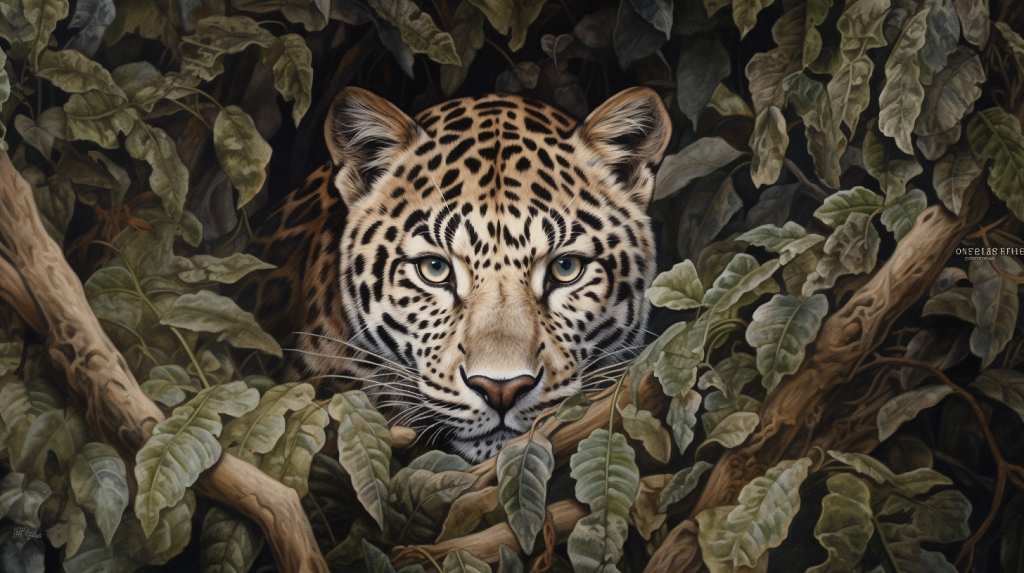
Camouflage works by making an animal, person, or object harder to notice, identify, or separate from the background. It can break up shape, match color and texture, hide movement, or use shadows and patterns to confuse the eye.
For hunters and outdoor observers, the lesson is practical: camouflage is not invisibility. It works best when pattern, movement control, wind, light, background, and distance all support the same goal.
That is why two people wearing the same pattern can get very different results. One person may stand still in shade with brush behind them, while another may move quickly on an open ridge. The pattern is only one part of the visual picture.
Table of contents
Quick Answer
Camouflage works by reducing contrast. If an animal or hunter blends with the background, breaks up a recognizable outline, and avoids sudden movement, it becomes harder for other animals to detect. Color helps, but shape, shadow, texture, motion, and background choice usually matter just as much.
The best camouflage is context-specific. A pattern that works in dry grass may stand out in dark timber. A jacket that looks perfect at ten yards may look like one solid dark blob at fifty yards. Good fieldcraft is about matching the whole situation, not just wearing a pattern.
Distance changes everything. Close up, leaves, bark, and grass details may look realistic. Farther away, those details can merge into a single shape. This is why contrast, outline, and the background behind you are so important.
The Basic Idea Behind Camouflage
Eyes notice contrast, edges, movement, and familiar shapes. Camouflage reduces those clues. Natural camouflage may help an animal avoid predators or get closer to prey. Human camouflage uses the same idea: reduce the visual signals that say “this does not belong here.”
Different animals also notice different things. Some rely heavily on motion, some see color differently than humans, and many combine sight with hearing and smell. A hunter should avoid assuming that a pattern that looks good to human eyes will solve every detection problem.
Biologists often describe camouflage as part of animal coloration and defensive adaptation. The Encyclopaedia Britannica overview of camouflage explains the concept across many species and environments.
Main Types Of Camouflage
Background Matching
Background matching is the classic version of camouflage. Colors and textures resemble the surroundings, such as a fawn in leaves, a bird in grass, or clothing matched to brush and timber.
Disruptive Patterns
Disruptive patterns use lines, patches, and contrast to break up the outline. This can make it harder to recognize the body shape, even when some colors do not perfectly match the background.
Countershading
Countershading means the top side is darker and the underside is lighter. Many animals use this naturally because light usually comes from above. The result can make the body look flatter and less obvious.
Motion And Stillness
Even excellent camouflage can fail when movement is sudden. Many animals freeze when threatened because stillness reduces detection. Hunters can learn from that: slow, deliberate movement usually beats the best pattern worn carelessly.
How Animals Use Camouflage
Animals use camouflage in different ways depending on habitat and survival needs. Some blend into bark, sand, grass, snow, leaves, water, or rock. Others use markings that break up the outline, hide the eye, or make the body look like something else.
Camouflage can also change with age or season. Young animals may have spots or stripes that help them hide while they are most vulnerable. Some birds and mammals shift color or pattern as habitats, breeding seasons, or weather conditions change.
The NOAA overview of ocean camouflage gives a useful example of how environment changes the strategy. In open water, animals may use transparency, reflection, or countershading rather than leaf-like patterns.
On land, the same principle applies. A deer fawn’s spots, a ground bird’s mottled feathers, and a predator’s muted coat all help reduce visual contrast in a particular setting. Camouflage is always tied to the environment.
What Hunters Can Learn From Camouflage
Hunters often focus on clothing pattern first, but animals also respond to sound, scent, wind, movement, and pressure. Camouflage helps most when the rest of your fieldcraft supports it.
Before a hunt, look at the places where you will actually sit, walk, or set up. A pattern for hardwoods may not be ideal for cattails, sage, snow, or open grass. If you hunt multiple habitats, muted layers and smart positioning may matter more than owning a different pattern for every trip.
- Match the pattern to the season and habitat.
- Use the background behind you instead of standing in open skylines.
- Move slowly, especially when an animal is alert.
- Watch shadows, glare, and exposed face or hand movement.
- Keep wind and scent control in mind because camouflage is only visual.
For more fieldcraft context, read our guide on tracking animals and reading sign. Camouflage works better when you also understand where animals travel, feed, and pause.
A quick field test can help. Put on the layers you plan to wear, stand at the distance animals may see you, and have a partner look from several angles. Check whether your outline, face, hands, pack, or shiny gear stands out more than the clothing pattern itself.
Common Camouflage Mistakes
Using The Wrong Background
A pattern that looks realistic by itself can still fail against the wrong background. Stand in front of brush, trees, grass, or shade that matches your clothing instead of a bright open gap.
Moving Too Much
Movement is one of the easiest visual clues to detect. Turn your head slowly, lift binoculars carefully, and avoid fidgeting when animals are close.
Forgetting Hands And Face
Hands and faces can flash in the light, especially from a blind or stand. Gloves, face coverings, shade, and careful movement can reduce that contrast where legal and comfortable.
Ignoring Wind And Scent
Camouflage only addresses sight. If wind carries scent toward an animal, a perfect visual setup may not matter. Our guide to the key to success in hunting explains why patience, wind, and positioning work together.
FAQ
Does camouflage make you invisible?
No. Camouflage makes detection harder by reducing contrast and breaking up shape. Movement, wind, noise, and poor positioning can still give you away.
Is color or pattern more important?
Both matter, but context matters more. A useful pattern matches the general habitat, breaks up outline, and avoids becoming one dark or bright shape at normal field distances.
Can animals see camouflage?
Animals see differently by species. Some detect motion very well, some see certain colors differently than humans, and many rely heavily on smell or hearing too. Camouflage should be one part of a full fieldcraft plan.
What is the best camouflage for hunting?
The best camouflage is the one that fits your season, background, vegetation, and hunting method. A good setup also keeps you still, shaded, quiet, and positioned with the wind in mind.
Final Takeaway
Camouflage works by reducing the visual clues that reveal shape, contrast, movement, and outline. It helps animals survive and helps hunters stay less noticeable, but it is never a substitute for stillness, wind awareness, safe movement, and good field judgment.