Recurve vs. Compound Bows: Which Is Better for Hunting?
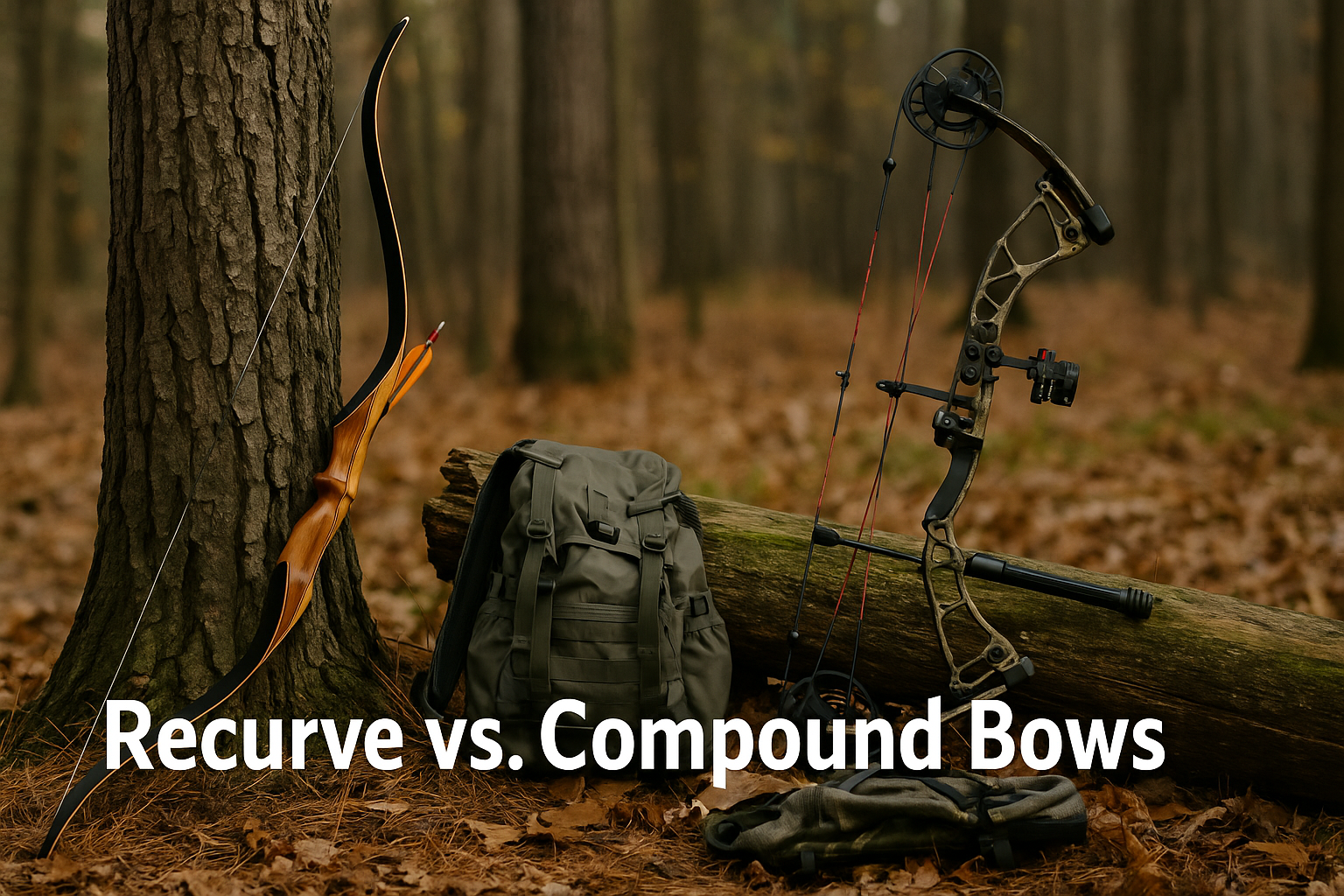
There is no universal winner between a recurve and a compound bow for hunting, because the better choice depends on your experience, the game you pursue, how much you want to practice, and the rules your state sets. A compound bow is usually easier to shoot accurately at hunting distances because it holds most of the draw weight for you and lets you aim longer. A recurve bow is simpler, lighter, quieter to maintain, and rewards committed practice, but it asks more of the shooter. This guide compares the two across skill curve, field practicality, maintenance, and legal draw-weight checks so you can match a bow to how you actually hunt. For a broader beginner selection framework, see our right bow selection guide.
Table of contents
How a recurve and a compound bow work
A recurve and a compound bow both store energy when you draw the string and release it into the arrow, but they reach full draw weight in very different ways. Understanding that difference explains nearly every practical tradeoff that follows.
The recurve bow
A recurve bow has limbs that curve away from the archer at the tips, which stores more energy than a straight-limbed longbow of the same length. It has no cables, cams, or let-off, so the draw weight climbs steadily the farther you pull and stays at full weight while you hold at anchor. A modern hunting recurve is often a takedown design, meaning the limbs unbolt from the riser for transport and for swapping to different limb weights as your strength grows. The simplicity is the point: fewer parts means fewer things to fail in the field.
The compound bow
A compound bow uses a system of cams and cables to mechanically reduce the weight you hold at full draw, a feature called let-off. A bow set to 70 pounds with 80 percent let-off only asks you to hold about 14 pounds at anchor, which lets you aim longer and steadier. That mechanical advantage, paired with accessories such as sights, a release aid, and a stabilizer, is why compounds dominate modern bowhunting. The tradeoff is complexity: more moving parts, more tuning, and a need for a bow press for some service work.
Skill curve and accuracy
A compound bow is generally faster to shoot accurately at hunting ranges, while a recurve bow takes longer to master but builds deeper fundamentals. Both can be lethal and ethical tools in trained hands, and accuracy in the field comes from practiced repetition more than from the bow type.
Why compounds are easier to aim
Let-off means you can come to full draw and hold steady while you settle a pin sight on the target and pick your moment. A mechanical release aid breaks the shot cleanly, and a peep sight plus a multi-pin or single-pin sight gives a repeatable aiming reference. For many hunters, this combination produces consistent groups at 30 to 40 yards within a few months of disciplined practice.
Why recurves demand more practice
A recurve holds full draw weight the entire time you aim, so most recurve hunters shoot instinctively or with a simple gap-aiming method and release quickly rather than holding. That requires more reps to groove a consistent anchor, release, and follow-through. Many experienced recurve hunters keep their ethical shooting distance shorter, often inside 20 to 25 yards, because accuracy falls off faster without sights and let-off. The reward is a strong, repeatable shot process that many archers find deeply satisfying. The National Field Archery Association and clubs affiliated with USA Archery offer instruction that shortens this learning curve.
Hunting practicality in the field
Field practicality favors the compound for most stand and blind hunting and favors the recurve for hunters who value light weight, quiet packing, and mobility. The right answer depends on your style of hunt.
Where the compound shines
From a treestand or ground blind, the ability to hold at full draw while a deer steps into a shooting lane is a real advantage. Compounds also deliver higher arrow speed and a flatter trajectory, which gives a little more forgiveness if you misjudge distance. A rangefinder paired with a pin sight removes much of the guesswork. The downsides are bulk, weight, and more accessories to keep dialed in.
Where the recurve shines
A takedown recurve breaks down small, weighs little, and is fast to ready for a snap shot. For spot-and-stalk hunting, backcountry trips where pack weight matters, or hunters who simply prefer traditional gear, the recurve is appealing. There are fewer accessories to fail and nothing to lose tune on a long hike. The cost is shorter practical range and a smaller margin for error on distance and form.
Maintenance and reliability
A recurve bow needs less maintenance and is easier to service yourself, while a compound bow needs more periodic attention and sometimes a bow press or a pro shop. Neither is fragile when cared for, but the routines differ.
Recurve upkeep
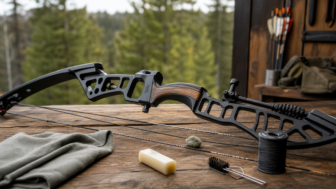
Recurve care is mostly string maintenance: wax the string regularly, check the serving and nocking point, and inspect the limbs for cracks or twists, especially on takedown limbs after assembly. Always use a stringer to string and unstring the bow so you do not twist a limb or risk injury. With basic care a recurve string lasts a long time, and replacing it is straightforward.
Compound upkeep
A compound needs string and cable inspection for fraying or stretch, periodic waxing, and attention to cam timing and synchronization. String and cable replacement, and some tuning work, often requires a bow press, so many owners rely on a pro shop once or twice a season. Keep the axle and cam areas clean, and have the bow checked if you ever notice a change in draw feel, peep rotation, or point of impact. Never dry-fire a compound, since releasing the string with no arrow can damage the bow and injure the shooter.
Legal draw-weight checks before you hunt
Most states set a minimum draw weight for hunting with a bow, and the exact number and how it is measured vary by state and sometimes by species. Always confirm the current rules with your state wildlife agency before you hunt, because this is a legal requirement, not a suggestion, and this article is not legal advice.
Minimum draw-weight rules commonly fall somewhere in the range of about 30 to 45 pounds for big game, but states differ, and some specify how the weight must be measured or set separate minimums for larger animals such as elk. Some states also regulate broadhead design, mechanical versus fixed blades, minimum arrow or broadhead width, and let-off limits for compound bows. Because these details change and differ across state lines, look them up directly. You can find your state agency through the U.S. Fish and Wildlife Service and confirm hunter education requirements through Hunter-Ed or the International Hunter Education Association.
One practical point applies to both bow types: a draw weight that is legal is not automatically a draw weight you can shoot well. Choose a weight you can draw smoothly, hold under control, and shoot accurately when you are cold, tired, or sitting in an awkward position. An ethical, well-placed arrow from a bow you control beats a heavier bow you struggle with.
Which bow fits which hunter
The best bow is the one that matches your willingness to practice, the way you hunt, and the rules where you hunt. Use these profiles as a starting point, then shoot both types if you can before deciding.
- New to bowhunting and want results this season: a compound bow is usually the faster path to ethical accuracy at typical hunting distances.
- Hunting from a stand or blind: the compound’s let-off lets you hold at full draw and wait for the shot.
- Backcountry, spot-and-stalk, or minimalist hunter: a takedown recurve packs light and readies fast, if you commit to the practice it demands.
- You enjoy the craft and the process: a recurve rewards the time you put in and keeps gear simple.
- Limited practice time: the compound is more forgiving when reps are scarce, though both still require regular practice.
Frequently asked questions
Is a recurve or compound bow better for a beginner hunter?
For most beginners who want to hunt soon, a compound bow is easier to shoot accurately because of let-off and sights. A recurve is a fine choice for someone willing to invest more practice time and who values simple, traditional gear.
What draw weight do I need to hunt deer?
Many states set a legal minimum for big game, but the exact number and measurement method vary, so confirm with your state wildlife agency. Beyond the legal floor, choose a weight you can draw and hold under full control while staying accurate.
Can you hunt big game like elk with a recurve?
Yes, hunters take elk and other big game with recurves, but it demands strong shooting skill, close shot distances, the right arrow and broadhead setup, and a draw weight that meets your state’s rules. Confirm any species-specific minimums with your state agency first.
Do compound bows need a pro shop to maintain?
You can handle waxing, inspection, and basic upkeep yourself, but string or cable replacement and some tuning often need a bow press, which many hunters leave to a pro shop. A recurve is simpler to service at home.
Final takeaway
Pick the compound bow if you want the quickest route to steady accuracy at hunting distances, especially from a stand. Pick the recurve if you value simplicity, light weight, and the craft, and you will commit to the practice it requires. Either way, confirm your state’s minimum draw-weight and equipment rules with your wildlife agency, choose a weight you can truly control, and let practiced shot placement, not the bow type, carry the ethical part of the hunt.
Related reading: youth archery gear guide and bow sight setup guide.