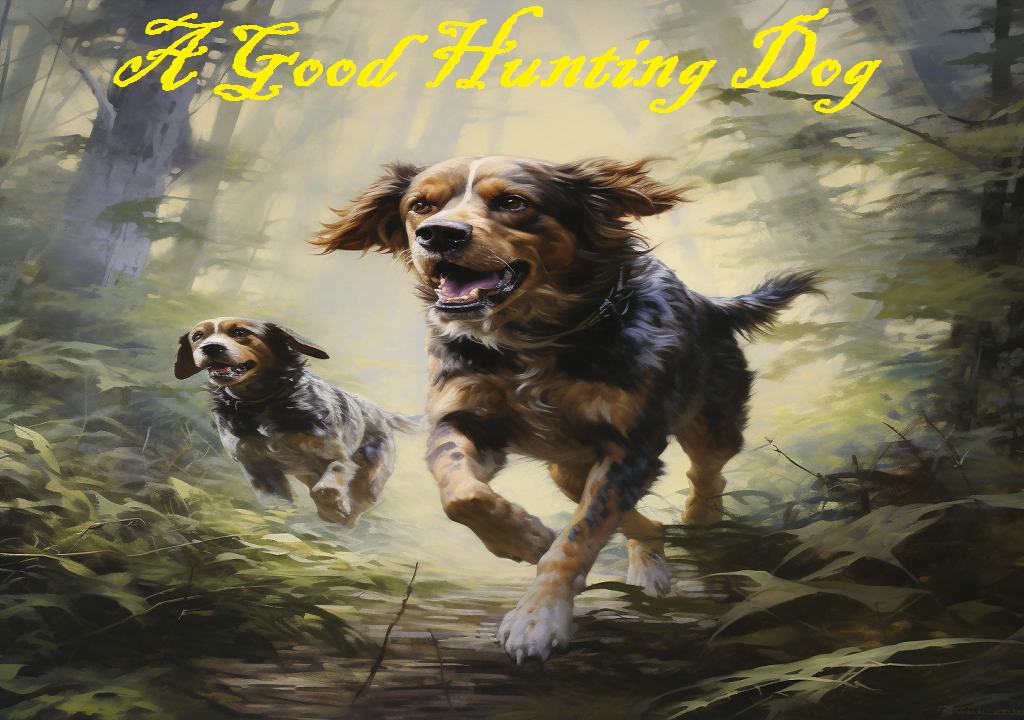
Historical Background: From ancient times, humans have harnessed the instincts of wolves, turning them into reliable hunting companions, leading to the domestication of dogs.
Evolution of Hunting Breeds: Over centuries, selective breeding has led to the creation of specific breeds for different hunting needs.
2. Key Qualities of a Good Hunting Dog
What makes some dogs stand out in the field?
Stamina and Endurance: Hunting requires dogs to be agile, especially during long hunts.
Trainability: A dog that can follow commands quickly is crucial. This stems from intelligence and a desire to please.
Sense of Smell: The ability to track based on scent is vital. Some dogs can differentiate between the subtlest of smells.
3. Popular Hunting Dog Breeds
Delve into the breeds that have made their mark.
Labradors: Versatile hunters and known for their good temperament.
Pointers: Exceptional bird hunters, they can “point” towards the game.
Hounds: Known for tracking over long distances. Bloodhounds, for instance, have an impeccable scent memory.
4. Training a Hunting Dog
Crafting an ace hunting companion from a pup.
Starting Young: Introducing pups to the wilderness, and to scents can create an early love for hunting.
Advanced Techniques: Training in retrieving, pointing, and flushing takes time and patience. Using tools like decoys and scent trails can help.
5. Caring for Your Hunting Companion
Ensuring longevity and health.
Diet: A protein-rich diet can provide the energy required.
Regular Vet Visits: Early detection of potential health issues ensures longevity.
Mental Stimulation: Keeping them mentally engaged during off-seasons is crucial.
6. The Role of Scent in Hunting
The olfactory world of dogs.
Olfactory Cells: Dogs have up to 300 million olfactory cells compared to a human’s 6 million, making their sense of smell 40 times better than ours.
Differentiating Scents: A trained hunting dog can tell the difference between a fresh trail and an old one.
7. Ethical Considerations
Hunting in the modern age.
Fair Chase: Ensuring the hunt respects the animal, giving it a fair chance to escape.
Limiting Hunts: Ensuring populations of hunted animals remain stable.
8. The Bond Between Hunter and Dog
More than just companions.
Trust: Hunting often puts both in potentially dangerous situations. Trusting each other is vital.
Shared Triumphs: Celebrating a successful hunt together strengthens the bond.
9. Beyond Hunting: Dogs as Family
Life after the hunt.
Family Integration: Many hunting dogs are gentle and can adapt to family life seamlessly.
Off-season Activities: Engage in activities like hiking or fetch to keep them active.
10. The Future of Hunting Dogs
Where does the future lie?
Technological Impact: Drones and other tech might change hunting dynamics.
Breed Preservation: Ensuring the continuation of purebred hunting dogs might become a challenge.
Conclusion:
From ancient times to today, hunting dogs have remained a testament to the bond between man and dog. Their dedication, intelligence, and skills in the field make them invaluable. Yet, it’s their loyalty and companionship that truly make them special.
FAQs
What age is best to start training?
While basic training can start as early as eight weeks, hunting-specific training is best started at around six months.
How do I ensure my dog doesn’t harm non-game animals?
Proper training and consistent reinforcement of commands are essential to prevent unintentional chasing.
Can old dogs be trained to hunt?
While younger dogs learn faster, older dogs can be trained, albeit with more patience and time.
What are the signs of overexertion in hunting dogs?
Look out for heavy panting, limping, or a reluctance to move. Always ensure they’re hydrated.
How do I transition my hunting dog to a family pet during off-seasons?
Gradual introduction to the home environment and consistent training can make the transition smooth.
Every hunter has a story about their faithful canine companion. These tales not only highlight the skills of these remarkable animals but also the deep bonds formed in the heart of nature.