How to Clean a Gun Barrel Safely: Bore Cleaning, Solvent, and Storage Tips
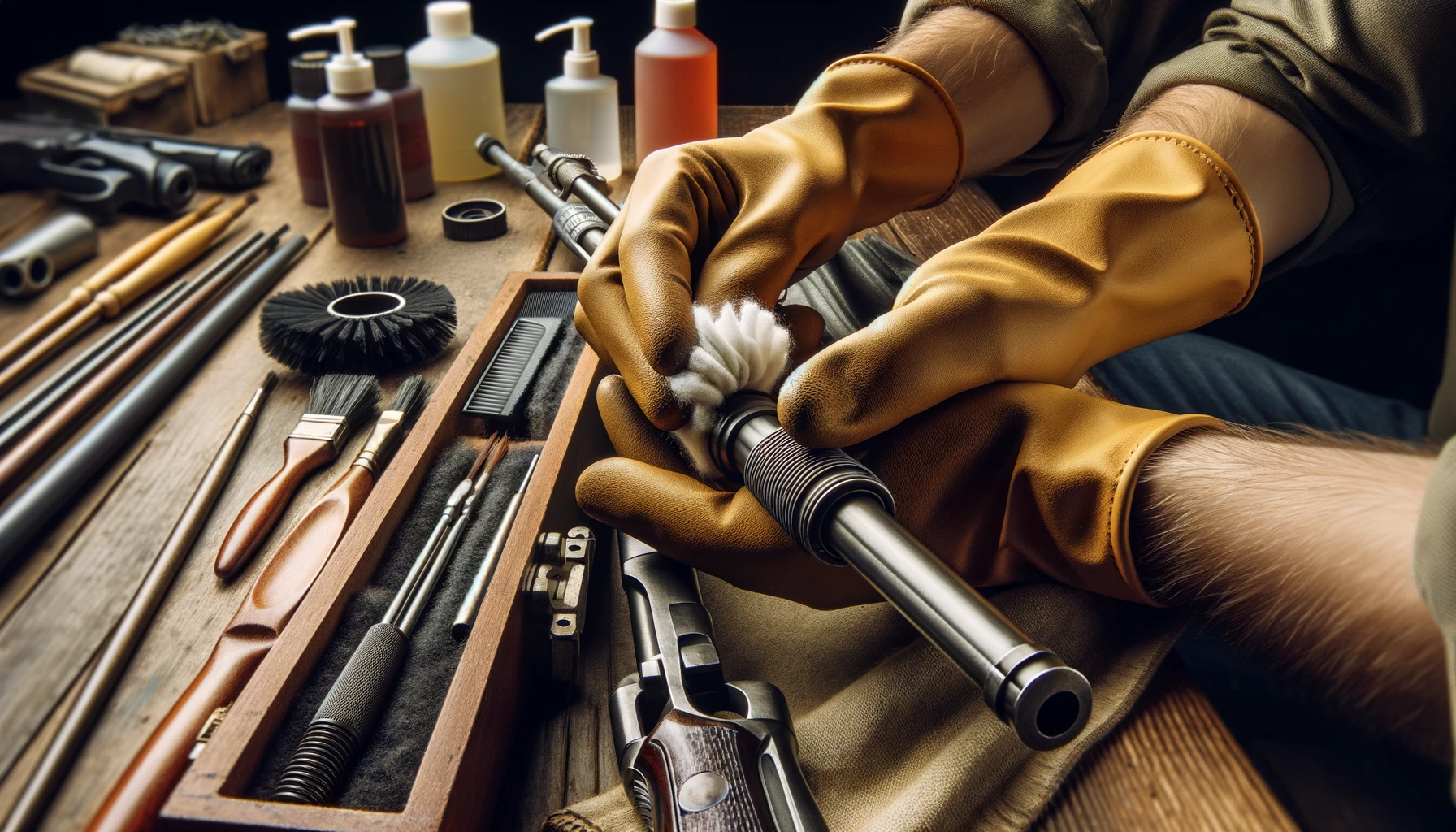
Cleaning a gun barrel properly starts with safety, not solvent. Unload the firearm, remove ammunition from the work area, open the action, verify the chamber and magazine are empty, and follow the owner’s manual for your firearm. Once the firearm is safe, use caliber-correct tools, clean from the chamber end when possible, avoid damaging the crown, and apply only the amount of solvent and oil the job requires.
A clean barrel can help reliability and accuracy, but over-aggressive cleaning can also damage a firearm. The goal is controlled maintenance: remove fouling, protect metal from corrosion, inspect for problems, and leave the bore clean without scraping, over-oiling, or forcing the wrong tools through it.
Table of contents
Quick Answer
To clean a gun barrel, unload the firearm completely, remove ammunition from the area, follow the manual, run solvent through the bore with a patch or brush, let it work briefly if the solvent instructions allow, push clean patches through until they come out mostly clean, dry the bore, apply a light protective film if appropriate, and wipe away excess oil before storage or shooting.
Use the right diameter rod, jag, brush, patch, and bore guide when possible. Never force a tool through the bore. If something feels stuck, stop. Barrel cleaning should feel controlled and smooth, not like a wrestling match with the firearm.
Safety First
Every cleaning session begins with safe firearm handling. The NSSF firearm safety rules are a useful refresher: keep the muzzle in a safe direction, keep your finger off the trigger, and be sure of the firearm’s condition before handling it.
Unload and Verify
Remove the magazine, open the action, visually and physically check the chamber, and confirm the firearm is unloaded. Check again after moving the firearm to the cleaning area. Keep ammunition in another room or at least away from the bench.
Follow the Manual
Different firearms disassemble differently. Some should be cleaned from the chamber end. Some require specific steps to avoid damaging parts. Use the owner’s manual as the authority, especially for field stripping, lubrication points, and reassembly.
Tools and Supplies
The right tools reduce the chance of damage. You do not need a giant kit, but each item should match the firearm. Wrong-size rods, brushes, and patches can scratch, bind, or leave debris behind.
Core Cleaning Items
Common barrel-cleaning supplies include a cleaning rod or pull-through system, bore guide if appropriate, jag or patch loop, caliber-correct patches, bore brush, nylon utility brush, solvent, gun oil, clean cloths, gloves, and eye protection. Use products designed for firearms and read the product label.
Ventilation and Solvent Safety
Many cleaning solvents have strong fumes and should be used with ventilation. Avoid open flames, wash hands after cleaning, and store chemicals safely. The CDC/NIOSH chemical safety resources are a good reminder that solvents deserve careful handling.
Prepare the Workspace
Use a stable bench or table with good lighting. Protect the surface with a mat or towel. Keep small parts organized so they do not roll away. Make sure the muzzle points in a safe direction even while the firearm is unloaded.
Keep the Area Organized
Lay out tools before starting. Keep dirty patches separate from clean supplies. Do not leave solvent-soaked rags piled near heat. If you are cleaning after a range trip, our hunting gear longevity guide has a broader maintenance routine for gear beyond firearms.
Protect Optics and Furniture
Do not splash solvent onto optics, wood finishes, polymer parts, leather, or painted surfaces unless the product is safe for them. Cover sensitive parts or apply solvent only where needed.
Step-By-Step Barrel Cleaning
The exact process depends on the firearm and solvent, but the basic sequence is consistent: make safe, disassemble as needed, apply solvent, brush if appropriate, patch until clean, dry, inspect, and protect lightly.
1. Make the Firearm Safe
Unload, verify, remove ammunition, and set the firearm on the bench. If disassembly is needed, follow the manual. If you are not confident, get qualified help before taking parts apart.
2. Apply Solvent
Push a solvent-wet patch through the bore from chamber to muzzle when possible. Let the solvent work according to the label. Do not let aggressive solvents sit longer than recommended.
3. Brush the Bore if Needed
Use a caliber-correct brush. Push it fully through before reversing direction if your setup requires that. Avoid grinding the brush back and forth at the muzzle crown. The crown is important for accuracy and should be protected.
4. Patch Until Clean
Run clean patches through the bore until they come out mostly clean. Some discoloration can remain depending on the firearm and solvent. The goal is not to polish forever; it is to remove harmful fouling without unnecessary wear.
5. Dry and Lightly Protect
Run a dry patch through the bore. If storing the firearm, a very light oil film may help protect against rust. Before shooting, many shooters run a dry patch to remove excess oil. Too much oil in the bore is not helpful.
Rifle, Handgun, and Shotgun Notes
Rifles, handguns, and shotguns all need clean barrels, but they are not identical. Barrel length, action type, rifling, choke tubes, gas systems, and access all affect the cleaning process.
Rifles
For bolt-action rifles, a bore guide can help protect the chamber and keep the rod centered. For semi-auto rifles, follow the manual for safe field stripping and lubrication. If you use optics, avoid solvent on lenses and mounts. Our rifle scope cleaning guide covers optic lens care separately.
Handguns
Handguns are often cleaned after field stripping. Pay attention to chamber, feed ramp, barrel, slide, and lubrication points. Do not over-oil. Excess oil can attract debris and migrate where it does not belong.
Shotguns
Shotguns may collect plastic wad fouling, powder residue, and choke-tube debris. Remove and clean choke tubes according to the manual, and use the correct gauge tools. Do not force an oversized brush or patch.
Common Mistakes
The biggest mistake is cleaning before confirming the firearm is unloaded. The next mistakes are using the wrong tools, overusing solvent, damaging the muzzle crown, over-oiling, and forgetting to reassemble or function-check according to the manual.
Over-Cleaning
More cleaning is not always better. Aggressive brushing, abrasive compounds, or constant unnecessary cleaning can create wear. Clean based on use, environment, ammunition, and manufacturer guidance.
Ignoring Rust and Obstructions
If you see rust, pitting, bulges, or a possible bore obstruction, stop and get qualified help. Do not fire a firearm with a suspected obstruction or unknown barrel condition.
After-Cleaning Storage
Store firearms safely, legally, and securely. Keep them dry, protected from corrosion, and inaccessible to unauthorized users. Use a safe, lock, or secure storage method appropriate for your household and local laws.
Final Wipe Down
Wipe exterior metal with a lightly oiled cloth if appropriate, then remove excess. Check that no solvent remains on surfaces where it could damage finishes. Store cleaning supplies safely away from children, pets, heat, and flames.
Record Maintenance
A simple note of date, round count, conditions, and cleaning work helps track maintenance. This is especially useful for hunting rifles, competition firearms, or any firearm that may sit stored between seasons.
FAQ
How often should I clean my gun barrel?
It depends on the firearm, ammunition, weather, and use. Clean after wet or dirty conditions, after heavy shooting, before long storage, and according to the manual. Some firearms need more frequent attention than others.
Can I damage a barrel by cleaning it?
Yes, if you use the wrong tools, force rods or brushes, damage the crown, use harsh chemicals incorrectly, or over-clean aggressively. Use caliber-correct tools and follow instructions.
Should I oil the inside of the barrel?
For storage, a very light protective film may be appropriate. Before firing, remove excess oil with a dry patch if the manual recommends it. Too much oil in the bore can cause problems.
Is it better to clean from the chamber end?
When possible, cleaning from the chamber end helps protect the muzzle crown. Some firearms do not allow that easily, so follow the manual and use tools that reduce risk.
What if a patch gets stuck?
Stop forcing it. A stuck patch usually means the patch, jag, or brush is too tight or misaligned. Work carefully, follow the manual, and get qualified help if you cannot remove it safely.
Final Thoughts
Proper barrel cleaning is careful, safe, and controlled. Unload first, use the right tools, clean from the chamber when possible, protect the crown, handle solvents responsibly, and avoid over-oiling. A good cleaning routine keeps your firearm more reliable without creating new problems.