Hunting in Wolf Country: Safety, Rules, and What Hunters Should Know
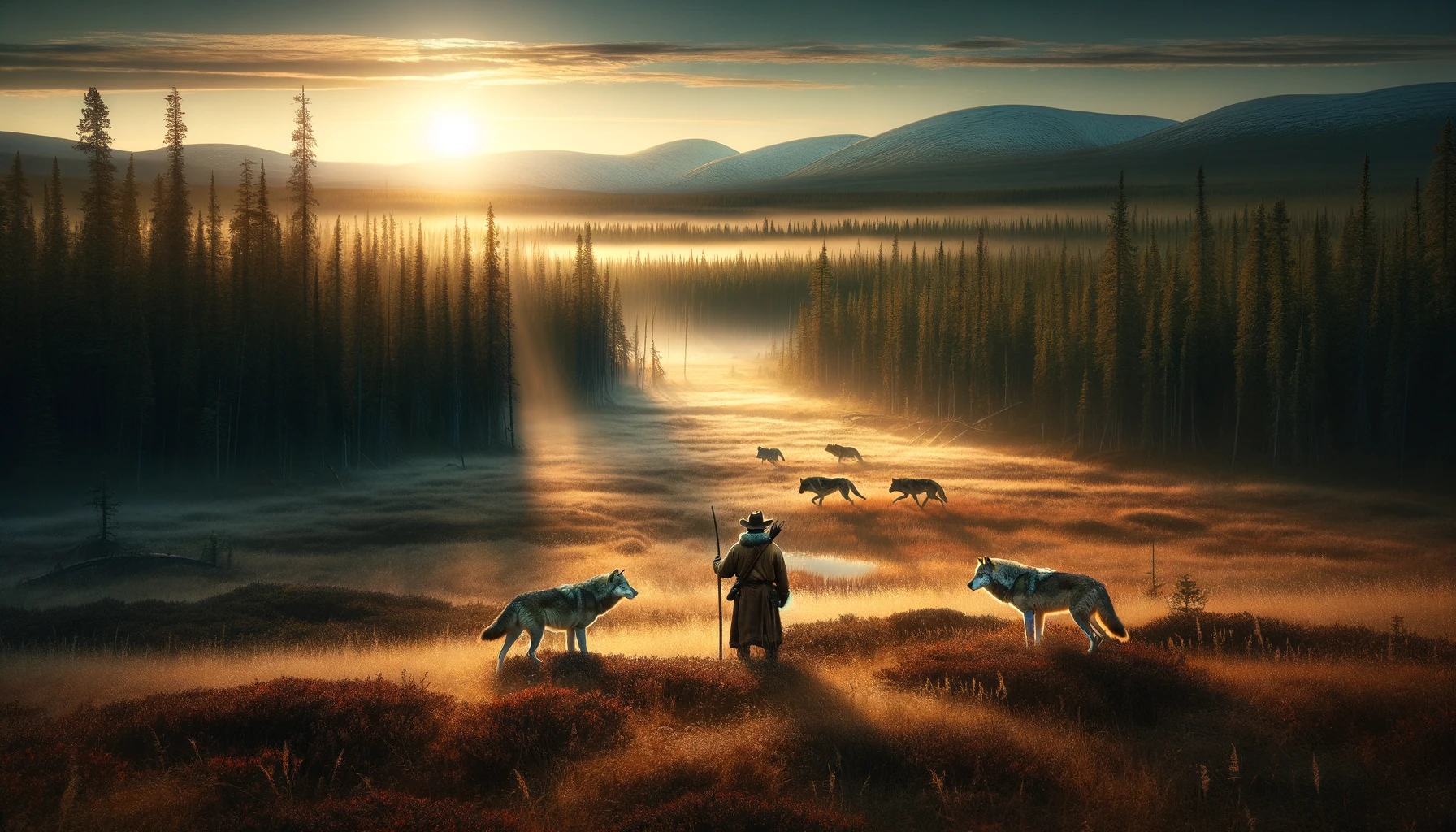
“Hunting with wolves” should not be read as advice to approach, follow, feed, harass, or hunt alongside wild wolves. A safer way to use the idea is to study wolf country with respect: know current regulations, keep distance from wolves and all wildlife, understand how predators affect deer and elk movement, and hunt in a way that does not create conflict.
Table of contents
Quick Answer: Should Hunters Try to Hunt With Wolves?
No. Hunters should not try to hunt beside wild wolves, lure wolves, follow packs, approach dens, or use wolf presence as a shortcut to game. The useful lesson is different: wolves are part of some hunting landscapes, and their presence can affect prey movement, carcass activity, and safety decisions.
Best mindset
Think of wolves as wildlife to respect from a distance. If you hunt in wolf country, plan around current rules, predator sign, carcass awareness, and safe food handling.
What this guide covers
This guide explains what hunters can learn from wolf ecology without turning the topic into unsafe advice, legal guesses, or exaggerated claims about predator behavior.
What Hunting With Wolves Really Means Today
Historically, humans observed wolves, and domesticated dogs later became hunting partners. That history does not mean modern hunters should interact with wild wolves. Today, the practical topic is hunting in places where wolves live.
Wolves are not hunting partners
Wild wolves are not trained dogs. They are predators with their own territory, prey needs, and legal status. Treating them like hunting partners can create danger for people, wolves, livestock, dogs, and other wildlife.
Wolves are part of the landscape
The U.S. Fish and Wildlife Service notes that gray wolves are large wild canids and primarily prey on medium and large hoofed mammals in North America, including deer, elk, moose, caribou, and bison. You can read the USFWS gray wolf profile here: Gray Wolf (Canis lupus).
Ecology is not a tactic sheet
Yellowstone National Park’s wolf information explains how wolves fit into a larger ecosystem, but that does not make their behavior a simple hunting tool. Use wolf ecology as context, not as a plan to manipulate wildlife. See the NPS overview here: Yellowstone wolf ecology.
Local status matters
Wolf status and management rules vary by state, region, and population. A rule that applies in one state or public-land unit may not apply somewhere else. Always check current wildlife agency rules before hunting.
How Wolf Country Changes Hunting Decisions
In areas with established wolf packs, deer, elk, and other prey may use cover, slopes, wind, and escape routes differently. Hunters should read the whole landscape instead of assuming wolves simply “push” game in one predictable direction.
Look for pressure patterns
Fresh tracks, scat, howling, carcasses, and repeated trail-camera activity can show predator presence. That information may explain why prey use thicker cover, move at different times, or avoid certain openings.
Watch escape cover
Prey animals in predator country often value visibility, wind, bedding cover, and escape routes. When scouting, pay attention to benches, saddles, timber edges, creek bottoms, and areas where animals can leave quickly.
Do not overread one sign
One track or one howl does not prove game has left the area. Weather, hunting pressure, food, rut timing, and human access can matter just as much as predator activity.
Safety Rules Around Wolves and Other Wildlife
Most hunters will never have a close wolf encounter, but safe distance is still the right standard. Wolves, bears, cougars, and other wildlife should not be approached for photos, scouting, or curiosity.
Keep distance
Yellowstone National Park tells visitors to stay at least 100 yards from wolves, bears, and cougars, and to back away if an animal moves closer. That is park-specific guidance, but it is a useful safety model for wolf country: Yellowstone safety guidance.
Avoid carcasses
Fresh carcasses can draw predators and scavengers. If you find a fresh kill site or carcass you did not create, leave the area carefully and report it where local rules require.
Protect hunting dogs
If you hunt with dogs in wolf country, check local conflict guidance before the trip. Keep dogs under control, avoid active wolf sign, and do not let dogs investigate carcasses, den areas, or fresh tracks.
Legal and Ethical Checks
Wolf laws are specific and can change. Some populations are federally protected, some are state-managed, and some areas have special rules for public land, depredation response, or reporting.
Check current state rules
Before hunting in wolf country, check your state wildlife agency’s current rules for wolf status, carcass reporting, livestock areas, dogs, bait, predator calls, and public-land restrictions.
Separate federal, state, tribal, and park rules
Federal protections, state wildlife seasons, tribal regulations, national park rules, and private-land access rules can all be different. Do not combine them into one assumption. Check the exact land status before the trip.
Do not harass wildlife
Do not chase, crowd, call, bait, feed, or disturb wolves to change game movement. Harassment can be illegal and can make wildlife conflicts worse.
Use hunter education basics
Safe target identification, knowing what is beyond the target, and respecting land access still matter. If you need a refresher, the IHEA-USA course finder can help locate hunter education options.
Practical Lessons Hunters Can Use
Hunters can learn from wolf country without copying wolves or treating predator behavior as a formula.
Be patient with movement
Wolves cover country and use wind, terrain, and timing. Hunters can take the useful lesson without exaggeration: slow down, watch more, and avoid forcing movement through poor wind or noisy routes.
Scout prey behavior, not just predator sign
Predator sign is only one layer. Look for fresh rubs, tracks, droppings, feeding areas, bedding cover, water, mast, browse, and human pressure.
Plan your recovery route
If you harvest an animal in wolf country, plan field dressing and meat removal before dark when possible. Keep the site clean, watch your surroundings, and follow local rules on carcass disposal.
Common Mistakes
The biggest mistakes come from turning wolf presence into drama instead of treating it as one part of responsible trip planning.
Trying to get close
Do not approach wolves to film, photograph, scare, or test them. Distance protects people and wildlife.
Assuming wolves ruined the hunt
Predator sign does not automatically mean the area is empty. Check food, cover, wind, weather, rut timing, access, and hunting pressure before moving on.
Leaving food or carcass waste carelessly
Food, scraps, and carcass waste can draw predators toward camps, roads, and trailheads. Follow local disposal rules and keep a clean camp.
Related Guides
For broader field planning, read our hunting techniques guide. New hunters should start with the first-time hunting guide. For safety around predators, also review how to use bear spray.
FAQ
Can people legally hunt alongside wild wolves?
No ordinary hunter should try to hunt alongside wild wolves. Wolf laws vary, but approaching, harassing, feeding, or disturbing wildlife can be illegal and unsafe.
Do wolves push deer and elk to hunters?
Sometimes predator pressure affects prey movement, but it is not predictable enough to treat as a tactic. Food, weather, rut timing, terrain, and human pressure also shape movement.
What should I do if I see wolves while hunting?
Keep distance, stay calm, do not approach, and leave the area if needed. Report the encounter if local rules or land managers require it.
Can I use wolf howls or calls while hunting?
Check current regulations first. Calling, baiting, or disturbing wildlife can be restricted, especially where wolves are protected or on certain public lands.
Is it safe to hunt with dogs in wolf country?
It can add risk. Check local wolf-dog conflict guidance, keep dogs under control, and avoid fresh wolf sign, carcasses, and den areas.