Hunting Shooting: Safe Field Shot Judgment
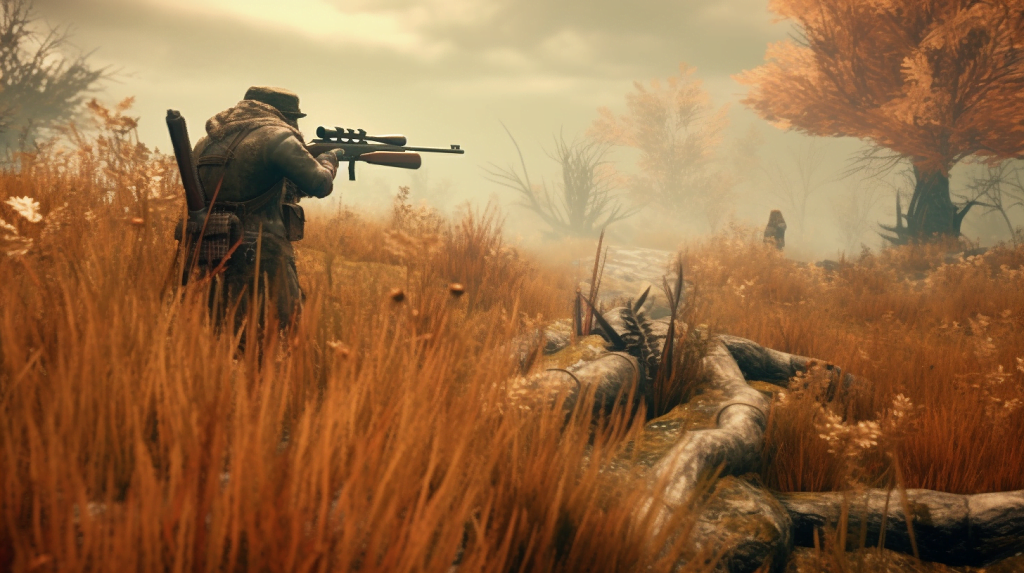
Hunting shooting is about safe, ethical shot judgment in the field. The goal is not to shoot farther or faster. The goal is to identify the animal, confirm the background, stay inside your proven skill limit, and make only shots that give a strong chance of clean recovery.
This guide is for hunters who want a practical safety refresher before the season. It does not replace hunter education, state hunting regulations, firearm manuals, range instruction, or local land rules.
Table of Contents
Quick Answer
A responsible hunting shot is legal, safe, close enough for your proven ability, taken at a good angle, and followed by a serious recovery effort. If you cannot identify the animal, cannot see what is behind it, feel rushed, or are outside your practiced limit, the ethical answer is to pass.
Safe Handling Before Any Shot
Field shooting starts with basic firearm safety. The NSSF firearm safety rules emphasize safe muzzle direction, trigger discipline, correct ammunition, target awareness, and eye and ear protection. Those rules apply in the truck, at camp, while crossing obstacles, and during the hunt.
- Keep the muzzle pointed in a safe direction.
- Keep your finger off the trigger until you are ready to fire.
- Load only when it is legal and safe to do so.
- Unload before climbing, crossing fences, entering vehicles, or handling game.
- Use ammunition that matches the firearm and the hunt.
Many hunting accidents come from ordinary moments when attention drops. Treat every fence crossing, vehicle stop, stand climb, or group movement as a safety checkpoint.
Target Identification and Background
Never shoot at sound, movement, color, or a partial shape. Target identification means you are certain about the species, legal status, sex or antler rules if they apply, and what sits beyond the animal. If any part is uncertain, do not shoot.
Background matters because bullets can travel beyond the target. A safe shot needs a known, safe backstop or a clear understanding of where the projectile can go if it misses or exits. Hillside, terrain, distance, nearby roads, buildings, livestock, and other hunters all matter.
Field Distance and Real Skill Limits
Your field limit should come from repeatable practice, not from advertising claims or a single good group at the range. Wind, cold hands, awkward rests, steep angles, heart rate, and low light can all shrink your real ability in the field.
Set the Limit Before the Hunt
Decide your maximum shot distance before you see an animal. That removes pressure from the moment. If the animal is outside that distance, the decision is already made.
Practice From Field Positions
Benchrest groups are useful for checking zero, but hunting often happens from sitting, kneeling, standing, prone, or supported positions. Practice the positions you may use, and learn how much your accuracy changes.
Shot Angle and When to Pass
Ethical shot angle depends on species, equipment, distance, and your ability. Broadside or slightly quartering-away angles are often clearer for many big-game situations, but no single rule fits every hunt. Learn anatomy from hunter education and qualified mentors before the season.
- Pass if the animal is moving too fast for a controlled shot.
- Pass if brush, branches, or grass block the path.
- Pass if the animal is skylined without a safe background.
- Pass if you cannot confirm legal identification.
- Pass if excitement is making your hold or trigger control fall apart.
The Hunter-Ed guidance on responsible and ethical hunters is a useful reminder that restraint, respect for game, and recovery effort are part of the hunt.
After the Shot: Recovery Comes Next
A shot is not finished when the firearm fires. Watch the animal, mark where it stood, mark the last place you saw it, and listen. If the animal runs, avoid rushing in unless the situation clearly calls for it. Recovery choices depend on species, hit sign, terrain, weather, and local tracking rules.
Bring the tools needed for the hunt: proper light, marking tape where legal, knife, gloves, game bags, water, and a plan for getting meat cooled. The U.S. Fish & Wildlife Service hunting program describes hunting as a managed wildlife-dependent recreation use on many federal lands, and responsible harvest care is part of that public trust.
Hunting Shooting Field Checklist
- Firearm is clean, functioning, and sighted in.
- Ammunition matches the firearm and the hunt.
- License, tag, season, and legal identification rules are confirmed.
- Personal shot-distance limit is set before the hunt.
- Backstop and beyond-target safety are checked before any shot.
- Recovery tools and meat-care plan are ready.
- Hunting partners know the plan, zones of fire, and emergency contact process.
FAQ
What makes a hunting shot ethical?
An ethical hunting shot is legal, safe, within your practiced ability, taken at a suitable angle, and followed by a serious recovery effort. If the answer is uncertain, pass.
How far should I shoot while hunting?
Only shoot within the distance where you can place shots reliably from field positions. Your limit may be much shorter than your firearm’s mechanical range.
Should I shoot at a moving animal?
Most hunters should avoid moving shots unless they have specific training, legal conditions, and proven ability. For many field situations, waiting or passing is the better choice.
What should I do if I am not sure about the target?
Do not shoot. A safe hunter must identify the target and what is beyond it before firing. Sound, movement, or a partial view is not enough.
How can I improve hunting accuracy?
Confirm zero, practice from field positions, use realistic rests, learn wind effects, and keep notes from each range session. Qualified coaching can help find problems faster than guessing alone.
Final Takeaway
Good hunting shooting is measured by judgment. Be safe with the firearm, identify the animal, know the background, stay inside your field limit, pass poor shots, and take recovery seriously.