Competition Shooting Supplies: Match-Day Gear Checklist
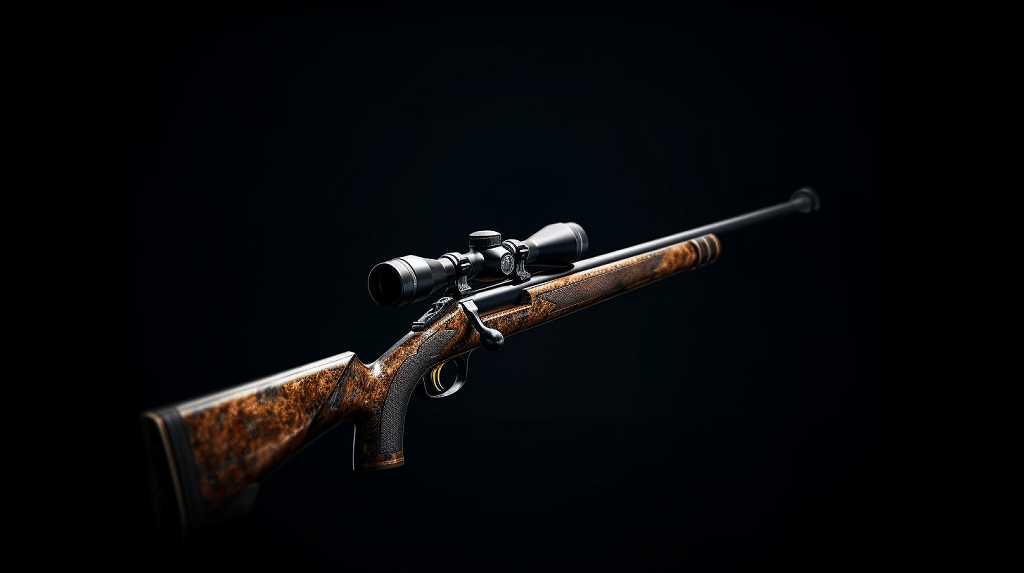
Competition shooting supplies should make match day safer, smoother, and easier to manage. The right kit is not just the firearm and ammunition. It includes eye and ear protection, magazines, belt gear, tools, target supplies, hydration, first aid, and a simple way to keep your stage plan organized.
Before buying gear, check the rulebook for your match type. USPSA, IDPA, steel challenge, precision rifle, clay target, and local club matches can all have different equipment rules. This guide gives a practical checklist, but your match director and current rulebook should control what is allowed.
Table of contents
Quick Answer
For most competition shooters, the core supply list starts with approved eye protection, hearing protection, match-legal firearm setup, enough magazines, ammunition, a sturdy belt system, safe holster or case, chamber flag where required, small tools, water, snacks, and a range bag that keeps everything organized.
New competitors should start simple. Bring reliable gear that fits the rules, then upgrade only after a few matches show what actually slows you down.
Safety Gear
Safety gear is the first part of the checklist. Every match has its own procedures, but safe muzzle direction, trigger discipline, eye protection, and hearing protection are non-negotiable basics. The NSSF firearm safety rules are a useful public reference.
Eye protection
Use impact-rated shooting glasses that stay on while moving, bending, and resetting targets. Clear lenses help in low light; tinted lenses may help outdoors. For more detail, see our shooting eye and ear protection checklist.
Hearing protection
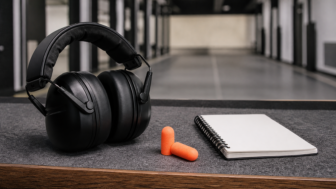
Electronic earmuffs are popular because they reduce gunshot noise while letting you hear range commands. Some shooters double up with plugs and muffs, especially around indoor ranges, rifles, or compensated firearms.
Chamber flags and safe tables
Some match types require chamber flags or specific handling areas. Do not handle firearms, magazines, or ammunition in a way that conflicts with match rules. Ask a range officer before assuming a table is safe for gear handling.
Firearm, Ammo, and Magazines
Your firearm and ammunition should be reliable before match day. A competition is the wrong place to discover that a new magazine, optic mount, or handload does not run well.
Match-legal firearm setup
Check division, class, or match rules before modifying a firearm. A trigger, optic, magazine extension, compensator, or holster position can move gear into a different division or make it unsuitable for a match.
Enough magazines
Bring more magazines than the minimum. Extra magazines help when one hits the dirt, gets damaged, or needs to be staged for a later course of fire.
Ammunition count
Bring enough ammunition for the match plus extra for reshoots, misses, sight confirmation, or stage changes. Keep it organized by caliber and load, and follow all range rules for where ammunition may be handled.
Belt, Holster, and Pouches
Belt gear should support safe handling first and speed second. A setup that shifts, sags, or blocks a clean draw can create problems under match pressure.
Competition belt
A two-piece competition belt can keep holsters and pouches in a repeatable position. For casual or first matches, a sturdy standard belt may be enough if it meets the match rules and holds gear securely.
Holster choice
Use a holster that fits the firearm, covers the trigger guard, and meets the rulebook. Do not use a holster that collapses into the trigger area or allows the firearm to shift during movement.
Magazine pouches
Magazine pouches should hold magazines securely while still letting you reload cleanly. Adjust tension at home and confirm it during dry practice with an unloaded firearm.
Range Bag Supplies
A good range bag keeps small items from becoming a match-day distraction. Pack the bag the same way each time so you know where everything lives.
- Tools: hex keys, screwdriver bits, optic battery tool, small torque tool if needed.
- Cleaning items: bore snake, small brush, cloth, lubricant, and chamber brush.
- Spare parts: optic batteries, fiber-optic rods, screws, magazine base pads, and small springs if your platform needs them.
- Admin gear: pen, notebook, tape, marker, chamber flag, score stickers, and match paperwork.
- Personal gear: water, snacks, sunscreen, hat, gloves, rain layer, and basic first aid.
Keep tools legal and safe
Some adjustments may be allowed only at certain times or locations during a match. If you are not sure, ask a range officer before working on gear at the range.
Do not skip hydration
Long matches can involve heat, sun, rain, and hours of waiting. Water and food are not exciting gear, but they help you stay focused and safe.
Targets, Timers, and Scoring Tools
Most organized matches provide targets and scoring systems, but practice sessions are different. For home-range practice, bring target stands, pasters, staples, tape, steel-rated supplies, and a shot timer only when your range allows them.
Targets and backers
Match targets should follow the discipline rules. For practice, choose targets that support safe backstops and clear scoring. Our guide on choosing shooting targets can help with target type and safety considerations.
Shot timer
A shot timer can make practice more measurable, but it can also encourage rushing. Use it after safe fundamentals are consistent, not as a substitute for them. For broader skill work, see our guide on improving long-range shooting fundamentals.
Score tracking
Track penalties, misses, stage notes, and gear problems. Patterns in your notes can show whether you need more magazines, better footwear, a different pouch position, or more dry-fire practice.
Match-Day Checklist
Use this checklist the night before a match. It is easier to solve missing gear at home than in the parking lot.
- Firearm, case, magazines, and match-legal belt gear
- Eye protection and hearing protection
- Ammunition count plus reasonable extra
- Chamber flag or safety flag if required
- Tools, spare batteries, and small maintenance kit
- Water, snacks, sun/rain protection, and first aid
- Rulebook, match email, stage notes, and payment or membership details
- Positive attitude and willingness to ask safety questions
For official match details, check the current rulebook or club instructions. USPSA and IDPA publish rule information on their official sites, and local clubs may add range-specific procedures. NSSF also maintains general shooting education resources.
FAQ
What supplies do I need for my first competition shooting match?
Bring eye and ear protection, a match-legal firearm, magazines, ammunition, safe belt or case setup, water, snacks, and any gear required by the match rules. Start simple and ask the match director if you are unsure.
Do I need a competition belt right away?
Not always. Some first matches can be shot with basic gear if it is safe and legal for the match. A dedicated belt becomes more useful as you learn your division and stage needs.
How much ammunition should I bring?
Check the match round count and bring extra for reshoots, make-up shots, and unexpected changes. Do not bring ammunition that has not been tested in your firearm.
Can I modify my gun for competition?
Only if the modification is safe and allowed in your division or match type. Check the current rulebook before changing triggers, optics, magazines, holsters, or compensators.
What is the most overlooked match supply?
Water, spare batteries, and small tools are often forgotten. Safety gear matters most, but small support items can save a match day from avoidable frustration.
Bottom Line
Competition shooting supplies should support safety, rule compliance, reliability, and repeatable routines. Pack the basics first, verify match rules, and upgrade gear only after real match experience shows what you need.