AR-15 Parts Diagram: Main Components and What They Do
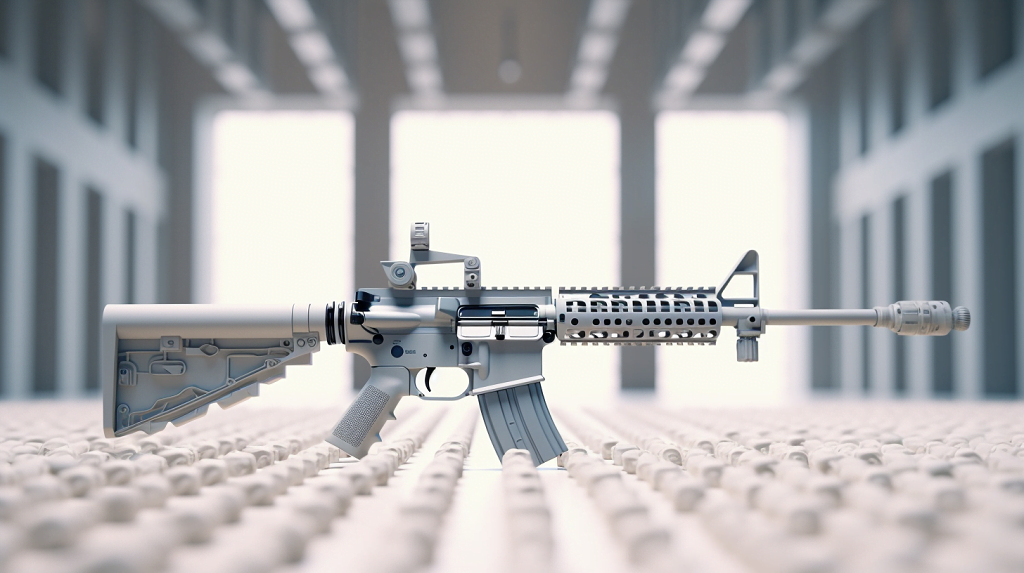
An AR-15 parts diagram is useful because it helps owners identify the main assemblies of the rifle and understand what each area does. The goal is basic recognition, safer communication, and better maintenance conversations, not unsupported modification advice.
This guide explains the major AR-15 components in plain language. Always follow the manual for your firearm, obey federal, state, and local law, and use a qualified gunsmith for work that affects safety, reliability, or legal configuration.
Table of Contents
Before You Study AR-15 Parts
Start with safety. Before handling any firearm, confirm it is unloaded, point it in a safe direction, keep your finger away from the trigger, and remove ammunition from the workspace. The NSSF firearm safety rules are the baseline for any handling, cleaning, or inspection task.
The AR-15 is commonly described as a modular rifle platform, but modular does not mean every part swap is simple, safe, or legal. Some parts affect headspace, gas pressure, function, classification, or state-law compliance. For ownership, transfer, and federal legal topics, use official sources such as the ATF firearms pages and current local law.
Upper Receiver Group
The upper receiver group holds several parts that guide, chamber, and support the cartridge as the rifle cycles. On many AR-15 style rifles, the upper and lower receivers are separate assemblies joined by takedown pins.
Upper Receiver
The upper receiver is the main housing for the bolt carrier group and charging handle. It also provides the mounting area for the barrel and often has a rail for sights or optics.
Forward Assist and Ejection Port Cover
Some uppers include a forward assist and ejection port cover. The forward assist is intended to help seat the bolt in certain conditions, while the dust cover helps keep debris out of the action when closed. Not every upper has the same features.
Lower Receiver Group
The lower receiver is the serialized part on many AR-15 style rifles under federal law. It houses the fire-control group, magazine well, safety selector, grip, and attachment points for the stock or brace system depending on configuration and law.
Fire-Control Group
The fire-control group includes parts such as the trigger, hammer, disconnector, springs, and safety selector. These parts affect safe operation and should not be altered without proper training and legal awareness. If the trigger feels unsafe or inconsistent, stop using the rifle and have it inspected.
Magazine Well and Controls
The magazine well holds the magazine. The magazine release, bolt catch, safety selector, and takedown pins are controls that help load, unload, operate, and separate major assemblies. Learn these controls with the rifle unloaded and the muzzle pointed in a safe direction.
Pistol Grip
The grip helps the shooter control the rifle and reach the trigger and safety selector. Grip style may be regulated in some places when combined with other features, so check current local law before changing parts.
Barrel, Gas System, and Handguard
Barrel
The barrel guides the bullet and contains chamber pressure during firing. Barrel length, chambering, twist rate, profile, and muzzle threading all matter. Barrel work is safety-sensitive, so use manufacturer guidance and a qualified professional when needed.
Gas Block and Gas Tube
Many AR-15 style rifles use a gas system to cycle the action. Gas is routed from the barrel through a gas block and gas tube back toward the bolt carrier group. Gas system length and setup can affect reliability, recoil feel, and wear.
Handguard
The handguard gives the support hand a place to hold the rifle and may provide attachment space for accessories. It also helps keep the hand away from the hot barrel. Avoid adding accessories that make the rifle unsafe, too heavy, or noncompliant with law.
Bolt Carrier Group and Charging Handle
Bolt Carrier Group
The bolt carrier group, often called the BCG, is the moving assembly that strips a round from the magazine, chambers it, locks, fires, extracts, and ejects as the rifle cycles. It includes parts such as the carrier, bolt, cam pin, firing pin, extractor, and gas key.
Keep the BCG clean and lubricated according to the manual. If you see cracked lugs, damaged gas rings, a loose gas key, broken extractor parts, or unusual wear, stop using the rifle until it is checked.
Charging Handle
The charging handle lets the shooter manually cycle the action. It is used during loading, unloading, chamber checks, and malfunction-clearing procedures taught by qualified instructors. Use it only while maintaining muzzle control and trigger discipline.
Stock, Buffer Tube, and Recoil System
The stock or brace area attaches to the rear of the lower receiver assembly. A rifle stock helps shoulder the firearm and align the eye with sights or optics. Legal rules around stocks, braces, barrel length, and firearm classification can change, so verify current law before changing this area.
The buffer tube, buffer, and buffer spring help manage cycling. Changing buffer weight, spring type, or gas setup can affect reliability. If you are diagnosing cycling problems, use safe range procedures and qualified help rather than guessing through parts swaps.
Sights, Optics, and Magazines
Iron Sights and Optics
AR-15 style rifles may use iron sights, red dots, prism optics, low-power variable scopes, or magnified rifle scopes. Match the sighting system to the rifle’s use and confirm zero at the range. For more scope-selection detail, see our guide on choosing the right rifle scope.
Magazines
The magazine stores cartridges and feeds them into the rifle. Magazine condition can affect reliability. Capacity laws vary by location, so check current rules where you live and hunt or shoot.
For a broad background reference on the platform, see the overview of AR-15 style rifles. For safety training basics, the Hunter Ed firearms safety rules are a useful refresher.
FAQ
What are the main parts of an AR-15?
The main assemblies are the upper receiver group, lower receiver group, barrel and gas system, bolt carrier group, charging handle, stock or brace area, sights or optics, and magazine.
Which AR-15 part is serialized?
On many AR-15 style rifles, the lower receiver is the serialized firearm under federal law. Legal details can change and state rules may differ, so check official sources before buying, selling, or changing parts.
Can I replace AR-15 parts myself?
Some owner-level parts are simple, but others affect safety, reliability, pressure, or legal configuration. Follow the manual and use a qualified gunsmith for anything you are not trained to handle.
What does the bolt carrier group do?
The bolt carrier group cycles the action. It helps chamber a round, lock the bolt, fire, extract, eject, and reset the rifle for the next shot.
Why do AR-15 parts laws vary by state?
States and local jurisdictions may regulate features, magazine capacity, barrel length, stocks, braces, or configurations differently. Always check current law where the firearm is owned, transported, or used.
Related reading: basic gun safety rules and gun storage laws guide.