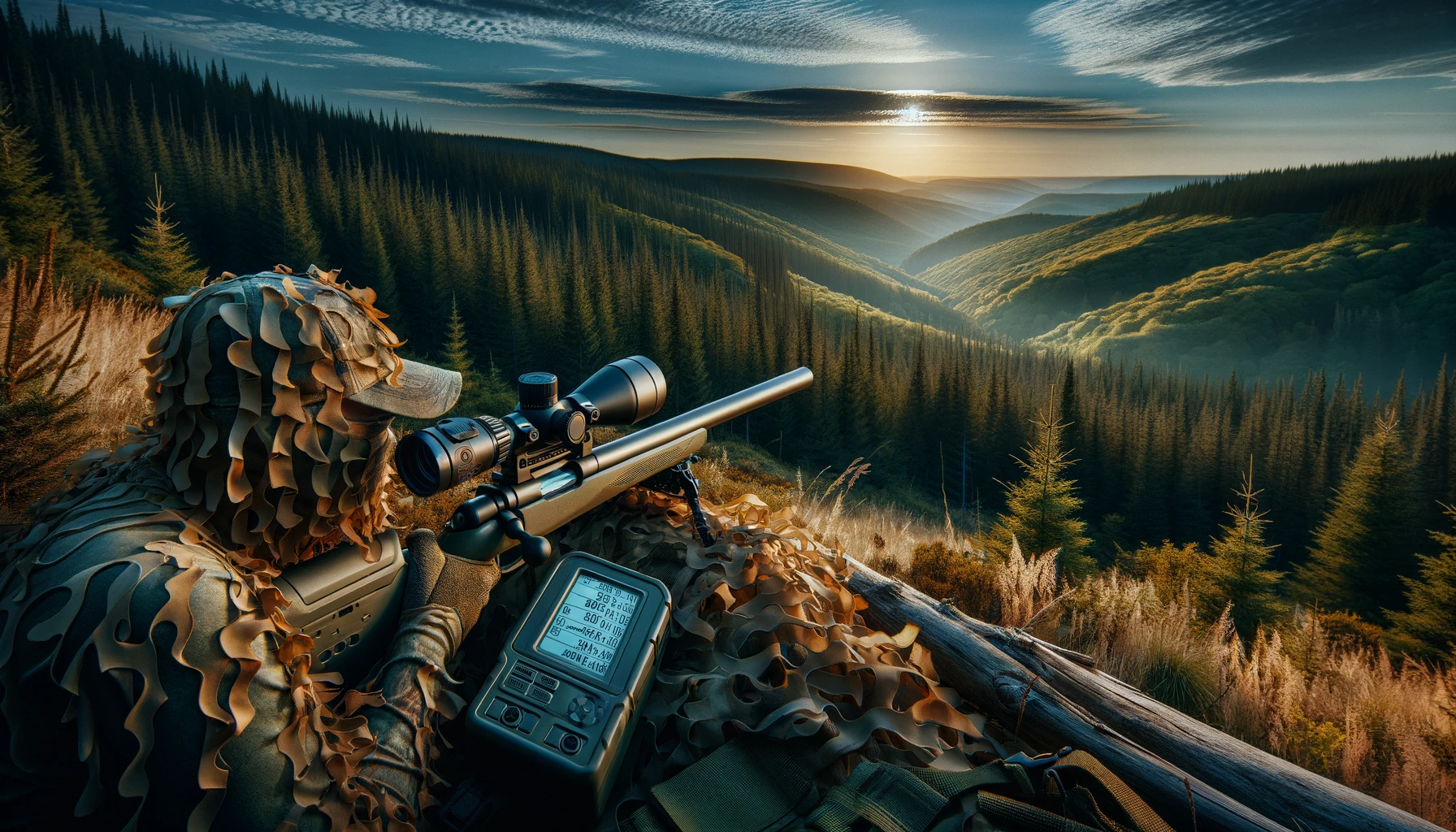
Predator hunting is a challenging and thrilling pursuit that requires a blend of skill, patience, and strategy. Unlike hunting ungulates, predators present a unique set of challenges due to their keen senses, intelligence, and often nocturnal habits. This guide delves into advanced tactics that can elevate your predator hunting success, focusing on techniques for coyotes, bobcats, and other common predatory species.
Understanding Predator Behavior
Keen Senses
Sight, Sound, and Smell: Predators have highly developed senses. Effective tactics often involve minimizing your scent, moving quietly, and using camouflage to blend into the environment.
Territorial Nature
Leveraging Territorial Instincts: Predators are highly territorial. Using calls that mimic intruders or prey in distress can trigger a predator’s territorial or predatory instincts, bringing them into range.
Tactical Approaches
1. Calling Techniques
Variety and Realism: Use a mix of electronic and mouth calls to simulate prey animals or territorial challenges. Changing calls and patterns can keep predators engaged and curious.
2. Decoy Use
Visual Attraction: Pairing calls with visual decoys can significantly increase attraction. Decoys simulating small animals or even rival predators can add an element of realism to your setup.
3. Ambush Sites
Strategic Placement: Choose your hunting spot based on wind direction, cover, and visibility. Elevated positions can offer a better view and reduce scent dispersion.
Equipment Essentials
Optics
High-Quality Glass: Invest in quality optics for spotting and identifying predators at a distance, especially in low light conditions.
Camouflage and Scent Control
Stealth Gear: Use camo patterns appropriate for the terrain and season. Scent control sprays and clothing can help mask human odor.
Firearms and Ammunition
Precision Shooting: Choose a rifle or bow that you are comfortable with for long-range precision. Ammunition should be selected for its stopping power and accuracy.
Night Hunting Strategies
Utilizing Light and Night Vision
Tactical Illumination: Use red or green lights for minimal disturbance. For a more high-tech approach, night vision scopes and thermal imaging can provide a significant advantage.
Sound Discipline
Quiet Operation: Noise discipline is crucial. Keep movements and gear noise to a minimum to avoid alerting wary predators.
Ethical Considerations
Respect for Wildlife
Humane Practices: Ensure that all shots are taken with the intention of a quick and humane harvest. Understanding predator anatomy is crucial for effective shot placement.
Conservation Mindset
Population Management: Recognize the role of predator hunting in maintaining balanced ecosystems. Work with local wildlife agencies to understand population dynamics and hunting regulations.
Conclusion
Advanced predator hunting tactics require not just mastery of equipment and calling but also an in-depth understanding of predator behavior and habitat. By applying these strategies with respect and consideration for wildlife conservation, hunters can enjoy the challenges and rewards of pursuing these intelligent and elusive animals. Remember, success in predator hunting comes not just from the harvest but from the experience, knowledge gained, and contributions to ecosystem health.
Frequently Asked Questions (FAQs)
What’s the best time of day for predator hunting?
Predators are most active during dawn and dusk, making these ideal times. However, nocturnal hunting can also be highly effective, especially with the right equipment.
How long should I wait between calling sequences?
Start with 15-20 minute sessions, varying the intensity and type of calls. Observation and experience will guide adjustments to this timing based on predator responses.
Is baiting effective for predator hunting?
While baiting can attract predators, its legality varies by region and species. Always check local regulations before using bait.
How can I practice for long-range shots?
Regularly practice at a shooting range, gradually increasing distances. Use ballistic calculators and apps to understand how environmental factors affect your shooting.
Can predator hunting impact local ecosystems?
When conducted responsibly and within regulation, predator hunting can help maintain balanced ecosystems by preventing overpopulation and associated issues.