Bear Hunting Dog Breeds: Legal Checks, Safety, and Dog Welfare
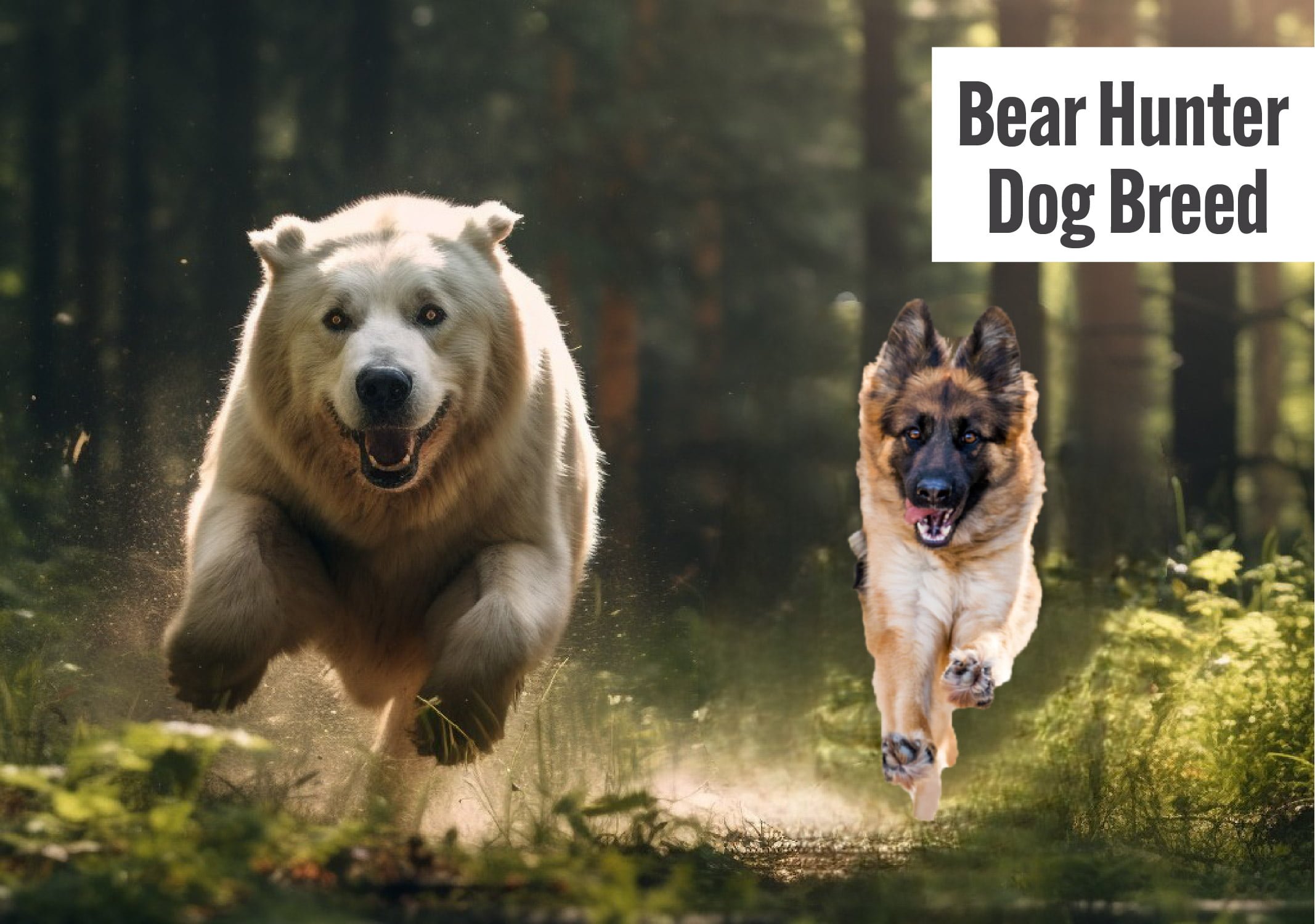
Bear hunting dog breeds should be discussed with caution. Breed history does not make bear hunting safe, legal, or appropriate everywhere. Before any dog is used around bears, hunters must confirm current law, land rules, dog-use restrictions, public-safety risks, and the dog’s welfare needs.
This guide explains common bear-hunting dog types, why they are high-responsibility dogs, and what safety questions matter before anyone considers field use. It is not a tactics manual and does not replace local regulations or professional guidance.
Table of Contents
Quick Answer
Dog types historically associated with bear hunting include Plott Hounds, Treeing Walker Coonhounds, Bluetick Coonhounds, Redbone Coonhounds, Black and Tan Coonhounds, and Karelian Bear Dogs. These breeds or types may have strong scent drive, voice, stamina, and treeing or tracking ability, but they also require serious handling, legal access, conditioning, and risk planning.
The most important point: a dog’s breed does not remove the danger to the dog, handler, public, or bear. If local law, land access, road safety, dog recovery, or veterinary planning is unclear, do not proceed.
Legal and Safety Checks First
Bear hunting with dogs is regulated differently across states and land types. Some places restrict or prohibit dog use for bear. Others may have seasons, permits, unit rules, training rules, pursuit-only rules, public-land restrictions, or reporting requirements.
Check your current state wildlife agency regulations before making any plan. Do not rely on an old article, forum post, or past-season memory. Hunter-Ed explains why hunters need to understand hunting laws and regulations before going afield.
Also check land ownership, road access, private-property boundaries, livestock areas, public trails, and weather. A dog that crosses a boundary or road can create immediate safety and legal problems.
Common Bear Hunting Dog Types
Plott Hound
The Plott Hound is a scent hound with a strong hunting background. The American Kennel Club describes the Plott Hound as a hound-group breed with endurance and a working history.
Fit caution: strong drive, voice, and scent focus can be difficult for inexperienced owners without secure containment and hound-specific training support.
Treeing Walker, Bluetick, Redbone, and Black and Tan Coonhounds
Coonhound types are often known for scent work, voice, stamina, and treeing behavior. In legal settings, some handlers may use hounds for bear work, but the dogs still need conditioning, identification, road planning, and experienced handling.
Fit caution: these dogs can range, vocalize, and follow scent with intensity. They are usually a poor fit for owners who cannot manage daily exercise, boundaries, and training.
Karelian Bear Dog
Karelian Bear Dogs are often discussed around bear work and wildlife conflict programs. They are intense working dogs and should not be chosen only because the name sounds specialized.
Fit caution: this type of dog requires informed ownership, socialization, training, secure handling, and a legal purpose. It is not a casual novelty pet.
Dog Welfare and Injury Risk
Working dogs around bears face real injury risk. Terrain, heat, cold, long distance, water, roads, cuts, exhaustion, and wildlife contact can all become emergencies. Handlers should plan veterinary access, dog recovery, identification, and first aid before field work.
The American Veterinary Medical Association offers practical guidance on hunting with your dog safely. For bear-related dog work, a welfare-first approach is essential because the stakes are high.
Do not run unfit, injured, overheated, poorly controlled, or unconditioned dogs. If the dog’s safety plan is weak, the hunt should not happen.
Public Safety, Roads, and Property
Dog-based bear hunting can affect people beyond the hunting party. Hounds may cross roads, enter private land, move near homes, or encounter hikers, livestock, and other hunters. Public conflict and dog recovery problems often start with poor planning.
The National Park Service’s general bear safety guidance is not a hunting manual, but it is a useful reminder that bears demand space, planning, and respect. Any hunt plan that increases risk to uninvolved people or animals needs to be changed.
Choosing by Fit, Not Bravery
Do not choose a bear hunting dog breed because the dog sounds brave or tough. Choose only after confirming the legal use, training support, home fit, exercise needs, noise level, containment, and welfare plan.
Many hounds are not easy suburban pets. They may be loud, driven, independent, and difficult to contain if scent takes over. A responsible owner plans for the dog’s daily life, not only the hunting season.
Responsibility Checklist
- Confirm current bear hunting and dog-use rules for the exact location.
- Get land permission and understand public-land boundaries.
- Plan road crossings, dog recovery, communication, and emergency pickup.
- Use identification and tracking methods allowed by local law.
- Confirm dogs are conditioned, healthy, and handled by experienced people.
- Carry water, first-aid supplies, and veterinary contact information.
- Avoid areas with public trails, homes, livestock, or unmanaged road risk.
- Stop if weather, dog condition, visibility, public safety, or boundaries become unsafe.
FAQ
What dog breeds are used for bear hunting?
Breeds and types historically associated with bear hunting include Plott Hounds, coonhound types, and Karelian Bear Dogs. Legal use depends on the state, land type, season, and method rules.
Is bear hunting with dogs legal?
It depends on the location. Some places restrict or prohibit dog use for bear, while others regulate it under specific seasons, permits, or methods. Check current state wildlife regulations.
Is bear hunting dangerous for dogs?
Yes. Dogs can face injury, exhaustion, heat stress, road risk, and wildlife contact. Dog welfare and emergency planning are central parts of responsible decision-making.
Are bear hunting dogs good family dogs?
Some can be good in the right home, but many hounds and working dogs need serious exercise, secure containment, training, and noise tolerance. Choose by daily fit, not only field history.
Should beginners use dogs for bear hunting?
Beginners should not attempt it without experienced, responsible guidance and current legal confirmation. The risks to dogs, people, public access, and wildlife are too high for guesswork.