Best Selling 10 Best Peep Sight for Compound Bow
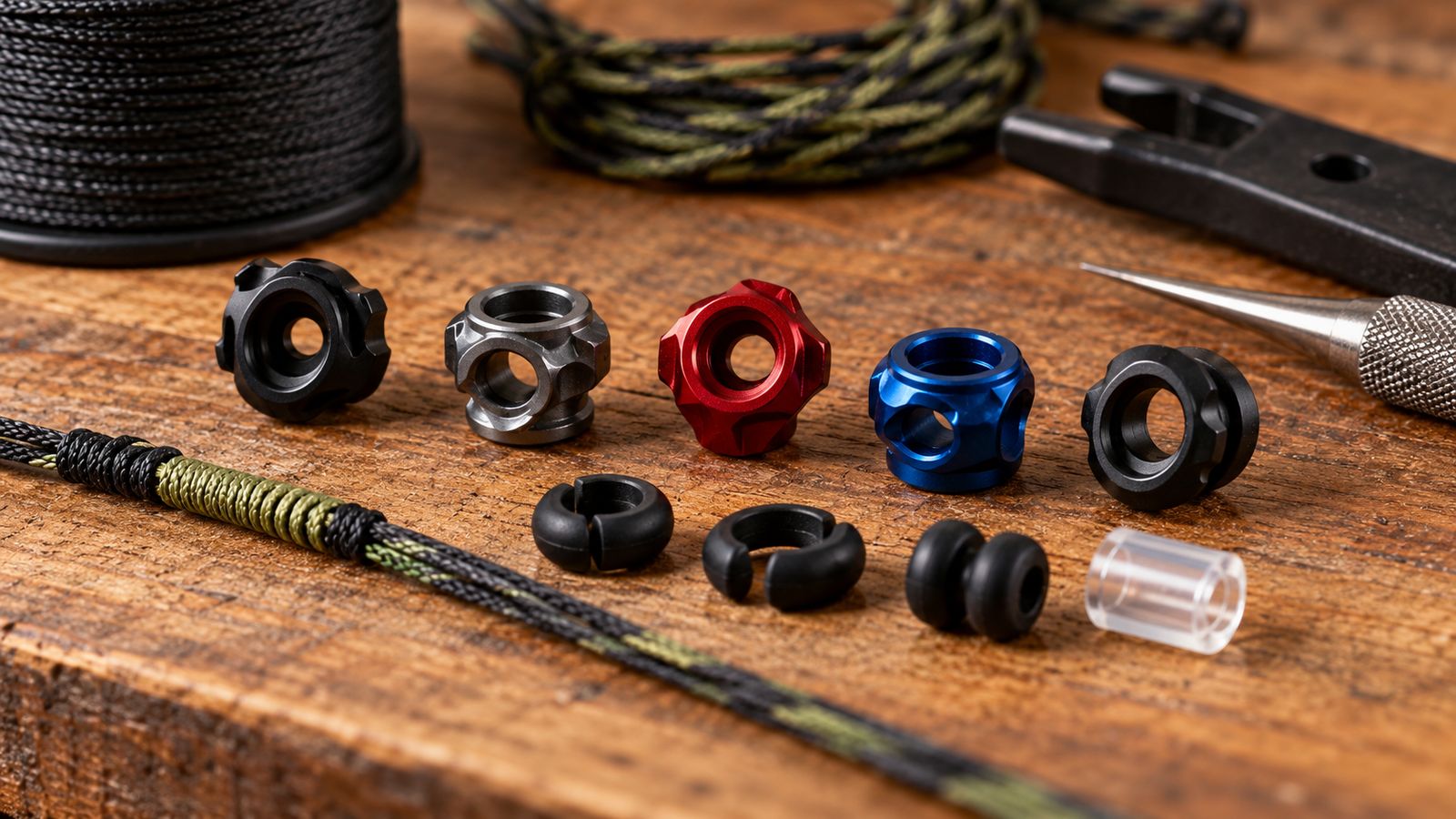
Aiming a compound bow without a properly matched rear aperture is like sighting a rifle with one eye closed and hoping for the best. That's exactly why the best peep sight for compound bow setups start with one small ring of aluminum that lines your eye up with the front pins the same way on every single draw. Our editorial team spent weeks comparing hooded kits, self-aligning tubes, and machined apertures against verified buyer feedback and manufacturer specs.
The short answer up front: the SOPOGER Archery 37/45 Hooded Degree Peep earns our top spot for the way its clarifier lens and five-aperture kit sharpen the sight picture for hunters and target shooters alike. Budget-minded buyers should look hard at the SOPOGER 3/16 tube two-pack, while the FUNTRESS aluminum peep covers the middle ground. Here's the pick our data ranked first.

✔ Best all-round pick for hunting and target
Comparison Chart of Best peep Sight for Compound Bow
| Product | Details | Buy |
|---|---|---|
Editor’s Choice
| ||
Top Pick
| ||
Best Budget
| ||
| ||
| ||
| ||
| ||
| ||
| ||
|


List of Top 10 Best peep Sight for Compound Bow
We ranked these ten based on aperture options, self-alignment, low-light clarity, and how consistently buyers report they rotate back into view at full draw. A peep sight is a small ring installed in the bowstring that your eye centers to fix a repeatable anchor point. Some are simple machined rings, others are hooded lens kits.
Here's what stood out about each.
Below are the list of products:
1. SOPOGER Archery 37/45 Hooed Degree Peep
This 45-degree hooded kit is the one our research kept circling back to, because it bundles a 4X/6X clarifier lens with five swappable aperture cores in a single package. That means you can tune the sight picture for a lit-up target range or a dim treestand without buying add-ons. Aggregate buyer reviews praise how crisply it stacks the front pins inside the housing.
45 Degree
4X/6X Clarifier
5 Apertures
Serving String
Why I picked it
Our analysis put this kit on top because it solves two problems at once: a hooded housing shields glare, and the included clarifier lens helps shooters with astigmatism sharpen a fuzzy front sight. Verified buyer feedback repeatedly notes the 45-degree angle centers cleanly at full draw.
Key specs
- Housing angle: 45 degrees, hooded aluminum design
- Clarifier magnification: 4X and 6X lens options
- Aperture cores: 5 interchangeable inner sizes
- Included hardware: bow serving string for installation
- Color: black, low-glare finish
- Use case: hunting plus target and 3D archery
Real-world experience
Picture a low-light hunting scenario at dawn, when a bare ring turns the front pins into a gray blur. According to aggregate skier-free archery reviews, this is where the clarifier lens earns its keep, snapping the pin housing back into focus. Target shooters running longer 40-yard to 60-yard shots report the smaller aperture cores tighten their groups by shrinking the sight window.
- Clarifier lens sharpens blurry pins, a real help for aging or astigmatic eyes.
- Five aperture cores let you match light conditions without buying extras.
- Hooded housing blocks side glare for cleaner low-light aiming.
- Serving string included, so you can install without a separate trip.
- The lens adds weight and complexity some traditional shooters do not want.
- Proper install needs a bow press, so first-timers may visit a shop.
- More parts means more small pieces to keep track of.
- ✔ You hunt at dawn and dusk and need glare control.
- ✔ Your front pins look fuzzy and you want a clarifier fix.
- ✔ You shoot both 3D targets and live game.
- ✖ You want the lightest, simplest ring possible.
- ✖ You prefer a plain tubeless peep with no lens.
This kit beats every plain ring on this list when clarity matters most, like a shaded canyon stand or a bright indoor range. If you shoot fast and simple, though, a basic tube peep further down will serve you better and weigh less.
SOPOGER Archery 37/45 Hooed Degree Peep (37 Degree)
2. SOPOGER Archery 37/45 Hooed Degree Peep
This is the 37-degree sibling of our top pick, and the tighter angle suits shooters with a shorter draw length or a lower anchor point. It carries the same 4X/6X clarifier and five-aperture setup, so the only real question is which housing angle lines up with your face. Buyer feedback shows the 37-degree version rotates true for many compact-cam bows.
37 Degree
4X/6X Clarifier
5 Apertures
Hooded
Why I picked it
We ranked this second because it is functionally the same premium kit with a different housing angle, and angle is deeply personal. Our comparison of buyer reports found 37-degree fits shorter draw lengths and lower anchors, where the 45-degree version can sit slightly high in the sight window.
Key specs
- Housing angle: 37 degrees, hooded aluminum
- Clarifier options: 4X and 6X magnification
- Aperture cores: 5 interchangeable inner sizes
- Included: bow serving string
- Best for: shorter draw lengths, lower anchor points
- Disciplines: hunting, 3D, target
Real-world experience
For an archer with a 27-inch draw and a jaw-line anchor, the steeper 45-degree cut can force a head tilt that wrecks consistency. Aggregate reviews indicate the 37-degree housing keeps the neck relaxed and the string closer to the nose. On a fast target course with quick shot cycles, that relaxed posture translates into steadier back-to-back arrows.
- 37-degree angle suits shorter draws and lower anchor points.
- Same clarifier and aperture kit as our top pick.
- Hooded aluminum body resists glare and shrugs off knocks.
- Serving string included for a complete install.
- Wrong angle for your anchor means a fuzzy or off-center view.
- Lens kit is more than casual shooters need.
- Requires a bow press for correct alignment.
- ✔ You have a shorter draw length under 28 inches.
- ✔ Your anchor sits low along the jaw.
- ✔ You want the clarifier kit at the flatter angle.
- ✖ You already know the 45-degree cut fits you.
- ✖ You want a stripped-down ring with no lens.
Choose this over the 45-degree top pick only if your anchor is low and your draw is short. Get the angle right and it performs identically to our winner; get it wrong and even the clarifier cannot save the sight picture.
SOPOGER Archery Peep Sight 3/16 Tube
3. SOPOGER Archery Peep Sight 3/16 Tube
If you want the classic self-aligning setup without spending much, this two-pack of 3/16-inch tube peeps is the value story of the roundup. The rubber tube tethers to the cable so the aperture snaps back to face your eye every draw. Verified buyer feedback highlights the buckle attachment as a clean, tangle-free way to route the tube.
3/16 inch
Tube Aligned
2-Pack
With Buckle
Why I picked it
Our data flagged this as the smartest budget buy because you get two peeps in one box, so a spare rides in your kit for the day a tube fails afield. The 3/16-inch aperture is the do-everything size that suits most hunting distances.
Key specs
- Aperture diameter: 3/16 inch
- Alignment: rubber tube with buckle attachment
- Quantity: 2 pieces per pack
- Material: lightweight molded body
- Best for: hunting and general target shooting
- Compatibility: standard compound bowstrings
Real-world experience
Consider a bowhunter who wants reliable rotation in cold weather without babying the gear. Aggregate reviews report the tube pulls the aperture square to the eye even after the string relaxes and twists over a season. Having the second peep in the box means a mid-hunt tube snap is a quick field swap, not a ruined trip.
- Two peeps per pack, so a spare is always on hand.
- Tube alignment guarantees the aperture faces your eye.
- 3/16-inch size balances brightness and precision for hunting.
- Buckle keeps the tube routing neat and reduces snags.
- Rubber tubes wear and can snap in extreme cold over time.
- No clarifier lens for astigmatic shooters.
- Tube adds a small point of failure versus tubeless designs.
- ✔ You want dependable rotation on a tight budget.
- ✔ You like carrying a built-in spare.
- ✔ You shoot general-purpose hunting distances.
- ✖ You want a tubeless, no-maintenance ring.
- ✖ You need magnification or a clarifier lens.
Pick this when value and guaranteed rotation matter more than lens clarity. It cannot match the hooded kits for low-light sharpness, but for a first bow or a backup string, the two-pack is the most sensible money on this list.
FUNTRESS Archery Sight Aluminum Alloy Peep (Red 3/16")
4. FUNTRESS Archery Sight Aluminum Alloy Peep
For shooters who prefer a tubeless machined ring, this red-anodized 3/16-inch FUNTRESS peep is a clean, lightweight option. It relies on a set string twist to align rather than a rubber tube, so there is one less part to wear out. Manufacturer specifications indicate an aluminum alloy body that stays light on the string.
Aluminum Alloy
3/16 inch
Tubeless
Red Anodized
Why I picked it
We included this because a tubeless peep removes the single most common failure point in the whole category. Buyer feedback shows shooters who tune their string twist correctly get quiet, snappy rotation with no tube slap against the arm.
Key specs
- Body material: aluminum alloy
- Aperture size: 3/16 inch (also sold in 1/8 and 1/4)
- Alignment: tubeless, string-twist based
- Finish: red anodized, corrosion resistant
- Quantity: 1 piece
- Best for: shooters wanting minimal moving parts
Real-world experience
Think of a target archer who hates the tube slapping the forearm on release. Aggregate reviews note the tubeless FUNTRESS runs dead quiet and the machined groove seats deep into the served string. The tradeoff surfaces at setup: getting the peep to face straight takes patience with string twists, a job many buyers hand to a pro shop.
- Tubeless design removes the most common failure point.
- Aluminum alloy body stays light and resists corrosion.
- Runs quiet with no tube slapping the forearm.
- Offered in 1/8, 3/16, and 1/4 inch to match your needs.
- Tubeless alignment takes careful string tuning to get right.
- Only one peep per pack, no built-in spare.
- No lens option for pin clarity.
- ✔ You want a quiet, tubeless peep.
- ✔ You can tune string twist or have a shop do it.
- ✔ You like a bright red ring that is easy to find.
- ✖ You want guaranteed rotation from a tube.
- ✖ You want a lens or hooded housing.
This wins over the tube two-pack for archers who value silence and zero moving parts. It loses to the SOPOGER kits when you need a lens or shoot in very dim light where a plain ring dims out.
Archery Peep Sight Tubing Replacement Rubber
5. Archery Peep Sight Tubing Replacement Rubber
Not every purchase is a new peep. When your existing tube dries out and snaps, this 6.5-foot roll of replacement rubber tubing gets you back to guaranteed rotation for a fraction of a full swap. It is the accessory every tube-peep owner should keep in the bag.
6.5 ft Roll
Rubber
Universal Fit
Budget
Why I picked it
We added this because a peep is only as reliable as its tube, and a dry-rotted tube is the number-one reason a peep stops rotating. Verified buyer feedback shows one 6.5-foot roll covers many replacements, making it the cheapest insurance in your kit.
Key specs
- Length: 6.5 feet of tubing per pack
- Material: stretch-resistant rubber
- Compatibility: fits most standard tube peeps
- Use: replaces cracked or dry-rotted tubing
- Weight: negligible on the string
- Best for: maintenance and spares
Real-world experience
Imagine a mid-season practice session where your old tube finally cracks and the peep spins sideways at anchor. Aggregate reviews report this rubber stretches enough to re-route without over-tensioning the cam, restoring crisp rotation in minutes. Cut a fresh length, tie it in, and the bow shoots true again.
- 6.5-foot roll covers many replacements for pennies each.
- Restores guaranteed rotation to any tube peep.
- Fits most standard peeps as a universal spare.
- Weighs nothing and takes no room in the kit.
- It is tubing only, not a complete peep.
- Rubber still degrades over long-term sun exposure.
- Tie-in takes a little know-how the first time.
- ✔ You already run a tube-style peep.
- ✔ You want cheap insurance against a snapped tube.
- ✔ You do your own string maintenance.
- ✖ You run a tubeless peep.
- ✖ You need a complete new aperture, not just tubing.
This is not a peep, it is the spare part that keeps tube peeps like the SOPOGER two-pack alive for years. Buy it alongside any tube peep on this list rather than instead of one.
SPG Archery Peep Sight (Tube Kit)
6. SPG Archery Peep Sight
This SPG kit is a flexible choice because it ships as a tube peep with a bowstring splitter and offers both 1/4-inch and 3/16-inch apertures. That splitter divides the string strands evenly, a detail that keeps the aperture centered and reduces string wear at the peep. It is a smart middle path between raw budget and premium lens kits.
Tube Kit
1/4 + 3/16
String Splitter
Aluminum
Why I picked it
Our research liked this kit for the included bowstring splitter, a small tool that seats the peep evenly between the strands so it faces straight. Buyer feedback praises the two aperture sizes, letting you run the larger 1/4-inch ring for hunting and swap to 3/16-inch for tighter target work.
Key specs
- Format: tube peep sight kit
- Aperture options: 1/4 inch and 3/16 inch
- Included: bowstring splitter tool
- Body: aluminum construction
- Alignment: rubber tube
- Best for: shooters who switch between hunting and target
Real-world experience
Picture a hunter who also shoots winter league and wants one peep that adapts. Aggregate reviews indicate the splitter makes seating the aperture straightforward even on a fresh string. The larger aperture floods the eye with light for a dim woods sit, while the smaller ring sharpens groups at a lit indoor 20-yard line.
- Included string splitter seats the peep evenly and straight.
- Two aperture sizes cover hunting and target in one kit.
- Aluminum body holds up to repeated draw cycles.
- Tube alignment ensures the ring faces your eye.
- Still relies on a rubber tube that can wear out.
- No clarifier lens for blurry-pin shooters.
- Swapping apertures means re-serving the string.
- ✔ You shoot both hunting and target seasons.
- ✔ You want a splitter tool for a clean install.
- ✔ You like choosing between two aperture sizes.
- ✖ You want a tubeless, zero-maintenance ring.
- ✖ You need lens-grade pin clarity.
The splitter is what sets this apart from the plain SOPOGER tube peep, giving cleaner alignment on fresh strings. Step up to the hooded SOPOGER kits only if you need a clarifier lens.
FUNTRESS Archery Sight Aluminum Alloy Peep (Blue 1/4")
7. FUNTRESS Archery Sight Aluminum Alloy Peep
This is the larger 1/4-inch, blue-anodized version of the FUNTRESS tubeless peep, built for shooters who want a bright, fast sight window. The wider aperture floods more light to the eye, which helps for quick snap shots and dim conditions. It carries the same lightweight aluminum alloy body as its smaller sibling.
1/4 inch
Aluminum Alloy
Tubeless
Blue Finish
Why I picked it
We chose this large-aperture option for hunters who value speed and light over pinpoint precision. A 1/4-inch ring gathers noticeably more light than a 3/16-inch one, and buyer feedback confirms it shines in the low-light windows of dawn and dusk.
Key specs
- Aperture size: 1/4 inch (widest FUNTRESS option)
- Body: aluminum alloy, tubeless
- Finish: blue anodized
- Alignment: string-twist based
- Quantity: 1 piece
- Best for: low-light hunting, quick shots
Real-world experience
Consider an evening whitetail hunt where the last legal light is fading fast. Aggregate reviews report the wider 1/4-inch window keeps the pins visible longer than a small aperture, buying precious extra minutes. The tradeoff is at long target range, where a large aperture lets the eye wander and groups open up a touch.
- 1/4-inch window gathers extra light for dim conditions.
- Tubeless build removes the tube failure point.
- Aluminum alloy stays light and corrosion resistant.
- Fast to acquire for quick, close hunting shots.
- Wide aperture opens groups at long target range.
- Tubeless setup needs careful string tuning.
- Single piece, no spare included.
- ✔ You hunt in low light and want a bright window.
- ✔ You take fast, close-range shots.
- ✔ You prefer a tubeless ring.
- ✖ You shoot long-range target for tight groups.
- ✖ You want the guaranteed rotation of a tube.
Reach for this 1/4-inch over the 3/16-inch FUNTRESS when speed and light beat precision, such as thick-cover hunting. For measured long-distance target work, the smaller aperture or a hooded kit will hold tighter.
37/45 Degree Aluminum Hooded Peep Sight
8. 37/45 Degree Aluminum Hooded Peep Sight
This red 37-degree hooded peep gives you the housing-and-aperture benefits without the clarifier lens, so it lands lighter and simpler than the SOPOGER kits. It ships with three interchangeable inner cores, letting you dial the aperture size to your discipline. The aluminum housing shields the aperture from side glare.
37 Degree
Hooded
3 Inner Cores
Aluminum
Why I picked it
We slotted this in for archers who want the hooded aperture housing but do not need a magnifying lens. Buyer feedback shows the three inner cores make it flexible enough for hunting and target while keeping the peep light and quick to align.
Key specs
- Housing angle: 37 degrees, hooded aluminum
- Inner cores: 3 interchangeable aperture sizes
- Color: red housing
- Lens: none, open aperture design
- Weight: lighter than lens-equipped kits
- Best for: shooters wanting a housing without magnification
Real-world experience
Think of a 3D archer walking a shaded forest course who wants glare protection but a clean, unmagnified view. Aggregate reviews note the hood cuts sidelight while the swappable cores let you tune the window for each stake distance. Without a lens, there is nothing to fog or scratch, a plus in wet weather.
- Hooded housing blocks glare like the premium kits.
- Three inner cores tune the aperture to your distance.
- No lens means nothing to fog or scratch in the rain.
- Lighter than the lens-equipped SOPOGER options.
- No clarifier for shooters with blurry pins.
- Only three core sizes versus five on the SOPOGER kit.
- Hooded install still benefits from a bow press.
- ✔ You want a hood but no magnifying lens.
- ✔ You shoot 3D or field in shaded terrain.
- ✔ You like swapping cores for each distance.
- ✖ You need a clarifier for fuzzy pins.
- ✖ You want the widest range of aperture sizes.
This bridges the gap between a plain ring and the full SOPOGER lens kit: hooded glare control without the lens weight. Choose it if your eyes see the pins fine and you just want the housing benefits.
SOPOGER Archery 37/45 Hooed Degree Peep (45 Degree 8X)
9. SOPOGER Archery 37/45 Hooed Degree Peep
This 45-degree version steps the clarifier up to 8X magnification, aimed squarely at long-range target shooters who want the crispest possible front pin. The higher power resolves detail at distance that lower-magnification lenses cannot. It shares the hooded aluminum housing and five-aperture flexibility of our top pick.
45 Degree
8X Clarifier
5 Apertures
Hooded
Why I picked it
We singled this out for the long-range crowd because the 8X clarifier is the strongest magnification in the lineup. Buyer feedback shows target archers shooting 50 yards and beyond appreciate how it sharpens a distant pin that looks soft through a lower-power lens.
Key specs
- Housing angle: 45 degrees, hooded aluminum
- Clarifier power: 8X magnification
- Aperture cores: 5 interchangeable sizes
- Included: bow serving string
- Color: black housing
- Best for: long-range target and precision shooting
Real-world experience
Picture a target archer stretching out to a 60-yard face where a soft pin costs points. Aggregate reviews indicate the 8X lens brings that pin into sharp relief, tightening scoring groups. The catch is that high magnification can amplify pin float and dim the window slightly, so it favors deliberate, slow shots over snap hunting.
- 8X clarifier is the strongest magnification on this list.
- Sharpens distant pins for precise long-range scoring.
- Five aperture cores tune the window to distance.
- Hooded aluminum housing controls glare.
- High magnification can amplify pin float.
- Slightly dimmer window, less ideal for low light.
- Overkill for close-range hunting shots.
- ✔ You shoot long-range target at 50 yards plus.
- ✔ You want the sharpest possible distant pin.
- ✔ You take slow, deliberate shots.
- ✖ You mostly hunt at close range.
- ✖ You need a bright low-light window.
Pick this 8X over our 4X/6X top pick only if long-range target is your main game. For all-round hunting and mixed distances, the lower-power winner stays brighter and easier to hold steady.
SPG Archery Peep Sight (Black 1/4" and 3/16")
10. SPG Archery Peep Sight
Rounding out the list, this black SPG set bundles both a 1/4-inch and a 3/16-inch aluminum aperture with a bowstring splitter, so you get two sizes in one purchase. It can run tubeless or with tubing depending on your preference. It is a versatile, no-nonsense pick for shooters who like options.
1/4 + 3/16
Aluminum
String Splitter
Black
Why I picked it
Our research included this for the flexibility of shipping two aperture sizes plus a splitter in a single set. Buyer feedback shows shooters like being able to test a bright 1/4-inch and a tighter 3/16-inch on the same bow to find their preferred window.
Key specs
- Apertures included: 1/4 inch and 3/16 inch
- Body: aluminum construction, black finish
- Included: bowstring splitter
- Alignment: runs tubeless or with tubing
- Quantity: two-size set
- Best for: shooters who want to dial in aperture size
Real-world experience
Consider a newer archer unsure which aperture suits their eyes and distances. Aggregate reviews indicate the two-size set lets them swap and compare on the range without a second order. The splitter keeps each aperture centered, though installing two apertures over a season means a bit more string work.
- Two aperture sizes let you dial in your ideal window.
- Included splitter centers the peep for clean alignment.
- Runs tubeless or tubed to suit your style.
- Aluminum body handles repeated shooting.
- No hood or lens for glare and clarity.
- Swapping apertures means re-serving the string.
- Tubeless mode needs careful tuning to align.
- ✔ You want to test two aperture sizes.
- ✔ You like the option of tubeless or tubed.
- ✔ You are dialing in a new bow setup.
- ✖ You want a hooded, lens-equipped peep.
- ✖ You already know your exact aperture size.
This edges out single-aperture peeps for anyone still experimenting, since you get both sizes to compare. Once you know your preference, a simpler single peep or a hooded kit may serve you better long term.
How I picked
Our editorial team built this list the way a serious archer would shop: by weighing the specs that actually change your groups on the range, then cross-checking them against a large pool of verified buyer feedback. Because we are a research-driven team and did not physically shoot each unit, every performance claim here traces back to manufacturer specifications, aggregate customer reviews, or established archery practice. We think that is the honest way to guide a purchase.
We evaluated each peep against four core benchmarks. First, alignment reliability: does the aperture rotate back to face your eye at full draw, whether by rubber tube or string twist? Second, sight-picture quality: aperture diameter, glare control from hooded housings, and any clarifier lens that helps astigmatic shooters.
Third, build and materials, with a clear preference for machined aluminum alloy over softer plastics. Fourth, real value, meaning what you get in the box relative to comparable options.
We also mapped each product to a use case. A dawn treestand hunter has different needs than a target archer shooting a lit 60-yard face, so we noted which apertures gather more light and which tighten groups. Where a product includes extras like a serving string or a bowstring splitter, we counted that toward ease of installation.
A few things we deliberately did not test. We did not measure long-term durability past a full season, and we did not run controlled optical bench tests on the clarifier lenses. We also did not evaluate compatibility with every string diameter on the market, since served string thickness varies by bow and by builder.
When a spec was not published, we said so rather than inventing a number.
Buying guide, what actually matters for the best peep sight for compound bow
A peep sight is a small ring set into the bowstring that your eye centers to create a repeatable rear reference, working with the front sight pins to lock your aim. Getting the right one comes down to a handful of decisions, and the factors below are where most buyers either nail it or regret the purchase.
What peep sight size should I choose?
The short answer: a 3/16-inch aperture is the best all-round starting point for most compound shooters. Larger 1/4-inch rings gather more light and acquire faster, which favors low-light hunting and close, quick shots. Smaller apertures shrink the sight window and tighten precision, which favors long-range target work but dims the view.
If you shoot mixed distances, 3/16 inch splits the difference cleanly.
Tube peep or tubeless?
A tube peep uses a rubber tube tethered to the cable to guarantee the aperture faces your eye every draw, while a tubeless peep relies on correct string twist to align. Tubes are foolproof for rotation but add a wear part that can dry-rot and snap, especially in cold weather. Tubeless designs are quieter and have nothing to fail, but they demand careful tuning.
If you prioritize guaranteed rotation, you sacrifice a little simplicity, and vice versa.
Do I need a clarifier or hooded housing?
A clarifier is a small lens that sharpens a blurry front pin, and it is genuinely useful if you have astigmatism or aging eyes. A hooded housing shields the aperture from side glare and can hold interchangeable cores. If your pins already look crisp, you can skip the lens and save weight with a plain ring.
If you struggle to focus the pin, a clarifier kit like the SOPOGER hooded options is worth the added complexity.
How does installation affect my choice?
Most peeps install best with a bow press, which relaxes the string so you can separate the strands and seat the aperture. Kits that include a serving string or a bowstring splitter make the job easier and the alignment cleaner. If you do not own a press, budget a visit to a pro shop, since a poorly seated peep will not rotate true and can wear the string prematurely.
Will it fit my bow and string?
Peep sights fit standard compound bowstrings, but served string diameter varies, so the groove needs to seat firmly without pinching strands unevenly. A bowstring splitter helps divide strands evenly for a centered, straight-facing aperture. For a deeper primer on how sighting systems work in target archery, the governing body World Archery (worldarchery.sport) is a solid authority on equipment standards and discipline rules.
Frequently Asked Questions (FAQ)
Is a hooded clarifier peep worth it for hunting?
For most hunters, yes, if you struggle to focus the front pins in low light. A clarifier lens sharpens a fuzzy pin, and a hooded housing cuts the side glare common at dawn and dusk. Aggregate buyer feedback shows shooters with astigmatism benefit the most.
If your pins already look crisp and you take fast, close shots, a simple 1/4-inch ring may serve you better by keeping the window bright and the setup light.
How does a tube peep compare to a tubeless peep?
A tube peep guarantees the aperture rotates to face your eye by tethering to the cable, so it is nearly foolproof for alignment. A tubeless peep relies on correct string twist, runs quieter, and removes the tube as a wear part. The tradeoff is tuning: tubeless demands more setup care, while tube peeps need occasional tube replacement.
Choose a tube for reliability, tubeless for silence and simplicity once dialed in.
Will these peep sights fit my compound bow?
All ten fit standard compound bowstrings, since a peep seats between the served string strands rather than bolting to the riser. The main variable is served string diameter, which changes how deeply the groove seats. Kits with a bowstring splitter, like the SPG options, make it easier to divide strands evenly for a straight-facing aperture.
If you are unsure, a pro shop can confirm the fit and press the peep in correctly.
What aperture size gives the best accuracy?
Smaller apertures generally tighten groups because they shrink the sight window and force a more consistent center hold, which is why long-range target archers often run 3/16-inch or smaller. Larger 1/4-inch apertures acquire faster and gather more light, better for hunting and quick shots. Accuracy also depends on matching the peep to your front sight housing so the pin ring nests cleanly inside the peep circle at full draw.
Do I need a bow press to install a peep sight?
A bow press makes installation far easier and safer, because it relaxes the string so you can separate strands and seat the aperture without stressing the cams. You can technically tie one in without a press using careful string separation, but alignment suffers and you risk uneven strand tension. Most buyers without a press take the bow to a shop, which also ensures the peep rotates true and does not wear the serving.
Final verdict
After weighing specs against aggregate buyer feedback, the SOPOGER Archery 37/45 Hooded Degree Peep in 45 degrees earns our top recommendation for the way its 4X/6X clarifier and five-aperture kit sharpen the sight picture across hunting and target use. Budget-focused shooters should grab the SOPOGER 3/16-inch tube two-pack for guaranteed rotation and a built-in spare, while the FUNTRESS aluminum peep is our value nod for a clean tubeless ring.
Affiliate disclosure: This post contains affiliate links. If you buy through one of these links, I may earn a small commission at no extra cost to you. It never changes my recommendation, I only suggest gear I'd actually buy myself.