200-Inch Whitetail: 10 Scoring, Habitat, and Ethics Checks
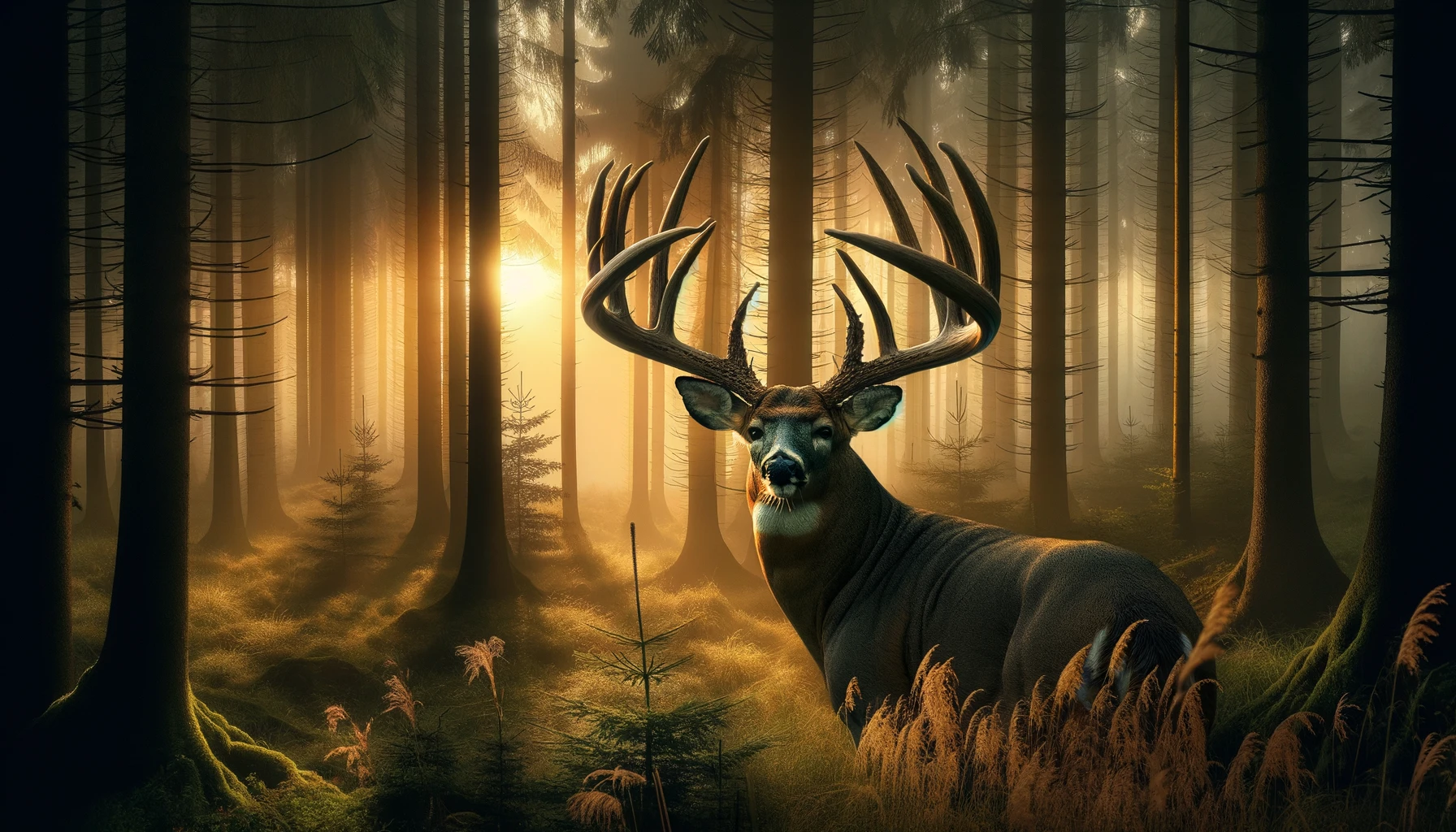
A 200-inch whitetail is a rare deer with antlers that score around 200 inches under an accepted scoring system. For hunters, the number is useful only when it is handled honestly: know how scoring works, respect local laws, avoid inflated field claims, and keep fair chase and recovery ahead of trophy talk.
This guide explains what a 200-inch whitetail means, why such deer are uncommon, and how to think about trophy goals without losing the safety, ethics, and wildlife-management basics that matter more than antler score.
Table of contents
200-Inch Whitetail: Quick Answer
A 200-inch whitetail is an exceptional deer by antler score, but the number should not become the whole hunt. Most hunters will never see one in person. Focus first on legal access, safe shots, clean recovery, and accurate scoring after the harvest instead of chasing an estimated number in the field.
Use a real scoring method
Antler score depends on measurements such as main beams, tine length, mass, spread credit, and abnormal points. The Boone and Crockett Club explains its official measurer program for hunters who want recognized scoring.
Do not overstate rarity
Large whitetails are uncommon, but exact odds vary by region, age structure, harvest pressure, habitat, and record-book category. Avoid repeating unsourced percentages.
Keep the hunt legal and ethical
A big rack does not change target identification, tag rules, property boundaries, shooting hours, or safe backstop requirements.
What 200 Inches Means
When hunters say a buck is a 200-inch whitetail, they usually mean gross or net antler score. Those are not the same thing, and casual field estimates can be wrong.
Gross score
Gross score adds the measurable antler features before deductions. It is often used in conversation because it reflects total antler size.
Net score
Net score subtracts certain differences and deductions depending on the scoring system. Net score is often what matters for official records.
Typical and non-typical racks
A 200-inch conversation also needs the rack category. Typical and non-typical whitetails are scored differently, so a number by itself does not tell the whole story.
Field estimate
Field judging is an estimate, not proof. Camera angle, distance, excitement, and body size can make a deer look larger or smaller than it is.
Why These Deer Are Rare
A deer usually needs several things to line up before it grows a rack near 200 inches. Even then, the outcome is uncertain.
Age
Older bucks generally have more opportunity to express antler potential. Hunting pressure can reduce the number of bucks reaching older age classes.
Nutrition
Antler growth depends on overall health, food quality, minerals, stress, and seasonal conditions. Good habitat helps more than wishful thinking.
Genetics
Genetics matter, but hunters often overuse the word. A deer still needs age, nutrition, and survival to grow large antlers.
Age, Habitat, and Nutrition
For landowners and hunters, habitat thinking is more useful than trophy obsession. Better habitat can support healthier deer, more wildlife, and better hunting experiences overall.
Food and cover
Deer need seasonal food, bedding cover, escape cover, water, and low-stress movement routes. Agricultural land, mast, browse, and habitat diversity can all play roles.
Pressure management
Human pressure can change daylight movement. Access routes, stand timing, vehicle noise, and repeated intrusion can matter as much as a food plot.
Local biology
State wildlife agencies and local biologists understand regional herd structure better than national trophy chatter. Use local information when making management decisions.
Record books are not herd reports
Record-book entries can show where exceptional deer have been documented, but they do not describe the full deer herd. Harvest rules, reporting habits, hunter access, private-land management, and scoring participation can all affect what appears in a record book.
Field Judging Limits
Judging a deer in the field is hard, especially in low light or during a short opportunity. Beginners should not rush a shot based only on antler size.
Confirm legality first
Check antler restrictions, sex, season, tag, weapon, and property boundaries before the hunt. A trophy deer is still illegal if it does not meet the rules.
Look at the whole situation
Distance, angle, backstop, deer movement, other hunters, and recovery path all matter. A poor shot at a large buck is still a poor shot.
Measure after recovery
Do not let score estimates drive unsafe decisions. Actual scoring happens after legal recovery and proper measurement.
Take clear documentation
If you plan to have a deer scored, take clear photos, keep tag and harvest records, and avoid altering the antlers before you understand the scoring process. Documentation helps prevent confusion later.
Ethics and Legal Checks
Trophy goals can be part of hunting, but they should never replace safety, law, and fair chase.
Use fair chase principles
Fair chase means the animal has a reasonable chance to escape and the hunter follows legal and ethical standards. The Boone and Crockett Club discusses fair chase as a core hunting principle.
Follow state regulations
License, tag, season, weapon, baiting, camera, access, and recovery rules vary by state and property. Check current regulations before the hunt.
Respect recovery
If you take a shot, mark the location, wait as conditions require, track carefully, and ask for help when needed. A responsible recovery matters more than a score.
Avoid trespass pressure
Big-deer rumors can lead hunters to push boundaries, cross property lines, or pressure neighbors for access. Get permission in writing where possible and know the rules for recovery before you hunt.
Scouting Without Overpressure
Scouting is useful, but too much pressure can work against you. The goal is to learn without repeatedly disturbing bedding and travel areas.
Use cameras responsibly
Trail cameras can help identify deer, but camera rules vary by state and property. Check local regulations and avoid trespass or baiting violations.
Study sign carefully
Tracks, rubs, scrapes, bedding cover, food sources, and travel routes can tell you more than a single photo.
Plan low-impact access
A good stand can fail if the entry route spreads scent through bedding cover. Plan the walk in and the exit before the hunt.
Gear Perspective
Gear can help, but it does not create a 200-inch deer. Avoid turning trophy goals into a shopping list.
Use equipment you have verified
Rifle, bow, crossbow, optic, ammunition, arrows, broadheads, boots, and pack should be tested before the season.
Prioritize safety gear
Navigation, first aid, weather layers, headlamp, legal orange, and fall protection where needed often matter more than another gadget.
Do not buy confidence
No camera, app, scent product, or call replaces practice, access discipline, and legal hunting knowledge.
Keep gear claims modest
Good optics, safe stands, reliable weapons, and weather-ready clothing can support a hunt, but they do not replace time in the woods. Gear should solve a real field problem, not feed a trophy fantasy.
Common Mistakes
The biggest mistakes around trophy deer usually come from pressure, assumptions, and rushing.
Believing every big-buck story
Photos, rumors, and field estimates can be exaggerated. Treat claims as unverified until measurements and context are clear.
Ignoring doe and habitat patterns
During parts of the rut, doe movement can affect buck movement. Food, cover, and pressure still matter.
Letting antlers override judgment
If the shot is unsafe, the deer is not legal, or the recovery is doubtful, pass. That decision protects the hunter and the resource.
Related Guides
For movement planning, read weather, moon phase, and rut checks. For beginner safety, see first hunting experience safety checks. For deer-specific crossbow prep, review crossbow deer hunting safety checks.
FAQ
What does a 200-inch whitetail mean?
It usually means the buck’s antlers score around 200 inches under a recognized scoring system. Gross and net score can differ.
How rare is a 200-inch whitetail?
Very rare, but exact odds vary by region and measurement category. Avoid unsourced percentages because they can mislead readers.
Can you tell a 200-inch buck in the field?
You can estimate, but field judging is uncertain. Light, angle, distance, body size, and excitement can all distort the estimate.
What helps deer grow large antlers?
Age, nutrition, genetics, health, habitat, and survival all matter. No single factor creates a large-antlered deer by itself.
Should beginners focus on trophy score?
No. Beginners should focus on safety, legal hunting, target identification, shot discipline, and recovery before trophy goals.