Wild Dogs Hunting Behavior: Pack Strategy and Survival
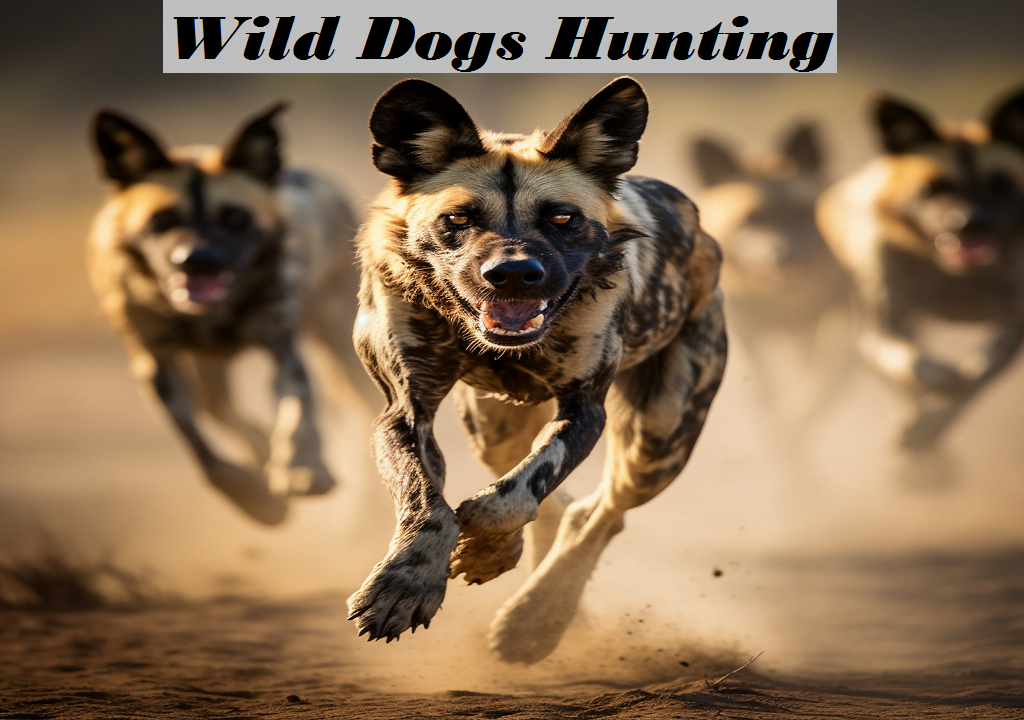
Wild dogs hunt through teamwork, endurance, communication, and careful coordination. The best-known example is the African wild dog, also called the painted dog, but other wild canids use group hunting or cooperative behavior in different ways.
This guide explains wild dog hunting behavior as wildlife education. It is not a guide to hunting with dogs or controlling wildlife. The goal is to understand how these animals live, hunt, and fit into their ecosystems.
Table of Contents
What Wild Dogs Are
“Wild dogs” can describe several wild canids, but the African wild dog is usually the species people mean when they talk about coordinated pack hunts. It is a distinct species, not a feral domestic dog, wolf, or hyena.
The Smithsonian National Zoo African wild dog profile gives a useful overview of the species, including its social structure and conservation concerns. For broader species context, the World Wildlife Fund African wild dog page is another good reference.
How Pack Hunting Works
African wild dogs are known for cooperative hunts. Packs often move together, locate prey, and use endurance and coordination rather than a single ambush. A hunt may involve following a selected animal, adjusting direction as a group, and using stamina to keep pressure on the prey.
| Behavior | What it does | Why it matters |
|---|---|---|
| Group movement | Keeps pack members close enough to coordinate | Improves response when prey changes direction |
| Endurance chasing | Maintains pressure over distance | Uses stamina instead of a short ambush only |
| Vocal contact | Helps pack members stay connected | Supports group decisions before and after hunts |
| Shared feeding | Allows pups and other members to receive food | Supports pack survival, not just the hunters present |
Pack hunting does not mean every hunt succeeds. Weather, prey condition, terrain, pack size, age structure, and competition with other predators can all affect outcomes.
Communication and Roles
Wild dogs rely on social bonds and communication. They may use calls, body posture, greeting behavior, and movement cues to stay organized. Cooperation matters before the hunt, during the chase, and after food is found.
- Before hunting: pack members may gather, greet, and move together.
- During hunting: individuals adjust to terrain and prey movement.
- After hunting: food sharing can support pups and pack members that were not at the front of the chase.
Prey, Habitat, and Conservation
African wild dogs often hunt medium-sized antelope and other available prey, depending on habitat and region. They need space, prey, and safe movement across large landscapes. Habitat loss, disease, conflict with people, road mortality, and competition with larger predators can all affect survival.
The African Wildlife Foundation African wild dog page explains conservation threats and why habitat and coexistence work matter. Conservation context is important because wild dog behavior cannot be separated from shrinking habitat and human-wildlife conflict.
Common Myths
- Myth: wild dogs are just feral domestic dogs. African wild dogs are a distinct wild species.
- Myth: every hunt is successful. Hunting success depends on pack size, prey, terrain, and conditions.
- Myth: pack hunting is random chaos. Their hunts involve coordination, communication, and adjustment.
- Myth: they are common everywhere. African wild dogs have faced major range and population pressures.
FAQ
Do wild dogs hunt alone or in packs?
African wild dogs are best known for pack hunting. Cooperation helps them locate prey, keep pressure during a chase, and support pack members afterward.
Are African wild dogs the same as hyenas?
No. African wild dogs are canids. Hyenas belong to a different family and have different anatomy, behavior, and social structures.
Why do wild dogs hunt as a group?
Group hunting helps with locating prey, maintaining pressure, responding to prey movement, and feeding pups or other pack members after a successful hunt.
Are wild dogs dangerous to people?
They are wild predators and should never be approached or fed. In normal wildlife-viewing situations, distance and respect are the right approach.
Why are African wild dogs at risk?
Major pressures include habitat loss, disease, conflict with people, road mortality, and reduced safe movement across their range.