What Are Game Animals? Meaning, Examples, and Hunting Rules
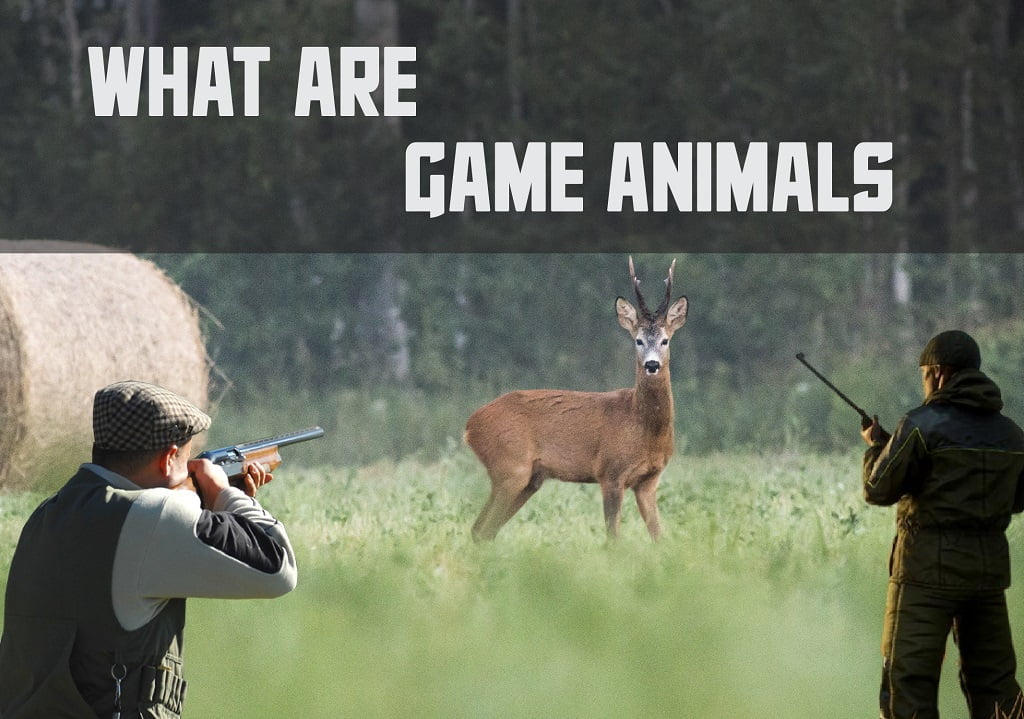
Game animals are wildlife species that a government wildlife agency allows people to hunt or harvest under specific rules. The exact list changes by state, season, species, sex, age class, method, license, land type, and conservation goal.
This guide explains what game animals are, how they differ from protected or non-game species, why regulations matter, and what hunters should check before planning any hunt.
Table of Contents
Quick Answer
Game animals are species that may be legally hunted in a specific place under current hunting rules. Common examples can include deer, elk, turkey, ducks, geese, pheasants, rabbits, squirrels, wild pigs, and some predators or furbearers, depending on the state. A species is not automatically legal to hunt just because hunters talk about it as game.
The safe rule is simple: check the current state wildlife agency regulations before hunting any species. The legal definition is local and current, not universal.
What Game Animals Means
A game animal is usually a wildlife species that can be pursued or harvested by licensed hunters during an open season. Wildlife agencies set rules around when, where, how, and how many animals can be taken.
Game status is not only about tradition. It is a legal and management category. A species may be legal in one state, protected in another, legal only during a short season, or legal only under a specific permit.
Hunter-Ed explains why hunters need to understand hunting laws and regulations before going afield. That point matters any time you are deciding whether an animal is legal game.
Common Examples of Game Animals
Game animals are often grouped by hunting type. The exact examples below are common categories, not a legal list for every location.
- Big game: deer, elk, moose, bear, pronghorn, wild sheep, and similar large species where legal.
- Small game: rabbits, squirrels, hares, and similar smaller species where legal.
- Upland birds: pheasants, quail, grouse, chukar, and similar birds where legal.
- Waterfowl: ducks and geese under federal and state migratory bird rules.
- Furbearers or predators: coyotes, foxes, raccoons, bobcats, and similar species where legal and regulated.
- Wild pigs: managed differently by state, sometimes as game animals and sometimes under separate nuisance or invasive-species rules.
Those categories can overlap with special permits, tags, weapon restrictions, draw systems, reporting rules, and land-specific limits.
Game, Non-Game, and Protected Wildlife
Not all wildlife is game. Non-game wildlife may include songbirds, reptiles, amphibians, small mammals, and many species that are not hunted. Protected wildlife may include threatened species, endangered species, raptors, migratory birds outside legal seasons, or species covered by special laws.
A hunter should never assume that an animal is legal because it is common, visible, or causing damage. Some common animals are protected. Some problem animals require special permits. Some species can be taken only by specific methods or during specific dates.
The U.S. Fish & Wildlife Service explains many national-level wildlife conservation responsibilities, including work around endangered species and protected wildlife. State agencies handle much of the day-to-day hunting regulation for resident game species.
Why Game Animals Are Managed
Wildlife management aims to balance animal populations, habitat, public safety, disease risk, hunter opportunity, and long-term conservation. Hunting seasons and bag limits are tools wildlife agencies may use as part of that work.
Management decisions can account for population surveys, habitat quality, winter survival, harvest data, reproduction, disease concerns, landowner conflicts, and conservation funding. That is why the rules can change from year to year.
The U.S. Fish & Wildlife Service describes its broader Wildlife and Sport Fish Restoration work, which helps fund conservation and outdoor recreation programs across the country.
Rules Hunters Must Check
Before hunting any game animal, check the current rules for the exact species and location. Do not rely on old articles, old printed booklets, forum comments, or past-season memory.
- License, tag, permit, stamp, or hunter education requirements.
- Open season dates and legal shooting hours.
- Bag limit, possession limit, sex or antler rules, and reporting rules.
- Allowed weapons, ammunition, archery equipment, or hunting methods.
- Public-land, private-land, refuge, or unit-specific rules.
- Hunter orange, tagging, transport, evidence-of-sex, and meat-care requirements.
- Rules for dogs, bait, calls, blinds, boats, vehicles, or night hunting where relevant.
Ethical Responsibilities
Legal hunting is the floor, not the whole standard. Ethical hunters also work to identify the animal correctly, take safe shots, recover game, respect property, reduce waste, and avoid disturbing non-target wildlife.
Hunter-Ed’s page on responsible and ethical hunters is a good reminder that hunter conduct affects land access, wildlife respect, and public trust.
If you are unsure whether an animal is legal game, do not shoot. Stop, confirm the rules, and contact the wildlife agency if needed.
FAQ
What are game animals?
Game animals are wildlife species that may be legally hunted under current regulations in a specific place. The list depends on state law, species, season, license, land type, and method.
Are all deer game animals?
Many deer species are managed as game animals in many places, but legal status still depends on location, season, license, and specific rules. Always check current regulations before hunting.
What is the difference between game and non-game animals?
Game animals are species that can be legally hunted under set rules. Non-game animals are not managed for regular hunting harvest in the same way and may be protected or regulated differently.
Who decides what animals are game animals?
State wildlife agencies usually set many hunting rules for resident game species, while federal rules also apply to migratory birds, endangered species, national wildlife refuges, and other special cases.
Can game animal rules change?
Yes. Seasons, limits, units, methods, and permit requirements can change. Check the current rulebook before every season.