Bird Hunting Shotgun Fit: 9 Checks Before You Choose a Gauge
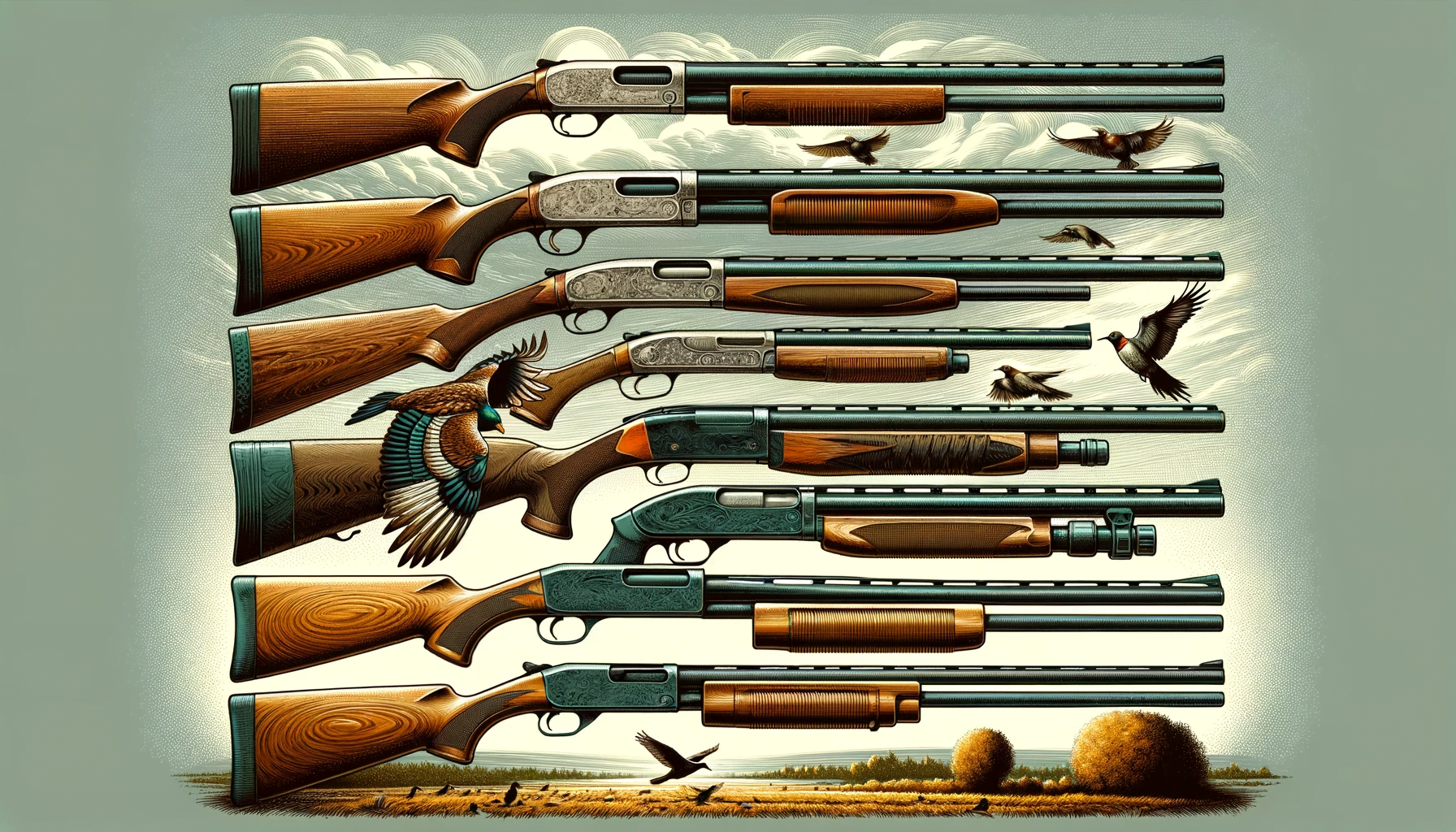
Finding the right bird hunting shotgun is mostly about fit, safe handling, and matching the gun to the birds and cover you actually hunt. Gauge, action type, barrel length, choke, weight, and stock fit all matter, but none of them matter as much as a shotgun you can mount safely, swing smoothly, and pattern before the season.
This guide is a support article for hunters comparing shotgun setup choices. It does not rank products or replace hunter education, a qualified instructor, a gunsmith, or your state hunting rules.
Table of contents
Bird Hunting Shotgun Fit: Quick Answer
The best bird hunting shotgun is the one that fits your shoulder and cheek, points naturally, patterns well with legal loads, and is comfortable enough to carry all day. For many hunters, a 12 gauge offers the broadest load range, while a 20 gauge can be easier to carry and manage. The right choice depends on bird size, range, cover, recoil tolerance, and your practice.
Fit beats brand name
A shotgun that does not fit can make safe mounting, clean swings, and consistent patterns harder. Brand reputation helps, but the gun still has to fit your body and your hunting style.
Pattern before hunting
Before hunting birds, test your shotgun, choke, and load on paper at realistic distances. Hunter-ed explains why shot patterning helps confirm whether your setup is working.
Check the law before buying loads
Some bird seasons and areas require non-toxic shot, specific licenses, stamps, or equipment rules. The U.S. Fish and Wildlife Service has a useful starting point for federal hunting context, but state rules still control many details.
Start With Fit and Safe Mounting
Shotguns are pointed more than aimed. A good fit helps your eye line up with the rib when you mount the gun, without forcing your head down or lifting your cheek off the stock.
Check length of pull
Length of pull is the distance from the trigger to the end of the buttstock. If it is too long, the gun can hang up on clothing and feel slow. If it is too short, recoil can feel sharper and the mount may feel cramped.
Check comb height
The comb should place your eye where the shotgun naturally points. If you have to lift your head or press your face hard into the stock, pattern and comfort can suffer.
Use safe mount practice
Practice mounting only with an unloaded firearm, verified clear, pointed in a safe direction, and with no ammunition in the practice area. The NSSF firearm safety rules apply during practice too.
Gauge Choice
Gauge affects payload, recoil, gun weight, and ammunition availability. The most common bird hunting choices are 12 gauge and 20 gauge, with 16, 28, and .410 used by some hunters for specific situations.
12 gauge
A 12 gauge gives the widest load selection and can handle many upland and waterfowl situations when paired with legal shells and the right choke. The tradeoff is more weight or more recoil, depending on the gun and load.
20 gauge
A 20 gauge can be a good fit for smaller-framed hunters, long walks, and upland cover where lighter carry weight matters. It still needs pattern testing, good shot selection, and legal loads for the bird and location.
Smaller gauges
Smaller gauges can be pleasant to carry, but they reduce pellet count and margin for error. They are better suited to hunters who pattern carefully and keep shots inside realistic distances.
Action Type
Break-action, pump-action, and semi-automatic shotguns can all work for bird hunting. Choose based on safety, reliability, fit, maintenance, and how the action handles in the field.
Break-action shotguns
Over-under and side-by-side shotguns are simple to show clear, easy to manage around other hunters, and popular with upland hunters. They normally hold fewer shells and can cost more in some configurations.
Pump-action shotguns
Pump shotguns are usually durable and versatile. They require the shooter to work the action fully and safely under field conditions, so practice matters.
Semi-automatic shotguns
Semi-automatic shotguns can reduce felt recoil and allow quick follow-up shots. They also need load compatibility, cleaning, and safe muzzle discipline because the action cycles automatically.
Weight and Carry Balance
Bird hunting often means walking, climbing, crossing cover, and mounting quickly. A shotgun that feels fine at the counter may feel heavy after several miles.
Light guns carry well
A lighter shotgun can be easier in upland cover, but it may recoil more with heavier loads. Test comfort with the loads you plan to use.
Heavier guns can swing smoother
More weight can make a shotgun feel steadier and smoother on crossing birds. It can also become tiring during long walks.
Balance matters
A shotgun that is too muzzle-heavy may feel slow in thick cover. A gun that is too light up front may feel whippy. Mount and swing the gun safely before deciding.
Barrel Length and Swing
Barrel length affects handling, swing feel, and sighting plane more than raw power. Bird hunters commonly choose barrel lengths that balance quick movement with a controlled swing.
Shorter barrels
Shorter barrels can feel handy in brush, blinds, or tight cover. They may also feel quicker than some hunters can control, especially on crossing birds.
Longer barrels
Longer barrels can feel smoother on open-country birds and waterfowl. The downside is more length to manage in cover, vehicles, and blinds.
Match barrel to cover
Think about the place you hunt most often. Thick grouse cover, pheasant fields, dove stands, and duck blinds can reward different handling traits.
Choke and Patterning
Choke controls how quickly the shot pattern opens. The right choke depends on bird size, range, load, and how the pattern looks on paper.
Use open chokes for closer birds
Cylinder, skeet, and improved cylinder chokes can make sense for closer flushing birds and tight cover. Pattern them with your chosen load before hunting.
Use tighter chokes carefully
Modified and full chokes can hold patterns together farther out, but too much choke at close range can create small patterns and poor field results.
Pattern every load change
Changing shot size, shell brand, velocity, wad design, or choke can change the pattern. Do not assume two loads will behave the same.
Loads and Bird Type
Match loads to species, legal rules, and realistic range. Shot size, payload, material, and velocity all affect performance and recoil.
Upland birds
Quail, grouse, woodcock, pheasant, and similar birds can call for different shot sizes and pattern density. Local regulations and expected distance should guide the load.
Waterfowl
Waterfowl hunting often has non-toxic shot requirements and different range needs. Check current federal and state rules before buying shells.
Recoil management
Heavy loads can make practice unpleasant and slow follow-up shots. Use enough load for clean hunting, but choose a setup you can pattern and shoot well.
9-Point Field Checklist
Use this checklist before choosing or setting up a shotgun for bird hunting.
Before buying
- Mount feels natural with safe muzzle direction.
- Length of pull fits hunting clothing.
- Comb height gives a repeatable cheek weld.
- Gauge matches recoil tolerance and bird type.
- Action type is safe and comfortable for you.
Before hunting
- Shotgun is patterned with the exact choke and load.
- Loads are legal for the species and location.
- Safety, chamber, and action operation are familiar.
- Cleaning, storage, and transport rules are understood.
Related Guides
For maintenance, see our guide on how to clean a shotgun. For range habits, read shooting range safety rules. If you are new to hunting, also review the first-time hunting guide.
FAQ
What gauge is best for bird hunting?
There is no single best gauge for every bird hunter. A 12 gauge offers broad load options, while a 20 gauge can be lighter and easier to carry. Fit, recoil control, legal loads, and pattern results should guide the choice.
Is a semi-automatic shotgun better for birds?
It can be, especially for recoil management and follow-up shots. A pump or break-action can also work well. Choose the action you handle safely and maintain properly.
How do I know if a shotgun fits me?
A fitting shotgun mounts smoothly, puts your eye naturally along the rib, and does not force your head or shoulder into an awkward position. A qualified instructor or gunsmith can help check fit.
Do I need to pattern a new bird gun?
Yes. Patterning shows how your shotgun, choke, and load perform together. It is one of the best ways to avoid guessing before the season.
Should beginners start with a 20 gauge?
Some beginners do well with a 20 gauge because it can be lighter and softer with suitable loads. Others prefer a 12 gauge for load variety. The better beginner choice is the gun that fits and can be practiced safely.