Bumping a Big Buck: 10 Safety and Recovery Decisions
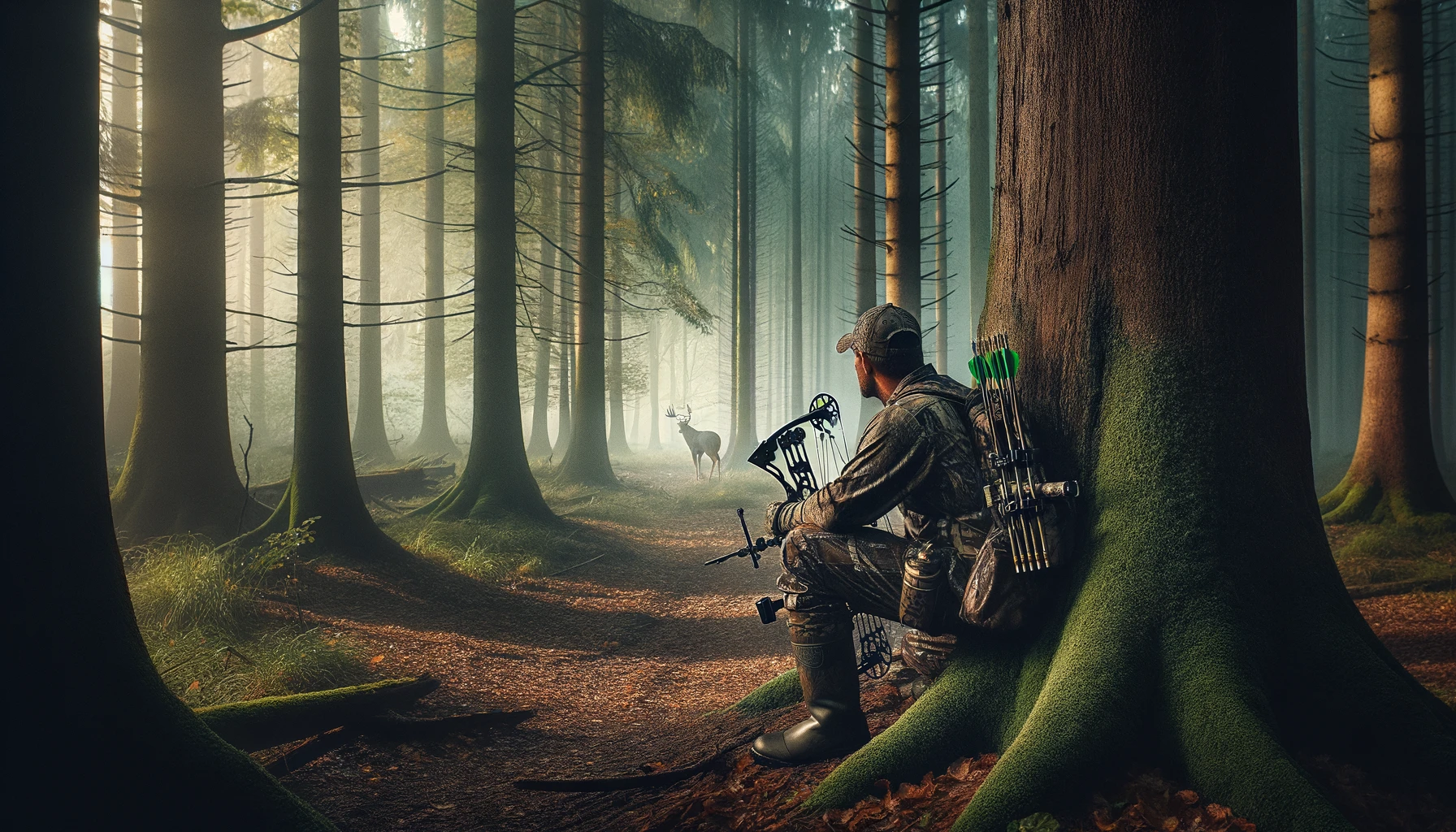
Bumping a big buck means you accidentally alert or push a deer from cover while hunting. The right response is not to chase. Stop, check safety, confirm the wind and terrain, mark what happened, and decide whether backing out is the better move.
This guide is a support article for deer hunters. It focuses on legal, ethical, and safe decisions after a bumped deer. It is not a promise that a buck will return and not a reason to take rushed shots.
Table of contents
Bumping a Big Buck: Quick Answer
If you bump a big buck, stay still for several minutes, keep your firearm or bow pointed safely, watch where the deer goes, and avoid chasing. If the buck left hard, blew, flagged, or crossed your wind, backing out and returning with a better wind is often wiser than pushing deeper.
Do not sprint after it
Chasing a bumped buck usually adds pressure and can push the deer into another hunter, a road, private land, or unsafe shooting conditions.
Mark the encounter
Note the exact location, wind direction, time, bedding cover, escape route, and where you were when the deer reacted. Those details help more than guessing.
Keep the safety rules first
NSSF firearm safety guidance reminds hunters to know the target and what is beyond it. A sudden deer encounter is exactly when that rule matters most.
The First Minute
The first minute after the deer leaves is mostly about not making the mistake worse.
Freeze and listen
Stop walking, keep quiet, and listen. A deer may stop after a short run, circle downwind, or move just far enough to watch the area.
Watch the exit line
Look for the direction of travel, tail position, speed, and whether the deer was alone. A bounding deer that never stops tells a different story than a deer that trots away and pauses.
Avoid noisy recovery moves
Do not immediately crunch leaves, climb down fast, drag gear, or start calling loudly. Let the woods settle before you decide.
Safety Check
A bumped deer can make a hunter hurry. That is when safety needs to get stricter, not looser.
Confirm the target
Never shoot at movement, sound, antler flashes, or a partial body. Confirm the deer, legal status, and safe shot lane before even thinking about shooting.
Check beyond the deer
Look for roads, houses, livestock, other hunters, dogs, skyline shots, and hard surfaces that could create danger. If the backstop is not safe, pass.
Control the muzzle or broadhead
Keep the firearm or bow controlled while turning, stepping, or kneeling. A startled hunter can become careless with direction and footing.
Read What the Buck Did
The deer response helps you decide whether the area is temporarily burned or still huntable.
Hard escape
A buck that blows, flags, crashes through cover, or runs a long distance likely knows something is wrong. Pushing after that deer usually makes the situation worse.
Soft bump
A deer that trots, stops, looks back, and leaves without heavy alarm may not understand the full threat. You still need to avoid adding pressure.
Downwind circle
Mature deer often use wind and cover. If the buck circled into your scent stream, assume the deer learned more than you wanted it to know.
Wind, Access, and Pressure
The next decision should be based on wind and access, not excitement.
Check your entry route
If your access path crossed bedding cover, fresh sign, or the wind line, fix the route before returning. Repeating the same mistake trains deer faster than it helps you.
Protect bedding cover
If you bumped the deer from likely bedding cover, give that cover space. Walking through it repeatedly can shift deer movement away from your stand.
Use pressure as information
Other hunters, roads, farm activity, dogs, and weather can affect where deer go after being bumped. Do not assume every reaction was caused only by you.
Back Out or Reset
Sometimes the best move is to leave quietly and hunt the edge later.
Back out when the wind is wrong
If your scent is blowing toward bedding, feeding, or the suspected escape route, leave. A second bad pass can do more damage than the first bump.
Reset if the area stays calm
If the deer moved off lightly and your wind is still safe, you may be able to sit quietly on the edge of the area. Do not stomp deeper to prove a point.
Use observation sits
A distant observation sit can show whether the deer still uses the area without adding more pressure.
Planning the Next Sit
A good next sit uses the bump information without crowding the deer.
Move to the exit side
If the deer used a clear escape route, consider a stand or ground setup that watches the route from a safe wind and legal access point.
Hunt conditions, not hope
Return only when wind, thermals, noise, access, and legal shooting light give you a real chance to hunt cleanly.
Keep the setup simple
A simple, quiet setup with a safe lane is better than a complicated plan built around guessing where the deer might be.
Shot Discipline
After a bump, the temptation is to take a marginal chance. Resist that.
Pass moving or screened shots
A deer leaving through brush is not a clean target. Branches, angle, speed, and stress all increase wounding risk.
Know your personal limit
Your maximum ethical range is the distance where you can repeat clean hits under field conditions, not your best shot at the range.
Use hunter education principles
Hunter education courses teach safe target identification, legal shooting, and responsible recovery. Hunter-Ed’s planning and preparation guidance is a useful refresher before deer season. If the situation does not meet safe standards, pass.
If You Already Shot
If the encounter included a shot, the focus changes from strategy to recovery discipline.
Mark the shot site
Mark where the deer stood, where you stood, the direction of travel, and the last place you saw it. Take notes before walking around.
Wait when needed
Recovery timing depends on shot placement, sign, weather, temperature, and local rules. When in doubt, get experienced help instead of pushing a wounded deer.
Follow legal recovery rules
Some states regulate tracking dogs, property access, night recovery, lights, and tagging. Check current local rules before crossing boundaries or returning after dark.
Fair Chase and Respect
Deer hunting is not only about getting another chance. It is also about restraint.
Respect fair chase
The Boone and Crockett Club has long tied fair chase to free-ranging game and ethical restraint. A bumped buck still deserves a clean, legal, fair opportunity.
Respect other hunters
Do not push deer toward roads, property lines, or other hunters without coordination and permission. Unsafe pressure can create conflict fast.
Respect the animal
If the only available shot is rushed, obstructed, too far, or unsafe, let the deer go. A passed shot is part of responsible hunting.
Common Mistakes
The biggest mistakes after bumping a buck are emotional decisions, noisy movement, and trying to recover the moment by force.
Calling too much
Loud calling right after a deer leaves can sound unnatural, especially if the deer already knows something is wrong.
Walking into bedding cover
Following tracks straight into thick cover can turn one bump into a full-pressure event. Mark the route and think before entering.
Changing everything too fast
One bump does not mean the whole property is ruined. Adjust access, wind, and timing first before abandoning a good area.
Related Guides
For broader hunting ethics, read fair chase hunting ethics. For new-hunter basics, see first-time hunting guide. For field safety, review hunting safety tips.
FAQ
Will a big buck come back after being bumped?
Sometimes, but it depends on pressure, wind, season, cover, and how badly the deer was alerted. Do not plan as if the buck will return.
Should I chase a buck I just bumped?
No. Chasing usually adds pressure and can create unsafe conditions. Stop, observe, and decide whether to back out.
How long should I wait before hunting the area again?
There is no fixed time. Wait for a safe wind and a better access plan. In some cases, a day or two of rest is smarter than returning immediately.
Can calls or scents bring a bumped buck back?
They might in some situations, but they can also add pressure or sound unnatural. Use restraint, especially if the deer already detected you.
What matters most after bumping a deer?
Safety comes first, then wind, access, and ethics. A second chance is not worth a rushed shot or unsafe movement.