Bird Hunting Dogs: Types, Field Roles, and Care Basics
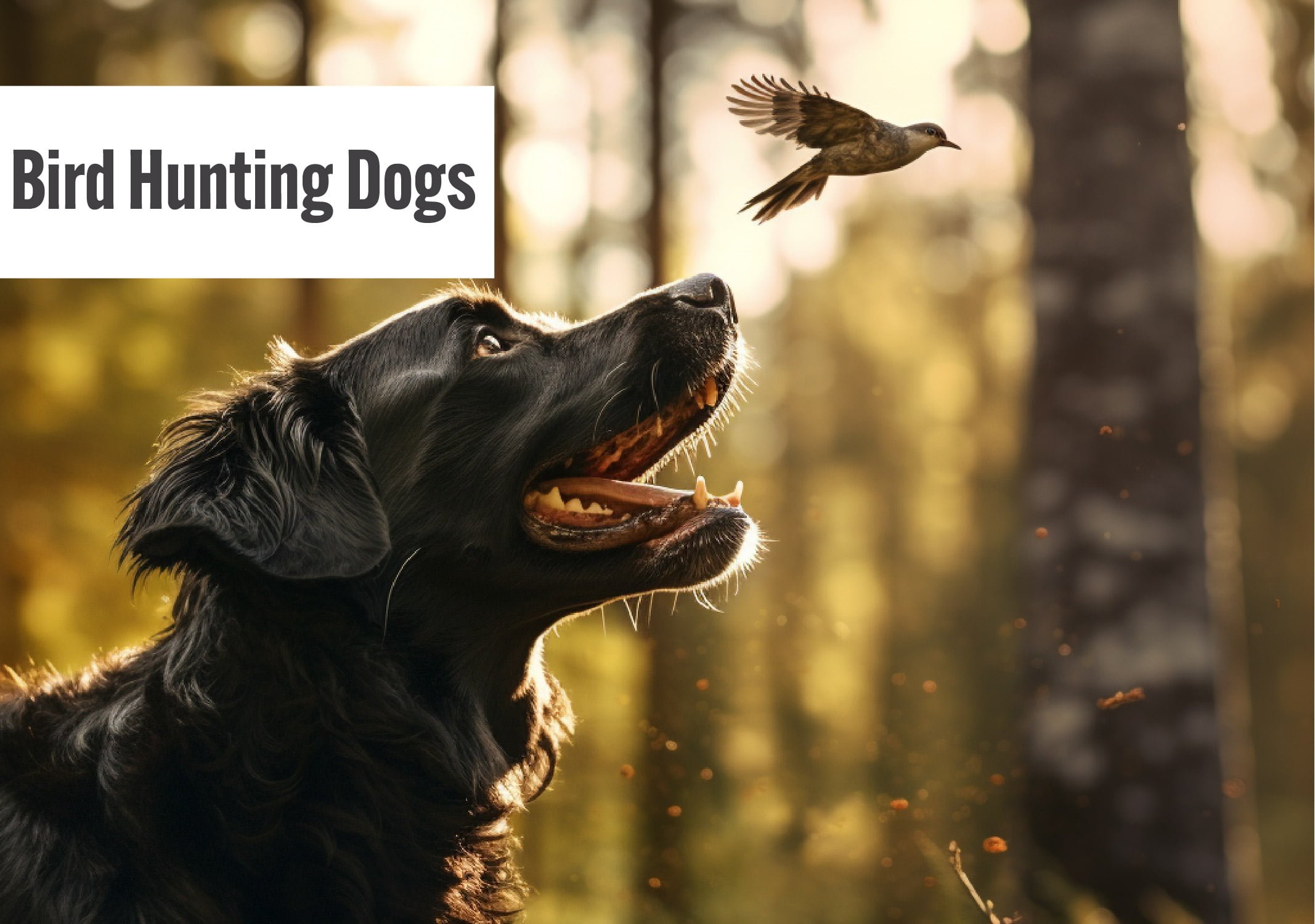
Bird hunting dogs help hunters find, flush, point, and retrieve game birds, but the right dog depends on the type of bird hunting you do. A duck hunter, pheasant hunter, quail hunter, and grouse hunter may need very different field traits.
This guide explains the main bird dog types, where each one fits, what beginners should avoid, and how to think about training and care before choosing a dog for the field.
Table of Contents
Quick Answer
The main bird hunting dogs are retrievers, pointers, setters, spaniels, and versatile hunting dogs. Retrievers are often best for waterfowl and recovery work. Pointers and setters help locate upland birds and hold game. Spaniels and flushing dogs work close and push birds from cover. Versatile breeds may point, retrieve, and work in water when properly trained.
For beginners, the best bird dog is usually the one that fits your actual hunting style and daily home life, not the breed with the biggest reputation. Training support, exercise needs, coat care, climate, and safety matter as much as breed name.
Retrievers
Retrievers are built around finding and bringing birds back to the handler. Labrador Retrievers, Golden Retrievers, and Chesapeake Bay Retrievers are common examples. They are often associated with duck blinds, dove fields, and general bird recovery work.
A good retriever needs steadiness, marking ability, safe water work, recall, and a clean delivery. Do not assume a popular breed will automatically retrieve well without training. The dog still needs obedience, controlled exposure to birds and gunfire, and conditioning for cold water or long field days.
Pointers
Pointers are used to locate upland birds and hold point so the hunter can move into position. English Pointers, German Shorthaired Pointers, German Wirehaired Pointers, and similar breeds may work well for quail, pheasant, grouse, and other upland birds depending on terrain and training.
Some pointers naturally cover a lot of ground. That can be useful in open country but difficult for a new handler in small fields or thick cover. Choose the dog€™s range and drive level carefully.
Setters
Setters are another classic upland bird dog type. English Setters, Gordon Setters, and Irish Setters have hunting backgrounds, though field lines and show lines can differ. A field-bred setter may be energetic, athletic, and built for bird contact.
Setters can be excellent in upland cover, but they need regular work and careful training. Long coats may also need extra attention after brush, burrs, and wet weather.
Spaniels and Flushing Dogs
Spaniels and flushing dogs usually work closer to the hunter and push birds from cover. English Springer Spaniels, Cocker Spaniels, Boykin Spaniels, and similar dogs can fit pheasant, quail, woodcock, and tight-cover hunting.
The key skill is range control. A flushing dog that works too far ahead can put birds out of range. A dog that crowds the gun or ignores commands can create safety problems.
Versatile Bird Dogs
Versatile bird dogs are bred to handle more than one job, such as pointing, retrieving, tracking, and water work. German Shorthaired Pointers, Wirehaired Pointing Griffons, Vizslas, and similar breeds may fit hunters who want one dog for several bird-hunting situations.
Versatile does not mean self-trained. Each skill still has to be built. The North American Versatile Hunting Dog Association explains versatile hunting dog development and the handler work behind it.
How to Choose a Bird Hunting Dog
Start with the bird and the place. Waterfowl hunting may favor a retriever with water confidence. Wide-open upland country may favor a pointing breed. Thick cover and close shots may favor a flushing spaniel. Mixed hunting may point toward a versatile breed.
Then compare the dog€™s daily needs. Some bird dogs need serious exercise, secure fencing, regular training, and a family that understands drive. The American Kennel Club€™s sporting group overview can help compare common bird dog breed backgrounds.
If possible, watch the breed work before choosing. Talk with handlers, trainers, breeders, and local clubs. A dog that looks perfect online may not fit your terrain, schedule, or skill level.
Training, Safety, and Field Care
Bird dogs need safe introduction to birds, cover, water, other dogs, vehicles, and gunfire. Rushing a young dog can create fear, confusion, or unsafe habits. Build obedience and confidence first, then add field pressure gradually.
After the hunt, check paws, eyes, ears, coat, hydration, and movement. Burrs, seeds, ice, mud, heat, cold water, and long running can all affect a dog. The American Veterinary Medical Association offers practical guidance on hunting with your dog safely.
Safety around the shot matters too. Do not shoot at low birds near dogs, handlers, roads, houses, livestock, or other hunters. A bird dog should improve the hunt, not make the field less safe.
FAQ
What is the best bird hunting dog?
There is no single best bird hunting dog for everyone. Retrievers, pointers, setters, spaniels, and versatile breeds can all be excellent when they match the bird, terrain, handler, and home.
Are retrievers only for duck hunting?
No. Retrievers are common in waterfowl hunting, but many also work dove fields, upland recovery, and general bird retrieval when trained for the job.
What is the difference between a pointer and a flushing dog?
A pointer locates birds and holds point so the hunter can move in. A flushing dog usually works closer and pushes birds into the air within range.
Can one dog hunt upland birds and ducks?
Some versatile breeds and retrievers can handle both with the right training, but water work, cold conditions, steadiness, and bird handling all need specific preparation.
What should beginners know before getting a bird dog?
Bird dogs need time, training, exercise, safe field exposure, and year-round care. Choose the dog you can live with every day, not only the dog you imagine on opening morning.