5 Best Hunting Boots for Women: Fit, Insulation, and Terrain Guide
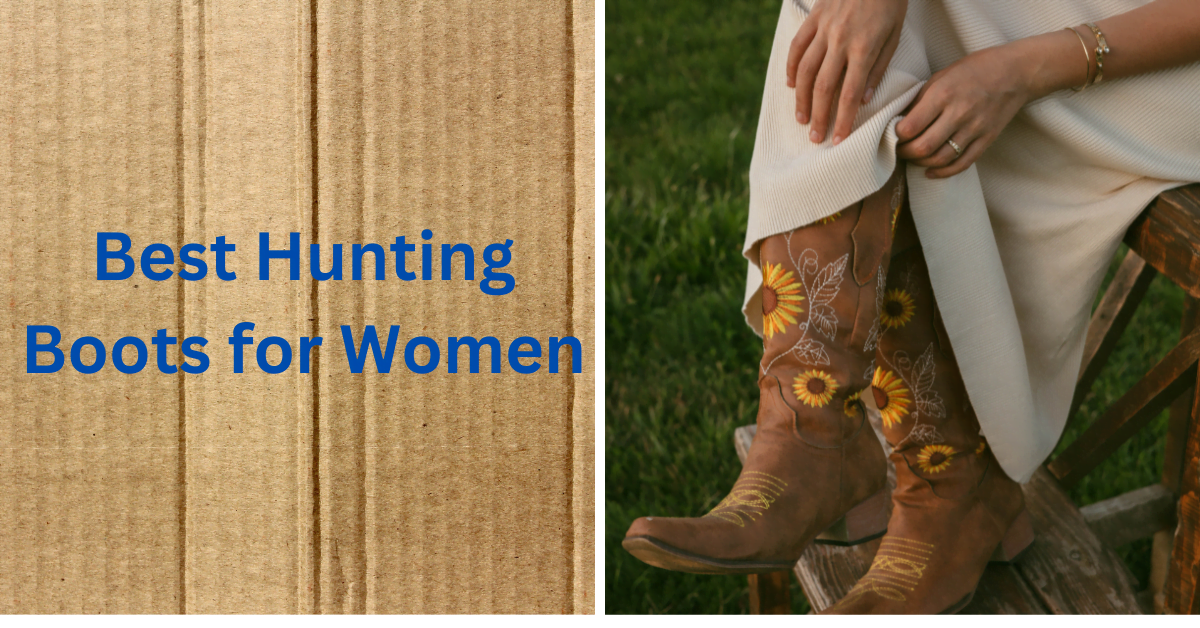
The best hunting boots for women fit a narrower heel, a different instep, and a calf shape that men’s and unisex boots rarely match, so a women’s-specific last matters as much as insulation or waterproofing. The five boots below are all built on women’s lasts and chosen for real hunting use: waterproof lace-ups for active walking, an insulated mid-calf boot for sit-and-glass cold, a heavily insulated late-season lace-up, and one tall rubber boot for wet, freezing ground. Pick by how you hunt, not by the warmest number on the box.
Table of Contents
How We Chose These Women’s Hunting Boots
We built this list from manufacturer spec pages and current product listings, not from hands-on field use. For each boot we confirmed it is sold on a women’s-specific last, checked the stated insulation level, waterproofing system, height, and upper materials against the maker’s own page, and confirmed a current, buyable Amazon product page. We did not test these boots in the field, and we do not claim performance numbers the manufacturers do not publish.
Women’s fit was a gate, not a footnote. We did not carry over men’s or unisex boots and relabel them as women’s picks. Every boot here is offered as a women’s model. Where width or calf room varies, we say so, because the warmest, most waterproof boot is useless if it does not fit your foot and lower leg.
The picks cover four use cases on purpose: an all-day walking boot, an insulated mid-calf boot for cold stands, a late-season heavily insulated boot, and a tall rubber boot for wet and freezing terrain. That spread lets you match the boot to your hunt instead of buying one boot and forcing it onto every situation.
Best Hunting Boots for Women
Best for Active Walking and Spot-and-Stalk: Danner Women’s Wayfinder 8″

Best for: hunters who cover ground on foot and want a lighter, lace-to-toe boot with a women’s last rather than a heavy insulated pac boot.
Key specs (verified): 8-inch height, Danner Dry waterproof protection, suede and nylon upper, lace-to-toe fit, women-specific last.
What stands out: The Wayfinder is the walking boot of this group. The suede and nylon upper keeps the weight down compared with full-leather insulated boots, and the lace-to-toe design lets you snug the fit across the whole top of the foot, which helps on side-hills and uneven ground. The Danner Dry waterproof system handles wet grass, creek crossings, and damp mornings without turning the boot into an oven. Because it is built on a women’s last, the heel pocket and instep are shaped for a narrower foot instead of a scaled-down men’s mold.
Fit notes: Lace-to-toe boots reward a careful fit check at the instep and heel. Women with a higher arch tend to like the adjustability here. This is an uninsulated 8-inch boot, so it is sized for socks you would actually hunt in during early and mid season, not heavy expedition socks.
Pros:
- Lighter feel than insulated pac boots, easier on long walking days.
- Lace-to-toe adjustability for a precise midfoot and instep fit.
- Women’s-specific last shapes the heel and instep, not just the size.
- Waterproof protection without bulky insulation.
Cons:
- No listed insulation, so it is not a cold-stand or late-season boot on its own.
- 8-inch height gives less ankle and shin coverage than a tall boot in deep brush or mud.
- Suede upper needs care to stay water-shedding over time.
Skip this if: your main hunting is sitting still in freezing temperatures, because an uninsulated boot will leave your feet cold no matter how good the fit is.
Best Insulated Mid-Calf Boot: Northside Women’s Woodbury II Waterproof Insulated

Best for: hunters who want a protective, insulated mid-calf boot for cold stands, field edges, and mixed terrain without stepping up to a tall pac boot.
Key specs (verified): mid-calf height, waterproof construction, insulated, leather and denier nylon upper, protective toe and heel reinforcements, steel shank midsole, sized 6 to 11.
What stands out: The Woodbury II is the structured, supportive option in this lineup. The steel shank midsole adds underfoot stiffness, which helps when you are standing on roots, rock, or uneven blind floors for long stretches, and the toe and heel reinforcements add durability where boots usually wear out first. The mid-calf height splits the difference between a low hiker and a tall rubber boot, giving more coverage in brush and shallow mud while still being easy to lace and walk in.
Fit notes: The 6 to 11 size run covers most women’s feet. The leather and denier nylon upper has some structure, so give it a fair break-in before a long hunt. Mid-calf boots can vary in calf room, so check the opening against your lower-leg measurement if you wear thick socks or base layers.
Pros:
- Insulated and waterproof in one boot for cold, damp conditions.
- Steel shank adds support for long stands on hard or uneven footing.
- Toe and heel reinforcements target common wear points.
- Mid-calf coverage handles light brush and shallow mud.
Cons:
- Insulation level is not published as a gram weight, so match it to your climate carefully.
- Structured upper benefits from a real break-in period.
- Mid-calf height is less protective than a 15-inch boot in deep water or mud.
Skip this if: you need a documented, high-gram insulation rating for deep-winter sits, since the spec sheet states it is insulated without a published gram figure.
Best Late-Season Insulated Lace-Up: Irish Setter VaprTrek Women’s 8″ (Style 3945)

Best for: cold-weather hunters who want a real insulation number in a lace-up that still walks well, with camo styling for the stand.
Key specs (verified): 8-inch height, 400g PrimaLoft insulation, UltraDry waterproofing, leather and abrasion-resistant nylon upper, women’s fit, regular and wide widths.
What stands out: This is the boot for buyers who want to see the insulation spelled out. The 400g PrimaLoft rating is a meaningful mid-to-cold level that keeps feet warm on cool and cold sits while staying light enough to walk in, unlike 800g and 1200g boots that get clumsy on the move. The UltraDry waterproofing handles wet ground and snow, and the abrasion-resistant nylon panels help the upper survive brush and bootcuffs. The Mossy Oak camo finish suits hunters who want the boot to disappear at the stand.
Fit notes: This is the only boot in the lineup that lists both regular and wide widths, which is a real advantage if standard-width boots pinch your forefoot. It is still a women’s fit, so the heel and instep are shaped accordingly. The 400g insulation pairs well with a midweight hunting sock; very cold sitters may want a heavier boot.
Pros:
- Published 400g PrimaLoft insulation takes the guesswork out of warmth.
- Regular and wide widths for forefoot fit problems.
- Lighter than heavy pac boots, so it still walks well.
- Camo finish for stand and blind use.
Cons:
- 400g is a mid-cold rating, not a deep-freeze, all-day-sitting level.
- 8-inch height gives less mud and water coverage than a tall boot.
- Camo styling is less versatile than plain brown for everyday wear.
Skip this if: you mostly hunt in extreme cold with long motionless sits, because a higher insulation weight will serve you better than 400g.
Warmest Lace-Up for Cold Stands: LaCrosse Women’s Windrose 8″ 600G

Best for: hunters who sit long in genuine cold and want maximum insulation in a lace-up boot they can still walk to the stand in.
Key specs (verified): 8-inch height, 600g Thinsulate Ultra insulation, Dry-Core waterproof lining, leather and textile upper, DuraFit heel cup, DT-5 last (women-specific page).
What stands out: The Windrose is the warmest lace-up here. The 600g Thinsulate Ultra is a strong cold-weather rating aimed at long sits in winter temperatures, a clear step up from the 400g VaprTrek for hunters who feel the cold or hunt later in the season. LaCrosse’s DuraFit heel cup is built to lock the heel in place and cut slip on the walk in, which is a common complaint with heavily insulated boots. The Dry-Core lining handles wet snow and damp ground.
Fit notes: This boot is built on LaCrosse’s DT-5 last and sold on a women’s page, so the fit is shaped for a woman’s foot rather than a downsized men’s boot. The heavy 600g insulation takes up internal volume, so do not over-size for thick socks the way you might with an uninsulated boot. The DuraFit heel cup is most noticeable if heel slip has bothered you in other boots.
Pros:
- 600g Thinsulate Ultra for cold, long-sit warmth.
- DuraFit heel cup targets heel slip on the walk in.
- Dry-Core waterproof lining for wet snow and damp ground.
- Women’s DT-5 last rather than a scaled men’s fit.
Cons:
- 600g insulation can feel warm and slightly bulky on long walks in mild weather.
- 8-inch height still limits coverage in deep mud or water.
- Best suited to cold conditions; overkill for early-season hunts.
Skip this if: you hunt mostly in early season or warm climates, because 600g insulation will be too hot for active or mild-weather use.
Best for Wet, Freezing Ground (Rubber): LaCrosse Women’s Alpha Agility 15″ 1200G

Best for: hunters dealing with standing water, flooded timber, deep mud, or freezing wet conditions where a tall, fully sealed rubber boot beats any lace-up.
Scope note: This is a tall rubber boot, not a lace-up hunting boot, and it solves a different problem than the four boots above. If your hunting is mostly dry-ground walking and stands, one of the lace-ups will serve you better. If you regularly stand in water and cold mud, this is the right tool. For a full rubber-boot comparison, see our guide to the best muck boots for hunting.
Key specs (verified): 15-inch height, 1200g Thinsulate Ultra insulation, waterproof, hand-laid rubber over 5mm neoprene, adjustable gusset, Agility II outsole, Style 302476.
What stands out: The Alpha Agility is the wet-and-cold specialist. The 15-inch height and fully sealed rubber-over-neoprene build keep water and mud out where a lace-up would soak through, and the 1200g Thinsulate Ultra is the highest insulation level in this lineup for hunters who park in cold, wet stands. The 5mm neoprene adds both warmth and a flexible, sock-like seal, and the adjustable gusset lets you tune the calf opening, which matters because tall rubber boots are notorious for being too tight or too loose in the calf.
Fit notes: Calf room is the make-or-break fit factor on a 15-inch boot. The adjustable gusset helps you dial in the upper, so check your calf measurement and account for thick socks and base layers. Pull-on rubber boots fit differently than laced boots, so do not assume your lace-up size translates exactly.
Pros:
- Fully waterproof tall rubber build for standing water and deep mud.
- 1200g Thinsulate Ultra is the warmest option here for cold, wet sits.
- Adjustable gusset to tune calf fit on a tall boot.
- 5mm neoprene adds warmth and a flexible seal.
Cons:
- Heavy and warm; a poor choice for long walks or mild weather.
- Pull-on rubber fit is harder to fine-tune than a laced boot.
- 1200g insulation is too much for anything but cold conditions.
Skip this if: you mostly cover ground on foot or hunt in mild temperatures, because this boot is built for cold, wet, mostly stationary use and will be hot and heavy otherwise.
Women’s Hunting Boot Comparison
| Boot | Best for | Height | Insulation | Waterproofing | Notable fit feature |
|---|---|---|---|---|---|
| Danner Wayfinder 8″ | Active walking, spot-and-stalk | 8 in | None listed | Danner Dry | Lace-to-toe, women’s last |
| Northside Woodbury II | Insulated mid-calf, cold stands | Mid-calf | Insulated (no gram listed) | Waterproof construction | Steel shank, sizes 6 to 11 |
| Irish Setter VaprTrek 3945 | Late-season lace-up | 8 in | 400g PrimaLoft | UltraDry | Regular and wide widths |
| LaCrosse Windrose 600G | Warmest lace-up, cold sits | 8 in | 600g Thinsulate Ultra | Dry-Core lining | DuraFit heel cup, DT-5 last |
| LaCrosse Alpha Agility 15″ | Wet, freezing ground (rubber) | 15 in | 1200g Thinsulate Ultra | Sealed rubber over neoprene | Adjustable calf gusset |
Women’s Hunting Boot Buying Guide
The right women’s hunting boot comes down to four decisions: fit, insulation, waterproofing, and terrain. Get those right in that order and the rest is preference.
Fit and women’s-specific sizing
Fit is the first decision because it controls comfort, warmth, and safety on uneven ground. Women’s feet generally have a narrower heel and a different instep and calf shape than men’s, so a boot built on a true women’s last will hold the heel better and reduce the slip and rub that cause blisters. A scaled-down men’s boot is not the same thing. Watch three measurements: forefoot width (the VaprTrek’s regular and wide options help here), heel lock (the Windrose DuraFit heel cup targets this), and calf room on tall boots (the Alpha Agility’s adjustable gusset addresses it). Account for the sock you will actually hunt in, and remember that heavily insulated boots have less internal room, so do not over-size them.
Insulation
Insulation should match how much you move and how cold it gets, not just the lowest temperature you expect. Active walking generates heat, so spot-and-stalk hunters often want little or no insulation, like the uninsulated Wayfinder, to avoid sweating and then chilling. Sitting still produces no heat, so stand hunters need more: 400g, like the VaprTrek, suits cool to cold sits, 600g, like the Windrose, suits genuinely cold long sits, and 1200g, like the Alpha Agility, is for cold, wet, mostly stationary conditions. For a deeper breakdown of how insulation weight maps to activity and temperature, see Danner’s insulation guidance and our insulated versus uninsulated hunting boots guide. The CDC’s winter weather prevention page is a useful reminder of how quickly cold and wet feet become a real risk in the field.
Waterproofing
Waterproofing keeps your feet dry, which keeps them warm, since wet feet lose heat fast. There are two broad approaches here. Waterproof lace-ups, like the Danner Dry, UltraDry, and Dry-Core systems, use a waterproof membrane inside a leather or nylon upper, which keeps out rain, dew, and shallow crossings while staying breathable enough to walk in. Sealed rubber boots, like the Alpha Agility, are fully waterproof by construction and handle standing water and deep mud that would overtop a lace-up. Match the system to the wettest condition you actually hunt, not the average day.
Terrain and boot height
Terrain decides how tall and how protective your boot needs to be. For dry trails and timber, an 8-inch lace-up like the Wayfinder, VaprTrek, or Windrose gives enough ankle support and coverage while staying light. For mixed brush and shallow mud, a mid-calf boot like the Woodbury II adds protection and structure with its steel shank. For flooded timber, marsh edges, and deep mud, a 15-inch sealed rubber boot like the Alpha Agility is the only one of these built to keep that water out. Buying one boot for every terrain usually means it does no single job well, which is why matching boot to terrain matters more than buying the warmest or tallest option by default. New to choosing gear by use case? Our hunting tips for beginners covers how to think about matching equipment to your hunt.
Frequently Asked Questions
Do women really need women’s-specific hunting boots?
Yes, for most hunters. Women’s hunting boots are built on a women’s last with a narrower heel and a different instep and calf shape, so they hold the foot more securely than a downsized men’s boot. A secure fit reduces heel slip, blisters, and fatigue on uneven ground. If a women’s model in your size genuinely does not fit, a men’s or unisex boot can work, but start with a women’s-specific fit.
How much insulation do I need in a women’s hunting boot?
Match insulation to how much you move and how cold it gets. Active walking and warm weather call for little or no insulation, so you do not overheat and then chill. Cold stands call for more: roughly 400g for cool to cold sits, 600g for genuinely cold long sits, and 1200g for cold, wet, mostly stationary conditions. When in doubt, slightly less insulation is better for hunters who walk, and more is better for hunters who sit.
Are 8-inch boots tall enough for hunting?
For most dry-ground and timber hunting, yes. An 8-inch boot gives solid ankle support and keeps out brush, dew, and shallow water. If you regularly cross deeper water or stand in mud, you want a taller boot. A mid-calf boot adds coverage for light brush and shallow mud, and a 15-inch rubber boot is the choice for flooded timber and deep mud.
When should a woman choose a rubber boot instead of a lace-up?
Choose a tall rubber boot when you hunt in standing water, flooded timber, or deep mud, where a lace-up would soak through over the top. A sealed rubber boot like a 15-inch 1200g model keeps water out and adds heavy insulation for cold, wet sits. For dry-ground walking and most stand hunting, a lace-up will be lighter, cooler, and easier to fine-tune for fit. If you want a full rubber-boot comparison, see our best muck boots for hunting guide.
How do I break in new hunting boots?
Break boots in gradually before relying on them in the field. Wear them around the house and on short walks with your hunting socks first, then build up to longer walks before a full hunt day. Leather and structured uppers, like the Woodbury II’s, usually need more break-in than lighter nylon boots. Danner’s break-in guidance is a useful starting point for leather boots.
Are these the best hunting boots for women for every budget and use?
These five cover the main women’s hunting use cases: active walking, insulated mid-calf, late-season lace-up, warmest cold-sit lace-up, and wet-ground rubber. They are not ranked by price, and the right pick depends on your terrain, climate, and how much you move. Use the comparison table to match a boot to your hunt rather than buying the warmest or tallest option by default.
Women’s Hunting Boot Fit Checklist
- Match insulation to how long you sit still, not just the coldest forecast.
- Check heel hold, instep pressure, toe room, and width before a long hunt.
- Choose 8-inch lace-ups for walking and tall rubber boots for wet, freezing ground.
- Leave room for the socks you actually hunt in.
- Break boots in before opening day.
—
# END PUBLISH BODY