Bedside Gun Safe Guide: Secure Storage, Access, and Common Mistakes
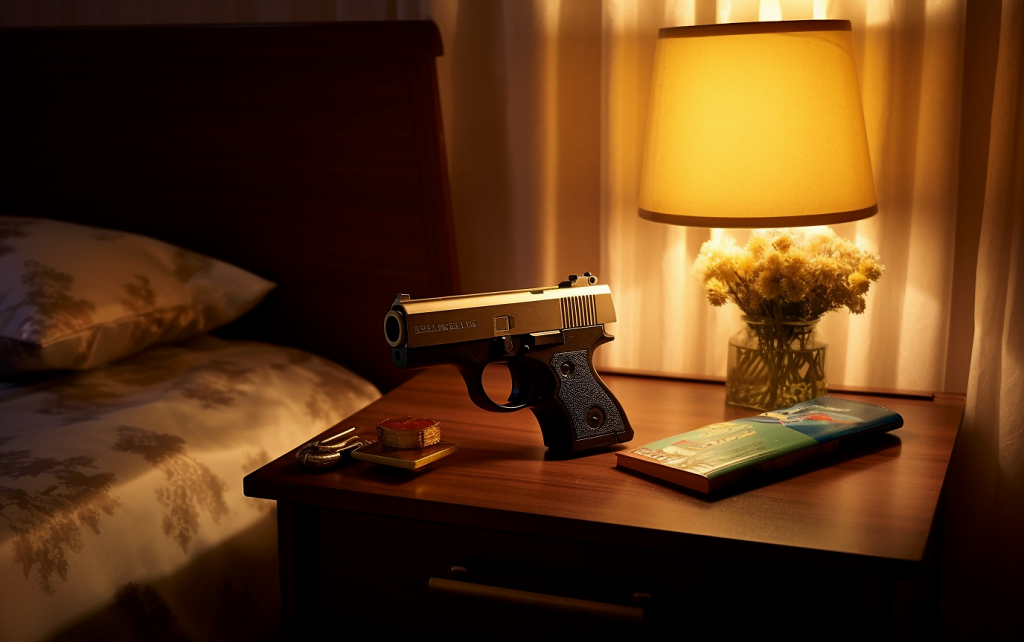
A bedside gun safe is meant to keep a firearm secured from unauthorized access while still letting the owner store it in a consistent location. The best choice is not simply the fastest box to open. It is the safe that fits your household, local law, storage habits, and ability to use it correctly every day.
This guide explains bedside firearm storage at a safety level, not as a product roundup. It does not replace local law, legal advice, or hands-on firearm-safety training. If children, guests, roommates, caregivers, or visitors may enter the home, secure storage becomes even more important.
Table of Contents
Why Bedside Firearm Storage Matters
Safe storage helps reduce the chance that a firearm is handled by a child, visitor, unauthorized person, or anyone in a crisis. A firearm left loose in a nightstand, under a pillow, or in an unsecured drawer is not secure storage.
Project ChildSafe provides firearm safety and storage education for households, including the importance of storing firearms securely when not in use. Their secure storage resources are a useful starting point for family safety planning.
Firearm safety rules still apply even when the firearm is being stored. Keep the muzzle in a safe direction, keep your finger off the trigger, and know the firearm’s condition. The NSSF firearm safety rules are the baseline.
Common Bedside Safe Types
Keypad Safes
Keypad safes open with a button code. They can be simple and reliable if the buttons are easy to feel, the code is not shared, and the batteries are checked. Avoid obvious codes and practice opening the safe without looking only after the firearm is unloaded and the safe is empty.
Biometric Safes
Biometric safes use a fingerprint reader. They can be convenient, but readers may fail if fingers are wet, dirty, cut, or placed poorly. A biometric safe should have a backup access method and should be tested regularly while empty.
Mechanical Lock Safes
Mechanical lock safes avoid battery issues and can be dependable when the owner knows the combination or key system. The tradeoff is that some may be slower to open or harder to use in low light.
Lockboxes and Cable-Lock Storage
Small lockboxes and cable-lock setups can help prevent casual access, but they vary widely in strength. For bedside use, think carefully about theft resistance, mounting, access, and whether the device truly fits your household risk.
Features That Matter
- Reliable lock: the safe should open consistently for the authorized user and stay locked for everyone else.
- Mounting option: a safe that can be carried away easily may not be enough.
- Trigger coverage: the firearm should be protected from objects touching the trigger.
- Interior fit: the firearm should fit without snagging or forcing the lid closed.
- Low-light usability: controls should be usable without fumbling.
- Battery backup: electronic safes need a battery-check habit and backup method.
- Build quality: hinges, seams, lock parts, and mounting points matter.
The CDC discusses safe storage as part of firearm injury prevention. See its firearm violence prevention resources for broader public-health context.
Placement and Mounting
A bedside safe should be reachable by the authorized owner but not obvious or accessible to children, visitors, or intruders. Placement is a balance between secure storage, consistent habits, and realistic access.
- Mount the safe according to the manufacturer’s instructions.
- Keep it away from children and unauthorized users.
- Avoid placing it where the open door points the firearm in an unsafe direction.
- Do not leave keys or override tools next to the safe.
- Check that bedding, clothing, or bedside items cannot enter the trigger area.
Local laws may set storage requirements, especially around minors, prohibited persons, or vehicle storage. For federal firearm information, use official sources such as the ATF firearms pages, then check state and local law.
Daily Storage Habits
A safe only helps if it is used consistently. The routine matters as much as the box. Decide who has access, how the safe is checked, how batteries are maintained, and what happens when guests or children are present.
- Lock the firearm every time it is not under direct control.
- Keep the access code private.
- Test electronic locks while the safe is empty.
- Replace batteries on a schedule, not only after failure.
- Keep ammunition storage consistent with law, safety needs, and household risk.
- Review the plan after moving furniture, changing firearms, or adding household members.
If you are also teaching new shooters, our guide on how to shoot a gun safely starts with the range and handling basics. Storage and handling should be taught together.
Common Mistakes to Avoid
- Leaving the safe open for convenience: an unsecured safe is just a box.
- Hiding instead of securing: children and visitors may find hidden firearms.
- Ignoring battery maintenance: electronic access depends on working power.
- Sharing the code too widely: access should be limited and intentional.
- Using a poor mounting setup: a small safe should not be easy to steal.
- Forgetting travel and visitors: storage plans should change when household risk changes.
For trigger-safety habits, see our guide to trigger discipline. A safe storage setup should keep the trigger protected from contact until the firearm is intentionally handled.
FAQ
Is a bedside gun safe better than a locked drawer?
Usually yes, if the safe is well built, mounted, and used consistently. A basic locked drawer may not protect the firearm from theft, prying, or unauthorized access as well as a purpose-built safe.
Are biometric gun safes reliable?
Some work well, but any biometric safe should be tested regularly while empty and should have a backup access method. Wet, dirty, injured, or poorly placed fingers can affect readers.
Should ammunition be stored in the same safe?
That depends on local law, household risk, and your safety plan. Follow legal requirements and consider whether separate storage better reduces unauthorized access risk.
Where should a bedside safe be mounted?
Mount it where the authorized user can reach it, where it cannot be easily carried away, and where children or visitors cannot access it. Follow the manufacturer’s mounting instructions.
Is hiding a firearm enough if I do not have children?
No. Visitors, theft, emergencies, and changes in household access still matter. Secure storage is stronger than hiding.