Rare Bird Dog Breeds: Practical Choices for Hunters
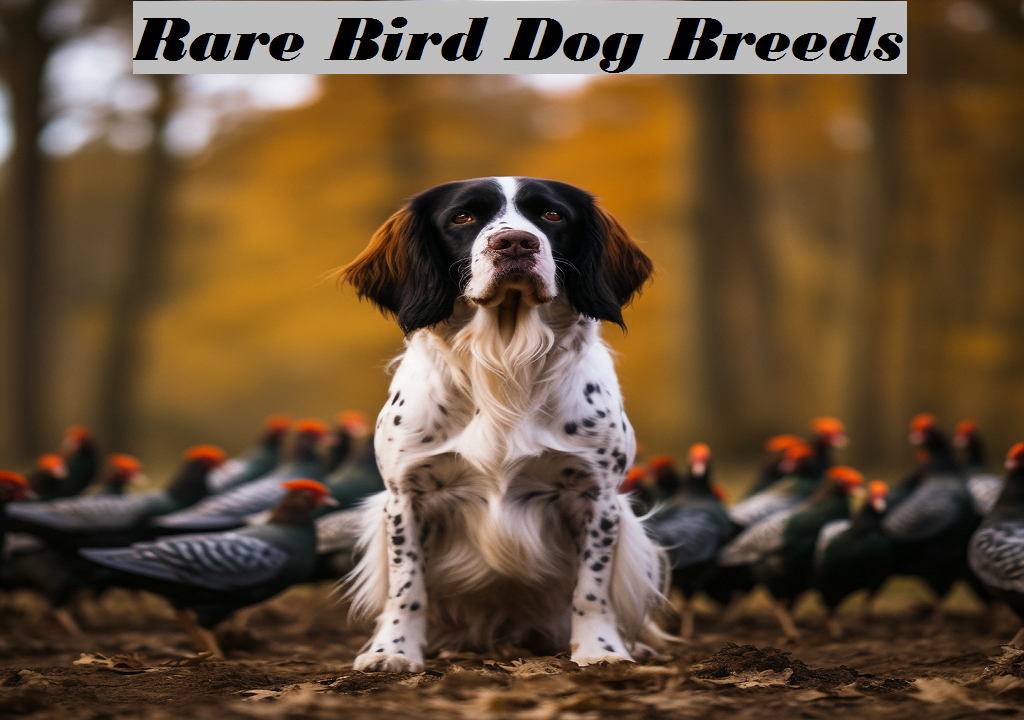
Rare bird dog breeds can be good fits for hunters who want something different from the common Labrador Retriever, German Shorthaired Pointer, English Pointer, or Brittany. The right choice still depends on birds, terrain, climate, training time, and whether the dog will live as a family companion between hunting seasons.
This guide explains several less-common bird dog breeds, what they were built to do, and what to check before choosing one. It is not a breeder referral or a promise that any breed will match every hunting style. Use breed clubs, health records, trainer input, and field experience before making a decision.
Table of Contents
What Makes a Bird Dog Breed Rare?
A rare bird dog is usually uncommon in one market, not unknown everywhere. Some breeds are established in Europe but hard to find in the United States. Others have smaller breeder networks, limited litter availability, or a working style that appeals to a narrower group of hunters.
For hunting purposes, rarity matters less than job fit. A pointing breed, flushing breed, retriever, or versatile hunting dog may all be called a bird dog, but they work birds in different ways. The North American Versatile Hunting Dog Association recognizes many versatile breeds that search, point, track, and retrieve, while the AKC pointing-breed field events help show how pointing breeds are evaluated in field work.
Quick Breed Comparison
| Breed | Best known for | Good fit for | Watch before choosing |
|---|---|---|---|
| Bracco Italiano | Classic pointing style | Upland hunters who like a steady, methodical dog | Size, drool, heat tolerance, breeder access |
| Wirehaired Vizsla | Versatile pointing and retrieving | Hunters wanting a close family dog with field drive | Exercise needs, coat care, separation issues |
| Small Munsterlander | Pointing, tracking, and retrieving | Hunters who split time between upland and water work | Training commitment and working-line selection |
| Spinone Italiano | Calm pace and rough-cover work | Hunters who value patience over speed | Heavy coat, size, slower field style |
| Nederlandse Kooikerhondje | Historic duck-decoy work | Owners who want a small sporting companion | Not the same role as a pointing upland dog |
| Cesky Fousek | Versatile pointing breed | Experienced handlers seeking a working partner | Limited availability and source verification |
Rare Bird Dog Breeds Worth Knowing
Bracco Italiano
The Bracco Italiano is a large Italian pointing breed with a slower, deliberate field style compared with some high-speed pointing dogs. For the right upland hunter, that pace can be useful in tighter cover where a dog that works at a visible distance is easier to handle.
The AKC breed page for the Bracco Italiano describes it as a sporting breed with deep history in Italy. Before choosing one, think about home space, heat, size, drool, and whether local breeders are producing dogs with the field traits you need.
Wirehaired Vizsla
The Wirehaired Vizsla brings pointing-dog ability in a rougher coat than the smooth Vizsla. Many hunters like the breed because it can be close with family while still having enough drive for upland work, retrieves, and steady training.
The AKC Wirehaired Vizsla profile is a useful starting point for size, temperament, and care expectations. The biggest question for most buyers is not whether the breed can hunt, but whether the household can meet its exercise, training, and companionship needs.
Small Munsterlander
The Small Munsterlander is a versatile hunting dog used for pointing, tracking, and retrieving. It can be a strong choice for hunters who do not want separate dogs for upland birds and water-related work.
Versatile breeds need more than casual weekend attention. Ask breeders about field testing, prey drive, water work, steadiness, health screening, and how the dog behaves in a normal home. A well-bred Small Munsterlander can be useful, but it is a serious working dog, not just a rare name.
Spinone Italiano
The Spinone Italiano is another Italian sporting breed, often known for a patient working style and a rugged coat. It may suit hunters who prefer a cooperative dog that works cover without the same speed-first approach seen in some modern pointing lines.
The AKC Spinone Italiano profile is a good place to confirm breed basics. Pay close attention to coat care, size, heat, and breeder goals. A line bred mainly for the show ring may not meet the same field expectations as a working line.
Nederlandse Kooikerhondje
The Nederlandse Kooikerhondje is not a typical upland pointing dog. Its history is tied to Dutch duck-decoy work, where dogs helped lure ducks into trap systems. That makes it relevant to bird-dog history, but buyers should be clear about its role.
The AKC Nederlandse Kooikerhondje page gives useful background on the breed. For most modern hunters, it is better viewed as a small sporting companion with a specific history, not a replacement for a pointing dog or a hard-working retriever.
Cesky Fousek
The Cesky Fousek is a Czech versatile pointing breed with a rough coat and a working-dog background. It is less common in the United States, so the main challenge is often finding a responsible source and confirming the dog€™s field background.
If you are interested in one, ask for health testing, working records, hunting references, and a clear explanation of the line€™s typical range, retrieve desire, and home temperament. Rare breeds can be rewarding, but limited availability makes due diligence even more important.
How to Choose a Rare Bird Dog
Start with your hunting, not the breed name. A grouse hunter in thick timber, a quail hunter on open ground, a duck hunter near water, and a mixed-bag hunter need different traits. Match the dog to the work before you fall in love with rarity.
- Birds and terrain: thick cover, open prairie, marsh, farm fields, or mixed land.
- Working style: pointing, flushing, retrieving, tracking, or versatile work.
- Range: close-working dogs are easier for some hunters; wide-ranging dogs need more handling skill.
- Climate: coat, heat tolerance, cold tolerance, and water work matter.
- Home life: energy, noise, grooming, children, other pets, and time alone.
- Proof: health tests, field tests, hunting references, and honest breeder answers.
Common Mistakes
The biggest mistake is choosing a rare bird dog because it looks interesting online. A breed can be beautiful, historic, and still wrong for your hunting. Another mistake is assuming every puppy from a sporting breed will hunt well without training. Genetics help, but exposure, bird work, steadiness, recall, conditioning, and handler skill still matter.
Also be careful with availability. A long wait list is not automatically bad, and a quick puppy is not automatically good. Good breeders will ask you questions, explain the line honestly, share health information, and care where the dog goes.
FAQ
Are rare bird dog breeds better than common breeds?
No. Rare breeds are not automatically better. They may offer a different style, size, coat, or temperament, but common breeds are common for a reason: many of them hunt well and have easier breeder access.
What is the best rare bird dog for beginners?
There is no single best choice. Beginners should usually favor a breed and breeder with strong support, predictable temperament, health testing, and trainers nearby who understand that breed€™s working style.
Can a rare bird dog also be a family dog?
Yes, many can live well with families, but bird dogs are active working animals. Daily exercise, training, structure, and socialization matter as much as breed choice.
Should I choose a pointing dog, flushing dog, or versatile dog?
Choose based on how you hunt. Pointing dogs locate and hold birds, flushing dogs push birds into the air within gun range, and versatile dogs may point, retrieve, track, and work water depending on breeding and training.
What should I ask a breeder?
Ask about health testing, field use, bird exposure, temperament, range, retrieve desire, water work, training support, and whether the breeder will take the dog back if the placement fails. Honest answers matter more than rare-breed marketing.