How Hunting Can Support Some Veterans: Safety, Community, and Resources
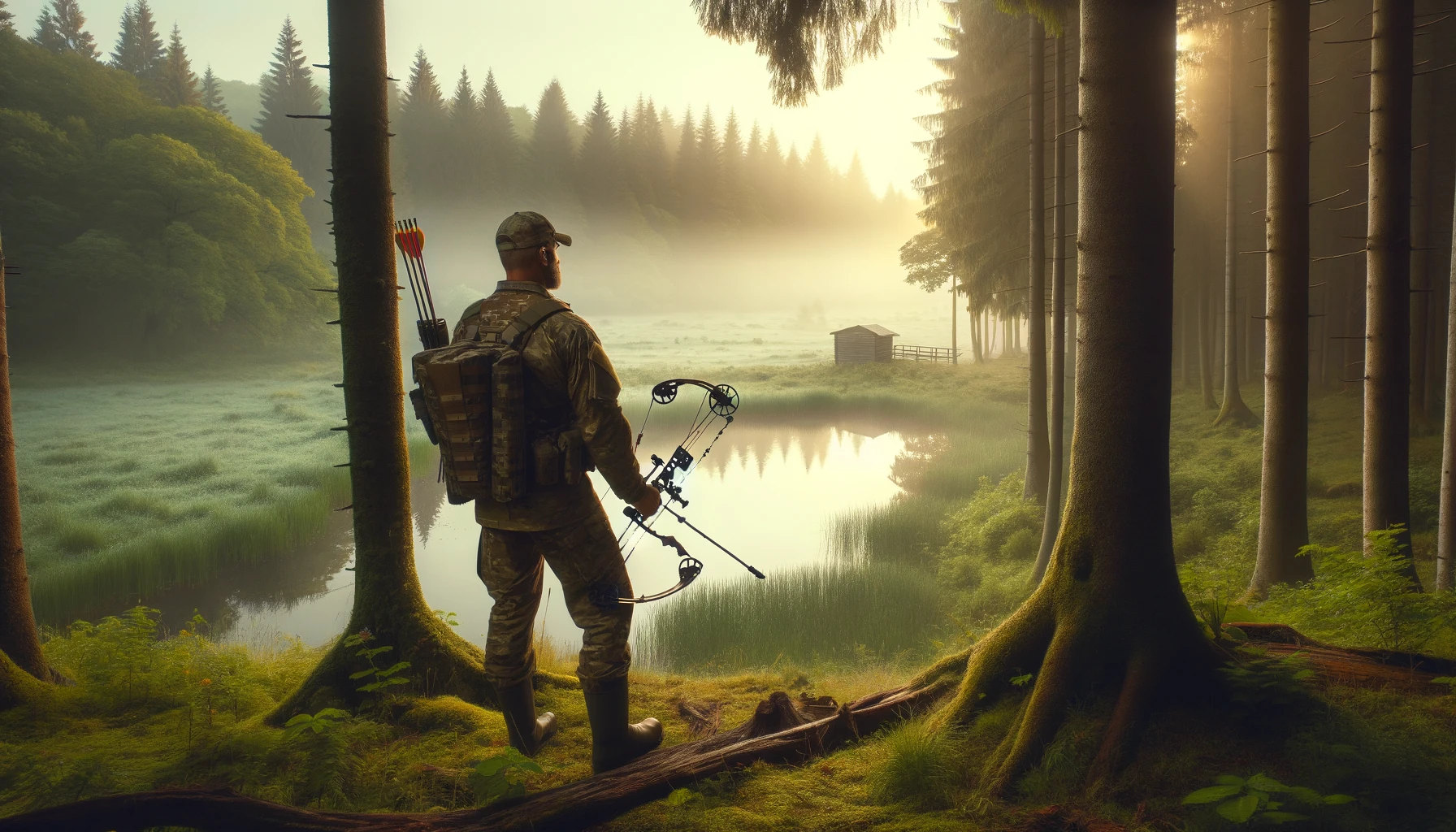
Hunting can be meaningful for some veterans because it offers time outdoors, structure, mentorship, and community. It should not be presented as medical care or a replacement for professional support for PTSD, depression, anxiety, suicidal thoughts, or any other health condition. Veterans who need support should use qualified care and crisis resources first.
Table of contents
Quick Answer: Can Hunting Help Veterans?
Hunting may help some veterans feel connected to nature, routine, skills, and other people. It is best understood as a recreational and community activity that can support well-being for some people, not as medical treatment. If a veteran is dealing with PTSD, depression, anxiety, substance use, suicidal thoughts, or crisis symptoms, professional support matters.
Best framing
Use careful language: hunting can be part of a healthy outdoor life for some veterans, especially when it is safe, legal, voluntary, and supported by trusted people.
When to seek help first
If someone feels unsafe, hopeless, out of control, or at risk of self-harm, do not plan a hunting trip as the answer. Contact crisis support, a VA provider, emergency services, or a trusted person immediately.
What Hunting Can Offer Some Veterans
For some veterans, hunting creates a structured reason to spend time outdoors, prepare carefully, move slowly, and reconnect with people who share similar interests. Those parts can be valuable even when the hunt does not end with a harvest.
Time outdoors
Quiet time outside can give some people a break from screens, noise, and daily pressure. That does not make it therapy by itself, but it can be a healthy part of a broader routine.
Purpose and preparation
Scouting, checking weather, practicing, packing, and following regulations give the day structure. For some veterans, that planning process can feel grounding.
Skill without pressure
Good hunting does not need to be competitive. Marksmanship, tracking, glassing, navigation, and safety habits can be practiced at a steady pace with a mentor or group.
What Hunting Is Not
This topic needs clear boundaries. Hunting is not a clinical intervention, and an article should not tell veterans to use it instead of care.
Not PTSD care
Hunting should not be used as PTSD care. The VA’s National Center for PTSD has evidence-based information about PTSD and care options at PTSD.va.gov.
Not a substitute for mental health care
The VA provides mental health care information for veterans at VA Mental Health Services. Outdoor activities can exist beside care, not replace it.
Not right for every person or every season
Some veterans may not want to hunt, be around firearms, be in remote places, or be in group settings. That is valid. Fishing, hiking, archery range practice, conservation work, or other outdoor activities may fit better.
Routine, Mentorship, and Community
The social side of hunting can be more important than the harvest. A safe group can provide encouragement, practical teaching, and a reason to stay connected.
Mentorship matters
New or returning hunters benefit from patient mentors who teach safety, local rules, land access, ethical shots, and what to do when a plan changes.
Group trips should stay low pressure
Veteran-focused hunts should not shame anyone for passing a shot, leaving early, asking for help, or choosing a non-firearm role such as scouting, cooking, calling, or photography.
Peer connection is not clinical care
Talking with people who understand military life can be meaningful, but peer support is not the same as professional mental health care. Both can have a place.
Accessible Ways to Get Started
A good veteran hunting experience starts with comfort, safety, and consent. The trip should be planned around the person, not around a dramatic harvest story.
Start with hunter education
Hunter education, range refreshers, and local mentoring programs are safer starting points than jumping straight into a difficult hunt.
Use adaptive planning when needed
Mobility, hearing, vision, pain, medication schedules, sleep, and transportation can affect trip planning. Choose terrain, timing, and gear that fit the person.
Consider lower-pressure outdoor roles
Some veterans may prefer scouting, wildlife watching, field-to-table cooking, target practice, conservation projects, or sitting with a mentor before actively hunting.
How to Choose a Veteran Outdoor Program
A good program should put safety, consent, and support before photos or harvest stories. Ask questions before signing up or inviting someone else.
Ask who leads the trip
Look for experienced mentors, clear safety rules, legal hunting plans, and people who know how to work calmly with beginners or returning hunters.
Ask about firearms and crisis policies
Any group working with veterans should have clear rules for firearm handling, storage, transportation, and what happens if a participant feels unsafe or overwhelmed.
Ask whether non-hunting roles are welcome
A strong program should allow people to participate without pressure to shoot. Scouting, cooking, photography, camp support, or simply being outdoors may be enough.
Safety, Regulations, and Trip Planning
Every veteran-focused hunt should be safe, legal, and realistic. That includes firearm safety, medical planning, communication, weather, and transportation.
Follow current hunting regulations
Check license, tag, weapon, season, hunter education, orange clothing, public-land, and reporting rules before the trip. Do not rely on old memories or another person’s tag situation.
Make a communication plan
Tell someone where the group is going, when it expects to return, who is driving, and what to do if plans change. Remote trips may need satellite communication.
Plan firearm storage and transport
Firearms should be transported, stored, loaded, and unloaded according to law and safe handling rules. If someone is in crisis or unsafe around firearms, remove access and get help immediately.
Helpful Veteran Resources
Use official resources when health, crisis, or veteran support questions come up.
Veterans Crisis Line
If you or someone you know is in crisis, contact the Veterans Crisis Line. In the United States, veterans can call 988 and press 1, chat online, or text 838255.
VA Whole Health
The VA’s Whole Health program focuses on what matters to the veteran and can be a useful starting point for broader well-being conversations.
Make the Connection
Make the Connection shares veteran stories and resources. It can help veterans and families find language for what they are experiencing.
Related Guides
For new hunters, start with our first-time hunting guide. For field safety, read shooting range safety rules. For broader outdoor planning, see hunting techniques.
FAQ
Is hunting PTSD care?
No. Veterans with PTSD concerns should use qualified care and VA resources. Hunting can be a recreation or community activity for some people, but it should not be used as a care plan.
Can hunting still be meaningful for veterans?
Yes, for some people. Time outdoors, structure, mentorship, and community can be meaningful when the activity is safe, legal, and voluntary.
Should a veteran in crisis go hunting?
No. If someone is in crisis or unsafe around firearms, contact the Veterans Crisis Line, emergency services, a VA provider, or a trusted person immediately.
Do veteran hunting programs need special planning?
Yes. Good programs consider safety, accessibility, transportation, medical needs, firearms handling, mentoring, local rules, and whether the participant actually wants that activity.
Are there alternatives to hunting?
Yes. Fishing, hiking, archery practice, wildlife photography, conservation volunteering, camping, or outdoor cooking may be a better fit for some veterans.