How Bowfishing Builds Hunting Skills: Safety, Practice, and Limits
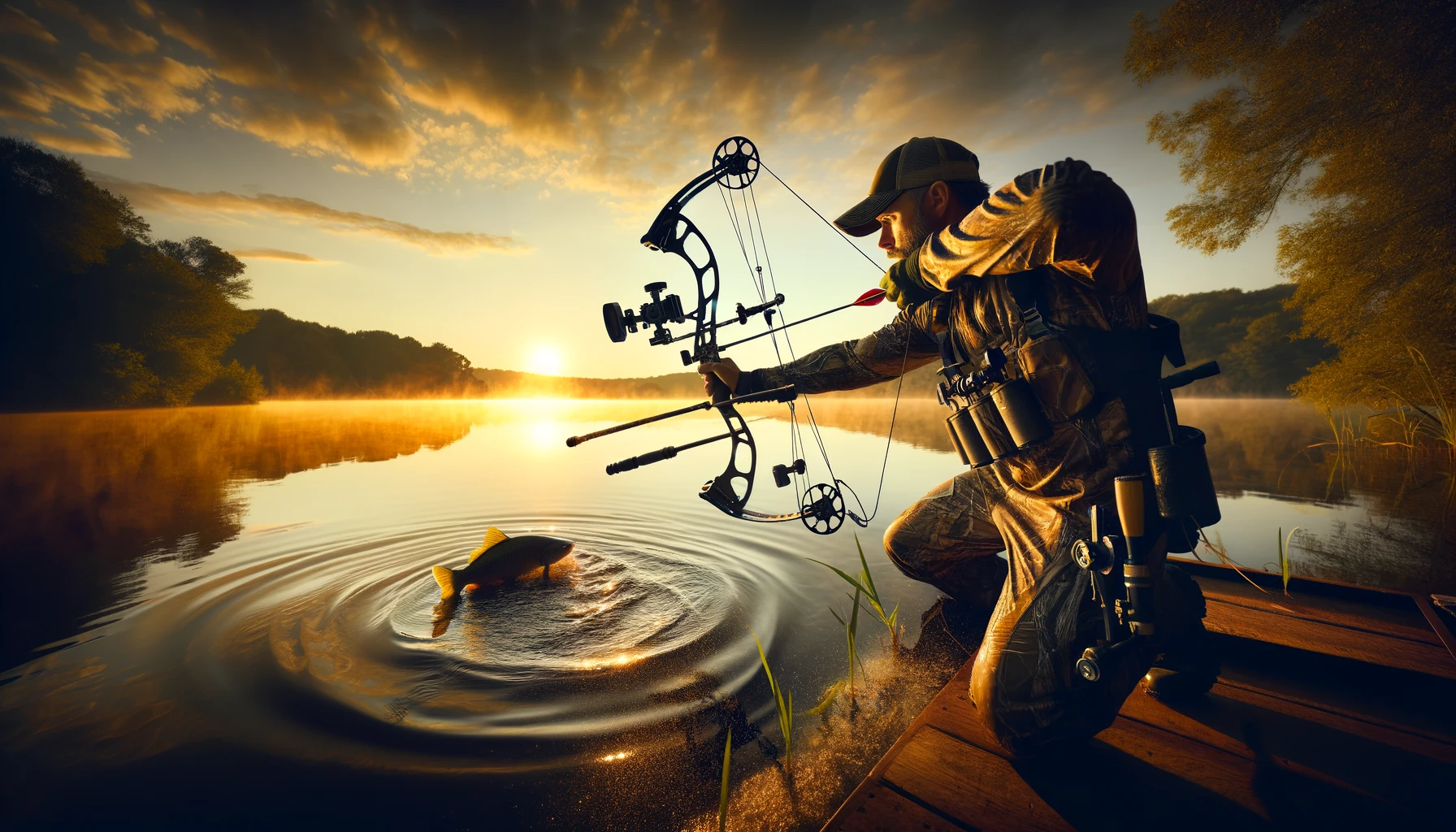
Bowfishing can help hunters keep archery skills active in the off-season, but it is not a shortcut to better hunting by itself. The real value is practice: reading distance, controlling movement, making fast but safe decisions, handling a bow under pressure, and learning when not to shoot.
Table of Contents
- Quick Answer: Can Bowfishing Build Hunting Skills?
- Best skill carryover
- Biggest limit
- What Skills Transfer to Hunting?
- Target focus under pressure
- Reading distance and angle
- Quiet movement
- Follow-through
- Where Bowfishing Does Not Replace Hunting Practice
- It does not replace broadhead tuning
- It does not replace shot-angle study
- It does not replace hunting regulations
- Safety and Legal Rules Come First
- Check species and waterway rules
- Respect boating safety
- Keep hunter education current
- Simple Off-Season Practice Plan
- Work on smooth draw timing
- Track your misses
- Keep normal range sessions
- Ethical Fish Handling and Disposal
- Know native versus invasive species
- Use legal disposal methods
- Do not waste fish for practice
- Leave the access cleaner than you found it
- Common Mistakes
- Shooting before identifying the fish
- Ignoring people and property
- Thinking bowfishing replaces hunting prep
- Related Guides
- Bottom Line
- Best way to use it
- FAQ
- Does bowfishing make you a better bowhunter?
- Is bowfishing legal everywhere?
- Do I need different arrows for bowfishing?
- Can bowfishing help with shooting under pressure?
- Should beginners try bowfishing?
- Bowfishing Practice and Legal Checks
Quick Answer: Can Bowfishing Build Hunting Skills?
Yes, bowfishing can build useful hunting skills if you treat it as controlled practice. It can improve target focus, draw timing, follow-through, distance judgment, patience, and field awareness. It should not replace range work, broadhead tuning, legal study, or realistic hunting practice from stands, blinds, and field positions.
Best skill carryover
The best carryover is mental: stay calm, identify the target, wait for a safe lane, and make a clean decision. That same process matters whether you are aiming at fish in shallow water or waiting on deer during archery season.
Biggest limit
Bowfishing shots are different from bowhunting shots. Fish are underwater, arrows are tethered, and shot angles are often close. Do not assume bowfishing accuracy equals deer-hunting readiness.
What Skills Transfer to Hunting?
Bowfishing uses a bow in a moving outdoor setting. That makes it useful for keeping your body and eyes working together when regular hunting seasons are closed.
Target focus under pressure
Fish may move quickly, disappear in glare, or shift with current. Bowfishing trains you to pick a small target area, draw smoothly, and avoid panic when the window is short.
Reading distance and angle
Water makes aiming different because of refraction, but the habit of judging distance and angle still helps. You learn to slow down, confirm what you are seeing, and avoid guessing.
Quiet movement
On a boat, bank, or shallow flat, noisy movement can ruin the chance. That reinforces quiet footwork, slow bow handling, and clean communication with anyone nearby.
Follow-through
Bowfishing punishes rushed shots. If you snap-shoot and lift your head, you usually miss. Holding form through the shot is a useful habit for target shooting and bowhunting.
Where Bowfishing Does Not Replace Hunting Practice
Bowfishing is useful practice, but it is not the same as preparing for deer, turkey, hogs, or other game animals.
It does not replace broadhead tuning
Bowfishing arrows, reels, lines, and points are different from hunting arrows. Before archery season, confirm your hunting setup, broadheads, sight marks, and arrow flight separately.
It does not replace shot-angle study
Underwater fish shots do not teach the same anatomy or shot angles as big-game hunting. Hunters still need to study ethical shot angles for the animal they plan to hunt.
It does not replace hunting regulations
Bowfishing rules and hunting rules are separate. A legal fish harvest does not tell you anything about deer tags, weapon seasons, public-land access, or reporting requirements.
Safety and Legal Rules Come First
Bowfishing often happens around boats, lights, docks, shorelines, and other people. That means safety and current rules matter before any practice benefit.
Check species and waterway rules
Legal species vary by state and waterbody. Some fish are invasive in one place, protected or regulated in another, and illegal to shoot in certain waters. Check your current state fish and wildlife agency rules before every trip.
Respect boating safety
If you bowfish from a boat, review basic boating rules, lights, life jackets, and safe operation. The U.S. Coast Guard’s life jacket guidance is a useful safety starting point.
Keep hunter education current
Bowfishing is not the same as hunting, but safe target identification, muzzle or arrow direction, and legal awareness still matter. The IHEA-USA course finder can help locate approved hunter education options.
Simple Off-Season Practice Plan
Use bowfishing as one part of a wider off-season routine. Keep the goals simple and measurable.
Work on smooth draw timing
Practice drawing without jerking the bow or rushing your anchor. If the target is not safe or clear, let down and reset.
Track your misses
Write down why you missed: distance, glare, movement, poor anchor, bad footing, or rushing. Patterns tell you what to practice next.
Keep normal range sessions
Continue shooting field points and your hunting arrows at known distances. Bowfishing should support range practice, not replace it.
Ethical Fish Handling and Disposal
Responsible bowfishing includes knowing what to do with fish after the shot. Do not leave carcasses on banks, ramps, parking areas, or private property.
Know native versus invasive species
Not every fish called “rough fish” is disposable or harmful. For invasive carp background, the National Invasive Species Information Center has a helpful invasive carp resource page.
Use legal disposal methods
Disposal rules vary. Some areas allow use as food, garden fertilizer, animal feed, or landfill disposal, while others have specific restrictions. Check local rules before the trip.
Do not waste fish for practice
If the goal is skill work, set limits and plan the harvest. Ethical practice should not become careless shooting.
Leave the access cleaner than you found it
Boat ramps, shorelines, and parking areas stay open when users respect them. The Leave No Trace 7 Principles are a good reminder to plan ahead, dispose of waste properly, and respect other visitors.
Common Mistakes
Most bowfishing mistakes come from treating it like casual target practice instead of a regulated harvest activity.
Shooting before identifying the fish
Do not shoot until you know the species is legal and the shot is safe. Reflections, mud, weeds, and night lights can make identification harder.
Ignoring people and property
Watch for docks, swimmers, other boats, roads, houses, and livestock. A tethered arrow is still a dangerous projectile.
Thinking bowfishing replaces hunting prep
Bowfishing can keep you sharp, but hunting prep still needs scouting, regulation checks, range work, gear checks, and shot-discipline practice.
Related Guides
For more archery setup work, read our 3D archery setup guide. For broad hunting habits, see our hunting techniques guide. If you are new to the field, start with the first-time hunting guide.
Bottom Line
Bowfishing is useful off-season practice when it is legal, safe, and planned. Use it to work on calm movement, target focus, follow-through, and honest shot decisions. Then keep doing normal hunting prep: range sessions, scouting, gear checks, rule checks, and practice from the positions you will actually use in season.
Best way to use it
Treat each trip like a training session with a harvest plan. Know what you are allowed to shoot, know how you will handle the fish, and write down the shooting habits you want to improve before the next trip.
FAQ
Does bowfishing make you a better bowhunter?
It can help with draw timing, target focus, patience, and follow-through. It does not replace hunting-arrow practice, animal anatomy study, or legal preparation.
Is bowfishing legal everywhere?
No. Rules vary by state, species, waterbody, season, time of day, and equipment. Always check current fish and wildlife regulations.
Do I need different arrows for bowfishing?
Yes. Bowfishing uses specialized arrows, points, line, and a reel or retrieval system. Do not use a normal hunting arrow as a bowfishing setup.
Can bowfishing help with shooting under pressure?
Yes, if you practice safely. Moving fish can train calm decision-making, but you should still pass unsafe or unclear shots.
Should beginners try bowfishing?
Beginners can try it with instruction, legal guidance, proper equipment, and close supervision. Start slowly and learn the rules before shooting.
Bowfishing Practice and Legal Checks
Bowfishing can build aiming discipline, distance judgment, and equipment awareness, but it is still regulated activity. The skills do not transfer automatically to hunting without ethical shot judgment and legal awareness.
- Check state species, season, and waterway rules before bowfishing.
- Use bowfishing arrows and line systems designed for the task.
- Practice safe draw direction around boats, banks, and other people.
- Do not treat moving-water shots as a substitute for hunting practice.
- Review disposal and possession rules for harvested fish.
For hunting and outdoor safety education, Hunter-ed is a helpful starting point.