How to Store and Transport Ammunition Safely


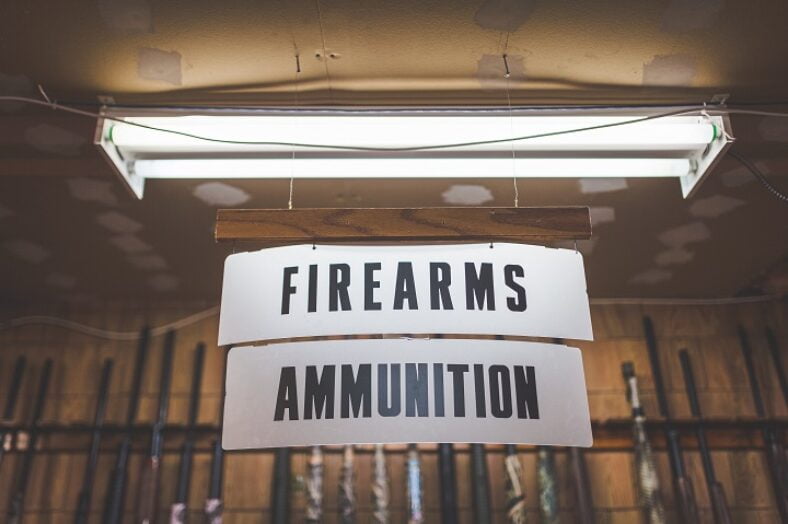
Store ammunition in a cool, dry location, away from heat, open flame, solvents, petroleum products, acids, ammonia, and other chemicals. Keep it in the original box or purpose-designed ammunition packaging when possible, and keep it inaccessible to children, guests, and other unauthorized people.

`r`n`r`n
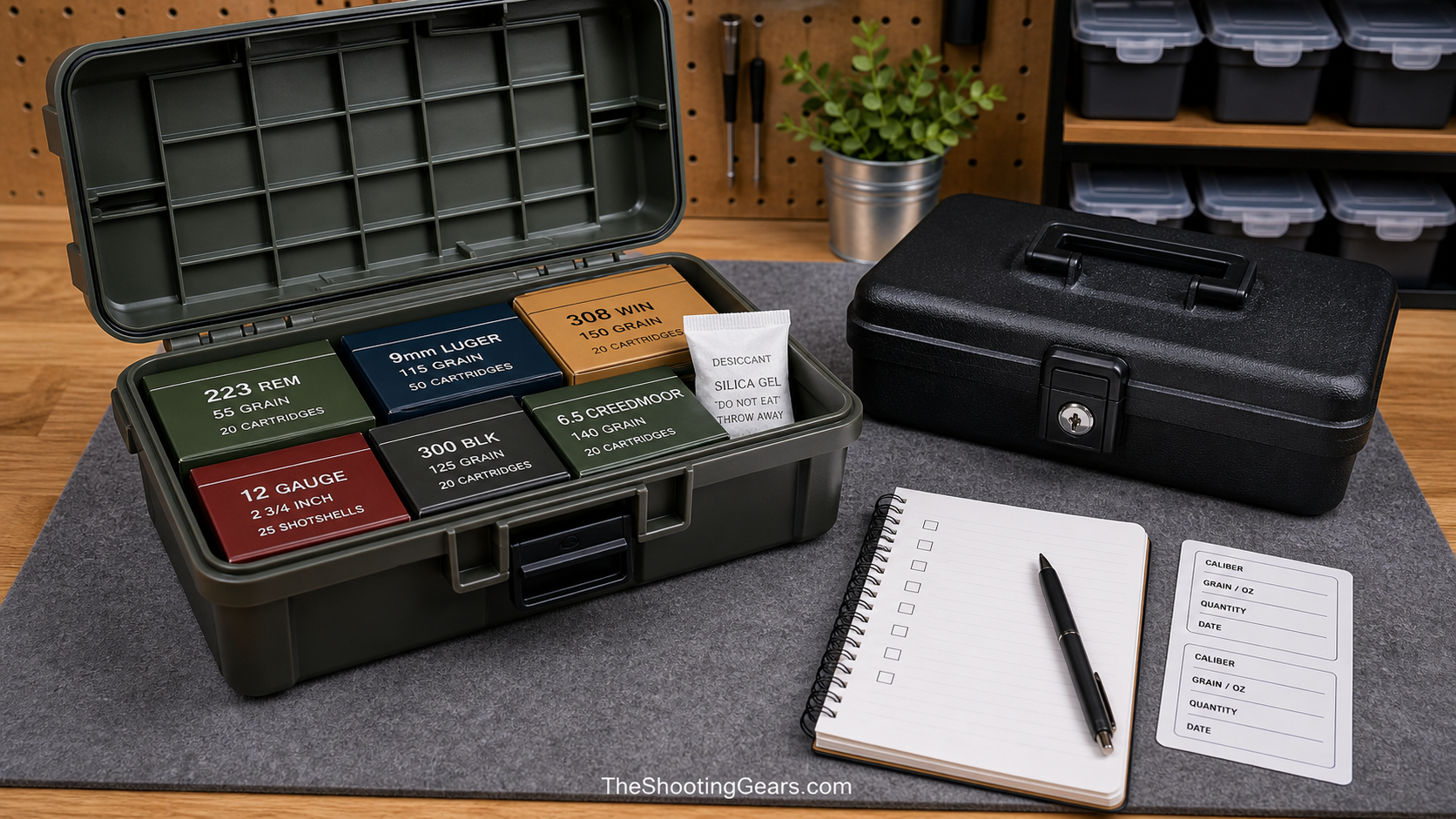
A safe ammunition routine starts with cool dry storage, closed packaging, clear labels, secure access, and current transport rules.
`r`n`r`n

This guide explains safe ammunition storage and transport basics without pretending one article can replace current local law, product labels, or manufacturer instructions. It does not cover reloading, powder or primer storage, disposal, firefighting tactics, or state-by-state legal advice.

Table of Contents

Quick Answer: How To Store Ammunition Safely

The safest general approach is simple: keep ammunition cool, dry, properly packaged, separated from chemicals and heat sources, and controlled so unauthorized people cannot access it. That matches the practical direction in SAAMI ammunition storage and handling guidance.

  • Cool and dry: avoid hot, damp, or rapidly changing storage conditions.
  • Away from heat and chemicals: do not store ammunition next to solvents, petroleum products, acids, ammonia, open flame, or heat sources.
  • Properly packaged: use original packaging or a purpose-designed ammunition container that keeps rounds identified and protected.
  • Access-controlled: prevent access by children, guests, and anyone who should not handle it.

Why Ammunition Storage Conditions Matter

Storage conditions matter because heat, moisture, chemical exposure, and rough handling can affect ammunition over time. Good storage is mostly about controlling those risks before they become a problem.

Heat and humidity

Choose a location that stays moderate and dry rather than hot, humid, or exposed to wide temperature swings. A hot attic, damp basement, or vehicle interior is usually a poor default unless the environment is controlled.

Water and chemical exposure

Keep ammunition away from direct water contact and away from cleaning chemicals, fuels, petroleum products, acids, ammonia, and solvents. A separate shelf or cabinet away from gun-cleaning supplies is usually a cleaner setup than mixing everything together.

Physical damage and inspection

Handle ammunition carefully and keep it protected in proper packaging. Do not use ammunition that looks damaged, corroded, deformed, wet, or otherwise suspect.

Where To Store Ammunition At Home

A good home storage location is boring in the best possible way: dry, stable, labeled, and access-controlled. A cabinet, shelf, or dedicated storage container can work if it stays away from heat, moisture, chemicals, and unauthorized access.

Original boxes help you identify caliber, load, manufacturer, and lot information. If you move ammunition into a different purpose-designed container, keep it clearly labeled and avoid mixing loose, unidentified rounds.

For households with children or frequent visitors, access control matters as much as the environment. Project ChildSafe and the NSSF Project ChildSafe program are useful starting points for broader secure-storage thinking.

Where Not To Store Ammunition

  • Direct sunlight or hot vehicles: temperatures can rise quickly and are hard to control.
  • Damp basements without moisture control: moisture works against the dry-storage goal.
  • Near solvents, oils, acids, ammonia, or fuels: keep ammunition away from chemical exposure.
  • Loose in random containers: mixed loose rounds make identification and inspection harder.
  • Accessible drawers or open shelves: any location reachable by children, guests, or unauthorized users fails the access-control test.

How To Transport Ammunition Safely

For normal range trips, keep ammunition packaged, protected from impact, and separated from loose tools, liquids, and cleaning chemicals. Use a sturdy range bag or container that keeps boxes from opening and keeps the ammunition identifiable.

Transport rules can change by state, locality, range, and travel method. This article does not give legal transport advice. If you are crossing state lines, flying, or transporting firearms and ammunition in a regulated situation, check current official rules before you travel.

Ammunition Storage Checklist

Use this checklist before you settle on a storage spot. It is not a legal checklist; it is a practical safety screen.

CheckSafe directionWhy it matters
TemperatureCool, stable locationReduces avoidable heat exposure
MoistureDry storage areaHelps avoid dampness and corrosion risk
PackagingOriginal or purpose-designed packagingKeeps ammunition identified and protected
ChemicalsAway from solvents, petroleum products, acids, ammonia, and other chemicalsAvoids chemical exposure
AccessInaccessible to children, guests, and unauthorized personsSupports responsible home storage
FirearmsConsider separate storage based on household risk and local rulesAdds another layer of access control
ConditionDo not use damaged or suspect ammunitionPrevents use of questionable rounds

What This Guide Does Not Cover

  • Reloading procedures: no powder charges, primer substitutions, recipes, or troubleshooting are covered here.
  • Powder and primer storage: those components need separate guidance.
  • Disposal: contact a source-backed option such as local law enforcement, a shooting facility, the manufacturer, or local waste authority for damaged or unwanted ammunition.
  • Firefighting tactics: follow local fire department and official emergency guidance.
  • State-by-state law: requirements vary, so verify current rules where you live and travel.

Frequently Asked Questions

Can ammunition be stored in a garage?

A garage can work only if it stays cool, dry, chemical-free, and access-controlled. Many garages get hot, humid, or hold solvents and fuels, which are the conditions to avoid. If a garage cannot stay controlled, choose a better indoor location.

Should ammo stay in the original box?

Original packaging is usually the best default because it helps identify the ammunition and protects it from unnecessary handling damage. Purpose-designed ammunition containers can also work if they keep the contents clearly labeled and protected.

Can ammo be stored with a firearm?

It depends on household risk, space, and current local rules. Storing ammunition separately from firearms is a commonly cited safety practice because it adds another access-control layer, but this article does not claim one universal legal rule applies everywhere.

What should I do with damaged ammunition?

Do not use ammunition that looks damaged, corroded, wet, deformed, or otherwise suspect. For disposal, contact local law enforcement, a shooting facility, the manufacturer, or a local waste authority. Do not guess or improvise disposal methods.

Is ammunition dangerous in a house fire?

Ammunition can be affected by fire, which is one reason storage guidance emphasizes keeping it away from heat sources and open flames. This article does not provide firefighting tactics; follow your local fire department and official emergency guidance.

Is this legal advice for transporting ammunition?

No. This is a safety and organization guide, not legal advice. Transport rules vary by location and travel method, so check current official rules before transporting ammunition, especially across state lines or by air.

Final Recommendation

The practical ammunition-storage standard is consistent: cool, dry, away from heat and chemicals, properly packaged, and inaccessible to unauthorized persons. Do not use damaged or suspect ammunition, keep it away from cleaning chemicals, and verify current local rules for storage or transport questions.

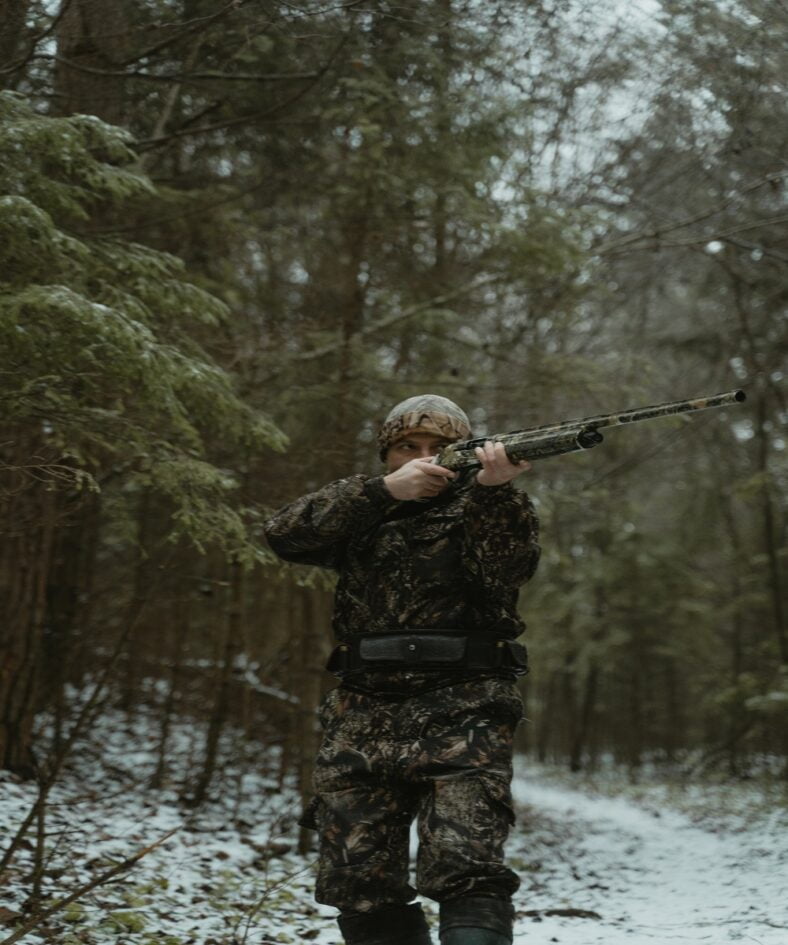
Low-Light Shooting Tips: Safety and Accuracy Guide

Low-light shooting is harder because the target, sights, background, and safety risks are all less obvious. The safest improvement is not simply “add more light.” It is learning when not to shoot, how to identify the target and what is beyond it, how your sights behave in dim light, and how to practice under controlled range conditions.

This guide is written for responsible range practice, hunting preparation, and general marksmanship awareness. Always follow your firearm manual, local laws, range rules, and the core safety rules. The NSSF firearm safety rules are the baseline before any low-light practice.

Table of Contents
  1. Quick Low-Light Shooting Checklist
  2. Why Low Light Is Different
  3. Identify Before Shooting
  4. Sights and Optics
  5. Safe Practice Plan
  6. Hunting Considerations
  7. Common Mistakes
  8. Related Guides
  9. FAQ
  10. Final Recommendation

Quick Low-Light Shooting Checklist

CheckWhat to confirmWhy it matters
Legal lightHunting or range activity is allowed at that time and locationLow light can create legal and ethical problems fast.
Target IDYou can clearly identify the target, not just a shape or soundNever shoot at an uncertain target.
BackstopYou know what is behind and around the targetBackgrounds are harder to read in dim light.
Sight pictureYour sights, reticle, or dot are visible without covering the targetAiming errors increase when contrast drops.
Light disciplineYou know how your light affects vision and target visibilityToo much or too little light can both cause problems.
Practice settingLow-light drills happen only at an approved range or safe setupControlled practice beats guessing in the field.
Stop ruleYou know when visibility is too poor to continueThe best low-light skill is knowing when not to shoot.

Why Low Light Is Different

Low light reduces contrast. That makes it harder to judge distance, see sight alignment, read terrain, and confirm what is beyond the target. It can also change how your eyes respond to muzzle flash, bright lights, shadows, and reflective surfaces.

Accuracy problems in low light are often decision problems before they are trigger problems. If the target is unclear, the backstop is uncertain, or the sight picture is not reliable, the correct choice is to stop. Better equipment cannot fix a bad identification decision.

Identify the Target Before Shooting

Target identification is the central rule. A shooter must know what the target is, where the safe backstop is, and what else is nearby. Low-light conditions make shapes and movement easier to misread, so do not treat movement, noise, or outline alone as enough information.

For secure storage and safe firearm habits around the home, Project ChildSafe is also worth referencing. Low-light awareness should include the full safety picture, not only aiming technique.

Understand Your Sights and Optics in Dim Light

Iron sights, illuminated reticles, red dots, scopes, and night sights all behave differently as light fades. A bright dot can bloom and cover detail. A non-illuminated reticle may disappear against a dark target. A scope can show a clearer image than the naked eye, but it does not remove the need to identify the target and background.

Practice with the same sighting system you plan to use. Check brightness settings, battery status, reticle visibility, and how the sight appears from different positions. If your optic has illumination, use the lowest setting that gives a clear aiming reference without washing out the target.

Build a Safe Low-Light Practice Plan

Low-light practice should happen only where it is allowed and controlled. Confirm range rules, target setup, backstop, emergency lighting, and supervision if needed. Start with simple drills: clear target identification, slow groups, sight visibility checks, and safe reload or handling practice only if the range permits it.

Do not add speed until safety and visibility are reliable. Record what worked: lighting level, sight setting, distance, target color, and whether you could call your shots. That information is more useful than trying to “win” a dark practice session.

Low-Light Hunting Considerations

Hunting adds legal and ethical limits. Shooting hours, species identification, blaze-orange rules, artificial-light rules, and property boundaries vary by place. Check your local wildlife agency before relying on any general advice. When visibility is marginal, passing the shot is often the responsible choice.

For competitive and formal marksmanship pathways, USA Shooting is a useful authority source. For hunting, pair marksmanship practice with local regulations and hunter education before field use.

Common Low-Light Shooting Mistakes

  • Shooting before the target and backstop are clearly identified.
  • Using an optic illumination setting that is too bright.
  • Assuming a scope can replace safe visual confirmation.
  • Practicing low-light handling in an unsafe or unapproved place.
  • Ignoring local hunting-hour or artificial-light laws.
  • Forgetting that fatigue and darkness make judgment worse.

FAQ

What is the most important low-light shooting rule?

The most important rule is target identification. If you cannot clearly identify the target and what is beyond it, do not shoot.

Do illuminated reticles help in low light?

They can help, but only when set correctly. Too much brightness can cover detail or reduce your ability to see the target clearly.

Can I practice low-light shooting at home?

Live-fire practice belongs only in approved safe locations. Dry practice should follow your firearm manual, strict unloading procedures, safe direction, and secure ammunition separation.

Is low-light hunting always legal?

No. Legal shooting hours, artificial-light rules, and species rules vary by location. Check your local wildlife agency before hunting in low-light conditions.

Final Recommendation

Low-light shooting should be treated as a decision-making and safety problem first, and an accuracy problem second. Practice in controlled settings, learn how your sights behave, verify every target and backstop, and stop when visibility is not good enough. That discipline matters more than any single piece of gear.

How to Choose the Right Ammunition for Your Firearm Safely

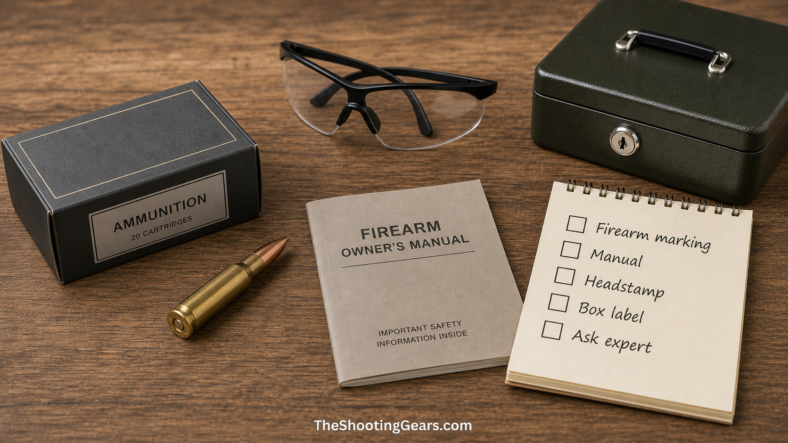
The safe rule for ammunition is simple: use only the ammunition the firearm manufacturer designates for that specific firearm, confirmed by the markings on the gun, the ammunition headstamp, the box label, and the owner’s manual. A cartridge fitting into the chamber or action does not prove it is safe.

This guide explains how to verify a match the right way. It is a safety explainer, not a caliber recommendation, reloading guide, legal guide, or product guide. It does not replace your firearm manufacturer’s instructions, range safety officer, or a qualified gunsmith.

The Safe Rule: Match the Ammunition to the Firearm

Firearms should be used only with ammunition designated by the manufacturer for that firearm. This is one of the core safety rules published by SAAMI firearm safety rules and echoed in the NSSF rules of safe gun handling. The ammunition must match the firearm manual and the markings on the firearm. If those do not line up clearly, do not shoot it.

Check the Firearm Markings and Ammunition Headstamp

Start by reading the firearm’s own markings, which usually appear on the barrel, frame, slide, or receiver and state the cartridge the firearm is chambered for. Then compare that to the headstamp on the cartridge case and the original ammunition packaging.

According to SAAMI’s ammunition interchangeability guidance, the safest verification path is to check the ammunition headstamp against the firearm markings and manufacturer information. If the designation is uncertain or does not clearly match, do not use it until a qualified person examines it.

Read the Manual and Ammunition Box Warnings

The owner’s manual and ammunition box carry specific warnings. The manual tells you what the firearm is chambered for and may also list cartridges, pressure levels, or ammunition types to avoid. The ammunition box states the cartridge designation and warnings from the ammunition maker.

If you do not have the manual, check the firearm manufacturer’s website or contact the manufacturer. Treat manufacturer documentation as the authority, not a forum comment, a friend’s memory, or a visual guess.

Do Not Trust Fit Alone

A round fitting in the chamber or cycling through the action does not mean it is safe to fire. Some cartridges are dimensionally similar but operate at different pressures or have other compatibility limits. Chambering a round is not proof that it belongs in that firearm.

If you are tempted to try ammunition because it physically fits, stop and verify it by firearm markings, manual, headstamp, box label, and qualified guidance.

Watch for Shotgun Shell Length and Gauge

Shotguns add two specific traps: shell length and gauge. Loading a longer shotshell into a shorter chamber can create dangerous pressure conditions, so the shell length must match what the shotgun chamber is marked for. Gauge matters just as much, and different gauges are not interchangeable.

Confirm both the gauge and chamber length stamped on the barrel before loading any shotshell. If the marking is unclear, stop and ask a qualified person.

Be Careful With Military, +P, Reloaded, or Unknown Ammunition

Some ammunition needs extra caution. Military-standard ammunition should be used only in firearms explicitly marked or documented for that specific cartridge. Higher-pressure loads such as +P should be used only if the firearm manufacturer’s markings or manual support them.

Reloaded, remanufactured, surplus, inherited, or loose unknown ammunition should be treated carefully because the components, storage history, and pressure assumptions may not be clear. When a cartridge’s history or designation is uncertain, do not fire it.

Inspect Every Cartridge Before Use

Examine each cartridge before loading. Look for dents, corrosion, split cases, loose or missing components, oil or solvent exposure, water damage, and anything that looks irregular. Keep solvents and excessive lubricants away from ammunition.

If ammunition has been submerged, badly wet, contaminated, damaged, or stored under unknown conditions, set it aside and follow manufacturer or qualified guidance for disposal. Do not try to test questionable ammunition by firing it.

When to Stop and Ask a Qualified Person

If anything is uncertain, stop. A qualified gunsmith, the firearm manufacturer, a range safety officer, or a knowledgeable retailer can help confirm whether ammunition is correct for your firearm. SAAMI also publishes a library of ammunition and firearm advisories for further safety reading.

There is no downside to checking. The cost of guessing wrong can be severe.

Frequently Asked Questions

How do I know what ammunition my gun takes?

Read the cartridge designation marked on the barrel, frame, slide, or receiver, then confirm it against the owner’s manual, ammunition headstamp, and box label. If anything is unclear, ask the manufacturer or a qualified gunsmith.

If a cartridge fits in the chamber, is it safe to shoot?

No. Fit alone is not proof of safety. Some cartridges are similar in size but not safe in the same firearm. Always verify by manufacturer markings, the manual, the headstamp, and qualified guidance.

Can I shoot +P or military ammunition in my firearm?

Only if the firearm manufacturer’s markings or manual specifically support that ammunition. Higher-pressure +P loads and military cartridges are not universal substitutes.

Is it safe to use ammunition that got wet?

Ammunition that has been very wet, submerged, contaminated, or exposed to oil or solvents should not be fired unless the manufacturer or another qualified source says it is safe. When in doubt, do not use it.

What should I do if I am not sure the ammunition is correct?

Stop and do not fire it. Have the firearm and ammunition checked by a qualified gunsmith, the manufacturer, a range safety officer, or another qualified person.

Final Safety Recommendation

Choosing ammunition is a verification task, not a guessing game. Match the cartridge to the firearm’s markings, confirm it against the manual and headstamp, inspect every round, and treat fit as meaningless on its own. When anything is unclear, stop and ask a qualified person before loading or firing.

How to Properly Clean and Maintain Your Firearm: A Comprehensive Guide

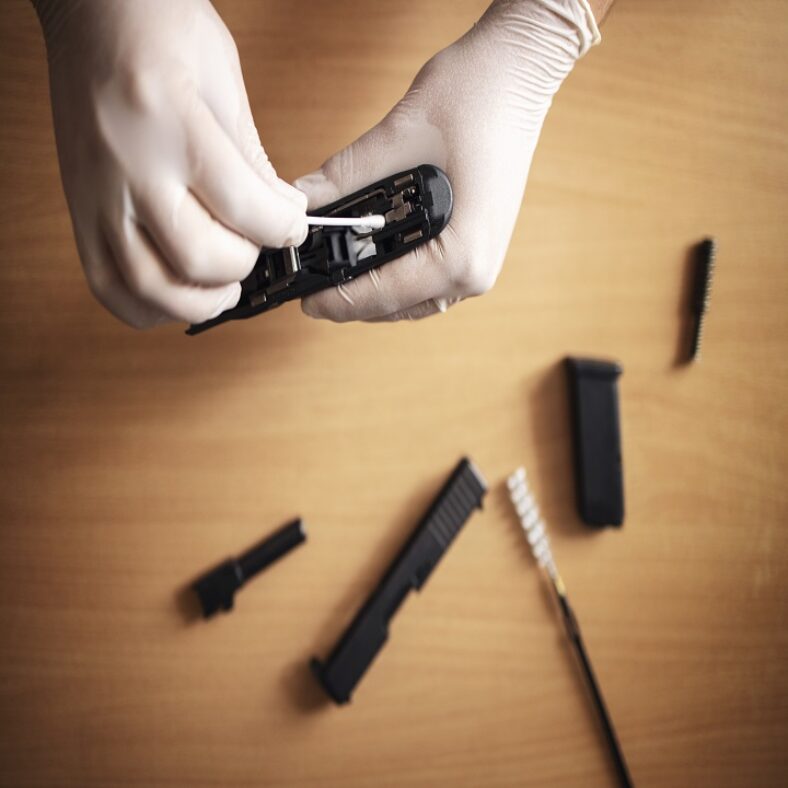
Firearm cleaning and maintenance after use at shooting range.

Introduction

Firearm maintenance is an essential part of responsible gun ownership. Proper cleaning and care can ensure that your firearm functions safely and efficiently, while also extending its lifespan. In this informative article, we’ll walk you through the steps to clean and maintain your firearm, ensuring it remains in optimal condition. With a friendly tone and easy-to-follow instructions, you’ll soon become an expert in firearm care. Let’s get started!

The Importance of Regular Firearm Maintenance

Why Clean Your Firearm?

Regular firearm maintenance is crucial for several reasons. Firstly, cleaning helps remove fouling and residue that can accumulate over time, leading to reduced accuracy and potential malfunctions. Furthermore, proper care prevents corrosion and rust, which can damage the firearm’s components and weaken its structural integrity. Finally, regular inspection and maintenance allow you to identify any potential issues before they become more significant problems, ensuring your firearm remains safe and reliable.

Cleaning Supplies and Tools

What You’ll Need

To clean and maintain your firearm effectively, you’ll need a few essential supplies and tools. These include:

  1. Cleaning solvent: A solvent specifically designed for firearms will help remove fouling, residue, and other debris.
  2. Lubricant: A quality gun oil or lubricant helps protect your firearm from corrosion and ensures smooth operation.
  3. Bore brush: A brush designed for your firearm’s caliber or gauge will help clean the barrel effectively.
  4. Cleaning patches or cloth: These are used to apply solvent, lubricant, and to remove debris from the firearm.
  5. Cleaning rod: A rod helps you reach deep into the barrel, ensuring a thorough clean.
  6. Small brush or toothbrush: These are useful for cleaning hard-to-reach areas.
  7. Cotton swabs: Swabs can be used to apply lubricant in tight spaces.
  8. A clean, lint-free cloth: This is useful for wiping down the firearm after cleaning.

Optional Supplies

Some additional supplies can further enhance your firearm cleaning process. These may include:

  1. Cleaning mat or pad: A mat can protect your work surface and keep small parts organized.
  2. Bore snake: This tool can be used as an alternative to a cleaning rod and bore brush for a quick barrel cleaning.
  3. Gun vise or cradle: A vise or cradle can hold your firearm securely while you clean it.

The Cleaning Process

Disassembly

Before you begin cleaning your firearm, ensure it is unloaded and pointed in a safe direction. Next, consult your firearm’s manual for disassembly instructions. Most firearms require at least partial disassembly for cleaning, which may include removing the bolt, slide, or barrel. Always follow the manufacturer’s guidelines to avoid damaging your firearm or voiding any warranties.

Cleaning the Barrel

Once your firearm is disassembled, begin by cleaning the barrel. Apply some cleaning solvent to a bore brush or patch and run it through the barrel using a cleaning rod. Repeat this process several times to loosen and remove any fouling or debris. Next, use a dry patch to remove any remaining solvent and debris from the barrel. Finally, apply a thin layer of lubricant to a clean patch and run it through the barrel to protect it from corrosion.

Cleaning the Action and Other Components

Using a small brush or toothbrush and cleaning solvent, clean the action and other components of your firearm. Pay particular attention to areas where fouling or debris may accumulate, such as the bolt face, extractor, and chamber. Once the components are clean, use a dry cloth or patch to remove any remaining solvent. Apply a light coat of lubricant to the moving parts and any areas prone to friction or wear. Be sure not to over-lubricate, as this can attract dirt and debris, leading to malfunctions.

Reassembly and Final Inspection

After cleaning and lubricating all components, carefully reassemble your firearm according to the manufacturer’s instructions. Once reassembled, perform a function check to ensure everything is working correctly. This may include cycling the action, dry-firing (if safe for your firearm), and checking the safety mechanisms. If you encounter any issues, disassemble your firearm and inspect the components for damage or improper assembly.

Wiping Down the Exterior

Finally, use a clean, lint-free cloth to wipe down the exterior of your firearm. This removes any fingerprints or oil, which can cause corrosion over time. You can also apply a thin layer of lubricant or a silicone cloth to the exterior metal surfaces for added protection against rust and moisture.

Storing Your Firearm

Proper Storage Techniques

Proper storage is crucial in maintaining your firearm’s condition and ensuring its safety. Always store your firearm unloaded and in a secure location, such as a gun safe or lockbox. This prevents unauthorized access and protects your firearm from damage or theft. Additionally, store your ammunition separately from your firearm to further reduce the risk of accidents. Lastly, consider using a dehumidifier or moisture-absorbing packets in your storage area to prevent rust and corrosion.

Conclusion

In conclusion, properly cleaning and maintaining your firearm is essential for ensuring its longevity, performance, and safety. By following the steps outlined in this comprehensive guide, you can keep your firearm in optimal condition and enjoy a reliable, efficient shooting experience. Remember, responsible gun ownership includes regular maintenance and care – make it a priority, and you’ll reap the benefits for years to come.

Shooting Range Trip Checklist: Safe Preparation Guide

A good shooting trip starts before you leave home. Whether you are going to a public range, a private range, or a supervised field session, the safest plan is to confirm rules, pack verified gear, transport firearms and ammunition correctly, and know what you will practice before the first shot.

This guide is a practical pre-trip checklist for responsible shooters. Always follow local laws, range rules, firearm manuals, and the basic safety rules. The NSSF firearm safety rules are the baseline for every range day or shooting activity.

Table of Contents
  1. Quick Pre-Trip Checklist
  2. Confirm Rules and Purpose
  3. Pack Safety Gear
  4. Transport Firearms and Ammunition
  5. Plan Your Practice
  6. Range Etiquette
  7. After-Trip Checks
  8. Related Guides
  9. FAQ
  10. Final Recommendation

Quick Pre-Trip Checklist

CategoryWhat to confirmWhy it matters
RulesRange hours, allowed firearms, allowed ammunition, target rules, and required safety gearEvery range has its own operating rules.
Firearm statusFirearms are unloaded, cased, functional, and legal to transportSafe transport starts before the vehicle moves.
AmmunitionCorrect caliber/gauge, safe condition, and enough for the practice planWrong ammunition is a serious safety risk.
Eye and ear protectionEveryone has suitable protection before shooting startsHearing and eye protection are non-negotiable.
Targets and toolsApproved targets, stapler/tape, marker, spotting aid, and basic maintenance itemsSmall missing items waste range time.
Practice planZeroing, grouping, position work, safety drills, or gear checkA plan makes practice more useful and safer.
Storage after tripFirearms and ammunition return to secure storageThe trip is not over until everything is secured.

Confirm Rules and Purpose Before You Go

Before packing gear, decide what the trip is for. Are you sighting in a rifle, testing a new optic, practicing trigger control, checking hunting gear, or introducing a beginner to safe range habits? A clear purpose keeps the session focused and prevents random gear piles.

Next, check the rules for the location. Public ranges may limit ammunition types, target materials, rapid fire, drawing from a holster, steel target distance, or shotguns. Private land also needs a safe backstop, permission, and compliance with local law.

Pack Safety Gear First

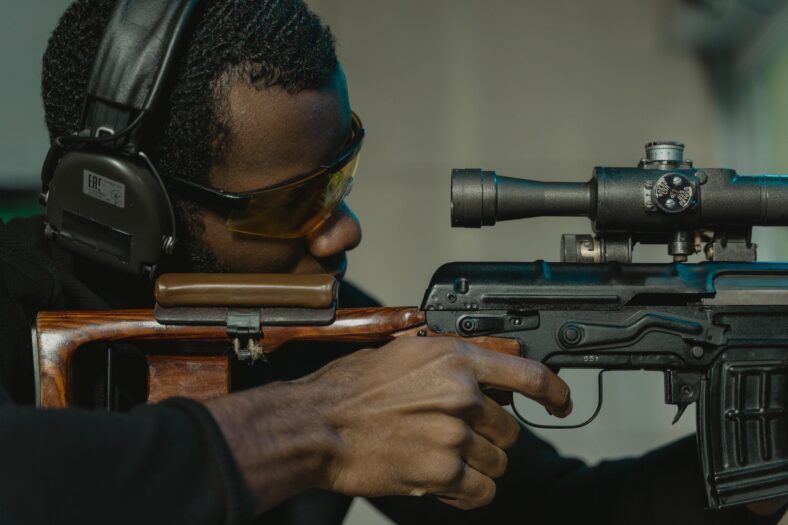
Eye and ear protection should be packed before optional accessories. Bring protection for every person attending, not only the shooter. Electronic earmuffs, foam plugs, wraparound eye protection, a brimmed hat, and a small first-aid kit are basic range-day items.

For secure storage and responsible firearm ownership reminders, Project ChildSafe is a useful resource. Good preparation includes how firearms are stored before and after the trip, not just what happens at the firing line.

Transport Firearms and Ammunition Carefully

Transport rules vary by location, so check your state and local requirements. As a general safety habit, firearms should be unloaded, actions checked, and gear organized so there is no confusion at the range. Keep ammunition in the correct packaging or clearly labeled containers.

Before leaving, confirm that the ammunition matches the firearm. Do not rely on memory or similar-looking cartridges. A quick caliber/gauge check is one of the simplest ways to prevent a serious mistake.

Plan Your Practice Session

A good practice plan is short and specific. Examples include confirming zero, shooting three careful groups, practicing safe loading and unloading, checking optic settings, or working on one accuracy fundamental. Trying to practice everything in one session usually makes progress harder to measure.

Write down firearm, ammunition, distance, weather, optic setting, group size, and any issues. Those notes help you spot patterns later. For organized marksmanship and competition pathways, USA Shooting is a good authority source to keep in your learning path.

Range Etiquette and Communication

Listen to the range officer, follow cease-fire commands immediately, and communicate clearly with the people around you. Do not handle firearms while people are downrange. Keep gear organized so benches, walkways, and firing points stay clear.

If you bring a new shooter, explain the safety rules before arriving and keep the first session simple. A calm, predictable session builds better habits than overwhelming someone with too many firearms, targets, or drills.

After-Trip Checks

When the session is over, confirm firearms are unloaded before casing them, collect targets and trash, and account for ammunition and accessories. At home, clean or inspect firearms as needed, record notes, and return firearms and ammunition to secure storage.

Post-trip notes are especially useful after sight-in work or gear testing. If a scope shifted, ammunition grouped poorly, or a piece of gear failed, write it down before the details fade.

FAQ

What should I bring to a shooting range?

Bring the firearm, correct ammunition, eye protection, ear protection, approved targets, target tools, a range bag, identification or membership card if required, and any manuals or tools needed for the session.

Should I plan drills before going to the range?

Yes. A simple plan helps you use ammunition and time wisely. Focus on one or two goals, such as zero confirmation, group size, trigger control, or safe handling.

How should firearms be transported to the range?

Follow local law and range rules. As a safety habit, firearms should be unloaded, cased, and separated from confusion with loose gear. Ammunition should be clearly identified and matched to the firearm.

What is the most common range-day mistake?

One common mistake is packing gear without a purpose. Another is forgetting small essentials such as eye protection, ear protection, targets, a stapler, or the correct ammunition.

Final Recommendation

A safe shooting trip is built around preparation: rules, safety gear, correct ammunition, organized transport, a clear practice plan, and secure storage afterward. Keep the plan simple, respect the range, and use every trip to build safer habits.

Shooting Eye and Ear Protection Checklist for Range Day

Before a range session, eye and ear protection should be checked before ammunition, targets, tools, or accessories. Good protective gear is not decoration; it is part of the basic safety setup for every shooter, observer, coach, and range guest.

This page is a quick range-day checklist. For the fuller explanation of why protection matters, see our main guide: why eye and ear protection matters when shooting.

Table of Contents

Quick PPE Checklist Before Shooting

CheckWhat to confirmWhy it matters
Eye protectionSafety glasses are impact-rated, clean, and fit securely.Helps protect against fragments, gas, dust, debris, and case-related incidents.
Ear protectionEarplugs, earmuffs, or both are worn correctly before firing begins.Gunfire can expose shooters to hazardous impulse noise.
FitGlasses do not slide; ear muffs seal around glasses and hair as well as possible.Poor fit can reduce protection.
GuestsObservers, new shooters, and helpers have PPE before entering the firing area.Safety applies to everyone near the firing line.
Spare gearBackup foam plugs or spare glasses are in the range bag.Forgotten or damaged PPE should not end the safety plan.

Eye Protection Checks

Use shooting glasses or safety glasses that fit securely and are appropriate for range use. Before the session starts, check that lenses are clean, not badly scratched, and not loose in the frame. If you wear prescription glasses, ask the range or eye-care provider what protective option is appropriate instead of assuming ordinary eyewear is enough.

Eye protection matters because shooting can involve ejected cases, gas, target debris, dust, cleaning residue, and other small hazards. The NSSF eye and ear protection guidance gives a clear baseline: wear protection every time you shoot.

Ear Protection Checks

Choose ear protection before the first shot, not after the range gets loud. Foam plugs must be inserted correctly to work as intended. Earmuffs need a seal around the ear, and that seal can be affected by glasses, hats, hair, and poor adjustment.

Indoor ranges and high-volume sessions can be especially loud. The CDC/NIOSH indoor firing range guidance discusses noise and exposure concerns in range environments. For many shooters, doubling up with plugs plus muffs is worth considering when the range is loud or enclosed.

Fit And Comfort Matter

Protection that is uncomfortable or loose is less likely to stay in place. Check fit before the session starts. Glasses should sit securely when you mount a firearm or change position. Earmuffs should not lift away from the head when you put on a hat or cheek the stock.

If the shooter is a child, new shooter, or guest, do not assume adult-size gear fits. Give them time to adjust PPE before any live fire begins, and stop the session if protection shifts or becomes uncomfortable.

What To Pack In Your Range Bag

  • Primary shooting glasses or safety glasses.
  • Backup clear glasses for low-light indoor lanes.
  • Primary earmuffs or electronic muffs.
  • Foam earplugs for backup or double protection.
  • Lens cloth or safe lens cleaner.
  • A small case or pouch so PPE does not get crushed.
  • Extra PPE for a guest or new shooter.

Common Mistakes To Avoid

  • Putting on ear protection only after the first shot.
  • Wearing scratched lenses that make it harder to see clearly.
  • Using muffs that do not seal because of hat, hair, or glasses interference.
  • Forgetting PPE for observers or guests.
  • Assuming outdoor shooting is quiet enough to skip hearing protection.
  • Leaving backup plugs or spare glasses at home.

Frequently Asked Questions

Do I need both eye and ear protection when shooting?

Yes. Eye protection and ear protection solve different safety problems. Glasses help protect your eyes from physical hazards, while ear protection helps reduce hazardous noise exposure.

Should I double up with earplugs and earmuffs?

Double protection can be useful at indoor ranges, busy firing lines, or with louder firearms. It also gives a backup layer if one form of hearing protection is not sealing perfectly.

Can regular glasses replace shooting glasses?

Do not assume ordinary prescription or fashion glasses provide the same protection as safety-rated eyewear. If you need prescription correction, look for a safety-rated option or ask an eye-care professional what is appropriate for range use.

Should observers wear protection too?

Yes. Anyone near the firing line or range area should follow the range’s PPE rules. New shooters and guests should have eye and ear protection before entering the active shooting area.

Final Range-Day Reminder

Make eye and ear protection part of the first check every time you shoot. Put it on before the line goes hot, keep spare gear in your bag, and pause the session if a guest, child, or shooter loses their fit or comfort. The best safety habit is the one you repeat before every shot, not the one you remember after the range gets loud.

Can a Felon Hunt in Texas?

Can a felon hunt in Texas? Sometimes, but it depends on the person’s exact conviction, supervision status, restoration of rights, hunting method, and current federal and Texas law. A hunting license does not automatically make it legal for a person with a felony conviction to possess a firearm or ammunition.

This article is a plain-English starting point, not legal advice. If you or someone in your hunting party has a felony conviction, confirm the answer with a Texas criminal-defense attorney, Texas Parks and Wildlife, and the current official statutes before handling any weapon or buying a hunting license.

Table of Contents

Quick Answer

A person with a felony conviction may be able to hunt in Texas only if the hunting method, license, supervision terms, location, and weapon possession are all lawful for that person. The risky part is usually not the hunting license itself. The risky part is possession of a firearm, ammunition, or another regulated weapon.

Federal law is especially important. Under 18 U.S.C. 922, people convicted of certain crimes punishable by imprisonment for more than one year are generally prohibited from possessing firearms or ammunition. Texas law also has its own unlawful-possession rules, including Texas Penal Code Chapter 46.

So the safest short answer is this: do not assume. Check your exact case before hunting, especially before touching a gun, ammunition, or a borrowed firearm in camp.

Hunting License vs. Weapon Rights

A Texas hunting license is not the same thing as firearm eligibility. Texas Parks and Wildlife lists hunting licenses, permits, and endorsements through its official Hunting Licenses, Permits & Endorsements page, but buying or holding a license does not erase federal or state weapon restrictions.

That difference matters. A person could meet license requirements for a season and still be prohibited from possessing a firearm or ammunition. A person could also be under probation, parole, bond, protective order, or court conditions that are stricter than general hunting rules.

For content quality and reader safety, we should be direct here: if a person with a felony conviction wants to hunt in Texas, the first question is not “Can I buy a license?” The first question is “What weapons and hunting methods am I legally allowed to possess and use right now?”

Federal Firearm Rule

Federal firearm law can apply even when someone is standing on private land in Texas. In general, federal law prohibits certain convicted people from possessing firearms or ammunition. The exact details depend on the conviction, sentence exposure, rights restoration, and other legal facts.

This is why “Texas allows it after five years” is too simple and can mislead readers. Even if someone has heard about a Texas-specific rule, federal law may still create a separate problem. A hunting trip that includes a rifle, shotgun, handgun, or ammunition can become legally dangerous very quickly.

Do not rely on advice from a friend, a forum, or an old blog post for this. Read the current federal rule, then get case-specific legal advice before possessing any firearm or ammunition.

Texas Firearm Rule

Texas also has unlawful-possession rules in Penal Code Chapter 46. The Texas rule is often discussed because it includes timing and location language for people with felony convictions. But this is exactly why the article must be careful: the state rule does not automatically cancel federal law, and small details can change the answer.

For a hunter, the practical issue is simple. Before planning any firearm hunt, confirm whether the person can legally possess the firearm, possess ammunition, transport it, be in a vehicle with it, handle it at camp, and use it on the property where the hunt happens. A “yes” to one part does not guarantee a “yes” to all parts.

If there is any uncertainty, contact a qualified Texas attorney. Texas Parks and Wildlife can help with hunting regulations, seasons, tags, methods, and license questions, but a criminal-law attorney is the safer source for individual firearm-rights questions.

What About Bows, Crossbows, and Airguns?

Some people ask whether a felon can hunt with a bow, crossbow, or airgun instead of a firearm. That may be possible in some situations, but it still depends on the person’s court conditions, supervision terms, local rules, hunting season, species, and legal method of take.

Do not assume that “not a firearm” means “automatically allowed.” Some probation or parole terms may restrict weapons more broadly. Some hunting seasons allow only specific legal methods. Some public lands have additional rules. Always check the current Texas Outdoor Annual and the land-specific rules before choosing the method.

Texas Hunting Checklist

Before a person with a felony conviction hunts in Texas, use this checklist as a starting point. It does not replace legal advice, but it helps identify the decisions that must be verified.

  • Conviction details: Know the exact conviction, sentence, release date, and whether rights were restored.
  • Federal law: Check whether federal firearm and ammunition restrictions still apply.
  • Texas law: Check Texas Penal Code Chapter 46 and any current updates.
  • Supervision terms: Review probation, parole, bond, court orders, and written conditions.
  • Hunting license: Confirm the required Texas license, endorsement, tag, or permit.
  • Legal method: Confirm the species, season, county, property type, and allowed equipment.
  • Land rules: Check public-land, lease, ranch, outfitter, and local restrictions.
  • Transport and camp: Confirm whether the person can be around firearms or ammunition owned by others.

What Not To Do

Do not borrow a rifle “just for the hunt” without confirming legality. Do not ride in a truck with guns and ammunition if possession or access could be a problem. Do not assume that private land makes the issue disappear. Do not rely on a hunting-license sale as proof that every weapon method is legal.

Also, do not treat online comments as legal clearance. This topic is fact-specific. Two people can both have felony records and still have different answers because of the conviction type, dates, rights restoration, supervision terms, and weapon involved.

FAQ

Can a felon buy a Texas hunting license?

A hunting license question is separate from weapon possession. Even if a license is available, the person still must verify whether they can lawfully possess the weapon, ammunition, and equipment used for the hunt.

Can a felon hunt with a gun in Texas?

Do not assume so. Federal and Texas firearm laws can both matter, and federal firearm restrictions may still apply even if someone has heard about a Texas timing rule. Get case-specific legal advice first.

Can a felon hunt with a bow in Texas?

Possibly, but it depends on supervision terms, court orders, hunting season, species, property rules, and whether that equipment is legal for the hunt. Verify before going.

Does a hunting license restore gun rights?

No. A hunting license does not restore firearm rights or override federal or state weapon laws.

Who should a person call before hunting?

For hunting rules, contact Texas Parks and Wildlife or review the Texas Outdoor Annual. For felony-related weapon rights, contact a qualified Texas criminal-defense attorney.

Final Recommendation

A felon may be able to hunt in Texas in some situations, but the answer is not a simple yes. The safe approach is to separate the questions: license eligibility, legal hunting method, firearm and ammunition possession, supervision restrictions, property rules, and current state/federal law.

If any part is uncertain, do not handle the weapon or go hunting until the answer is verified through official sources and legal advice. That protects the hunter, the landowner, the hunting party, and the future of the hunt.

Primos 65815 Gen 3 Trigger Stick Review

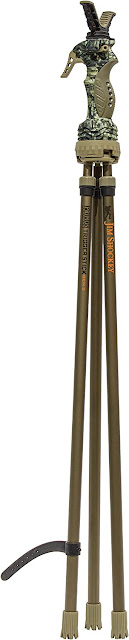
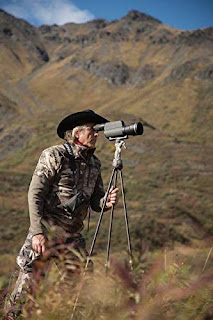
If you value your accuracy when shooting, The Primos 65815 Gen 3 Trigger Stick can help you maximize your results. This Gen 3 Trigger Stick is a tripod that helps you stay stable when looking through a scope or taking a shot. Besides, this best shooting tripod for hunting allows smooth movement while hunting in various terrain and positions.

Table of contents

Primos 65815 Gen 3 Trigger Stick Review

However, today we will review this Primos 65815 Gen 3 Trigger Stick. We hope this review will help you understand the features of this trigger stick tripod.

Height

The Trigger Stick is quickly and silently adjustable from 24″ to 62″. The adapter features a rotating non-slip joint that attaches to gunstocks, camera tripods, and window ledges.

Design

It comes with a strap that you can easily pull from the side. Lightweight and durable aluminum construction will ensure many years of dependable service. The Trigger Stick’s versatility makes it an invaluable addition for any hunt, whether in a blind or as a walking stick.

V Yoke

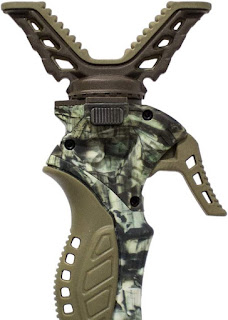
The Trigger Stick Gen 3 has a detachable V yoke (or a fork), and the yoke is equipped with a 360-degree rotating non-slip joint. It helps you manage recoil and aids in staying stable while shooting. The Trigger Stick allows you to easily switch between sitting and standing positions and is built to last.

Moreover, the quick disconnect yoke system allows you to quickly attach or remove your weapon from the Shooting Rest, allowing you to go from shooting to a secure carry in seconds.

Stability

The Primos Trigger Stick Gen 3 Series tripod has solid and sturdy construction to ensure years of reliable usage no matter what position you find while hunting or shooting! With the Primos Trigger Stick Gen 3, you have the stability and ease of use that you need quickly.

Usage

Whether you find yourself in shooting positions that are sitting, kneeling, standing, or anything in between, the Trigger Stick Gen3 works for you.

The Trigger Stick may be raised or lowered to your preferred height with a simple pull of the trigger. The new leg notch lock system makes changing leg positions easier than ever.

Final Verdict

The Primos Trigger Stick Gen 3 Series tripod is the perfect shooting stick for any outdoor activity. The trigger stick is a versatile rod that can go from short to tall in mere seconds. It has an adapter attached to a rotating non-slip joint, which allows you to adjust the tilt of your weapon while keeping it level.

The trigger stick can also be used as a trekking pole. Overall, this product is excellent for anyone looking for stability in the field and an easy way to adjust their shooting positions!

Rage Crossbow X 2-Blade Archery Arrow Broadheads

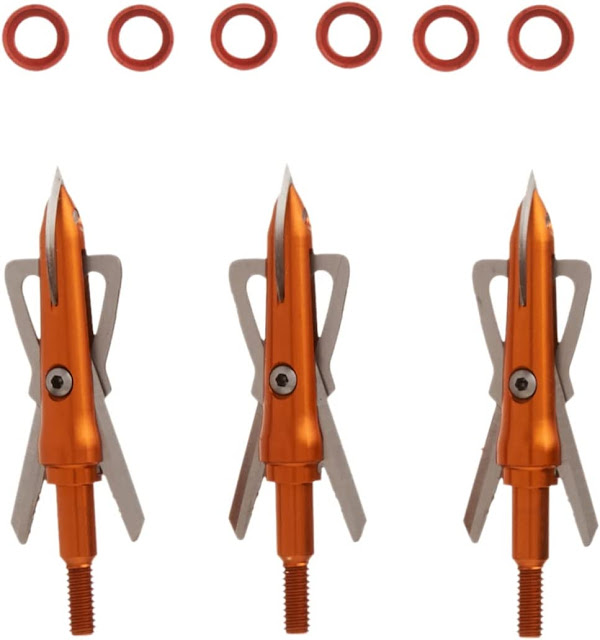
Rage Crossbow X 2-Blade Archery Arrow Broadhead: Rage broadheads are a premium broadheads brand subordinate by FeraDyne Outdoors. It is a leading company that plays a significant role in developing mechanical broadheads.

Especially, their 2-Blade Archery Arrowbroadheads are renowned for their pinpoint accuracy and epic winding channels.

So, if you are looking for an arrow broadhead with more aerodynamic bolt flight, you can go for RAGE 2-Blade Archery Arrow Broadhead. Therefore, to help you out,today we will review RAGE Crossbow X, 2-Blade Archery Arrow Broadhead.

Table of contents

Review of Rage Crossbow X 2-Blade Archery Arrow Broadhead

Look no further than the Rage if you are looking for a new broad head with incredible field point accuracy and devastating power. Check here for more details.

Design

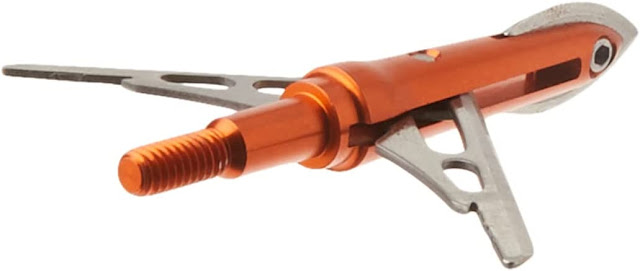
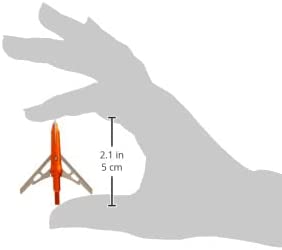
The new Rage two-blade broadheads feature a massive leading-edge blade and razor-sharp .035″ stainless steel expandable blades. These 125 Grain broadheads have a 2″ cutting diameter. Its 2″ + ultrasharp large cutting diameter with 0.035 “thick stainless steel blades, making them durable enough for the most challenging big game.

Technology

Professional archers believe Rage Broadheads to be the best accurate broadheads. The blade retention systems developed by Rage, including the Shock Collar and NC (No Collar) technologies, are fail-safe by design and firmly retain the blades in place whether not in use or during flight.

Moreover, its Ferrule Alignment Technology ensures that the ferrules fly straight. Again, it also features a Blade retention system with Shock Collar for consistent slip-cam blade deployment.

Performance

The Rage Crossbow X 2-Blade Archery Arrow Broadheads have a higher penetration rate and create enormous blood trails. Moreover, these broadheads are built exclusively for crossbows. It flies like a field tip, giving hunters an advantage over their prey.

The enormous leading edge increases the arrow’s momentum, resulting in a greater entry. It allows you to hunt larger games or use lower-poundage bows to conserve kinetic energy. Overall, these broadheads assure more aerodynamic bolt flight as well.

Can I use these with a compound set at 58lbs and a 400gr arrow?

No, the blades are for use with crossbows. The blades are not designed to be deployed while shooting with a compound set.

Do these broadheads come with extra shock collars? 

No. The heads in this package do not include extra collars.

Are these 2.3 100 grain broadheads?

These broadheads are not 2.3″ across the cutting edge. They are 2+ inches.

Final Verdict

However, hunting is combat between you and the wild. But it all builds to one moment when you’re ready to draw your bow and shoot an arrow that will land true. Afterward, your preparation helps boost your chances of taking down your target. 

In this situation, the Rage Broadheads can prove helpful to you. Their broad head in two-blade designs and 2+ inches cutting diameter provide gaping wound channels, huge entry holes, better blood trails, and exceptional penetration for X crossbows.

You May Also Like to Read :
🡆 Best Crossbow Broadheads for Deer and Turkey Hunting

How to Hunt Groundhogs Safely and Legally

To hunt groundhogs well, start with permission, current local regulations, and a safe shooting plan before you ever think about gear. Groundhog hunting is usually a field-edge and pasture hunt: you find active burrows, watch feeding windows, use the wind and cover, and take only shots with a clear backstop.

This guide is written for hunters who want a practical, legal, and ethical approach. Rules can change by state, county, land type, and season, so treat the field method below as hunting strategy and confirm the legal details with your state wildlife agency before you go.

Table of Contents
  1. Quick Answer
  2. Check the Rules First
  3. Where to Find Groundhogs
  4. How to Read Groundhog Sign
  5. Groundhog Hunting Gear Checklist
  6. How to Set Up Safely
  7. Common Groundhog Hunting Methods
  8. Mistakes to Avoid
  9. Frequently Asked Questions
  10. Final Recommendation

Quick Answer

The best way to hunt a groundhog is to scout active burrows, set up downwind with a clear view of feeding areas, wait during cooler parts of the day, and only take a shot when the groundhog is fully visible with a safe backstop behind it. The most important parts are landowner permission, regulation checks, and safe shot angles.

Groundhog and woodchuck rules are not identical everywhere. Some states treat them as furbearers, some list them with small game, and some allow landowners more flexibility for damage control. Before hunting, check seasons, license requirements, allowed methods, public-land rules, and local firearm restrictions.

A good starting habit is to read your state wildlife agency page every season. For example, Pennsylvania publishes current hunting seasons and limits through the Pennsylvania Game Commission seasons and bag limits. Use that kind of official source for the state where you will actually hunt.
Safety rules are not optional. Review the NSSF firearm safety rules, know what is beyond the target, and avoid shots toward roads, houses, livestock, equipment, or any skyline where the bullet path is unknown.

Where to Find Groundhogs

Groundhogs prefer areas where food, burrow sites, and visibility overlap. Productive spots often include hay fields, pasture edges, orchards, garden edges, brushy fencerows, old barns, pond banks, and raised ground near crop fields. They like to feed where they can quickly return to a burrow if alarmed.

Wildlife agencies and extension resources often describe woodchucks as burrowing animals that can cause property or crop issues. The Massachusetts woodchuck profile and the Missouri Department of Conservation woodchuck page are useful background references for behavior and habitat.

How to Read Groundhog Sign

Look for fresh dirt around a burrow entrance, clipped vegetation, worn trails, tracks in soft soil, and droppings near feeding areas. An active den often has a clean entrance and fresh disturbance. An old or inactive hole may look washed in, covered with leaves, or surrounded by tall undisturbed grass.

Scout From a Distance

Do not walk directly to every hole right before hunting. Use binoculars from a distance and mark likely burrows on a map or phone. Groundhogs can be alert around their den sites, and too much foot traffic can make them stay underground longer.

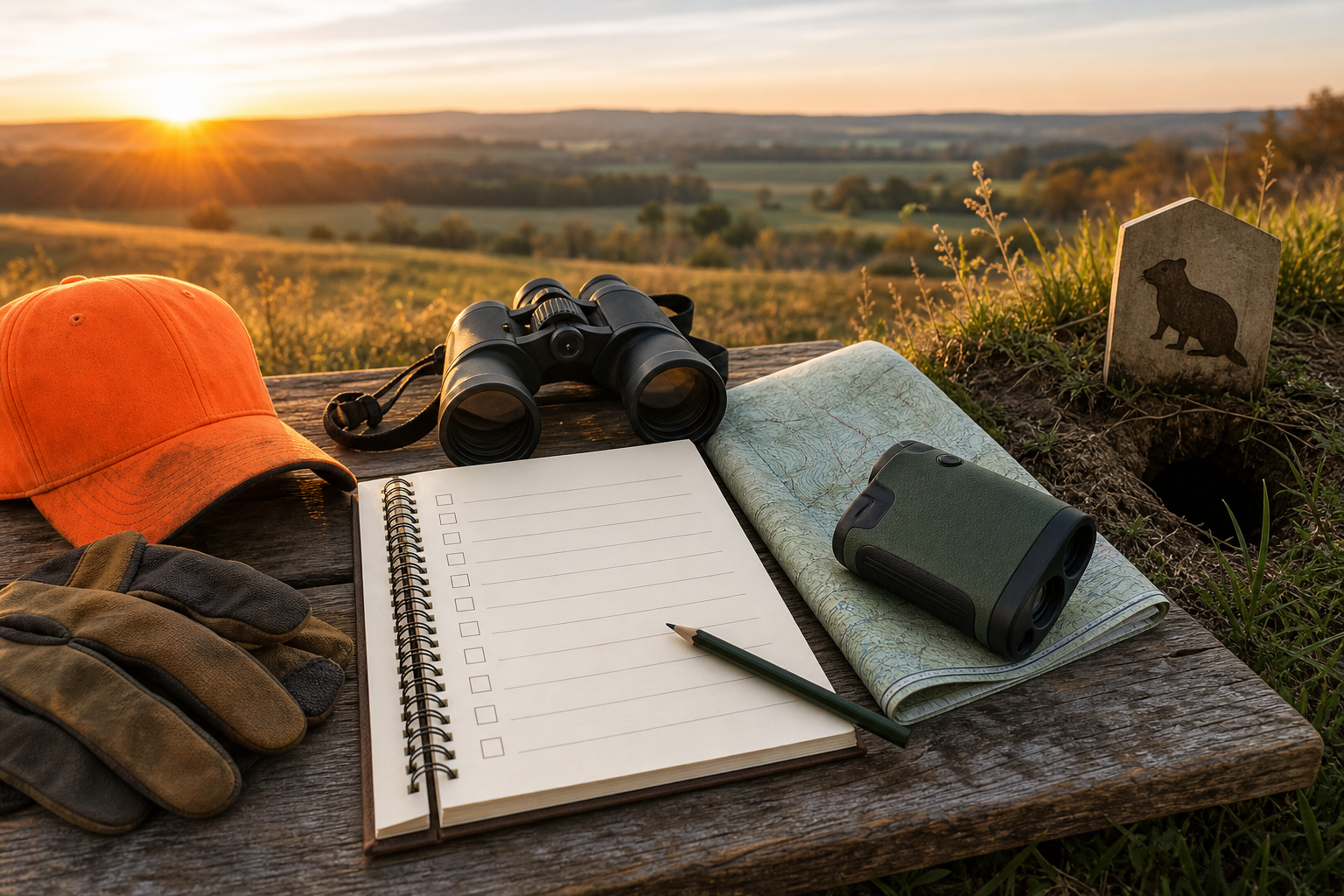
Use a simple field checklist before the hunt: permission, rules, wind, burrows, safe backstop, and exit path.

Groundhog Hunting Gear Checklist

You do not need a complicated setup to hunt groundhogs, but you do need gear that supports observation, safe shooting, and legal compliance. Keep the kit simple and avoid carrying more than you can use quietly.

  • Valid license, written permission if needed, and current regulation notes.
  • Binoculars for watching burrows without walking into the area.
  • Rangefinder or confirmed distance markers where legal and appropriate.
  • Stable rest such as a bipod, shooting sticks, or pack support.
  • Hearing and eye protection when firearms are used.
  • Orange or high-visibility clothing where required or smart for the property.
  • Water, sun protection, insect control, and a small first-aid kit.
  • Notebook or phone note for burrow locations, wind, and safe shooting lanes.

How to Set Up Safely

A safe setup starts behind the trigger. Pick a position where the field of fire ends in a reliable backstop such as a dirt bank or downward angle into the ground. Avoid low-angle shots across flat fields unless you can clearly account for the entire path beyond the target.

Use Wind and Cover

Groundhogs rely heavily on alert behavior near their burrows. Set up with the wind in your favor, avoid unnecessary movement, and use shade, fence lines, hay bales, or terrain to break up your outline. If the animal ducks into the burrow, wait quietly instead of rushing the spot.

Confirm the Target

Do not shoot at movement, partial shapes, or sound. Confirm the groundhog clearly, confirm that hunting it is legal at that time and location, and confirm the backstop. If any part of that chain is uncertain, pass the shot.

Common Groundhog Hunting Methods

Still-Hunting Field Edges

Move slowly along field edges and pause often to glass. This works best when you already know where burrows are located. Keep your route quiet, stay out of the open when possible, and avoid cresting hills where your outline appears against the sky.

Watching Active Burrows

The simplest method is to sit where you can watch one or more active burrows and feeding strips. Cooler morning and evening periods can be productive, but weather, pressure, and local food sources matter. Patience usually beats constant walking.

Working With Landowners

Many groundhog opportunities come from farms, gardens, hay fields, and private land. Be clear about where you may park, where you may shoot, what buildings or livestock must be avoided, and whether the landowner wants you to report burrow locations or damage areas after the hunt.

Mistakes to Avoid

  • Assuming one state’s groundhog rules apply everywhere.
  • Shooting without a clear backstop.
  • Walking directly over active burrows before setting up.
  • Using a field position that points toward roads, houses, barns, or livestock.
  • Ignoring wind and movement around the den site.
  • Failing to communicate boundaries with the landowner.

Frequently Asked Questions

Is groundhog hunting legal?

It depends on your state, land type, season, license status, and local rules. Always check your current state wildlife agency regulations before hunting groundhogs or woodchucks.

What time of day is best for groundhog hunting?

Groundhogs are often easier to spot when they are feeding outside the burrow, commonly during cooler parts of the day. Local weather and pressure matter, so scout your specific property rather than relying on one fixed time.

Where should I set up for groundhogs?

Set up where you can see active burrows and feeding areas while keeping a safe backstop behind any possible shot. Downwind, shaded, and slightly elevated positions can help if they are safe and legal.

Can beginners hunt groundhogs?

Beginners can hunt groundhogs if they are licensed, supervised where required, trained in firearm or bow safety, and disciplined about backstops and legal rules. A mentor or hunter education course is strongly recommended.

Final Recommendation

The best groundhog hunt is planned before the first shot opportunity appears. Confirm permission and regulations, scout burrows from a distance, choose a safe backstop, and keep the setup simple. If the shot angle, rule, or target is not clear, wait. Good groundhog hunting rewards patience and field discipline more than rushing.

Exit mobile version