


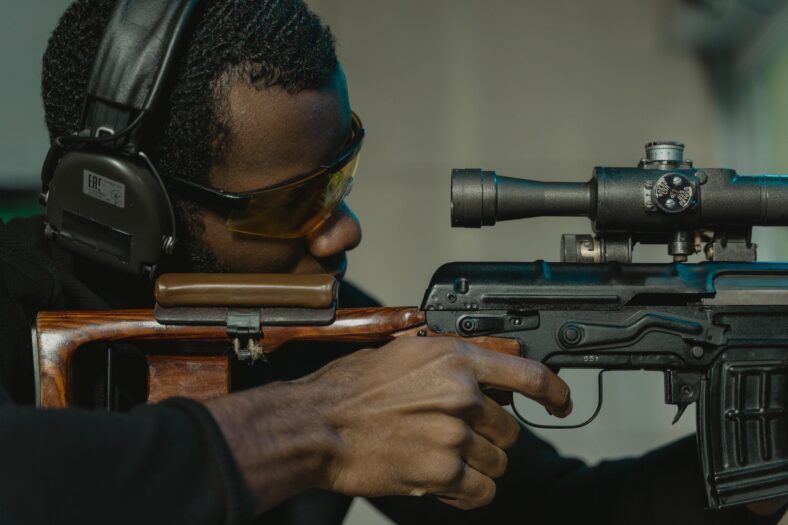
Before a range session, eye and ear protection should be checked before ammunition, targets, tools, or accessories. Good protective gear is not decoration; it is part of the basic safety setup for every shooter, observer, coach, and range guest.
This page is a quick range-day checklist. For the fuller explanation of why protection matters, see our main guide: why eye and ear protection matters when shooting.
Table of Contents
Quick PPE Checklist Before Shooting
| Check | What to confirm | Why it matters |
|---|---|---|
| Eye protection | Safety glasses are impact-rated, clean, and fit securely. | Helps protect against fragments, gas, dust, debris, and case-related incidents. |
| Ear protection | Earplugs, earmuffs, or both are worn correctly before firing begins. | Gunfire can expose shooters to hazardous impulse noise. |
| Fit | Glasses do not slide; ear muffs seal around glasses and hair as well as possible. | Poor fit can reduce protection. |
| Guests | Observers, new shooters, and helpers have PPE before entering the firing area. | Safety applies to everyone near the firing line. |
| Spare gear | Backup foam plugs or spare glasses are in the range bag. | Forgotten or damaged PPE should not end the safety plan. |
Eye Protection Checks
Use shooting glasses or safety glasses that fit securely and are appropriate for range use. Before the session starts, check that lenses are clean, not badly scratched, and not loose in the frame. If you wear prescription glasses, ask the range or eye-care provider what protective option is appropriate instead of assuming ordinary eyewear is enough.
Eye protection matters because shooting can involve ejected cases, gas, target debris, dust, cleaning residue, and other small hazards. The NSSF eye and ear protection guidance gives a clear baseline: wear protection every time you shoot.
Ear Protection Checks
Choose ear protection before the first shot, not after the range gets loud. Foam plugs must be inserted correctly to work as intended. Earmuffs need a seal around the ear, and that seal can be affected by glasses, hats, hair, and poor adjustment.
Indoor ranges and high-volume sessions can be especially loud. The CDC/NIOSH indoor firing range guidance discusses noise and exposure concerns in range environments. For many shooters, doubling up with plugs plus muffs is worth considering when the range is loud or enclosed.
Fit And Comfort Matter
Protection that is uncomfortable or loose is less likely to stay in place. Check fit before the session starts. Glasses should sit securely when you mount a firearm or change position. Earmuffs should not lift away from the head when you put on a hat or cheek the stock.
If the shooter is a child, new shooter, or guest, do not assume adult-size gear fits. Give them time to adjust PPE before any live fire begins, and stop the session if protection shifts or becomes uncomfortable.
What To Pack In Your Range Bag
- Primary shooting glasses or safety glasses.
- Backup clear glasses for low-light indoor lanes.
- Primary earmuffs or electronic muffs.
- Foam earplugs for backup or double protection.
- Lens cloth or safe lens cleaner.
- A small case or pouch so PPE does not get crushed.
- Extra PPE for a guest or new shooter.
Common Mistakes To Avoid
- Putting on ear protection only after the first shot.
- Wearing scratched lenses that make it harder to see clearly.
- Using muffs that do not seal because of hat, hair, or glasses interference.
- Forgetting PPE for observers or guests.
- Assuming outdoor shooting is quiet enough to skip hearing protection.
- Leaving backup plugs or spare glasses at home.
Frequently Asked Questions
Do I need both eye and ear protection when shooting?
Yes. Eye protection and ear protection solve different safety problems. Glasses help protect your eyes from physical hazards, while ear protection helps reduce hazardous noise exposure.
Should I double up with earplugs and earmuffs?
Double protection can be useful at indoor ranges, busy firing lines, or with louder firearms. It also gives a backup layer if one form of hearing protection is not sealing perfectly.
Can regular glasses replace shooting glasses?
Do not assume ordinary prescription or fashion glasses provide the same protection as safety-rated eyewear. If you need prescription correction, look for a safety-rated option or ask an eye-care professional what is appropriate for range use.
Should observers wear protection too?
Yes. Anyone near the firing line or range area should follow the range’s PPE rules. New shooters and guests should have eye and ear protection before entering the active shooting area.
Final Range-Day Reminder
Make eye and ear protection part of the first check every time you shoot. Put it on before the line goes hot, keep spare gear in your bag, and pause the session if a guest, child, or shooter loses their fit or comfort. The best safety habit is the one you repeat before every shot, not the one you remember after the range gets loud.