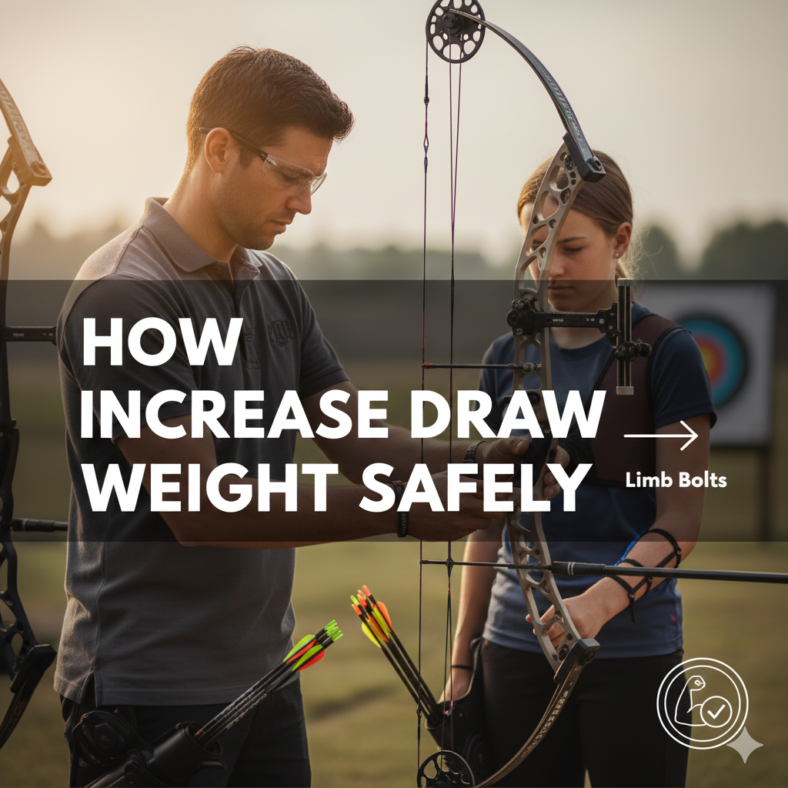
How to Increase Draw Weight Safely

To increase your bow’s draw weight safely, make small, gradual changes inside the limits set by your bow’s manufacturer manual, build strength over time, and ask a pro shop or qualified coach to check anything you are unsure about. More draw weight is not automatically better. The right weight is the one you can draw, hold, aim, and release with controlled form.

This guide explains a cautious approach for compound and recurve bows. It does not replace your exact bow manual, a certified coach, or a qualified bow technician. Stop and reassess if you feel pain, lose control, or cannot repeat your shot sequence cleanly.

Table of Contents
  1. Why a Safe, Gradual Approach Matters
  2. Know Your Bow’s Limits First
  3. How Draw Weight Adjusts on Different Bows
  4. A Gradual Strength-Building Approach
  5. When to Stop or Get Help
  6. When to See a Pro Shop or Coach
  7. Related Archery Setup Guides
  8. Frequently Asked Questions

Why a Safe, Gradual Approach Matters

Increasing draw weight too quickly can create bad form, fatigue, and discomfort. Many archers call this overbowing: using more weight than you can draw and hold smoothly. When the weight is too high, the archer often raises the bow awkwardly, collapses at full draw, rushes the shot, or loses back tension.

Draw weight also affects equipment setup. Changing it can influence arrow spine match, tuning, and sight marks. That is why the safest path is gradual: change little, shoot enough to judge control, then recheck the setup before going higher.

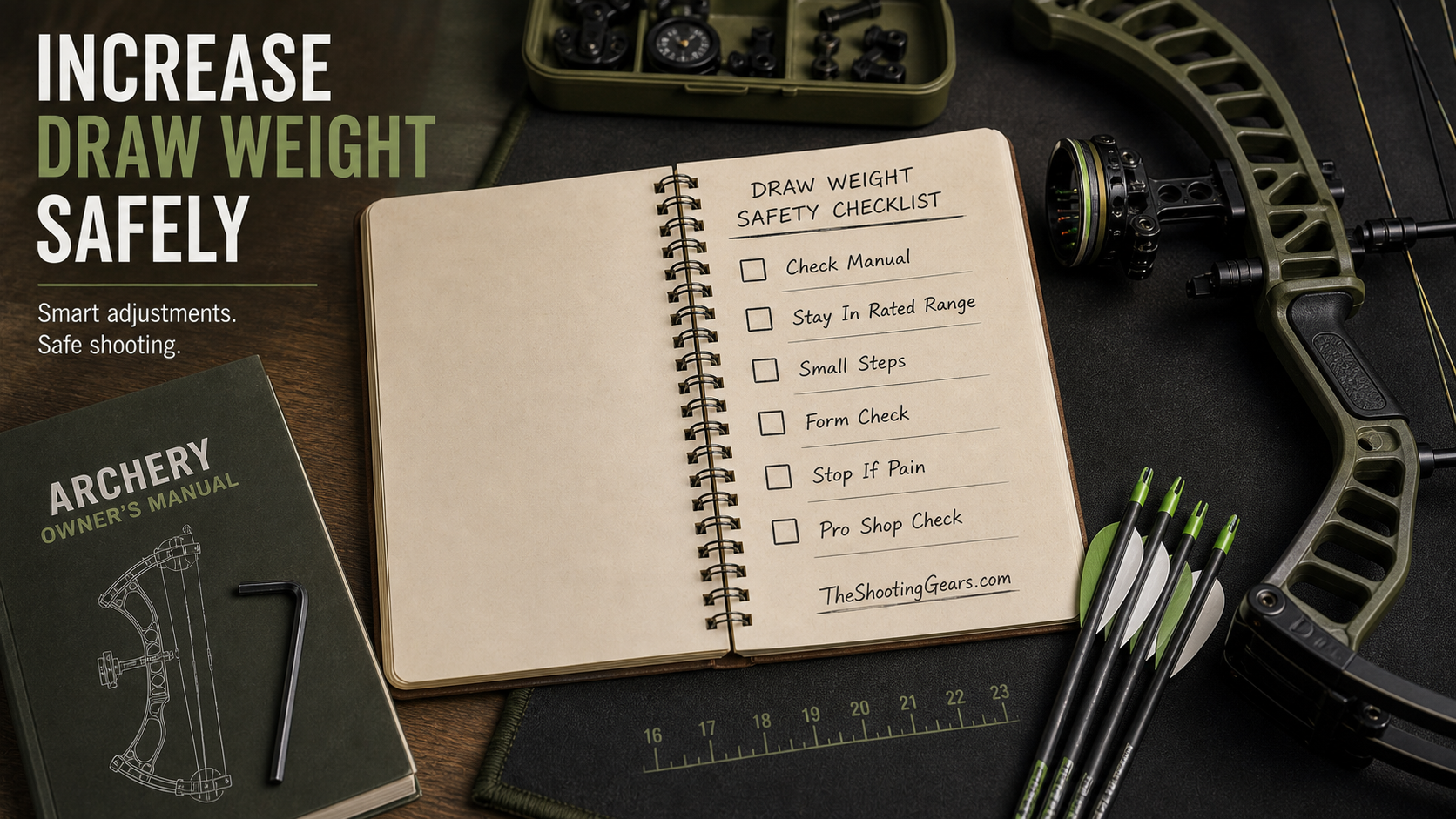
Increase draw weight only inside the rated range, in small steps, with form and safety checks at every stage.

Know Your Bow’s Limits First

Every bow has a manufacturer-defined safe range. Your manual tells you the rated draw-weight range and the correct adjustment method for that exact model. Do not exceed those limits, do not improvise with tools, and do not follow a generic turn count from a different bow.

Before changing weightWhy it matters
Read the exact model manualLimits and methods vary by bow
Confirm current draw weightYou need a starting point before changing anything
Check arrow spineDraw-weight changes can affect arrow match
Inspect string, cables, limbs, and hardwareDo not adjust a damaged or questionable bow
Ask a pro shop if unsureGuessing around limb bolts or limbs is not worth the risk

For archery safety and participation context, organizations such as USA Archery and World Archery are useful references. For your actual bow, however, the manual and a qualified technician remain the authority.

How Draw Weight Adjusts on Different Bows

Compound Bows

Many compound bows adjust within a limited range through the limb bolts. The available range is not unlimited, and the safe number of turns depends on the exact model. Changing limb-bolt tension can also affect tune, timing, sight marks, and arrow match. If you are not completely sure, have a pro shop make or verify the change.

Recurve Bows

Recurve archers usually increase draw weight by changing limbs, especially on takedown recurves. That makes the step clearer: choose compatible limbs in a manageable weight jump, confirm the fit with the manufacturer or shop, and give your form time to adapt.

Work That May Require a Bow Press

This article does not give bow-press or disassembly instructions. If the change touches cams, string, cables, modules, or anything that requires special tools, take the bow to a pro shop. The goal is controlled progress, not risky mechanical work.

A Gradual Strength-Building Approach

Adding draw weight is partly an equipment change and partly a strength and form change. Make one small adjustment at a time, shoot at that setting for several sessions, and watch what happens to your draw cycle, anchor, hold, and release. If the shot sequence gets worse, the new weight is not helping yet.

Keep a simple log while you progress. Write down the date, the draw weight setting, arrow setup, how many arrows you shot, and whether your form stayed controlled. A short note helps you spot patterns before they become habits, and it gives a coach or technician better information if you need help.

Keep Form First

Good form should survive the increase. You should be able to draw without sky-drawing, settle into anchor, hold steady, and let down safely if needed. If you cannot let down under control, the weight is too much for that moment.

Recheck Arrows and Sight Marks

Draw-weight changes can change arrow behavior. If you increase weight, review your arrow spine and point setup. Our arrow spine guide explains why spine depends on the full setup, not one number.

When to Stop or Get Help

Stop a session and reassess if you feel shoulder, elbow, wrist, or back pain; if you shake heavily at full draw; if you cannot reach anchor smoothly; or if the bow makes a new noise. These are general safety cautions, not medical advice. For ongoing pain or suspected injury, talk with a qualified medical professional.

Do not push through pain to reach a number. A lighter draw weight with clean form is more useful than a heavier draw weight you cannot control. If you are working with a young archer, fit and comfort matter even more; do not rush strength development.

Also remember that hunting rules, target rules, and personal goals can differ. Choose the lowest draw weight that meets your real use case while keeping safe, repeatable control.

When to See a Pro Shop or Coach

  • You are unsure of the bow’s safe adjustment range.
  • The adjustment requires a bow press or tools not described in the manual.
  • Your form breaks down after the weight change.
  • Arrow flight changes and you are not sure whether spine or tuning is the issue.
  • The bow was damaged, dry fired, or hit hard.

A coach can help with form and strength progression. A pro shop can check the mechanical setup. Both are useful when you are increasing weight because they catch problems a generic article cannot see.

Draw weight connects directly to setup and safety. Read our bow tuning for beginners guide before changing hardware, review archery safety rules, and check how to choose arrow spine after any meaningful weight change.

Frequently Asked Questions

How much draw weight should I add at a time?

Add weight in small steps within your bow’s rated range, then shoot at the new setting long enough to judge control. Avoid universal turn counts or fixed pound jumps unless they come from your exact manual or a qualified technician.

What is overbowing?

Overbowing means using more draw weight than you can control with good form. It can cause shaky drawing, rushed shots, poor anchor, fatigue, and discomfort.

Can I adjust my compound bow draw weight myself?

Some compound bows allow limited limb-bolt adjustment, but only within the manufacturer’s stated range. If you are unsure, or if the work affects tuning or requires special tools, use a pro shop.

Should I stop if my shoulder hurts when I draw?

Yes. Stop, lower the weight or workload, and reassess. For ongoing pain or possible injury, consult a qualified medical professional.

How do recurve archers increase draw weight?

Most recurve archers increase draw weight by switching to heavier compatible limbs. Step up gradually and confirm limb compatibility with the riser, manufacturer, or a pro shop.

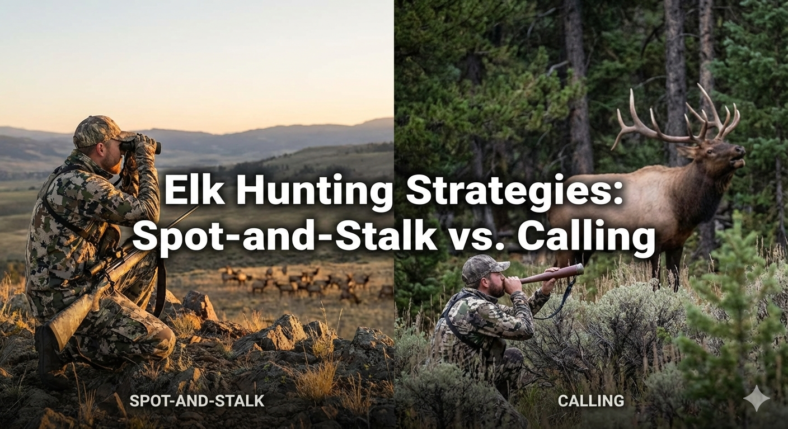
Elk Hunting Strategies: Spot-and-Stalk vs. Calling

Elk hunting is a chess match played across mountains, timber, and wide-open basins. Success rarely comes from luck alone it’s earned through understanding elk behavior, terrain, weather, and choosing the right strategy at the right moment. Among all techniques, spot-and-stalk and calling stand out as the two most effective and most debated approaches. Each has strengths, limitations, and ideal use cases. Mastering elk hunting means knowing when to use one, when to switch, and how to blend both into a flexible plan.

This in-depth guide breaks down both strategies, explores when they shine, and shows how experienced hunters adapt them throughout the season.

Understanding Elk Behavior First

Before choosing a strategy, it’s critical to understand how elk behave across seasons and pressure levels.

Elk are highly social, vocal animals, especially during the rut. Bulls communicate dominance, location, and breeding readiness through bugles, while cows use mews and chirps to maintain group cohesion. Outside the rut, elk rely more on security, terrain, and wind than vocalization. They are prey animals with exceptional senses particularly smell making wind discipline non-negotiable in any strategy.

Your hunting approach should always start with these three questions:

  1. Are elk talking?
  2. Can I see elk consistently?
  3. What is the pressure level in this area?

The answers determine whether spot-and-stalk or calling gives you the higher odds.

Spot-and-Stalk Elk Hunting Explained

Spot-and-stalk is a visual, terrain-driven strategy. It involves locating elk from a distance, planning a route using cover and wind, and closing the gap for a shot.

This method is most effective in open or semi-open terrain such as alpine basins, high desert, burned timber, or broken sage flats.

How Spot-and-Stalk Works in Practice

The process begins with glassing. Hunters spend long hours behind binoculars or spotting scopes, scanning feeding areas, benches, timber edges, and travel corridors. Once elk are located, the hunter studies:

  • Wind direction and thermals
  • Travel routes and escape cover
  • Feeding and bedding patterns

The stalk itself is deliberate and slow, often taking hours. Every step is planned to avoid skyline exposure, noise, and scent detection.

Strengths of Spot-and-Stalk

Spot-and-stalk gives hunters control and predictability. You know where the elk are and can plan accordingly. This approach is especially effective:

  • Early season when elk are less vocal
  • During midday when elk are bedded
  • In heavily pressured units where calling educates elk

It also reduces reliance on elk responding to vocalizations, which can fail if bulls are call-shy.

Limitations of Spot-and-Stalk

The biggest challenge is terrain. Thick timber, rolling hills, or dense vegetation can make spotting impossible. Wind and thermals can shift unexpectedly, and a single mistake can end a stalk instantly.

Physical demands are also high. Long hikes, steep climbs, and extended crawls are common, making this strategy best suited for hunters in strong condition.

Calling Elk: The Vocal Chess Match

Calling is the most iconic elk hunting strategy. It relies on mimicking elk vocalizations to provoke a response either drawing elk in or causing them to reveal their location.

Calling is most effective during the rut, when bulls are actively searching for cows and defending harems.

Types of Elk Calls and Their Purpose

Bugles communicate dominance, challenge, and location. They can provoke aggressive responses from herd bulls or curious satellite bulls.

Cow calls, including mews and estrus chirps, create realism and reassurance. They’re often used to pull bulls those last few yards or calm a nervous animal.

Successful calling is not about volume it’s about timing, realism, and restraint.

Strengths of Calling

Calling allows hunters to:

  • Hunt in thick timber where visibility is limited
  • Make elk come to them instead of covering miles
  • Hunt aggressively during peak rut activity

When executed correctly, calling can lead to close-range encounters that are impossible with spot-and-stalk.

Limitations of Calling

Calling is high-risk, high-reward. Overcalling educates elk quickly, especially in heavily hunted areas. Many mature bulls have survived multiple seasons and associate aggressive bugles with danger.

Calling also requires excellent wind awareness. A responding bull often tries to circle downwind, and failure to anticipate this movement can cost the opportunity.

Spot-and-Stalk vs. Calling: Key Differences

The real difference between these strategies is who controls the encounter.

Spot-and-stalk puts control in the hunter’s hands through observation and planning. Calling shifts control to the elk, relying on their response and behavior.

Spot-and-stalk excels when elk are visible and quiet. Calling shines when elk are vocal and hidden.

Experienced hunters rarely commit exclusively to one approach they let elk behavior dictate the strategy.

Seasonal Strategy Breakdown

Early Season (Pre-Rut)

Elk are patternable and less vocal. Spot-and-stalk dominates during this period, especially in open feeding areas during mornings and evenings. Calling should be minimal and subtle, used only to stop a moving elk or coax a bull into view.

Peak Rut

This is calling season. Bulls are aggressive, vocal, and territorial. Calling setups near bedding areas, travel corridors, and wallows can be deadly effective. Spot-and-stalk still plays a role when bulls hang up or move cows into open basins.

Post-Rut and Late Season

Elk become quiet and cautious. Herds consolidate, and vocalizations drop off sharply. Spot-and-stalk regains the advantage, especially when glassing winter range or south-facing slopes.

Hybrid Strategy: The Pro-Level Approach

The most successful elk hunters blend both techniques seamlessly.

A common hybrid approach involves:

  1. Glassing to locate elk
  2. Stalking into a strategic calling distance
  3. Using soft cow calls or light bugles to trigger movement

This method reduces blind calling while still exploiting elk vocal behavior. It also allows hunters to adapt instantly if elk go silent or shift position.

Wind, Thermals, and Positioning

Regardless of strategy, wind is king.

Spot-and-stalk hunters must plan routes that keep scent below or away from elk. Calling hunters must anticipate downwind circling and set up shooters accordingly.

Morning thermals rise, evening thermals fall. Understanding these daily shifts often matters more than perfect calling sequences or flawless stalking technique.

Gear Considerations for Each Strategy

Spot-and-stalk demands high-quality optics, lightweight footwear, and clothing that allows silent movement. Ranging equipment and trekking poles can also be critical in steep terrain.

Calling requires effective diaphragms or external calls, wind-checkers, and often a partner to act as a shooter or caller for better positioning.

In both cases, minimal noise and scent control remain essential.

Choosing the Right Strategy for You

Your ideal approach depends on terrain, season, hunting pressure, and personal strengths. If you excel at glassing and endurance, spot-and-stalk may suit you best. If you understand elk vocalization and can read animal behavior, calling can be incredibly effective.

The best elk hunters aren’t loyal to a single strategy they’re loyal to results.

Final Thoughts

Elk hunting is dynamic, demanding, and deeply rewarding. Spot-and-stalk and calling are not opposing philosophies but complementary tools. Mastering both and knowing when to switch separates consistent elk killers from hopeful callers and endless stalkers.

Let the elk tell you how to hunt them. Listen when they speak. Watch when they don’t. Adapt constantly, respect the wind, and the mountains will eventually reward your patience.

Gun Ownership by State: Understanding the Laws and Regulations Across the United States

Table of Contents

Introduction

Gun ownership laws and regulations in the United States vary from state to state, reflecting the diverse attitudes and perspectives on firearms across the nation. Whether you’re considering owning a firearm for self-defense, recreational shooting, or other purposes, understanding the specific laws in your state is essential. In this comprehensive guide, we will explore the different categories of gun ownership laws by state, highlighting examples from each category and shedding light on additional considerations. So, let’s navigate the complex landscape of gun ownership laws in the United States.

2. Permissive States: Easy Access to Firearms

In permissive states, the laws and regulations surrounding gun ownership are generally more relaxed, making it easier for individuals to obtain firearms. Here are some examples:

2.1 Alaska

Alaska is known for its permissive gun laws, with a strong emphasis on the right to bear arms. In Alaska, residents enjoy the freedom to purchase and possess firearms without the need for a permit or license. Background checks are not required for private sales, and there are no restrictions on magazine capacity or certain types of firearms.

2.2 Arizona

Arizona is another state with permissive gun laws, embracing the rights of gun owners. In Arizona, residents can purchase firearms without a permit or license. Background checks are conducted for sales from licensed dealers, but private sales do not require a background check. Arizona also allows open carry without a permit for individuals aged 18 and older.

2.3 Wyoming

Wyoming is often recognized as a state with a favorable environment for gun owners. In Wyoming, residents have the freedom to purchase, possess, and openly carry firearms without a permit. The state does not require background checks for private sales, and there are no restrictions on magazine capacity or assault weapons.

2.4 Texas

Texas has a strong gun culture and permissive gun laws. In Texas, residents aged 18 and older can purchase and possess firearms without a permit. Texas allows open carry of long guns without a permit and concealed carry with a permit. Background checks are required for purchases from licensed dealers, but private sales do not require a background check.

3. May-Issue States: Meeting Specific Requirements

In may-issue states, authorities have the discretion to grant or deny permits for gun ownership based on specific requirements. Here are some examples:

3.1 California

California is known for having stricter gun control laws compared to other states. In California, individuals must obtain a Firearm Safety Certificate (FSC) and undergo a background check to purchase firearms. The state operates on a may-issue basis for concealed carry permits, requiring applicants to demonstrate a justifiable need, such as showing a specific threat or working in certain professions.

3.2 New York

New York also operates on a may-issue basis for concealed carry permits. Applicants must demonstrate a proper cause or a justifiable need to carry a concealed firearm. The decision is left to the discretion of local authorities, and requirements can vary across different counties.

3.3 Maryland

Maryland requires individuals to obtain a Handgun Qualification License (HQL) before purchasing a handgun. Applicants must complete a background check, fingerprinting, and training courses to qualify for the HQL. Maryland operates on a may-issue basis for wear and carry permits, which require applicants to demonstrate a good and substantial reason to carry a concealed firearm.

4. Shall-Issue States: Meeting Criteria for Permits

Shall-issue states have laws that require authorities to issue permits if the applicants meet specific criteria. Here are some examples:

4.1 Florida

Florida is a shall-issue state, where individuals can obtain a concealed carry permit if they meet the eligibility requirements. Applicants must complete a background check, undergo fingerprinting, and complete a firearms training course approved by the state.

4.2 Georgia

Georgia is also a shall-issue state for concealed carry permits. Applicants must meet the eligibility requirements, which include being at least 21 years old, completing a background check, and providing proof of firearms training.

4.3 Pennsylvania

Pennsylvania operates as a shall-issue state, where residents can obtain a concealed carry permit if they meet the specified criteria. Applicants must be at least 21 years old, complete a background check, and complete a certified firearms training course.

5. Unrestricted States: No Specific Regulations

Unrestricted states have no specific laws or regulations regarding gun ownership. Here are some examples:

5.1 Vermont

Vermont is often cited as an unrestricted state, as it has no specific laws or permits required for gun ownership or concealed carry. Vermont residents aged 16 and older can legally possess and carry firearms without a license or permit.

5.2 Alaska (Residents Only)

In addition to being permissive, Alaska is considered an unrestricted state for its residents. Alaska residents aged 21 and older can possess and carry firearms without a permit or license.

5.3 Arizona (Residents Only)

Similar to Alaska, Arizona is an unrestricted state for its residents. Arizona residents aged 21 and older can possess and carry firearms without a permit or license.

6. Restricted States: Stricter Gun Control Laws

Restricted states have more stringent gun control laws and regulations. Here are some examples:

6.1 California

California has some of the strictest gun control laws in the country. The state requires background checks for all firearm sales, including private transactions. It has restrictions on assault weapons, high-capacity magazines, and requires a “good cause” to obtain a concealed carry permit.

6.2 New York

New York has implemented various gun control measures, including background checks for all firearm sales and a ban on certain assault weapons. The state requires a pistol permit for handguns, and obtaining a concealed carry permit can be challenging, with stringent requirements varying by county.

6.3 New Jersey

New Jersey has strict regulations on firearm ownership. The state requires permits to purchase handguns, which involve background checks and fingerprinting. New Jersey also has restrictions on assault weapons and high-capacity magazines, and obtaining a concealed carry permit can be difficult.

6.4 Massachusetts

Massachusetts has some of the toughest gun laws in the United States. The state requires a Firearms Identification (FID) Card or License to Carry (LTC) to possess firearms, including long guns and handguns. Massachusetts has restrictions on assault weapons, high-capacity magazines, and imposes stringent licensing requirements.

7. Additional Considerations: Local Laws and Regulations

In addition to state laws, it’s crucial to consider local laws and regulations regarding gun ownership. Cities, counties, and other local jurisdictions may have their own restrictions, permits, or additional requirements. It’s important to be aware of and comply with these local laws to ensure legal and responsible gun ownership.

8. Conclusion

Gun ownership laws and regulations in the United States vary significantly from state to state. It’s crucial for individuals to understand and abide by the laws in their specific state and locality. Whether you reside in a permissive state with easy access to firearms, a may-issue state with specific requirements, or a restricted state with stricter regulations, it’s important to stay informed and comply with the applicable laws.

Always consult official government sources or legal professionals to ensure you have the most accurate and up-to-date information regarding gun ownership laws in your state and locality.

FAQs (Frequently Asked Questions)

Q1: Can gun ownership laws change in a state over time?

A1: Yes, gun ownership laws can change in states over time. It’s important to stay updated with any new legislation or amendments that may impact gun ownership regulations.

Q2: Can I transport firearms across state lines?

A2: Transporting firearms across state lines requires compliance with federal and state laws. It’s essential to familiarize yourself with the specific regulations of the states you are traveling to and through.

Q3: Are there federal laws that govern gun ownership in the United States?

A3: Yes, federal laws, such as the Gun Control Act of 1968 and the National Firearms Act, establish certain regulations on firearms, including background checks, firearms sales, and restrictions on specific firearms.

Q4: Can I legally own a firearm if I have a criminal record?

A4: Federal and state laws generally prohibit individuals with certain criminal records from owning firearms. It’s essential to understand the laws in your jurisdiction and consult legal professionals for guidance if you have a criminal record.

Q5: Can non-U.S. citizens legally own firearms in the United States?

A5: Non-U.S. citizens have restrictions on firearm ownership in the United States. The specific regulations vary based on immigration status and other factors. It’s important to consult legal professionals or government sources for accurate information on firearm ownership for non-U.S. citizens.

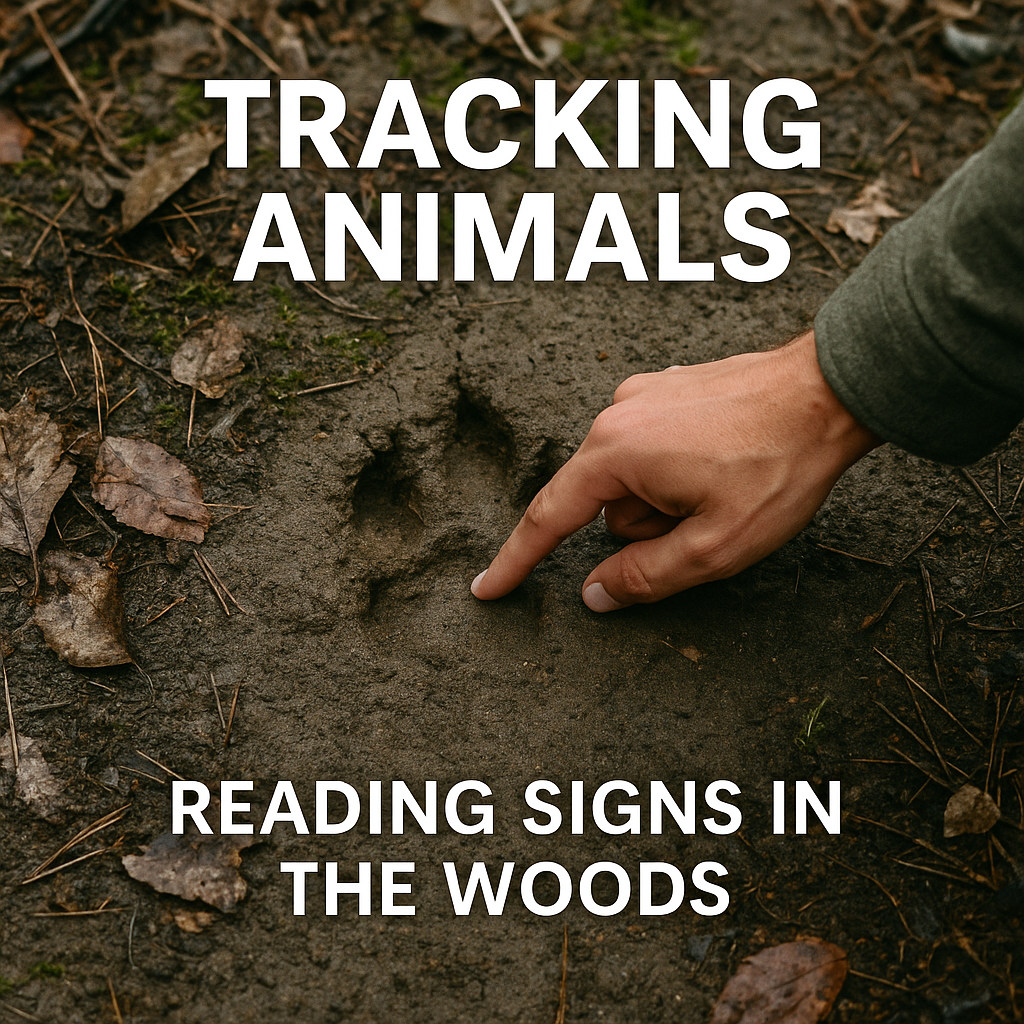
Tracking Animals: Reading Signs for Hunting Success

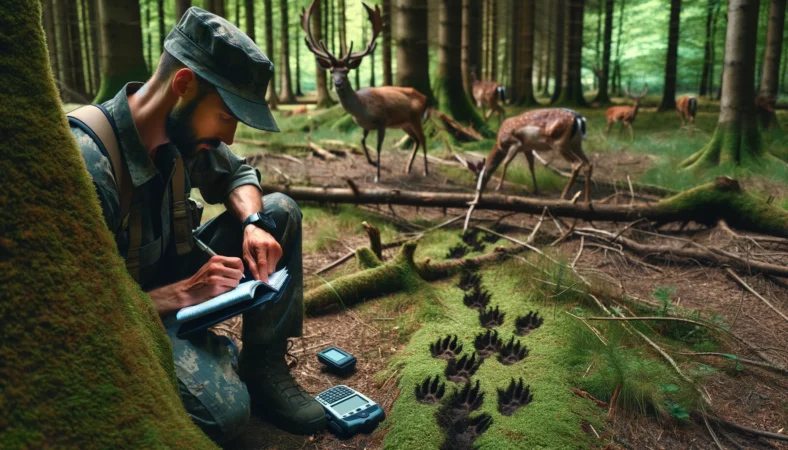
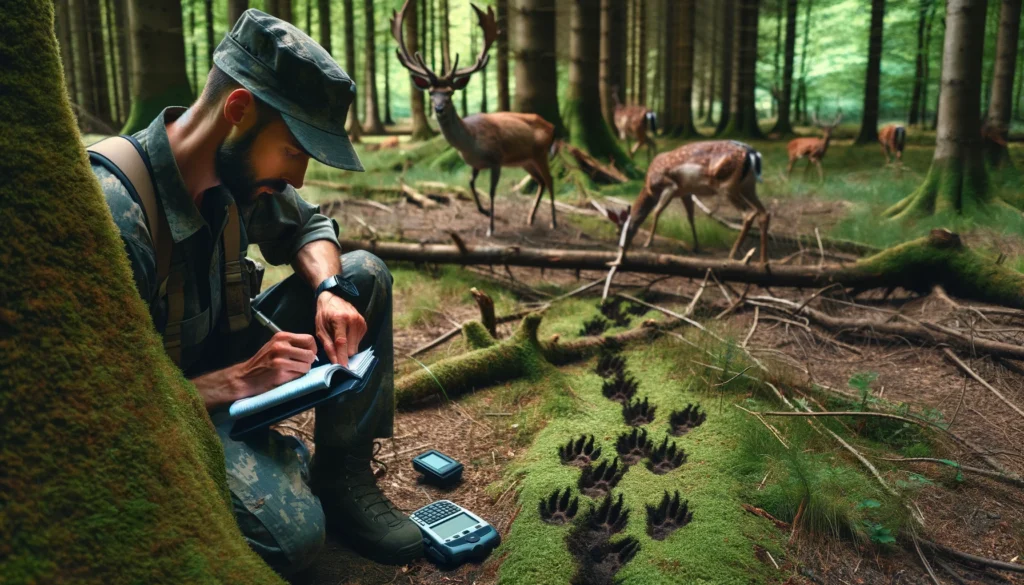
Every skilled hunter knows that success in the woods isn’t just about carrying the right weapon or gear. The true art of hunting lies in understanding the land and the animals that live there. One of the oldest and most reliable skills hunters rely on is animal tracking the ability to read subtle signs in nature that reveal where animals have been, where they are headed, and how they behave.

Learning how to track animals by reading signs in the woods can make the difference between going home empty-handed or filling your tag. From hoofprints and scat to disturbed vegetation and feeding sites, the forest is full of clues if you know how to read them.

In this article, we’ll cover:

  • Why animal tracking is important for hunters and outdoor enthusiasts.
  • The essential signs to look for when tracking deer, elk, bear, and small game.
  • How to distinguish between old and fresh tracks.
  • Seasonal variations in animal behavior and tracking.
  • Practical tips to improve your tracking skills.

Whether you’re a seasoned hunter or a beginner sharpening your skills, this guide will help you step into the boots of the animal you’re pursuing and greatly improve your chances of success in the field.

Why Animal Tracking Matters for Hunters

1. Locating Game Efficiently

Wild animals are experts at concealment. They move silently, bed in hidden cover, and leave little trace. Tracking skills allow hunters to shorten the search time and zero in on active areas instead of wandering blindly through the woods.

2. Understanding Animal Behavior

Every track and sign is a story. Tracks show gait and speed, scat reveals diet, and bedding areas tell you where animals feel safe. By learning to interpret these signs, hunters gain insight into feeding patterns, travel routes, and even the size of the herd or pack.

3. Ethical Hunting

Responsible hunters want to make quick, clean kills. Tracking not only helps you locate animals before the shot but also ensures you can recover wounded game afterward. Blood trails, broken branches, and disturbed leaves are often the only signs that lead to a successful recovery.

4. Building a Deeper Connection with Nature

Even if you’re not carrying a rifle or bow, tracking connects you with the natural world. It sharpens observation skills, increases patience, and deepens your understanding of ecosystems.

The Basics of Animal Tracks

Identifying Common Track Shapes

Each species leaves a unique footprint. Here are some key shapes to learn:

  • Deer & Elk Tracks: Heart-shaped, narrow at the bottom with two pointed hooves. Deer tracks are 2–3 inches long, elk 4–5 inches.
  • Bear Tracks: Large, rounded prints with five distinct toes and claw marks. Rear foot resembles a human footprint.
  • Coyote & Dog Tracks: Oval-shaped with four toes and a clear pad. Coyote tracks are narrower and more symmetrical than dogs’.
  • Rabbit Tracks: Paired hind feet land ahead of the smaller front feet when hopping.
  • Turkey Tracks: Three long toes pointing forward and one pointing backward, resembling a “Y” shape.

Fresh vs. Old Tracks

  • Fresh Tracks: Crisp edges, moist soil, or displaced snow. In warm weather, fresh tracks may still hold body heat detectable with your hand.
  • Older Tracks: Weathered, eroded, filled with leaves or debris. In snow, older tracks are rounded and icy.

Reading Other Animal Signs in the Woods

1. Scat (Droppings)

Scat is one of the most telling signs.

  • Deer Scat: Small, pellet-like droppings in clusters.
  • Bear Scat: Large piles, often with visible berries, nuts, or hair.
  • Predator Scat: Twisted, rope-like, often containing fur or bone fragments.

Fresh scat is moist and darker, while old scat is dry, gray, and crumbly.

2. Bedding Areas

Flattened grass, compressed leaves, or pine needles often indicate where deer or elk have rested. These beds are usually located in cover near food and water.

3. Feeding Signs

  • Chewed Branches & Twigs: Deer often leave rough, torn edges when browsing shrubs.
  • Gnawed Trees: Beavers leave distinctive tooth marks on stumps and logs.
  • Acorn or Nut Shells: Squirrels leave piles of shells beneath trees.

4. Rubs & Scrapes

  • Rubs: Male deer (bucks) rub antlers against trees, leaving shredded bark.
  • Scrapes: Exposed soil where bucks paw the ground and urinate to mark territory.

5. Trails & Runways

Consistently trampled paths through grass or snow reveal established travel routes. Game trails often connect bedding areas to water and food sources.

6. Sounds & Smells

Sometimes the woods tell you stories through more than sight:

  • A musky odor can indicate rutting deer.
  • Freshly turned soil may carry the scent of wild hogs rooting.
  • Distant calls, bugles, or gobbles can help pinpoint species and direction.

Seasonal Tracking Tips

Spring

  • Look for muddy tracks near streams and wetlands.
  • Fresh green vegetation attracts deer and elk.
  • Turkey tracks and droppings are more common in open fields.

Summer

  • Tracks are harder to see in dry soil; look for dust beds or trails in tall grass.
  • Water sources are hotspots for tracks, scat, and wallows.

Fall

  • Deer scrapes and rubs peak during the rut.
  • Acorns, apples, and agricultural fields draw heavy feeding activity.
  • Bear scat often contains nuts and corn as they fatten up for hibernation.

Winter

  • Snow makes tracks easier to follow but requires distinguishing old from new.
  • Bedding areas are more sheltered in dense cover.
  • Predator activity is higher as prey becomes scarce.

Tracking Different Types of Game

Deer

Deer are the most tracked animal in North America. Focus on:

  • Fresh hoofprints near water and feeding areas.
  • Scrapes and rubs during rutting season.
  • Bedding sites in thick cover or on south-facing slopes during winter.

Elk

Elk leave larger tracks than deer and travel in herds, leaving multiple signs close together. Look for:

  • Wallows in muddy areas.
  • Heavy trails through timber leading to meadows.
  • Bugling sounds during the rut.

Bear

Bear tracking requires caution. Signs include:

  • Huge footprints with toe marks.
  • Claw scratches on trees.
  • Scat filled with berries, seeds, or animal remains.
    Always stay alert—tracking predators is dangerous.

Small Game (Rabbits, Squirrels, Turkey)

  • Rabbit trails often zigzag to escape predators.
  • Squirrel sign includes nut piles and stripped bark.
  • Turkey tracks and wing drag marks near strutting zones are key spring indicators.

Tools to Improve Tracking Skills

  • Binoculars: Spot disturbed vegetation and movement from a distance.
  • Field Guide: Carry a regional animal track guide.
  • GPS / Mapping Apps: Mark track locations to understand travel corridors.
  • Trail Cameras: Verify species and movement times in tracked areas.
  • Notebook: Record observations date, weather, track size, and direction.

Pro Tips for Successful Tracking

  1. Move Slowly and Quietly – Avoid crunching leaves or breaking twigs.
  2. Stay Downwind – Animals have strong senses of smell; approach from downwind whenever possible.
  3. Train Your Eyes – Don’t just look for full tracks; notice broken stems, shifted rocks, and bent grass.
  4. Practice Often – Track animals even when not hunting. Follow deer prints in snow or examine scat on hikes.
  5. Combine Signs – One sign alone may not be enough. Tracks, scat, and feeding areas together give a complete picture.

Common Mistakes Beginners Make

  • Focusing Only on Tracks: Many hunters ignore scat, rubs, or feeding signs.
  • Misjudging Track Age: Fresh vs. old signs often confuse beginners.
  • Moving Too Fast: Tracking is about patience, not speed.
  • Ignoring Wind Direction: Even if you track correctly, animals will flee if they smell you first.

Building Tracking into Your Hunting Strategy

A good hunter doesn’t just track when the opportunity arises they plan for it. Here’s how:

  • Scout Preseason: Spend time before hunting season locating trails, feeding sites, and bedding areas.
  • Use Cameras & Maps: Trail cams and topo maps help confirm your observations.
  • Plan Ambush Points: Once you’ve identified travel corridors, set up treestands or blinds in those areas.
  • Track After the Shot: Blood trailing is critical. Learn to recognize droplets, smears, or hair to follow a wounded animal ethically.

Final Thoughts

Tracking animals is more than a hunting skill it’s a language of the woods. Every track, rub, and scat pile tells part of a story that, when pieced together, guides you to your quarry. By practicing patience, sharpening your observation, and combining multiple signs, you’ll not only increase your success as a hunter but also deepen your respect for the wildlife you pursue.

Next time you step into the forest with your rifle or bow, remember: the hunt begins long before you see the animal. It begins with learning to read the signs nature leaves behind.

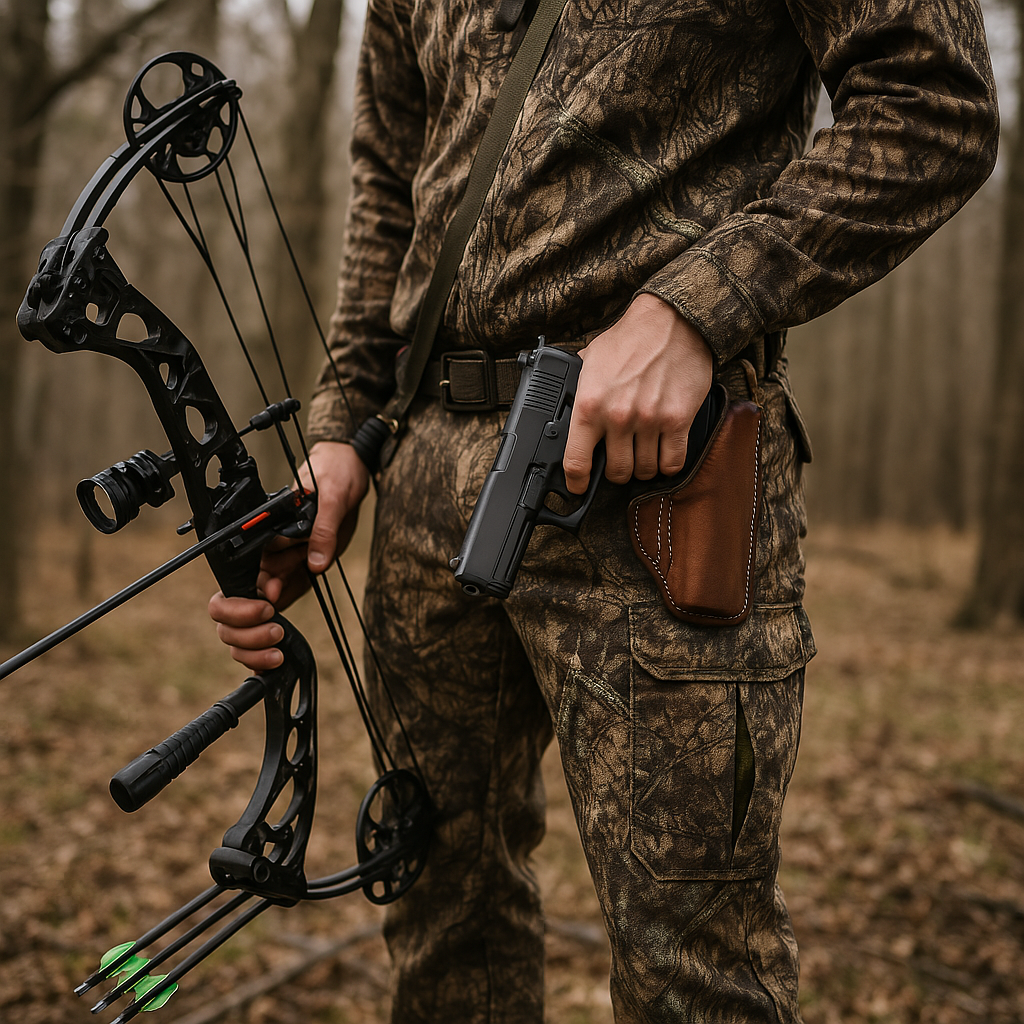
Can I Carry a Pistol While Bow Hunting? A Complete Guide for Hunters

Hunting laws can be complex, especially when firearms intersect with archery. While bowhunting focuses on stealth and archery skills, there may be practical reasons a hunter wishes to carry a pistol. From protection against wild animals to personal security in remote areas, the idea isn’t far-fetched. But regulations, ethics, and public land rules must be considered.

Let’s explore these in detail.

Why Carry a Pistol While Bow Hunting?

There are several valid reasons a hunter might consider carrying a sidearm during a bow hunt:

  • Predator Protection: Encounters with bears, mountain lions, wild hogs, and wolves can be dangerous.
  • Personal Safety: Some remote areas may have risks of encountering hostile individuals or situations.
  • Wounded Game Dispatch: Occasionally, a bow shot may not be fatal. A pistol may be used for humane dispatch in some states.
  • Emergency Signaling: A pistol shot may serve as an emergency signal if you’re lost or injured.
  • Confidence and Peace of Mind: Simply having a backup weapon adds a layer of security.

However, justifiable reasons don’t always align with legal allowances. That’s why it’s important to check laws before carrying a firearm on a bow hunt.

3. Federal Law and Firearm Carry While Hunting

From a federal perspective, the Second Amendment protects your right to bear arms, but it does not override state hunting laws or park regulations. While federal law allows the possession of firearms on federal lands, it leaves the regulation of hunting methods to state wildlife agencies.

As of 2010, federal law allows the carry of firearms in national parks, but only if the person complies with the laws of the state where the park is located. That means, even on federal lands, state law governs whether you can carry a pistol while bowhunting.

4. State-by-State Laws: An Overview

This is where it gets complicated. Each state has unique laws regarding bowhunting and carrying firearms. Below is a summary of key state stances:

✅ States that Generally Allow Carrying a Pistol While Bow Hunting:

  • Texas: Yes, for self-defense only. Cannot be used to harvest game during archery season.
  • Arizona: Legal to carry for protection; must not be used on game in archery season.
  • Colorado: Legal on National Forest lands; cannot use to hunt during archery-only season.
  • Montana: Legal to carry if you have a concealed carry permit.
  • Alaska: Strongly encouraged due to bear country; pistol must not be used for game during archery season.

⚠️ States with Restrictions:

  • California: Legal only if you have a concealed weapons permit (CCW). Restricted in archery-only zones.
  • New York: Strict gun laws; illegal to carry a handgun unless you have a valid NY permit.
  • Illinois: Limited allowance with a concealed carry permit; cannot use for game during archery season.

⛔ States where it’s Prohibited or Highly Regulated:

  • New Jersey: Extremely limited; nearly impossible unless you are law enforcement.
  • Massachusetts: Illegal without a state permit; most archery-only areas do not permit firearms.
  • Hawaii: Prohibited under most hunting regulations.

Important Note: Always verify with your state’s Department of Natural Resources (DNR) or Fish and Wildlife Agency before any hunting trip.

Concealed Carry vs. Open Carry on Hunts

Even in states where carrying is allowed, the method of carry (concealed or open) may be regulated. For example:

  • Concealed Carry: Often requires a valid permit. Some states recognize out-of-state permits, others don’t.
  • Open Carry: May be legal in rural areas or public hunting land but discouraged in populated areas.

Some states do not differentiate between carry types for hunters, but others strictly enforce permit-based restrictions. Always research carry laws in your specific hunting zone.

6. National and State Park Regulations

Hunting in National Parks is typically prohibited, but National Forests and BLM lands often allow hunting. Firearm rules vary:

  • National Forests: Generally allow carry if the state permits it.
  • State Parks: Many prohibit firearms unless specifically allowed during designated hunting seasons.

Some parks even have archery-only rules that prohibit firearms regardless of purpose.

7. Archery-Only Season vs. General Season Considerations

A big distinction is whether you’re hunting during:

  • Archery-Only Season: Firearms are typically prohibited for game harvesting. Sidearms may be allowed for protection only.
  • General Season: Firearms and bows may both be legal for taking game. Carrying a pistol is more accepted.

Using a pistol to kill game during an archery-only season can result in heavy fines or loss of hunting privileges. It may also be considered poaching.

8. Bowhunting Ethics and Carrying Sidearms

Even if it’s legal to carry a pistol, bowhunters often debate the ethics:

  • Does it undermine the “primitive” nature of bowhunting?
  • Will other hunters feel uncomfortable?
  • Could it result in accidental misuse or game poaching?

The ethical bowhunter respects both the spirit and the letter of the law. If you carry a sidearm, it should be for defense only, not a shortcut to avoid a poor shot.

9. Common Scenarios: Self-Defense, Predators, and Emergency Use

Here are real-life scenarios where carrying a pistol makes sense:

  • Bear Encounter: Especially in Alaska or Montana, where brown bears are common.
  • Wild Hog Charge: In southern states, feral hogs can be aggressive.
  • Injured Game: Some states allow the dispatch of wounded animals with a pistol—but only if permitted by law.
  • Lost in the Woods: A pistol can be used to fire warning shots or signal search teams.

10. Recommended Pistols for Bow Hunters

If you’re going to carry, choose wisely:

  • Caliber Matters: .44 Magnum, 10mm Auto, or .357 Magnum are recommended for predator protection.
  • Compact Models: Look for lightweight models to avoid interfering with your gear.
  • Holsters: Use chest rigs or belt holsters that don’t obstruct your bow draw.

Top Picks:

  • Glock 20 (10mm Auto)
  • Ruger Super Redhawk (.44 Magnum)
  • Smith & Wesson Model 686 (.357 Magnum)
  • Springfield XD-M Elite 10mm

11. How to Carry a Pistol Safely While Bow Hunting

Carrying a sidearm safely means:

  • Using a retention holster to prevent accidental drops.
  • Keeping the firearm unloaded until needed, if required by state law.
  • Not interfering with your bow arm or draw path.
  • Practicing drawing and aiming with cold-weather gloves or under gear.

Legal Tips: Permits, Licenses, and Checking with State Agencies

Before you head out:

  • Check state hunting laws annually.
  • Carry a valid concealed weapons permit if required.
  • Ensure your pistol is registered if required by law.
  • Understand transport rules, especially if traveling across state lines.
  • Record DNR or Game Warden contact info for your hunting area.

13. Final Thoughts

So, can you carry a pistol while bow hunting? The answer is: it depends.

The legality hinges on where you’re hunting, when you’re hunting, what you’re hunting, and how you’re carrying. Many states allow it for self-defense, but almost none allow using it for taking game during archery-only season.

Always prioritize safety, legality, and ethical hunting practices. A pistol may offer peace of mind, but with that comes responsibility.

FAQs

Q: Can I use a pistol to finish off a wounded deer during bow season?

A: Only in some states. Others prohibit any firearm use during archery-only season.

Q: Is it legal to carry a pistol while bow hunting in Alaska?

A: Yes, and it’s encouraged for predator defense. Cannot use for harvesting game unless in general season.

Q: Can I carry a pistol with an out-of-state concealed carry permit?

A: Some states honor out-of-state permits; others don’t. Check reciprocity laws.

Q: What’s the best way to carry a pistol while using a compound bow?

A: Use a chest rig holster for easy access that doesn’t obstruct your draw or gear.

The Ultimate Guide to Wild Turkey Sounds

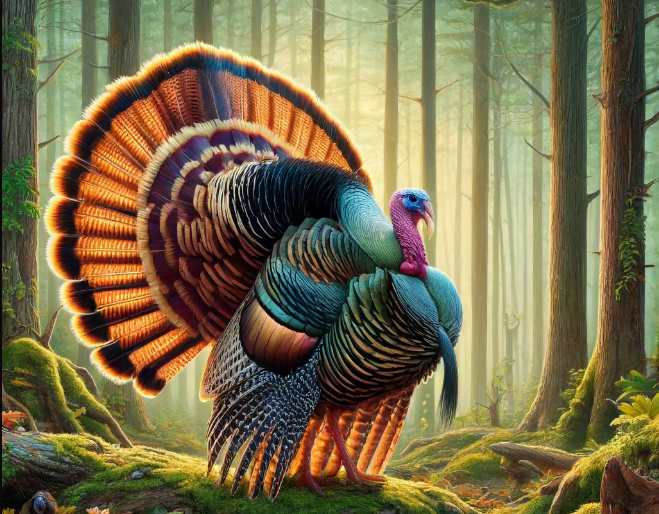
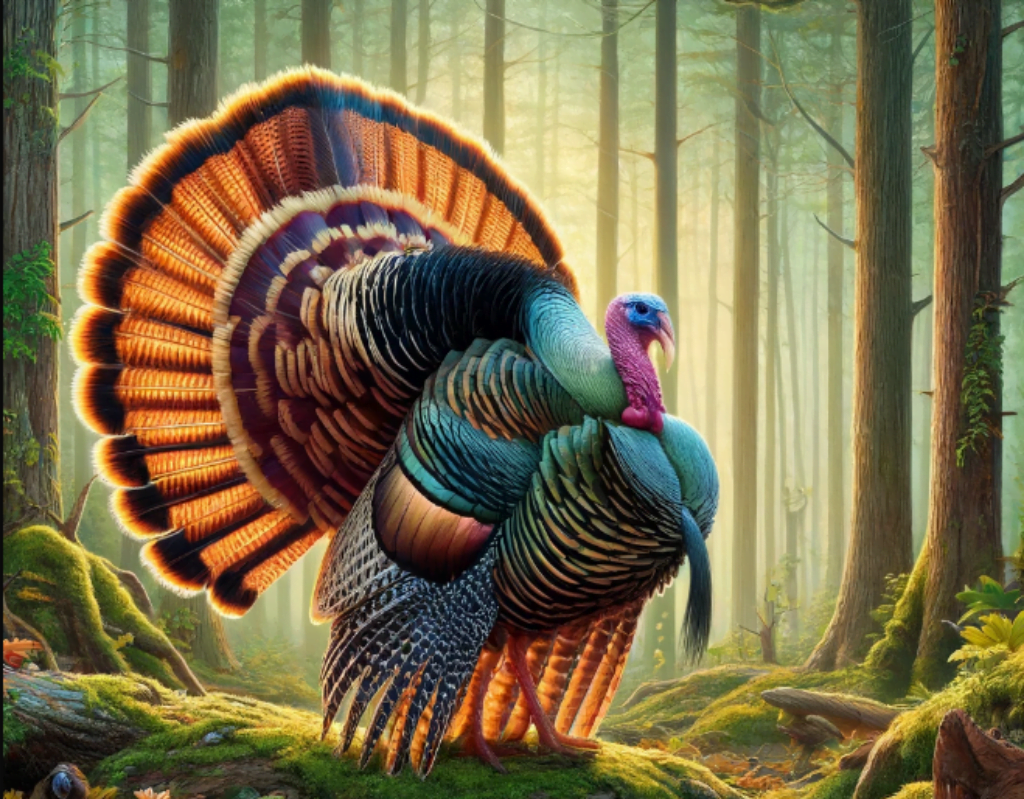
Wild turkeys are fascinating creatures known for their distinctive vocalizations. Understanding these sounds can enhance your turkey hunting experience or simply deepen your appreciation for these magnificent birds. This comprehensive guide explores the various sounds wild turkeys make, their meanings, and how you can use this knowledge to your advantage.

Introduction to Wild Turkey Sounds

Wild turkeys are not just known for their impressive size and fan-like tail feathers but also for their vocalizations. These sounds play a crucial role in their communication and can be key to successful turkey hunting. By learning and understanding these sounds, you can become more adept at locating and attracting turkeys.

Types of Wild Turkey Sounds

Wild turkeys produce a variety of sounds, each with its own unique purpose and meaning. Let’s delve into the most common turkey vocalizations.

Gobble

The gobble is perhaps the most well-known turkey sound. This loud, rapid gurgling noise is made primarily by male turkeys, known as gobblers, especially during the breeding season. The gobble serves to announce the gobbler’s presence and attract hens.

Cluck

Clucks are short, soft notes used by both males and females. They often signify contentment and can also serve as an alarm call when turkeys sense danger.

Purr

Purring is a soft, rolling sound that indicates contentment and relaxation. It is often heard when turkeys are feeding. If a purr turns into a louder, more aggressive noise, it can signify agitation or a minor conflict among the flock.

Yelp

Yelps are series of single-note calls that turkeys use to communicate with each other. Hens use yelps to attract gobblers during the mating season. The rhythm and intensity of yelps can vary, conveying different messages.

Cutt

Cutting is a series of loud, fast, and sharp clucks. This sound often indicates excitement or agitation and is frequently heard during courtship or when a turkey is searching for others.

Kee Kee Run

The kee kee run is a high-pitched call made by young turkeys, or poults, particularly when they are lost and trying to locate the flock. It consists of a series of “kee kee” notes followed by a series of yelps.

Tree Call

Tree calls are soft yelps and clucks made by turkeys while they are roosting in trees. These calls occur primarily in the early morning as turkeys begin to wake up and prepare to leave the roost.

The Importance of Turkey Sounds in Hunting

Understanding and mimicking turkey sounds is a vital skill for any turkey hunter. By effectively using calls, hunters can attract turkeys to their location, increasing their chances of a successful hunt. Different calls can be used to simulate the presence of a turkey flock, a lone hen, or even a rival gobbler, each with its own strategic advantage.

How to Mimic Wild Turkey Sounds

Successfully mimicking turkey sounds requires practice and the right tools. Here are some tips to help you get started:

  1. Use Quality Calls: Invest in high-quality turkey calls, such as box calls, slate calls, and diaphragm calls. Each type has its own unique sound and is suited to different situations.
  2. Practice Regularly: Practice makes perfect. Spend time listening to recordings of real turkey sounds and practice replicating them.
  3. Learn the Cadence: The rhythm and cadence of turkey calls are crucial. Pay attention to the spacing and length of each note.
  4. Adapt to the Situation: Different situations call for different sounds. Learn to read the behavior of turkeys and adjust your calls accordingly.

Advanced Techniques for Mimicking Wild Turkey Sounds

Now that we’ve covered the basics of turkey vocalizations, let’s dive into some advanced techniques and tips to help you master the art of turkey calling.

Understanding Turkey Behavior

Understanding the behavior of wild turkeys can give you an edge in calling them effectively. Here are some key behaviors to observe:

  1. Breeding Season: During the spring, gobblers are highly vocal and responsive to hen calls. This is the prime time for using yelps and cuts.
  2. Feeding Patterns: Turkeys have regular feeding times. Using clucks and purrs during these times can simulate feeding turkeys and attract a flock.
  3. Roosting Habits: Knowing where turkeys roost can help you set up your calls strategically. Use tree calls in the early morning to simulate turkeys waking up and getting ready to fly down.

Types of Turkey Calls

There are several types of turkey calls available, each with its own advantages and best-use scenarios:

Box Calls

Box calls are one of the easiest types of calls to use. They consist of a wooden box with a paddle that creates friction to produce sound. Box calls are excellent for producing loud, resonant yelps, clucks, and cuts.

Pros: Easy to use, great for beginners, loud volume. Cons: Bulky to carry, not ideal for soft, subtle calls.

Slate Calls

Slate calls, also known as pot calls, use a slate surface and a striker to create sounds. They are versatile and can produce a wide range of turkey vocalizations.

Pros: Versatile, great for soft and loud calls, realistic sound. Cons: Require practice to master, can be affected by moisture.

Diaphragm Calls

Diaphragm calls, or mouth calls, consist of a flexible frame with latex reeds that you place in your mouth. By manipulating airflow and tongue pressure, you can produce a variety of turkey sounds.

Pros: Hands-free operation, versatile, lightweight. Cons: Steeper learning curve, requires regular cleaning.

Calling Strategies

Early Morning Strategy

During the early morning, as turkeys wake up, use soft tree yelps and clucks to simulate a turkey waking up. As the sun rises, increase the intensity of your calls with more yelps and even a gobble to attract attention.

Midday Strategy

Midday hunting can be challenging as turkeys are less vocal. Use subtle calls like purrs and soft clucks to mimic feeding turkeys and lure in gobblers looking for hens.

Evening Strategy

As turkeys prepare to roost in the evening, use assembly yelps to simulate a hen gathering the flock. This can be particularly effective in drawing in turkeys looking for a roosting spot.

Tips for Effective Turkey Calling

  1. Stay Still and Quiet: Turkeys have excellent eyesight and can detect movement easily. Stay still and minimize unnecessary noise while calling.
  2. Use Cover: Set up your calling position with good cover to remain hidden from the turkeys’ sharp eyes.
  3. Be Patient: Sometimes, it takes a while for turkeys to respond to calls. Be patient and persistent.
  4. Mix Up Your Calls: Don’t rely on one type of call. Mix up yelps, clucks, and purrs to keep things interesting and realistic.
  5. Practice Makes Perfect: Regular practice is key to mastering turkey calls. Use recordings of real turkeys to refine your technique.

Common Mistakes in Turkey Calling and How to Avoid Them

Even experienced hunters can make mistakes when calling turkeys. Here are some common pitfalls and how to avoid them:

Overcalling

One of the most common mistakes is overcalling. Too much calling can make turkeys suspicious. It’s essential to strike a balance and avoid being overly aggressive with your calls.

Tip: Use calls sparingly and listen for responses. If turkeys are responding, reduce the frequency of your calls to maintain their interest.

Incorrect Cadence

The rhythm and cadence of your calls are crucial. Incorrect timing can make your calls sound unnatural and ineffective.

Tip: Listen to recordings of real turkeys and practice matching their cadence. Pay attention to the spacing and rhythm of each call.

Ignoring Wind Conditions

Wind can carry your calls in unintended directions or muffle them, making it difficult for turkeys to hear you.

Tip: Adjust your calling strategy based on wind conditions. Use louder calls in windy conditions and position yourself where the wind carries your call towards the turkeys.

Calling from the Open

Calling from an open area makes you more visible to turkeys, reducing your chances of success.

Tip: Always call from a concealed position. Use natural cover like trees, bushes, or camouflage to blend into your surroundings.

Impatience

Impatience can lead to frequent movement and noise, which can scare off turkeys.

Tip: Be patient and stay still. Allow time for turkeys to respond to your calls and approach your location.

Frequently Asked Questions

What is the best time to hear turkeys gobble?

The best time to hear turkeys gobble is during the early morning hours, just before and after sunrise. This is when gobblers are most active and vocal.

Can female turkeys gobble?

While it’s rare, female turkeys, or hens, can gobble. However, their gobble is usually less pronounced and less frequent than that of male turkeys.

How far can a turkey gobble be heard?

A turkey gobble can be heard up to a mile away in optimal conditions, such as in open terrain with little background noise.

Do turkeys make noise at night?

Turkeys are generally quiet at night. They roost in trees and may make occasional soft clucks or purrs, but they do not gobble at night.

How do I know which turkey call to use?

The type of call you use depends on the situation. For example, use yelps and clucks to attract hens and gobblers during the mating season, and use purrs and soft clucks when trying to calm and reassure turkeys.

Conclusion

Understanding wild turkey sounds can significantly enhance your turkey hunting experience or simply your appreciation for these intriguing birds. By learning to identify and mimic these sounds, you can improve your chances of successful turkey encounters. Whether you’re a seasoned hunter or a nature enthusiast, the world of wild turkey vocalizations is fascinating and rewarding to explore.

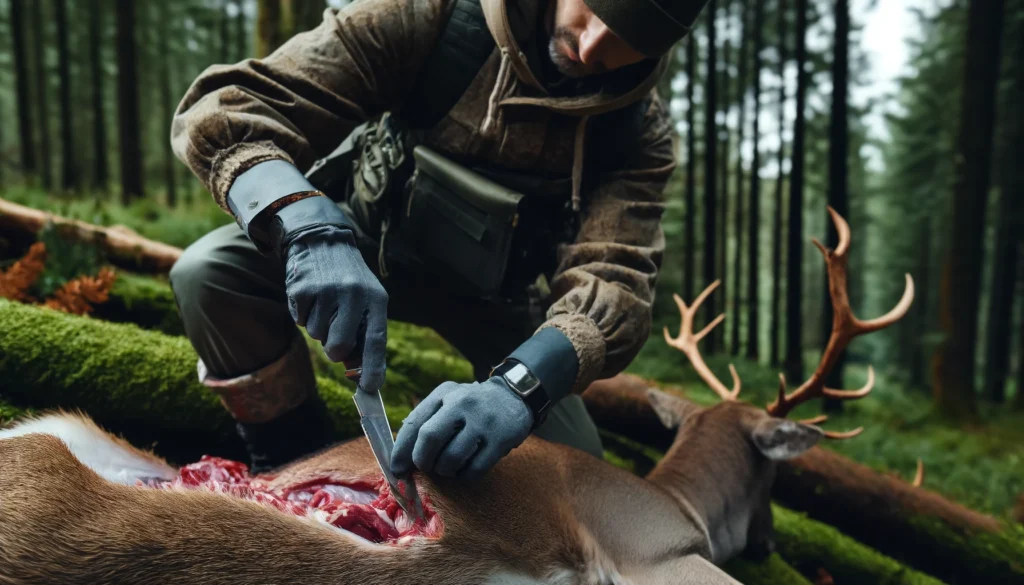
Field Dressing 101: How to Gut a Deer Step by Step

Introduction

Gutting a deer is an essential skill for hunters, crucial for preserving the quality of the meat and preventing spoilage. This guide provides a step-by-step approach to efficiently and safely gut a deer immediately after a successful hunt.

1. Preparation and Safety

1.1 Necessary Tools

  • Sharp Knife: A sturdy, sharp hunting knife or a gut hook.
  • Latex Gloves: To maintain hygiene and protect against possible infections.
  • Rope or Pulley: Useful for hanging the deer to aid in draining blood.

1.2 Safety Precautions

  • Wear Gloves: Always wear gloves to prevent direct contact with blood and potential pathogens.
  • Be Aware of Sharp Tools: Handle your knife with care to avoid injuries.

2. Positioning the Deer

2.1 Laying the Deer

  • Flat Surface: Place the deer on its back on a slight incline if possible, to help with blood drainage.
  • Spread the Hind Legs: Use stakes or ties to spread and secure the hind legs, providing better access to the abdominal area.

3. Making the Initial Cuts

3.1 Incision

  • Pelvic Area to Breastbone: Start your cut at the pelvic area, being careful not to cut too deeply and puncture the intestines. Extend the cut up to the breastbone.

3.2 Cutting Around the Genitals

  • Careful Separation: For bucks, carefully cut around the genitals and tie off the penis to prevent urine from contaminating the meat. For does, avoid puncturing the bladder.

4. Removing the Organs

4.1 Detaching the Diaphragm

  • Chest Cavity Access: Cut around the diaphragm to separate it from the chest cavity, allowing access to the heart and lungs.

4.2 Extracting the Guts

  • Gentle Pulling: Carefully pull the intestines and stomach out, making sure not to rupture them. This might require additional cuts near the pelvis.

5. Removing the Heart and Lungs

5.1 Accessing the Thoracic Cavity

  • Further Incisions: If necessary, make additional cuts to open the chest cavity further to reach the heart and lungs.

5.2 Extraction

  • Careful Removal: Remove the heart and lungs, ensuring all blood is drained from the chest cavity.

6. Draining Blood and Cooling Down

6.1 Elevating the Deer

  • Hanging the Deer: If possible, hang the deer by its hind legs to facilitate blood drainage and cooling of the carcass.

6.2 Cooling

  • Environment: Ensure the deer is positioned in a cool, shaded area or is promptly transported to a refrigerated space to prevent spoilage.

7. Final Cleaning

7.1 Washing

  • Internal Cavities: Rinse the body cavity with cold water to remove any remaining blood or debris, being cautious not to soak the meat.

7.2 Inspection

  • Check for Leftovers: Make sure all organs have been removed and inspect the cavity for any abnormalities or signs of disease.

8. Transporting the Deer

8.1 Preparation for Transport

  • Proper Handling: After gutting, prepare the deer for transport by securing it to a game cart or sled. Ensure it is properly tagged according to local wildlife regulations.

8.2 Keeping it Cool

  • Temperature Management: Use ice packs or bags of ice in the chest cavity if the weather is warm, to help keep the meat cool during transportation.

9. Skinning and Butchering

9.1 Skinning

  • Efficient Technique: Begin skinning the deer as soon as possible after gutting to facilitate easier removal of the hide and to cool the meat quickly.

9.2 Butchering

  • Breaking it Down: After skinning, butcher the deer into larger cuts at your campsite or bring it to a professional processor. Knowledge of deer anatomy is crucial for maximizing yield and quality of meat.

10. Cleaning and Maintenance of Equipment

10.1 Knife Care

  • Post-Use Cleaning: Thoroughly clean and disinfect your knife and any other tools used. Sharpen the knife regularly to maintain its effectiveness for future use.

10.2 Storage

  • Proper Storage: Store your hunting tools in a dry and secure place to prevent rust and deterioration.

11. Learning from Each Experience

11.1 Reflect on the Process

  • Personal Improvement: Each time you gut a deer, take the time to reflect on what went well and what could be improved. Learning from each experience will make the process more efficient and effective over time.

11.2 Seeking Feedback

  • Advice from Experienced Hunters: Don’t hesitate to ask for feedback from more experienced hunters or mentors. They can provide valuable insights and tips to enhance your skills.

12. Ethical Considerations and Respect for Wildlife

12.1 Ethical Hunting Practices

  • Respect for the Animal: Treat the deer with respect throughout the process, from hunting to gutting to consuming. This respect reflects well on the hunting community and ensures sustainable hunting practices.

12.2 Utilization of the Whole Animal

  • Waste Minimization: Aim to use as much of the animal as possible, not only the choice cuts. This includes using the bones for broth, the hide for leather, and even the organs for cooking, if safe and practical.

Conclusion

Properly gutting a deer is a fundamental part of hunting that ensures the quality of your harvest. By following these detailed steps, you can efficiently process your game, ensuring that the meat is safe and delicious for consumption.

Frequently Asked Questions (FAQs)

How long do I have to gut a deer after shooting it?

  • Immediate Action: It’s best to gut the deer as soon as possible to prevent bacteria growth and meat spoilage, ideally within an hour after the hunt.

What should I do if I puncture the intestines?

  • Containment: If the intestines are accidentally punctured, clean the area thoroughly to prevent contamination of the meat. Rinse the cavity with water immediately.

How do I dispose of the deer remnants after gutting?

  • Responsible Disposal: Follow local guidelines for the disposal of animal remains. In many areas, this might involve burying them away from water sources or in designated disposal areas to prevent attracting predators or spreading disease.

Can I gut a deer alone, or do I need help?

  • Solo vs. Team Effort: While it is possible to gut a deer alone, having assistance can make the process quicker and safer, especially for novice hunters. As you gain more experience, you may feel more comfortable handling the task by yourself.

Introducing Young Hunters: The Right Age to Start Hunting

Introduction

Introducing children to hunting is a significant decision that carries both tradition and responsibility. The appropriate age to start hunting can vary based on legal regulations, individual maturity, and readiness. This guide provides insights on determining the right age for kids to begin hunting, focusing on safety, education, and fostering a respectful understanding of wildlife conservation.


1.1 Hunting Licenses and Regulations

  • Minimum Age Requirements: Most states and countries have specific age requirements for hunting licenses. These can vary widely, so it’s essential to check local regulations.
  • Supervised Hunting: Many regions allow younger children to hunt under the supervision of a licensed adult, often providing special youth hunting days or apprenticeship programs.

2. Maturity and Responsibility

2.1 Assessing Maturity

  • Emotional Readiness: Children should demonstrate the ability to follow instructions, understand safety protocols, and handle the emotional aspects of hunting, including the killing of animals.
  • Physical Capability: The physical demands of hunting, such as handling firearms safely, should also be considered. Children must be able to manage the equipment confidently and responsibly.

3. Educational Preparation

3.1 Hunter Education Courses

  • Safety and Ethics Training: Most states require completion of a hunter education course before obtaining a license. These courses cover safety, ethics, wildlife laws, and often practical skills like firearm handling.
  • Age-Appropriate Learning: Look for programs specifically designed for young learners that adjust complex concepts to be more accessible to children.

4. Family Involvement

4.1 Role of Family

  • Family Tradition: In many cases, hunting is a family tradition, and children learn by accompanying adults on hunts before participating actively. This can be an excellent way to introduce ethical practices and respect for nature.
  • Mentorship: A parent, guardian, or other experienced adult can mentor the child, providing continuous guidance and support.

5. Gradual Introduction

5.1 Starting with the Basics

  • Observation First: Initially, children might start by observing hunting trips and learning about wildlife tracking, spotting, and the importance of conservation.
  • Gradual Participation: Gradually involve them in more active roles, such as handling gear, following tracks, and eventually participating in the actual hunt under close supervision.

6. Psychological Preparation

6.1 Understanding the Impact of Hunting

  • Respect for Life: Teach children the significance of respecting animal life and the responsibilities involved in taking an animal’s life.
  • Coping Mechanisms: Prepare them to handle the emotions and realities of hunting, including dealing with success and failure.

7. Equipment and Gear

7.1 Suitable Gear

  • Youth-Specific Equipment: Ensure that all equipment, especially firearms or bows, is suitable for the child’s size and strength. This not only aids in teaching proper technique but also ensures safety.

8. Creating a Positive Experience

8.1 Focus on Education and Conservation

  • Conservation Ethics: Emphasize the role of hunters in conservation and the importance of sustainable practices.
  • Enjoyable Experiences: Make the experience enjoyable and educational, regardless of whether an animal is harvested.

9. Role of Simulation and Practice

9.1 Practice with Simulators

  • Use of Technology: Consider using virtual hunting simulators or laser training tools that help children learn aiming and tracking skills in a safe, controlled environment before handling real weapons.

9.2 Target Practice

  • Skill Development: Regular practice sessions at a shooting range or using archery targets can help young hunters develop accuracy, confidence, and familiarity with handling hunting equipment under supervision.

10. Involvement in Wildlife Conservation Activities

10.1 Participating in Conservation Projects

  • Hands-on Learning: Engage children in wildlife habitat conservation projects or ecological restoration activities. These experiences teach the importance of habitat health and biodiversity, reinforcing the conservationist role of hunters.

10.2 Educational Workshops

  • Broader Knowledge: Attend workshops or field days organized by wildlife conservation groups or hunting organizations that provide education on local wildlife species, habitat needs, and conservation strategies.

11. Assessing Progress and Interest

11.1 Regular Check-Ins

  • Evaluating Interest: Regularly assess the child’s interest and comfort levels with hunting activities. Hunting should be a mutually enjoyable experience, not a forced tradition.

11.2 Adapting to Feedback

  • Flexible Approaches: Be open to modifying hunting practices based on the child’s feedback. If certain aspects of hunting do not appeal to them, consider other outdoor activities like bird watching, hiking, or photography that still foster an appreciation for wildlife and nature.

12. Building a Supportive Community

12.1 Connecting with Other Young Hunters

  • Peer Support: Facilitate interactions with other young hunters through youth hunting camps or social media groups. Peer relationships can provide motivation and enhance the learning experience.

12.2 Family Outings

  • Shared Experiences: Organize family hunting trips where children can practice skills in a real-world setting while enjoying quality family time. These outings can strengthen familial bonds and create lasting memories.

13. Recognizing Achievements

13.1 Celebrating Milestones

  • Recognition and Rewards: Celebrate milestones such as the first successful hunt or completion of conservation projects. Recognition encourages continued interest and commitment to hunting and conservation ethics.

13.2 Encouraging Continued Education

  • Lifelong Learning: Encourage ongoing education in advanced hunting skills, wildlife management, and conservation to keep young hunters engaged and informed as they grow into responsible adult hunters.

Conclusion

Deciding when a child should start hunting involves careful consideration of legal, ethical, and personal factors. By ensuring that children are legally, emotionally, and physically prepared, and by providing a supportive and educational environment, young hunters can develop a lifelong respect and appreciation for hunting and conservation.


Frequently Asked Questions (FAQs) The Right Age to Start Hunting

  • Firearm Training: Children can begin learning about firearms at any age you deem appropriate, but active hunting usually starts around the age when they can responsibly handle and operate the firearm under supervision, often in their early teens.

How can I find youth hunting programs in my area?

  • Local Hunting Clubs and Wildlife Agencies: Contact local hunting clubs or state wildlife agencies for information on youth programs, which often provide tailored opportunities for young hunters to learn and participate safely.

What safety precautions should be taken when young children are present on hunts?

  • Prioritizing Safety: Always prioritize safety by ensuring firearms and other equipment are handled securely. Teach and reinforce the importance of gun safety and never leave children unsupervised with hunting equipment.

How can I help my child deal with the emotional aspect of hunting?

  • Emotional Support: Provide guidance on the reality of hunting, including the ethical killing and processing of game. Discuss the life cycle and the hunter’s role in ecosystem management. Be supportive and understanding of their emotions and reactions to these experiences.

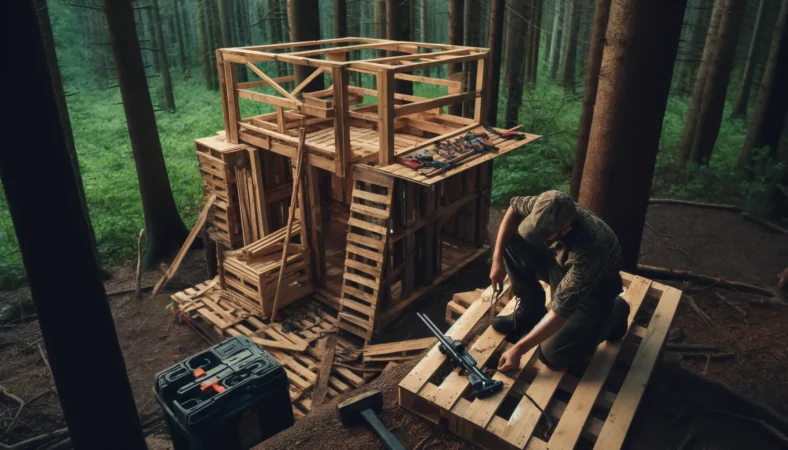
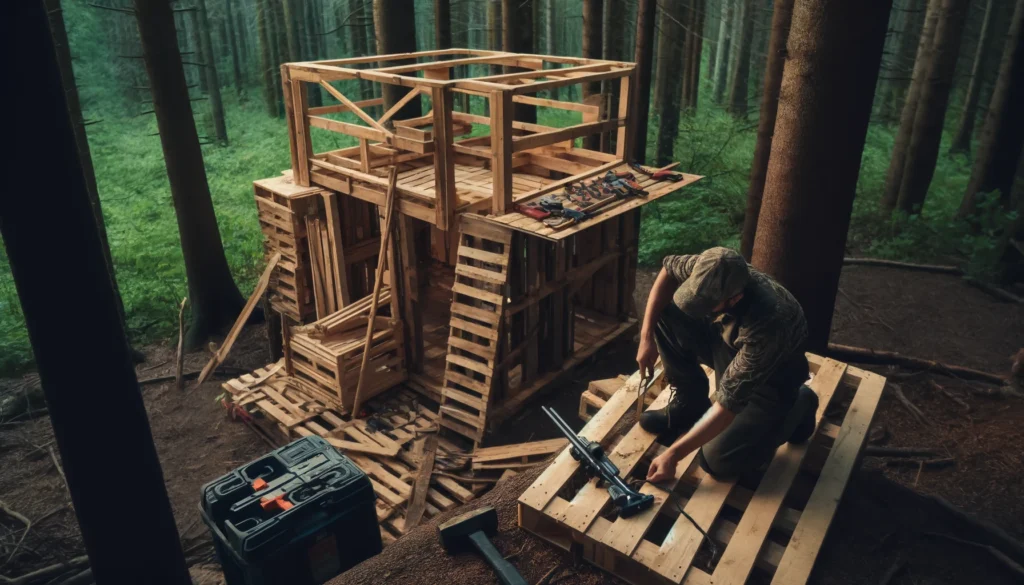
DIY Guide: How to Build a Deer Blind From Pallets

Introduction

Building a deer blind from pallets is a cost-effective way to enhance your hunting experience. Pallets are often readily available and can be repurposed into a sturdy and functional hunting blind. This guide will walk you through the steps to construct a simple yet effective deer blind using wood pallets.


1. Gathering Materials

1.1 Essential Supplies

  • Wood Pallets: You will need approximately 4-6 pallets depending on the size and design of your blind. Look for pallets in good condition.
  • Nails or Screws: Durable screws are preferable for stronger joints.
  • Hammer or Power Drill: For assembling the pallets.
  • Saw: To cut wood for customization and fit.
  • Tarp or Heavy-Duty Plastic: For waterproofing the roof.

1.2 Optional Enhancements

  • Camouflage Material: To blend the blind into the environment.
  • Insulation Material: For temperature control during colder seasons.
  • Windows: Plexiglass or mesh can be used for visibility and ventilation.

2. Planning Your Blind

2.1 Design Considerations

  • Size and Shape: Determine how large your blind needs to be to comfortably fit one or more people. A typical size might be 4×4 feet base and at least 6 feet in height.
  • Location: Choose a strategic location that offers good visibility of your hunting area and is downwind from common deer paths.

2.2 Safety Checks

  • Stability: Ensure the ground is level where you plan to build the blind. Stability is crucial for safety and comfort.

3. Constructing the Base and Walls

3.1 Assembling the Base

  • Framework: Lay two pallets flat on the ground side by side to create the floor of the blind. If needed, use additional pallets or wood pieces to fill any gaps.

3.2 Building the Walls

  • Structure: Stand pallets on their edges to form the walls. Secure the corners where the pallets meet with screws or nails. Ensure the structure is squared and stable.

4. Adding the Roof

4.1 Roof Construction

  • Framework: Use additional pallet pieces to create a sloping roof, which helps with rain runoff.
  • Covering: Cover the roof framework with a tarp or heavy-duty plastic. Secure it in place to ensure it is waterproof and durable.

5. Installing Windows and Doors

5.1 Cutting Openings

  • Windows: Decide on the number and size of windows. Use a saw to cut out these openings. Sand any rough edges for safety.
  • Door: You can create a simple door using extra pallet wood or fabricate one from a remaining piece of a pallet.

5.2 Finishing Touches

  • Hinges and Latches: Install hinges for the door and latches for the windows if they need to be secured.

6. Camouflaging and Insulating

6.1 Camouflaging

  • Natural Materials: Use local vegetation or camo netting to disguise the exterior of the blind.
  • Paint: Alternatively, paint the blind with colors that match the surrounding environment.

6.2 Insulating

  • Interior Comfort: Line the interior walls with insulation materials such as foam or bubble wrap to retain heat during the colder months.

7. Enhancing Visibility and Comfort

7.1 Seating Options

  • Comfortable Seating: Add a comfortable chair or bench that fits within the blind. Ensure it’s quiet to adjust and offers good visibility from the windows.

7.2 Storage Solutions

  • Organized Space: Install shelves or hooks for storing gear, snacks, and other essentials. This will help keep the interior uncluttered and functional.

8. Ventilation

8.1 Air Flow

  • Proper Ventilation: Ensure your blind has adequate ventilation to prevent it from becoming stuffy, especially if you plan to spend several hours inside. Small vents or adjustable windows can help circulate air.

9. Weatherproofing

9.1 Sealant and Coatings

  • Protection from Elements: Apply a waterproof sealant to all exterior wood surfaces. Consider using a UV-resistant coating to protect the blind from weathering and sun damage.

9.2 Regular Checks

  • Maintenance Routine: Before and after the hunting season, inspect your blind for any signs of water damage, mold growth, or structural weaknesses. Address these issues promptly to extend the life of your blind.

10. Legal Considerations

10.1 Compliance with Local Laws

  • Regulatory Awareness: Check local hunting regulations to ensure that your blind adheres to all legal requirements regarding size, placement, and use during hunting seasons.

10.2 Permission and Land Rights

  • Landowner Approval: If you are not hunting on your own property, always get permission from landowners where you wish to install your blind. Ensure this agreement is in writing to avoid any future misunderstandings.

11. Safety Measures

11.1 Structural Integrity

  • Safety Inspections: Regularly check the structural integrity of the blind, focusing on the foundation, walls, and roof. Ensure that all materials are securely fastened and free of significant wear or damage.

11.2 Emergency Preparedness

  • Safety Kit: Keep a basic safety kit inside your blind, including a first aid kit, a fire extinguisher, and a means to communicate like a charged cell phone or a radio.

12. Personalizing Your Blind

12.1 Decor and Custom Features

  • Custom Touches: Personalize your blind with paint, decorative elements, or other personal touches that make the space more comfortable and inviting.

12.2 Feedback and Improvements

  • Evolving Design: After using your blind, consider what changes might enhance its functionality or comfort. Continuous improvement will make your hunting experience even more enjoyable.

Conclusion

Building a deer blind from pallets not only saves money but also provides a customized and effective solution for your hunting needs. With some basic tools, materials, and a bit of creativity, you can construct a durable blind that will serve you for many hunting seasons. Always remember to maintain and check your blind for safety issues regularly.


Frequently Asked Questions (FAQs)

Where can I find free pallets?

  • Locating Pallets: Check with local businesses such as grocery stores, hardware stores, or warehouses. Many are willing to give away old pallets for free.

How do I make my deer blind more secure?

  • Reinforcing the Structure: Use additional braces and supports at corners and joints. Regular maintenance and checks will help keep your blind safe and functional.

How can I make my deer blind blend in more with the environment?

  • Advanced Camouflaging: Use local flora to adorn the exterior of the blind. Regularly update these materials to reflect the changing seasons and ensure natural blending.

What are the best practices for leaving a minimal environmental footprint with a deer blind?

  • Environmentally Friendly Practices: Use sustainable materials and methods for construction and upkeep. Ensure that your activities within and around the blind do not disrupt local wildlife or habitat.

Understanding Inbreeding in Deer Populations

Inbreeding occurs when closely related individuals breed, leading to an increased likelihood of offspring inheriting genetic defects or reduced genetic diversity. This can become a concern in deer populations, especially those in isolated or confined areas. Here’s an overview of the implications and management of inbreeding in deer.

Causes of Inbreeding in Deer

  1. Habitat Fragmentation: Human activities such as urban development, construction of roads, and agricultural expansion can fragment deer habitats. This reduces the area deer can roam, limiting their mating options to close relatives.
  2. Population Isolation: Natural barriers like rivers, mountains, or human-made barriers can isolate deer populations. Over time, this isolation can lead to inbreeding as the genetic pool narrows.
  3. Small Population Size: In small populations, genetic diversity naturally diminishes as individuals are more likely to mate with relatives, whether due to proximity or lack of options.

Effects of Inbreeding

  1. Reduced Genetic Diversity: Inbreeding reduces genetic variability, making populations less adaptable to changes in their environment or to emerging diseases.
  2. Increased Health Problems: Inbred populations often exhibit higher incidences of genetic disorders and anomalies, reduced fertility, and increased susceptibility to diseases.
  3. Lower Survival and Reproduction Rates: Inbreeding can lead to inbreeding depression, where populations show lower survival and reproduction rates, further endangering their viability.

Management Strategies

  1. Habitat Connectivity: Creating wildlife corridors that connect isolated patches of habitat can allow deer to move more freely, thereby increasing genetic mixing and reducing inbreeding.
  2. Population Monitoring: Wildlife biologists often monitor genetic diversity within deer populations, especially in conservation areas or reserves, to identify signs of inbreeding.
  3. Controlled Breeding and Relocation: In some cases, wildlife managers may intervene directly, either by relocating individuals to increase genetic diversity in isolated populations or, less commonly, through controlled breeding programs.
  4. Hunting Regulations: Adjusting bag limits and hunting zones based on genetic studies can help manage deer populations, ensuring healthier genetic diversity while considering conservation needs.

Research and Genetic Studies

  1. Genetic Sampling: Modern techniques like DNA analysis allow researchers to assess the genetic health of deer populations. These studies help identify genetic markers associated with inbreeding and guide management decisions.
  2. Long-term Monitoring: Continuous monitoring of deer populations helps track changes in genetic diversity over time. This data is essential for understanding the dynamics of inbreeding and its impact on population health.

Community and Hunter Involvement

  1. Educational Programs: Educating the public and hunters about the consequences of inbreeding in deer populations can foster greater involvement in conservation efforts. Understanding the role of genetic diversity in ecosystem health can encourage responsible hunting practices and habitat preservation.
  2. Hunter Participation: Hunters can play a critical role in managing deer populations. Through selective hunting practices that follow scientific guidelines, hunters can help maintain a balanced age and sex ratio, which can reduce the chances of inbreeding.

Policy and Legislation

  1. Wildlife Management Policies: Effective policies based on scientific research are necessary to manage deer populations sustainably. These might include setting up genetic reserves, regulating hunting seasons, and developing land use policies that prioritize wildlife corridors.
  2. Legislation Support: Support for legislative actions that protect large contiguous areas of habitat can help prevent the negative consequences of habitat fragmentation. Laws that facilitate the creation and maintenance of wildlife corridors are especially important.

International Cooperation

  1. Cross-Border Conservation Efforts: In areas where deer populations cross national borders, international cooperation is crucial. Shared strategies can help manage these populations more effectively, ensuring genetic diversity and reducing the risk of inbreeding.
  2. Global Biodiversity Initiatives: Participating in global biodiversity initiatives can provide additional resources and knowledge for managing inbreeding in deer populations. These collaborations can also raise awareness about the importance of genetic diversity in wildlife conservation.

Technology and Innovation

  1. Remote Sensing and Monitoring: Advances in technology, such as satellite imaging and remote sensors, can help monitor habitat changes and movements of deer populations. These tools can provide valuable data for making informed decisions about habitat connectivity and population management.
  2. Genetic Engineering: While controversial and not currently in mainstream use for wildlife management, genetic engineering offers potential future tools for addressing genetic problems caused by inbreeding.

Adaptive Management Strategies

  1. Dynamic Management Plans: Adaptive management involves adjusting strategies based on ongoing research and monitoring. This flexible approach allows wildlife managers to respond effectively to new challenges related to inbreeding, ensuring that conservation tactics evolve with changing environmental conditions and scientific understandings.
  2. Feedback Loops: Establishing feedback loops within management plans enables the integration of new data and community input, ensuring that strategies remain relevant and effective over time.

Fostering Local and Global Partnerships

  1. Collaborations with Conservation Organizations: Partnerships with conservation groups can provide additional resources and expertise for managing deer populations. These collaborations often bring innovative solutions to complex conservation challenges, such as inbreeding.
  2. Engagement with Academic Institutions: Working with universities and research institutions can enhance the scientific foundation of deer management programs. These partnerships can drive forward advanced genetic studies and the development of new conservation techniques.

Public Engagement and Education

  1. Community Workshops and Seminars: Regular educational programs that inform the public about the importance of genetic diversity and the impacts of inbreeding can help build community support for conservation initiatives.
  2. Citizen Science Programs: Involving the public in monitoring local deer populations can increase community engagement and provide valuable data for managing inbreeding. Citizen science projects can help track deer movement, health, and reproduction.

Enhancing Legal Frameworks

  1. Strengthening Environmental Impact Assessments: Ensuring that new developments or land use changes consider impacts on wildlife corridors and deer habitats can help maintain ecological connectivity and prevent habitat fragmentation.
  2. Implementing Stronger Protection Laws: Laws that provide stronger protection for critical habitats and that mandate genetic diversity considerations in wildlife management plans can significantly contribute to reducing the risk of inbreeding.

Sustainability in Hunting Practices

  1. Sustainable Quotas: Setting quotas based on scientific data to ensure that hunting does not disproportionately affect certain age or sex groups within the deer population, which can lead to increased risks of inbreeding.
  2. Hunting Ethics Training: Providing hunters with training on ethical practices, including the selection of animals that does not disrupt the genetic health of the population, can help maintain a balanced and healthy deer community.

Conclusion

While inbreeding is a natural process, it can become problematic under certain conditions, particularly in isolated or small populations. Effective wildlife management, aimed at maintaining genetic diversity and ecological balance, is crucial for sustaining healthy deer populations. Awareness and targeted action can mitigate the negative effects of inbreeding, ensuring the long-term survival and health of deer herds.

Exit mobile version