
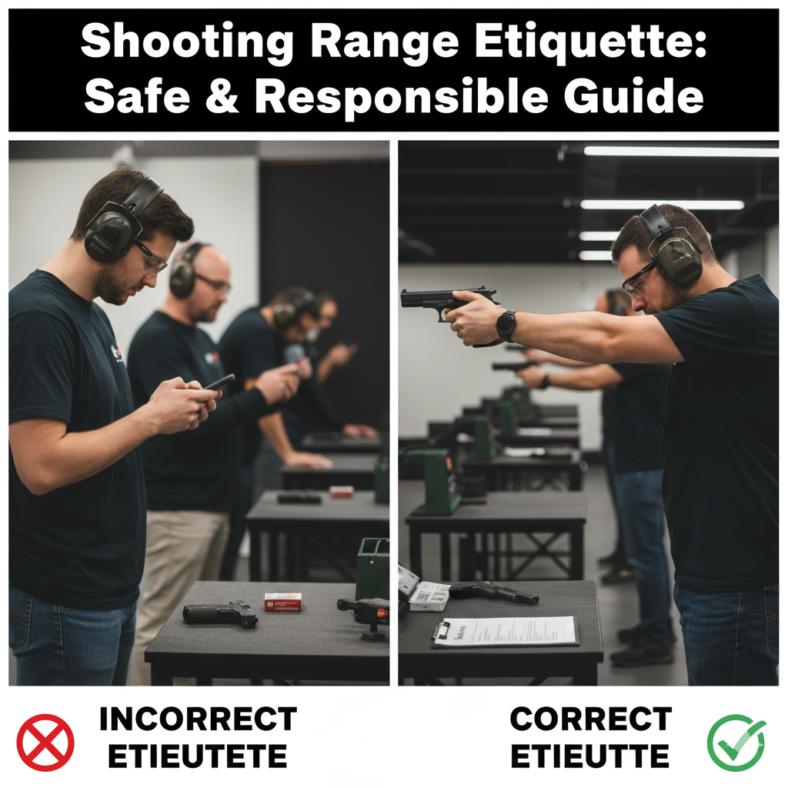
Shooting ranges are shared environments where safety, discipline, and mutual respect must always come first. Regardless of whether you are a beginner handling a firearm for the first time or an experienced shooter refining your skills, understanding and practicing proper shooting range etiquette is essential. Etiquette goes beyond written rules; it reflects awareness, responsibility, and consideration for everyone present. A shooter who follows proper etiquette not only protects lives but also contributes to a positive and professional range culture.
At its core, shooting range etiquette exists to prevent accidents, reduce misunderstandings, and ensure that every person at the range feels safe and respected. Firearms are powerful tools, and even a small lapse in judgment can have serious consequences. Ranges bring together individuals with different experience levels, and etiquette helps create an environment where those differences do not become safety risks.
Understanding the Importance of Safety-First Behavior
Every shooting range is built on a foundation of safety. Before any etiquette considerations come into play, a shooter must fully understand that firearms must be treated with constant caution. This mindset begins the moment you step onto range property. Even when a firearm is unloaded, it must always be handled as if it were capable of firing. This attitude prevents careless handling and reinforces muscle memory that keeps both you and others safe.
Muzzle awareness is one of the most critical elements of range behavior. A firearm should always be pointed in a safe direction, usually downrange toward the targets. Turning around with a firearm in your hands, even briefly, can cause panic and lead to serious consequences. Good etiquette demands that shooters remain mindful of where their firearm is pointed at all times.
Trigger discipline is equally important. Keeping your finger off the trigger until you are actively ready to fire reduces the risk of unintentional discharges. Experienced shooters treat this as second nature, and new shooters are expected to learn and follow it immediately.
Respecting the Authority of the Range Officer
Range officers play a vital role in maintaining order and enforcing safety standards. Their instructions are not optional, and proper etiquette requires shooters to listen carefully and comply without hesitation. A range officer’s job is to observe potential hazards before they turn into accidents, which means their commands must be followed promptly.
Arguing with a range officer, ignoring instructions, or continuing to shoot after a command has been given demonstrates poor etiquette and unsafe behavior. If a shooter is confused or unsure about a rule, the appropriate action is to ask politely for clarification. Respectful communication with range staff helps create a cooperative environment and shows maturity as a responsible firearm owner.
Proper Conduct on the Firing Line
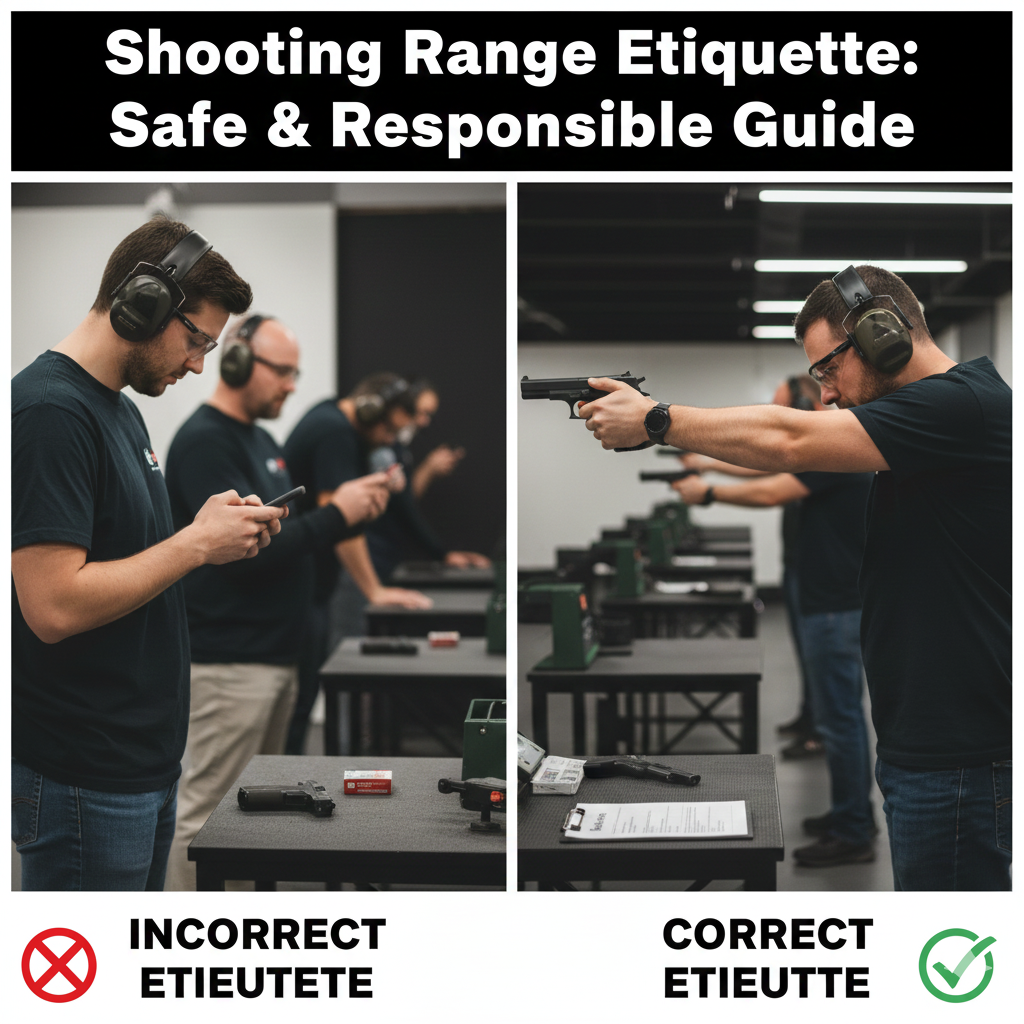
The firing line is where etiquette matters most because it is where active shooting takes place. When you are on the firing line, your attention should be focused on your firearm, your target, and the commands being given. Casual conversations, distractions, or unnecessary movement can interfere with other shooters’ concentration and increase risk.
Firearms should only be loaded at the firing line when the range is declared hot. Handling firearms behind the line without permission is unsafe and typically against range rules. Shooters are also expected to use the correct ammunition for their firearm, as using the wrong caliber can cause equipment failure or injury.
Controlled shooting behavior is another aspect of firing line etiquette. Even if rapid fire is permitted, shooters must remain in control of their firearm and ensure that rounds are hitting the intended target safely. Reckless or uncontrolled shooting is not only dangerous but also disruptive to others.

Cease Fire Awareness and Discipline
One of the most important moments where etiquette is tested is during a cease fire. When a cease fire is called, all shooters must immediately stop firing, unload their firearms, and make them safe according to the range’s procedures. This usually includes locking the action open and stepping away from the firing line.
During a cease fire, shooters should not touch their firearms for any reason. Even minor adjustments can make others nervous and create unsafe conditions. Good etiquette means respecting the pause and allowing everyone to check targets or move downrange without concern.
Handling Firearm Malfunctions Calmly
Malfunctions are a normal part of shooting, but how they are handled reflects a shooter’s experience and etiquette. When a malfunction occurs, the firearm should remain pointed downrange. The shooter should not rush, panic, or turn around while holding the firearm. If assistance is needed, signaling to the range officer and waiting for guidance is the safest course of action.
Calm and controlled behavior during malfunctions reassures others and prevents small issues from turning into dangerous situations.
Courtesy Toward Other Shooters
Shooting ranges are shared spaces, and good etiquette means being considerate of those around you. Standing too close to another shooter, leaning over their bench, or watching them shoot without permission can make people uncomfortable. Everyone deserves personal space and the ability to focus.
Offering advice to other shooters should be done cautiously. While some may appreciate help, unsolicited advice can be distracting or unwelcome. Etiquette suggests that advice should only be given when requested or when there is an immediate safety concern.
Noise management is another often-overlooked aspect of etiquette. Loud conversations, phone calls, or unnecessary movement behind the firing line can break concentration. Quiet, respectful behavior contributes to a safer and more enjoyable environment for everyone.
Caring for Targets and Range Property
Ranges provide specific target systems, backstops, and equipment designed to handle gunfire safely. Shooters must use only approved targets and place them at designated distances. Shooting target frames, carriers, or other range equipment is both dangerous and disrespectful.
After finishing a shooting session, proper etiquette includes removing used targets and cleaning up your area. Leaving debris behind creates additional work for staff and reflects poorly on the shooting community as a whole.
Indoor vs. Outdoor Range Etiquette
Indoor ranges often require stricter discipline due to confined space, amplified noise, and controlled ventilation. Shooters must wear eye and ear protection at all times and strictly follow ammunition restrictions. Awareness of surroundings is critical because mistakes indoors carry greater risk.
Outdoor ranges may feel more relaxed, but etiquette remains just as important. Weather conditions, uneven ground, and longer distances demand heightened awareness and adherence to cold and hot range procedures.
Introducing New Shooters to the Range
When experienced shooters bring beginners to a range, etiquette includes taking responsibility for their safety and behavior. New shooters should be taught safety rules before handling firearms, not after a mistake occurs. Close supervision and patient guidance help ensure a positive introduction to the sport.
Representing Responsible Gun Ownership
Shooting range etiquette is a reflection of character. A shooter who acts responsibly helps strengthen public trust in shooting sports and firearm ownership. Poor behavior, on the other hand, damages the reputation of the entire community.
By demonstrating discipline, awareness, and respect, shooters help ensure that ranges remain open, welcoming, and safe for future generations.
Conclusion
Shooting range etiquette is not about limiting enjoyment or enforcing unnecessary rules. It is about creating an environment where everyone can safely pursue their interest in shooting sports. When shooters respect safety principles, follow commands, and show courtesy to others, the range becomes a place of learning, focus, and shared responsibility.