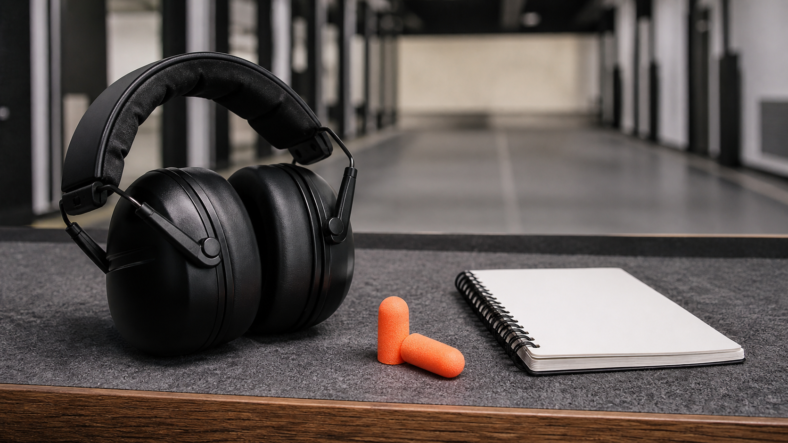
How to Double Up Ear Protection at Indoor Ranges


Doubling up ear protection means wearing properly inserted earplugs underneath properly sealed earmuffs. For indoor shooting ranges and other loud impulse-noise settings, this extra layer may be worth considering because hard walls reflect sound and shooters are often close to other firearms. Doubling up can reduce exposure when both layers fit correctly, but it is not a hearing-loss guarantee, and NRR math does not simply add into a real-world protection number.

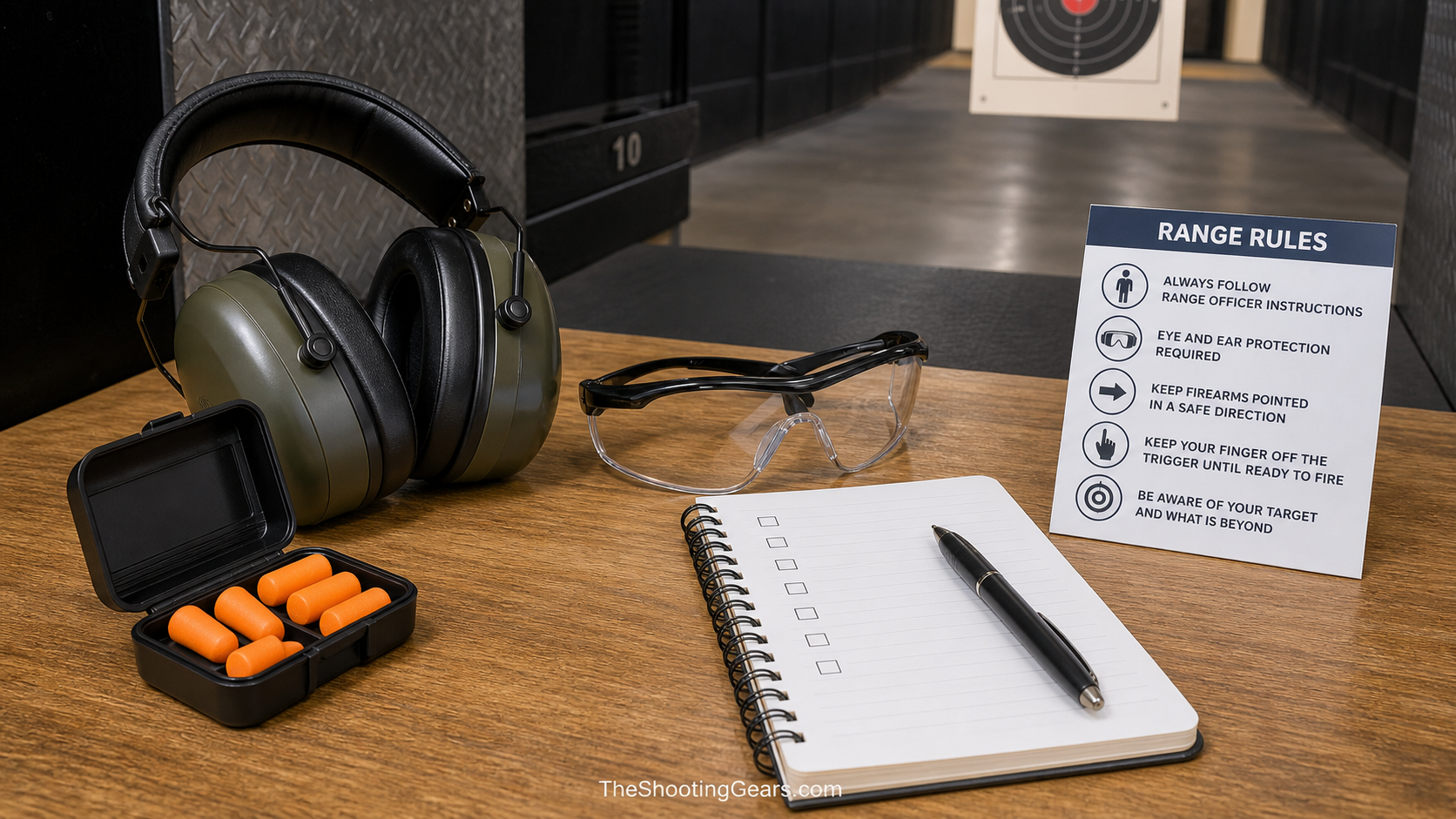
For indoor ranges, double protection usually means correctly inserted foam plugs plus properly sealed earmuffs, with range rules still leading the session.

This guide explains when plugs-plus-muffs make sense, how to wear them correctly, what mistakes reduce protection, and when to ask a range safety officer or qualified hearing professional for help.

Table of Contents

What Double Ear Protection Means

Double ear protection means wearing two protective layers at the same time: earplugs inside the ear canal and earmuffs sealed over the outside of the ears. The order matters. Plugs go in first, then muffs go over them so each layer can keep its own fit.

The CDC/NIOSH hearing protection guidance describes double protection as earmuffs worn over earplugs and recommends it in very loud occupational settings, including impulse-noise exposure. That guidance is useful safety context for range users, but it should not be treated as a recreational shooting law or as a promise of complete protection.

Why Indoor Ranges Raise the Stakes

Indoor ranges are different from open outdoor bays because hard walls, ceilings, and dividers reflect sound instead of letting it dissipate. You may also stand close to other shooters using short barrels, compensators, muzzle brakes, or high-volume firing strings. That combination can make a single layer feel less comfortable and less forgiving.

NRR labels are useful for comparing hearing protectors, but they do not tell you exactly what your ears receive in a real shooting lane. Federal hearing-protector labeling rules in 40 CFR Part 211 Subpart B also warn that NRR may not indicate protection against impulsive noise such as gunfire. That is why this guide focuses on fit, seal, and realistic expectations instead of simple number math.

How to Wear Earplugs Under Earmuffs

To double up correctly, insert the earplugs first, then place the earmuffs over them without breaking either seal. The combination only helps when both layers are worn properly for the full time anyone on the line is shooting.

Insert the Earplugs Correctly

Foam earplugs should sit inside the ear canal, not loosely at the opening. Roll the plug down, insert it, and hold it in place while it expands. Reusable plugs should be seated according to the maker’s instructions. If a plug feels loose, falls out, or leaves sound obviously louder on one side, stop and refit it.

Seat the Earmuffs Without Breaking the Seal

Place the earmuffs so the cushions fully surround each ear. The headband should sit securely, and the cups should not be propped open by hair, hat brims, hoodie fabric, or thick glasses arms. A small gap under the cushion can quietly reduce real-world protection.

Check Eyewear, Hair, Hats, and Stock Fit

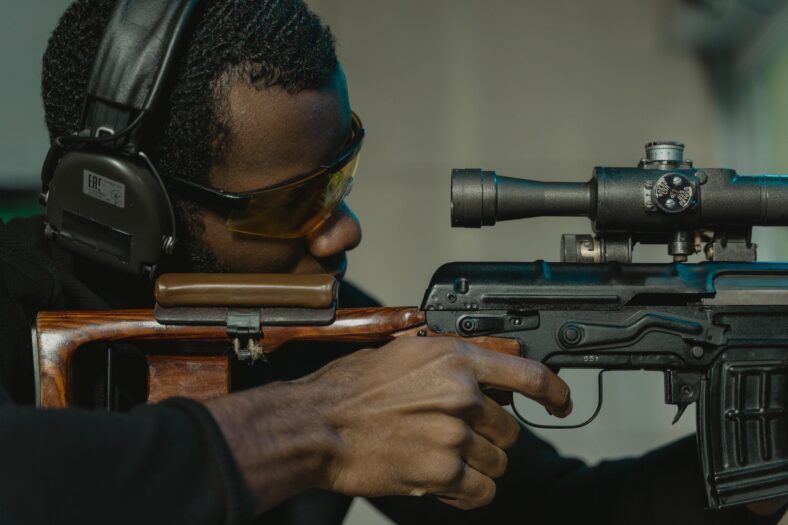
Safety glasses are required at many ranges, but thick temples can interfere with earmuff cushions. The 3M hearing protection selection guidance notes that compatibility with eyewear and other equipment matters when selecting protection. Thin safety-glasses arms, careful muff placement, and a quick seal check can help.

Rifle and shotgun shooters should also confirm the muffs do not shift when they mount the firearm. If your cheek weld knocks a cup loose, a lower-profile muff or different setup may be needed.

What Not to Do When Doubling Up

Do not treat the earplug NRR plus earmuff NRR as a single real-world rating. Protection depends on fit, insertion depth, cushion seal, product condition, and how consistently you keep both layers on.

  • Do not leave foam plugs barely seated at the ear opening.
  • Do not wear earmuffs over bulky hats or hair that breaks the seal.
  • Do not remove protection while other shooters are still firing.
  • Do not use cracked muff cushions, dirty plugs, or damaged gear.
  • Do not assume electronics or active noise cancellation replaces rated hearing protection.

Electronic Earmuffs With Earplugs

Electronic earmuffs can still be useful when worn over plugs because they may help you hear range commands and conversation between shots. However, the protective part is still the rated muff cup and seal, not a magic cancellation effect. With plugs underneath, speech and amplified sounds may be quieter, so you may need to adjust volume and listen carefully to range staff.

The NSSF reminds shooters to wear eye and ear protection, and that advice pairs naturally with a practical range habit: keep both layers on whenever firing is active, even if you are not the person shooting.

What Double Protection Does Not Guarantee

Double protection can add margin, but it does not guarantee that your hearing is safe in every indoor lane or with every firearm. Fit, seal, eyewear, hair, hats, product wear, shooter position, and range design all matter. No article can promise a specific decibel reduction for your ears.

If you have ear pain, tinnitus, hearing aids, previous hearing loss, or recurring fit problems, ask a qualified hearing professional. If something feels wrong during a range session, ask the range safety officer for help before continuing.

Indoor Range Double-Protection Checklist

  • Insert earplugs so they seal inside the ear canal.
  • Seat earmuffs so the cushions fully surround each ear.
  • Check that glasses, hair, hats, and clothing do not break the seal.
  • Confirm the muff seal stays in place when you mount the firearm.
  • Keep both layers on whenever anyone on the firing line is shooting.
  • Replace disposable plugs and worn muff cushions before they fail.
  • Ask for help if the setup hurts, leaks sound, or feels uneven.

Frequently Asked Questions

Should you wear earplugs and earmuffs at an indoor shooting range?

It may be worth considering, especially in loud indoor bays, near muzzle brakes, or during high-volume sessions. The second layer can add margin when both layers fit correctly, but it is still not a guarantee against hearing damage.

Can you combine the NRR labels?

No. Treating two labels as one simple number overstates protection. NRR is a comparison label, while real-world protection depends heavily on fit, seal, and consistent use.

Are electronic earmuffs enough at indoor ranges?

Sometimes they may be enough for a particular shooter and range, but electronics do not change the need for a proper rated seal. Many shooters choose plugs under electronic muffs indoors for extra passive protection while still hearing commands better than with passive muffs alone.

Should plugs go under muffs or over muffs?

Plugs go in first, then earmuffs go over the ears. Earplugs protect from inside the ear canal, while earmuffs seal around the outside of the ear.

Can shooting glasses break the earmuff seal?

Yes. Thick eyewear temples can create small gaps under earmuff cushions. Use shooting glasses that fit well under muffs and check the seal before firing starts.

What if double protection still feels uncomfortable?

Stop and refit the plugs and muffs. Do not force a setup that causes pain. If discomfort continues, ask the range safety officer or a qualified hearing professional for help choosing a safer fit.

Final Recommendation

For indoor shooting ranges, properly inserted earplugs under properly sealed earmuffs are a sensible option when noise exposure feels high or when you want extra margin. Focus on fit, seal, and keeping protection on the whole time. Treat double protection as a careful habit, not a mathematical shortcut or a guarantee.
Shooting Stance for Beginners: A Detailed Range-Safety Guide

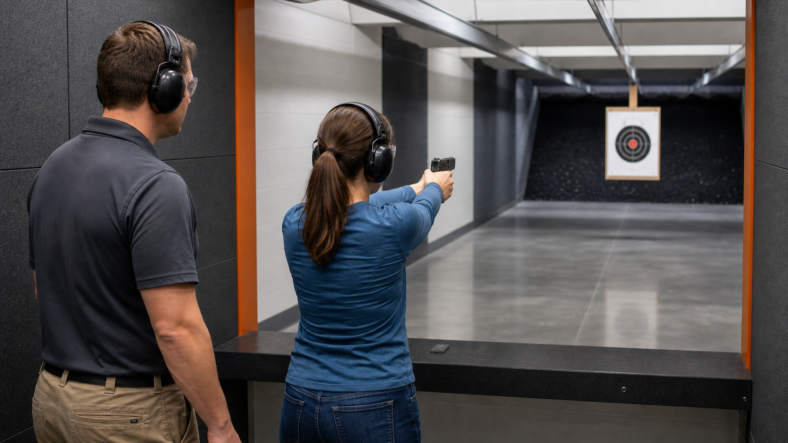
A good beginner shooting stance is a stable, balanced body position that helps you support the firearm comfortably, manage recoil, and keep the muzzle pointed in a safe direction. For most new shooters at a supervised range, that means feet about shoulder-width apart, knees soft, weight slightly forward, and a relaxed but firm grip.

This guide explains stance basics in a range and sport-shooting context. It does not replace direct instruction from a certified instructor, range safety officer, firearm manual, or posted range rules.

Safety First

Safety comes before stance. Before thinking about footwork or grip, confirm that you are following the universal firearm safety rules and the posted rules of your range. The NSSF firearm safety rules are a useful starting point for reviewing the fundamentals.

  • Treat every firearm as if it is loaded.
  • Keep the muzzle pointed in a safe direction.
  • Keep your finger outside the trigger guard until you are ready to fire.
  • Be sure of your target and what is beyond it.
  • Follow instructions from the range safety officer.

New shooters benefit most from direct supervision. A qualified instructor or range safety officer can correct stance and handling errors in real time, which a written guide cannot do.

What a Shooting Stance Is

A shooting stance is the way you position your feet, legs, hips, torso, arms, head, and eyes while shooting. A consistent stance helps create a repeatable platform, reduces unnecessary movement, and helps you return to the sights between shots.

Stance is only one part of the fundamentals. Grip, sight alignment, sight picture, breathing, and trigger control all matter too. If you are working on accuracy, pair stance practice with our guide on the importance of trigger control for shooting accuracy.

Common Beginner Stances

Two handgun stances are commonly introduced to beginners: the isosceles stance and the Weaver stance. Rifle and shotgun positions are different, so confirm the correct setup for your firearm type with an instructor.

The Isosceles Stance

In the isosceles stance, the shooter faces the target squarely, with both arms extended evenly. Many beginners find it simple because the body position feels balanced and symmetrical.

The Weaver Stance

In the Weaver stance, the body is angled slightly, with the support-side foot forward and the firing-side foot back. Some shooters like the added tension and support, but it can take more coaching to learn comfortably.

Choosing Between Them

There is no single stance that fits every shooter. Body size, strength, mobility, firearm type, and range setup all matter. Try beginner stances under supervision and keep the one that feels stable, comfortable, and repeatable.

How to Build a Stable Stance Step by Step

Build stance from the ground up while keeping the muzzle in a safe direction. Small details matter, but the goal is not to look perfect. The goal is a repeatable position you can maintain safely.

AreaBeginner CueWhy It Helps
FeetAbout shoulder-width apartCreates a stable base
KneesSoft, not lockedReduces stiffness and fatigue
WeightSlightly forwardHelps manage recoil without leaning back
ShouldersRelaxed and levelReduces unnecessary tension
HeadUpright and naturalImproves comfort and sight alignment

For broader accuracy fundamentals after stance, see our guide on how to improve shooting accuracy.

Eye and Ear Protection

Eye and ear protection should be in place before you step to the firing line. Hearing protection helps reduce noise exposure, and eye protection helps guard against ejected cases, fragments, and other range hazards. The CDC/NIOSH noise and hearing loss prevention resources explain why hearing protection matters, and OSHA publishes guidance on eye and face protection.

Always follow your range’s specific PPE requirements. If your range requires a certain rating or style of protection, the range rule comes first.

Common Beginner Mistakes

  • Leaning backward instead of staying balanced and slightly forward.
  • Locking the knees and becoming stiff.
  • Over-tensing the shoulders, hands, or arms.
  • Letting the muzzle drift while adjusting foot placement.
  • Trying advanced positions before the basics are consistent.

Outside feedback helps. Ask a range safety officer or instructor to watch your stance during a supervised session. A small correction early can prevent a habit from becoming hard to change later.

Frequently Asked Questions

What is the best shooting stance for beginners?

Many beginners start with the isosceles stance because it is simple and symmetrical. The best stance is the one you can repeat safely and comfortably under supervision.

Does a good stance improve accuracy?

A stable stance supports accuracy, but it does not guarantee it. Accuracy comes from combining stance with grip, sight alignment, breathing, trigger control, and safe practice over time.

Should beginners learn stance from an instructor?

Yes, if possible. Written guidance can explain the basics, but an instructor or range safety officer can correct unsafe handling, balance problems, and posture issues in real time.

Is the stance the same for handguns and long guns?

No. Handgun stances such as isosceles and Weaver are different from rifle and shotgun positions. Confirm the right setup for your firearm type with a qualified instructor.

How long should I practice my stance?

Use short, focused, supervised sessions and stop when you become tired. Quality and safety matter more than long sessions.

Final Range-Safety Reminder

A good shooting stance should feel stable, repeatable, and safe. Keep the muzzle in a safe direction, wear proper eye and ear protection, follow range commands, and ask for qualified help whenever you are unsure. For more safety-first range basics, read our shooting range safety rules guide.

Shooting Range Safety Rules: A Beginner-Friendly Guide

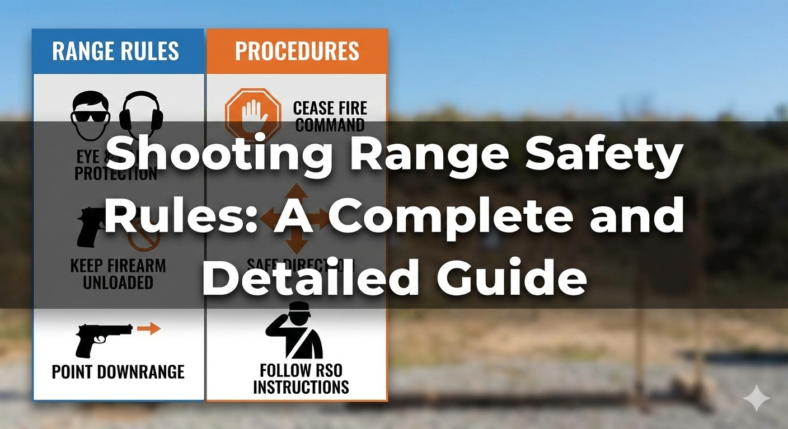
Shooting range safety comes down to a small set of rules followed every single time: keep the muzzle pointed in a safe direction, keep your finger off the trigger until you are ready to fire, treat every firearm as loaded, know your target and what is beyond it, and follow the range officer’s commands without exception. These habits do not change with experience level. A first-time shooter and a lifelong competitor follow the same core rules because range safety depends on consistency, not skill.

This guide explains the universal handling rules, how range commands work, what to do before and during a cease-fire, why eye and ear protection matter, and the hygiene steps that reduce lead exposure at indoor ranges. Range rules vary by facility, so always read and follow the posted rules and the range officer’s instructions at the range you are using.

The Core Firearm Safety Rules

The core firearm safety rules are the foundation of every range, and they apply whether you are handling a rifle, pistol, or shotgun. Most range incidents trace back to breaking one of these basics, so they are worth knowing before you ever step up to the firing line. The National Shooting Sports Foundation’s firearm safety rules are a useful authority reference for these habits.

Always Point the Muzzle in a Safe Direction

A safe direction is one where an accidental discharge would not strike a person or cause unintended harm. At a range, that almost always means pointing the muzzle downrange toward the backstop or target line. Never let the muzzle cross your body or another person, including while picking up, setting down, or carrying a firearm.

Keep Your Finger Off the Trigger Until Ready to Fire

Rest your trigger finger straight along the frame or receiver, outside the trigger guard, until your sights are on the target and you have decided to shoot. This single habit prevents many unintentional discharges and pairs naturally with safe stance and grip practice.

Treat Every Firearm as If It Is Loaded

Handle every firearm as though it can fire, even one you believe is empty. Visually and physically confirm the chamber is clear when you pick one up, and do not rely only on someone else’s word that it is unloaded.

Know Your Target and What Is Beyond It

Be sure of your target and the area behind and around it before firing. At a supervised range the backstop handles this, but you are still responsible for placing shots where the range allows and not firing at anything other than your authorized target.

How Range Commands Work

Range commands are verbal instructions a range safety officer uses to control what everyone on the line does at the same time. Following them immediately is one of the most important safety behaviors at any supervised range because they keep all shooters synchronized.

Common Commands You May Hear

  • Commence fire or the range is hot: shooters at the firing line may load and fire at authorized targets.
  • Cease fire: stop shooting immediately, take your finger off the trigger, and wait for the next instruction. Anyone may call a cease-fire if they see a hazard.
  • Make safe or unload and show clear: unload the firearm, remove the magazine if applicable, open the action, and confirm the chamber is empty.
  • The range is cold: no one handles firearms. This is when shooters may go forward of the line to set or retrieve targets.

Exact command wording can vary by facility, so the range officer and posted range rules always override generic online guidance.

Never Touch a Firearm During a Cold Range

When the range is cold and people may be downrange, do not touch any firearm for any reason, even to case it or move it. Step back from the bench and keep your hands away until the range is called hot again.

Before You Step to the Firing Line

Before you approach the firing line, confirm a few things so you arrive ready and do not create a hazard while setting up. Good preparation reduces fumbling on the line, which is where many handling mistakes happen.

  • Bring firearms to the range unloaded and cased unless the range directs otherwise.
  • Read posted rules, ammunition restrictions, target rules, and lane procedures.
  • Put on eye and ear protection before entering or approaching the active firing area.
  • Keep ammunition, magazines, and gear organized so you do not need to turn around with a firearm in hand.

Cease-Fire Behavior

A cease-fire means stop firing now, and it can be called by the range officer or by any shooter who sees a problem. Stop shooting, remove your finger from the trigger, keep the muzzle pointed in a safe direction, and wait for instructions.

Do not finish your shot, do not turn around with the firearm in hand, and do not ask why before making the firearm safe if instructed. Once the situation is resolved, the range officer will call the range hot again before anyone resumes.

Eye and Ear Protection

Eye and ear protection are required at most ranges because gunfire produces noise that can permanently damage hearing and debris that can injure unprotected eyes. The OSHA eye and face protection overview is a helpful source for understanding why eye protection matters, although range-specific rules still come from the facility.

Hearing Protection

Use earplugs, earmuffs, or both together for higher protection, especially indoors or next to large-caliber firearms. Hearing damage from impulse noise can be permanent and is not always noticeable right away.

Eye Protection

Wear impact-rated safety glasses to guard against ejected casings, fragments, and unburned powder. Side coverage helps, and ordinary prescription glasses are not a substitute unless they meet an appropriate safety rating.

Indoor Range Lead and Noise Hygiene

Indoor ranges carry two extra considerations: lead exposure from primer residue and airborne particles, and concentrated noise in an enclosed space. The CDC/NIOSH indoor firing range guidance explains why ventilation, hygiene, and hearing protection matter in these spaces.

  • Wash your hands and face before eating, drinking, or leaving the range.
  • Avoid eating, drinking, or touching your face on the firing line.
  • Keep range clothing separate from other laundry when practical.
  • Use strong hearing protection indoors because reflected sound can make gunfire feel louder.

A Simple Range Safety Checklist

Use this quick checklist before and during a range trip. It is not a replacement for facility rules, but it helps keep the most important habits visible.

  • Firearm transported unloaded and cased.
  • Posted range rules and range officer instructions read and understood.
  • Eye protection on and appropriate for impact risk.
  • Ear protection on, doubled up indoors or near louder firearms when needed.
  • Muzzle always pointed downrange in a safe direction.
  • Finger off the trigger until ready to fire.
  • Every firearm treated as loaded.
  • Target and backstop confirmed before firing.
  • Immediate stop on any cease-fire call.
  • No firearm handling when the range is cold and people are downrange.
  • Hands and face washed before eating or leaving the range.

Frequently Asked Questions

What are the most important shooting range safety rules?

The most important rules are to keep the muzzle pointed in a safe direction, keep your finger off the trigger until ready to fire, treat every firearm as loaded, know your target and what is beyond it, and follow the range officer’s commands immediately.

Can anyone call a cease-fire at a shooting range?

Yes. Any shooter who sees a hazard can call cease-fire. Everyone on the line should stop firing immediately, remove their finger from the trigger, and wait for instructions.

Do I need both eye and ear protection at the range?

Yes. Eye protection guards against ejected casings and fragments, and ear protection helps reduce hearing risk from gunfire noise. Wear both whenever you are on or near an active firing line.

Why is lead hygiene important at indoor ranges?

Indoor shooting can produce airborne lead particles and residue from primers. Washing your hands and face, avoiding food and drink on the line, and separating range clothing help reduce exposure.

Are shooting range rules the same everywhere?

The core handling rules are consistent, but each range sets its own rules for calibers, rapid fire, holster use, targets, and procedures. Always follow the posted rules and the range officer at the facility you are using.

How to Improve Shooting Accuracy Safely

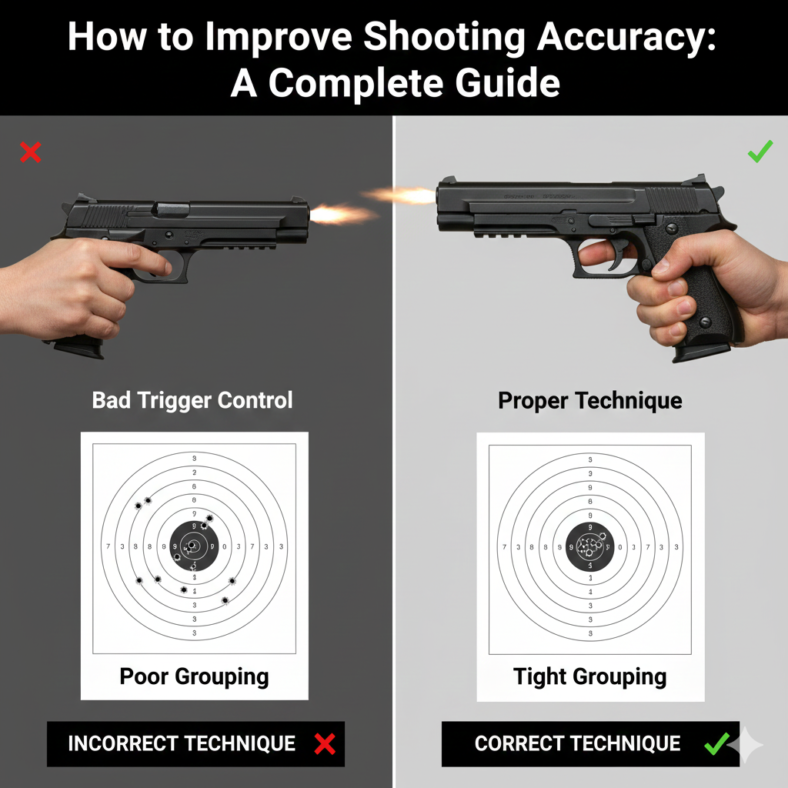
Improving shooting accuracy starts with safe handling and repeatable fundamentals: a stable position, correct sight alignment and sight picture, smooth trigger control, steady breathing, follow-through, and accountable practice. No technique promises a specific result, because accuracy depends on the shooter, firearm, ammunition, conditions, and practice quality.

This guide is for sport and recreational range shooting. It stays at the fundamentals level and does not cover advanced field methods. Always follow your range rules, firearm manual, and qualified instructor guidance first.

Safety Comes Before Accuracy

Safe gun handling is the foundation of every accuracy session. Treat every firearm as if it is loaded, keep your finger off the trigger until your sights are on target and you intend to fire, keep the muzzle in a safe direction, and be sure of your target and what is beyond it. The NSSF firearm safety rules are a useful public reference for these fundamentals.

Accuracy practice also requires the correct ammunition for your firearm, eye and ear protection, clear range procedures, and awareness of the backstop. If you are unsure about loading, unloading, clearing, or checking your firearm, stop and ask qualified help before continuing.

Core Accuracy Fundamentals

A small set of fundamentals drives accuracy across most firearm disciplines. They work together, so consistency across the whole process matters more than chasing one trick.

FundamentalBeginner FocusWhy It Matters
Position or stanceStable, repeatable body supportReduces unnecessary movement
Sight alignmentConsistent relationship between sights and targetHelps aim stay repeatable
Trigger controlSmooth press without disturbing sightsReduces pulled shots
BreathingCalm, natural rhythmReduces body tension
Follow-throughMaintain position after the shotPrevents relaxing too early

Position or stance

A stable position gives every other fundamental something to build on. For standing range work, many shooters start with a balanced stance, feet about shoulder-width apart, weight slightly forward, and a relaxed but firm hold. Our shooting stance for beginners guide covers that foundation in more detail.

Sight alignment and sight picture

Sight alignment is the relationship between the sights, and sight picture is that alignment placed on the target. A consistent sight picture makes shot placement easier to evaluate over time.

Trigger control

Trigger control means pressing smoothly without disturbing the sights. Jerking, slapping, or anticipating recoil can move the firearm before the shot breaks. For more detail, read our guide on the importance of trigger control for shooting accuracy.

Follow-through

Follow-through means holding your position, grip, and focus for a moment after the shot rather than relaxing immediately. It helps make each shot part of the same repeatable process.

Rifle, Handgun, and Shotgun Differences

Accuracy fundamentals overlap, but rifle, handgun, and shotgun shooting differ enough that general advice should stay cautious. Treat these notes as orientation, not discipline-specific instruction.

  • Rifles: Stability, support, cheek placement, and consistent shoulder position matter.
  • Handguns: Grip consistency, stance, trigger control, and sight management carry extra weight.
  • Shotguns: Smooth mount, target focus, movement, and follow-through are common themes.

The NSSF shooting resources are a helpful starting point for understanding organized shooting activities and safety context.

Practice Plans and Training Classes

Accountable practice usually helps more than equipment changes for newer shooters. Work slowly, record what you are doing, and compare targets over several sessions instead of judging from one group. Add distance, speed, or complexity only when the basics are consistent.

A qualified instructor can spot habits that are hard to feel on your own, such as flinch, uneven grip pressure, or inconsistent trigger movement. If practice at home ever becomes part of your routine, review secure storage and safe handling resources such as Project ChildSafe, and follow your firearm manual.

Common Accuracy Mistakes

  • Trying to shoot faster than the fundamentals allow.
  • Changing equipment before checking technique.
  • Using an inconsistent stance, grip, or support position.
  • Anticipating recoil and disturbing the firearm before the shot breaks.
  • Relaxing before follow-through is complete.
  • Ignoring range safety while focusing too hard on the target.

Before each range session, review our shooting range safety rules guide so safety remains the first habit, not an afterthought.

Frequently Asked Questions

What improves shooting accuracy the most?

No single factor improves accuracy by itself. For many newer shooters, consistent position and smooth trigger control are common areas where careful practice can help.

Are accuracy fundamentals the same for rifle, handgun, and shotgun?

The core ideas overlap, but each firearm type has different emphasis. Rifles reward stability, handguns reward grip and trigger consistency, and shotguns reward mount and movement.

Will better equipment make me more accurate?

Equipment can matter, but technique is usually the larger variable for newer shooters. Work on fundamentals with qualified guidance before assuming a firearm or accessory is the limiting factor.

How long does it take to improve shooting accuracy?

It varies by shooter, firearm, ammunition, and practice quality. Consistent, safe, accountable sessions are more useful than occasional unfocused practice.

Final Range Takeaway

Better accuracy starts with safety, repeatability, and honest practice. Keep the muzzle in a safe direction, follow range commands, use the correct ammunition and protective gear, and build fundamentals slowly with qualified help when needed.

Why Eye and Ear Protection Matters When Shooting

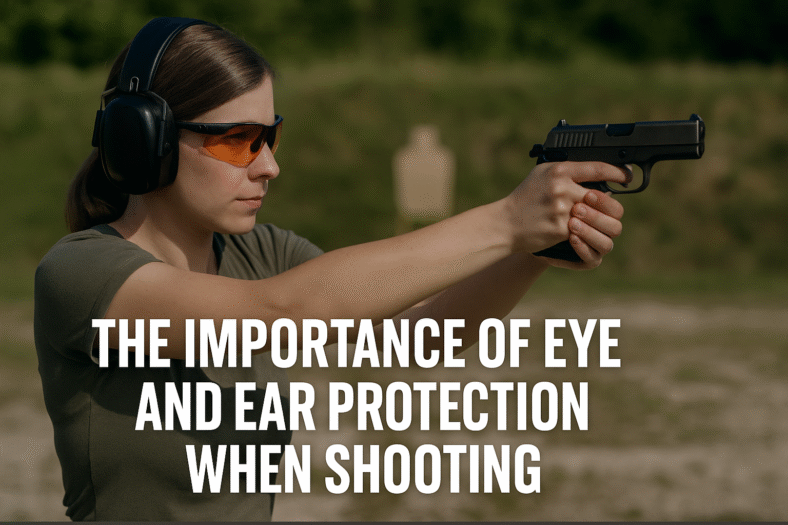
Eye and ear protection matter when shooting because firearms create separate hazards for hearing and vision. Gunfire is a sudden loud impulse noise, and shooting can also involve ejected cases, debris, fragments, hot gases, dust, and other range hazards. Hearing protection helps reduce noise exposure, while eye protection helps guard against impact and debris.

This is general safety information for range, hunting, and sport-shooting contexts. It is not medical advice, and it does not replace your range rules, instructor guidance, equipment instructions, or advice from a qualified hearing or eye-care professional.

Why Shooters Need Eye and Ear Protection

Shooters wear eye and ear protection because the eyes and ears face different risks. Gunfire can create harmful noise exposure, especially indoors or near other shooters. Eye hazards can include ejected brass, blown debris, powder particles, fragments, and general range impact risks.

The CDC/NIOSH noise resources explain why noise exposure deserves prevention, and OSHA publishes general guidance on eye and face protection. For firearm handling rules, review the NSSF firearm safety rules.

Understanding Hearing Protection Ratings

Hearing protection in the United States is commonly labeled with a Noise Reduction Rating, or NRR. A higher NRR generally indicates more potential noise reduction under test conditions, but real-world protection depends heavily on fit and proper use.

Earplugs and earmuffs can both help, and some shooters use plugs and muffs together at indoor ranges or around louder firearms. Do not simply add two NRR numbers together; combined protection is more nuanced than that. Follow the manufacturer’s instructions and your range’s requirements.

Understanding Eye Protection Standards

Shooting eye protection should be impact-rated. Regular sunglasses may reduce glare, but they are not automatically suitable for range impact hazards. Look for safety eyewear that clearly states the impact standard it is designed to meet, fits securely, and offers good side coverage.

Replace scratched, cracked, or damaged lenses. Eye protection only helps when it stays clear, fits correctly, and remains in place during the activity.

Fit and Proper Use Matter

Protection only works when worn correctly. Earplugs need a proper seal in the ear canal. Earmuffs need the cup cushions to seal around the ears, and that seal can be affected by hair, hats, eyewear arms, or poor adjustment.

Eye protection should sit close enough to protect the eyes without blocking vision or becoming uncomfortable. If protection is distracting, fogged, loose, or painful, people are more likely to adjust or remove it at the wrong time. Fit checks are part of range preparation.

Protection TypeWhat to CheckWhy It Matters
EarplugsCorrect insertion and sealA shallow fit can reduce protection
EarmuffsFull cushion seal around the earHair, hats, or glasses can break the seal
Safety glassesImpact rating, side coverage, clear lensesOrdinary eyewear may not protect against range hazards

Range and Hunting Safety Context

At a range, keep eye and ear protection on whenever shooting is active or range rules require it. Nearby shooters can expose you to noise and debris too, so protection is not only about the firearm you are personally using.

While hunting, some people use electronic hearing protection that reduces impulse noise while still allowing environmental sounds. Whatever gear you choose, follow local rules, manufacturer instructions, and hunter education guidance. For more range habits, read our shooting range safety rules guide.

Where to Get Qualified Guidance

For personal hearing concerns, talk with an audiologist or physician. For eye concerns or protective eyewear needs, talk with an eye-care professional. For range practice, ask a range safety officer or certified instructor. A general article can explain why protection matters, but it cannot evaluate your hearing, vision, firearm, range, or medical situation.

If you are assembling basic range equipment, pair this guide with our essential shooting gear guide and beginner shooting stance guide.

Frequently Asked Questions

Do I need both eye and ear protection at the range?

Yes. They protect against different hazards. Hearing protection helps reduce noise exposure, while eye protection helps guard against debris, ejected cases, and impact risks. Always follow your range’s rules.

What does NRR mean on hearing protection?

NRR stands for Noise Reduction Rating. It is a labeled test rating for hearing protection, but real-world protection depends on fit, seal, and correct use.

Can I use regular sunglasses for shooting?

Do not assume regular sunglasses are enough. Shooting glasses should be impact-rated and designed for safety use, not just glare reduction.

Should I wear earplugs and earmuffs together?

Many shooters double up at indoor ranges or around louder firearms. Combined protection can help, but it does not equal the simple sum of both ratings. Fit still matters.

When should I replace eye or ear protection?

Replace damaged eyewear, scratched lenses, worn earmuff cushions, dirty reusable plugs, and any protection that no longer fits or seals properly. Follow the manufacturer’s maintenance instructions.

Final Safety Reminder

Eye and ear protection are basic range safety gear, not optional accessories. Choose impact-rated eyewear, use hearing protection correctly, check fit before shooting starts, and follow your range safety officer’s commands. When in doubt, ask qualified help before stepping to the firing line.

Shooting Eye and Ear Protection Checklist for Range Day

Before a range session, eye and ear protection should be checked before ammunition, targets, tools, or accessories. Good protective gear is not decoration; it is part of the basic safety setup for every shooter, observer, coach, and range guest.

This page is a quick range-day checklist. For the fuller explanation of why protection matters, see our main guide: why eye and ear protection matters when shooting.

Table of Contents

Quick PPE Checklist Before Shooting

CheckWhat to confirmWhy it matters
Eye protectionSafety glasses are impact-rated, clean, and fit securely.Helps protect against fragments, gas, dust, debris, and case-related incidents.
Ear protectionEarplugs, earmuffs, or both are worn correctly before firing begins.Gunfire can expose shooters to hazardous impulse noise.
FitGlasses do not slide; ear muffs seal around glasses and hair as well as possible.Poor fit can reduce protection.
GuestsObservers, new shooters, and helpers have PPE before entering the firing area.Safety applies to everyone near the firing line.
Spare gearBackup foam plugs or spare glasses are in the range bag.Forgotten or damaged PPE should not end the safety plan.

Eye Protection Checks

Use shooting glasses or safety glasses that fit securely and are appropriate for range use. Before the session starts, check that lenses are clean, not badly scratched, and not loose in the frame. If you wear prescription glasses, ask the range or eye-care provider what protective option is appropriate instead of assuming ordinary eyewear is enough.

Eye protection matters because shooting can involve ejected cases, gas, target debris, dust, cleaning residue, and other small hazards. The NSSF eye and ear protection guidance gives a clear baseline: wear protection every time you shoot.

Ear Protection Checks

Choose ear protection before the first shot, not after the range gets loud. Foam plugs must be inserted correctly to work as intended. Earmuffs need a seal around the ear, and that seal can be affected by glasses, hats, hair, and poor adjustment.

Indoor ranges and high-volume sessions can be especially loud. The CDC/NIOSH indoor firing range guidance discusses noise and exposure concerns in range environments. For many shooters, doubling up with plugs plus muffs is worth considering when the range is loud or enclosed.

Fit And Comfort Matter

Protection that is uncomfortable or loose is less likely to stay in place. Check fit before the session starts. Glasses should sit securely when you mount a firearm or change position. Earmuffs should not lift away from the head when you put on a hat or cheek the stock.

If the shooter is a child, new shooter, or guest, do not assume adult-size gear fits. Give them time to adjust PPE before any live fire begins, and stop the session if protection shifts or becomes uncomfortable.

What To Pack In Your Range Bag

  • Primary shooting glasses or safety glasses.
  • Backup clear glasses for low-light indoor lanes.
  • Primary earmuffs or electronic muffs.
  • Foam earplugs for backup or double protection.
  • Lens cloth or safe lens cleaner.
  • A small case or pouch so PPE does not get crushed.
  • Extra PPE for a guest or new shooter.

Common Mistakes To Avoid

  • Putting on ear protection only after the first shot.
  • Wearing scratched lenses that make it harder to see clearly.
  • Using muffs that do not seal because of hat, hair, or glasses interference.
  • Forgetting PPE for observers or guests.
  • Assuming outdoor shooting is quiet enough to skip hearing protection.
  • Leaving backup plugs or spare glasses at home.

Frequently Asked Questions

Do I need both eye and ear protection when shooting?

Yes. Eye protection and ear protection solve different safety problems. Glasses help protect your eyes from physical hazards, while ear protection helps reduce hazardous noise exposure.

Should I double up with earplugs and earmuffs?

Double protection can be useful at indoor ranges, busy firing lines, or with louder firearms. It also gives a backup layer if one form of hearing protection is not sealing perfectly.

Can regular glasses replace shooting glasses?

Do not assume ordinary prescription or fashion glasses provide the same protection as safety-rated eyewear. If you need prescription correction, look for a safety-rated option or ask an eye-care professional what is appropriate for range use.

Should observers wear protection too?

Yes. Anyone near the firing line or range area should follow the range’s PPE rules. New shooters and guests should have eye and ear protection before entering the active shooting area.

Final Range-Day Reminder

Make eye and ear protection part of the first check every time you shoot. Put it on before the line goes hot, keep spare gear in your bag, and pause the session if a guest, child, or shooter loses their fit or comfort. The best safety habit is the one you repeat before every shot, not the one you remember after the range gets loud.

Exit mobile version