The Comprehensive Guide to Buying and Selling Firearms

Table of contents

Buying and selling firearms involves a complex process with numerous legal requirements and best practices to ensure safety and compliance. In this comprehensive guide, we will cover essential information and steps to help you successfully navigate the process of buying and selling firearms, as well as tips for responsible ownership.

How to Buy a Firearm

Research and Choose the Right Firearm

Before purchasing a firearm, it’s crucial to research and choose the appropriate type and model for your specific needs and preferences. Factors to consider include the intended purpose of the firearm (hunting, self-defense, or sport shooting), your experience level, and your budget. Spend time reading reviews, talking to experienced shooters, and trying out different firearms at a range, if possible.

Locate a Reputable Seller

When purchasing a firearm, it’s essential to find a reputable seller, such as a licensed firearms dealer, online retailer, or local gun store. Always verify the seller’s credentials and reputation before making a purchase. You can also ask for recommendations from friends, family, or shooting clubs to ensure you’re dealing with a trustworthy seller.

Background Checks and Waiting Periods

In most cases, buying a firearm requires a background check to ensure the buyer is legally allowed to own a firearm. The process varies by state, with some requiring waiting periods before the firearm can be transferred to the buyer. Be prepared to provide personal information and wait for the required background check and waiting period to be completed.

Completing the Transaction

To complete the purchase, you’ll need to fill out the required paperwork, such as the ATF Form 4473, and pay any associated fees. The seller will then transfer the firearm to you in accordance with state and federal laws. Make sure to keep all paperwork and receipts related to your purchase for future reference and legal compliance.

How to Sell a Firearm

Determine the Value of Your Firearm

Before selling your firearm, research its current market value based on factors such as its make, model, condition, and rarity. This information will help you set a fair asking price and ensure a smooth transaction. You can consult online resources, firearm price guides, or local gun store experts to help determine the value of your firearm.

Create a detailed listing with high-quality photos and an accurate description of your firearm to advertise it for sale. Be honest about the condition and any modifications made to the firearm. You can post your listing on various platforms, such as online firearms marketplaces, local classifieds, or social media groups. Make sure to follow the rules and regulations of each platform when advertising your firearm for sale.

Vet Potential Buyers

When selling a firearm, it’s essential to ensure the buyer is legally allowed to own a firearm. You can do this by requesting a copy of the buyer’s driver’s license and conducting a background check, if required by your state. It’s also a good idea to communicate with potential buyers to get a sense of their intentions and experience with firearms. Trust your instincts and be cautious when dealing with potential buyers.

Complete the Sale

When you’ve agreed on a price and vetted the buyer, you’ll need to complete the sale by transferring ownership of the firearm. This process varies depending on state laws and may require you to involve a licensed firearms dealer to facilitate the transfer. Ensure that all paperwork, such as a bill of sale, is completed and retained by both parties for legal compliance.

Responsible Firearm Ownership and Storage

Safely Storing Firearms to Prevent Accidents and Unauthorized Access

Responsible firearm ownership includes safely storing firearms to prevent accidents and unauthorized access. Use a secure firearm safe or locking device that is appropriate for the type of firearm being stored. Ensure that firearms are stored unloaded, with ammunition stored separately. Follow manufacturer guidelines for safe storage practices.

Utilizing Firearms Safes and Locking Devices

Invest in a high-quality firearm safe or locking device to secure your firearms when not in use. Safes provide protection against theft, unauthorized access, and damage from fire or other disasters. Choose a safe that meets your needs in terms of size, security features, and accessibility.

Educating Family Members and Practicing Firearm Safety at Home

Educate family members, especially children, about firearm safety. Teach them the basics of firearm safety, including the importance of never touching a firearm without adult supervision. Encourage open communication and establish clear rules and guidelines regarding firearms in the home. Regularly reinforce safe practices and lead by example in practicing responsible firearm ownership.

Firearms and Mental Health

Recognizing the Importance of Mental Health in Firearm Ownership

Mental health holds a crucial position in responsible firearm ownership. Consequently, it becomes imperative to acknowledge the potential influence of mental well-being on the safe utilization of firearms. Engage in regular evaluations of your mental state and, if necessary, actively seek professional assistance and support. Remain cognizant of the correlation between mental health and firearm safety to ensure a responsible approach towards firearm ownership.

Seeking Professional Help and Support for Mental Health Concerns

When facing mental health concerns, it is of utmost importance to seek professional help and support. By reaching out to mental health professionals, you can receive the necessary guidance and assistance. It is crucial to understand that seeking help is not a sign of weakness, but rather a demonstration of strength and responsible firearm ownership.

Complying with Laws Related to Mental Health and Firearm Ownership

To ensure the safety of yourself and others, it is crucial to familiarize yourself with local laws concerning mental health and firearm ownership. In certain jurisdictions, specific regulations exist that may impose restrictions on owning firearms for individuals with certain mental health conditions. Therefore, it is important to stay informed and comply with these regulations to promote responsible firearm ownership and enhance overall safety. Therefore, it is essential to comply with these laws and regulations to uphold safety standards and promote responsible firearm ownership.

Best Practices for Responsible Firearm Transactions

Educating Yourself on Firearm Safety and Local Laws


To prioritize firearm safety and comply with local laws, it is crucial to stay informed and continually update your knowledge. By transitioning into a state of continual education, you can make well-informed decisions and ensure responsible firearm transactions. To achieve this, attend firearm safety courses to gain valuable insights, regularly read reputable sources to stay up-to-date, and seek guidance from experts in the field. Transitioning from a passive approach to an active pursuit of knowledge promotes a culture of safety and responsibility. By embracing responsibility as a firearm owner, you contribute to the safety and well-being of all. Additionally, education and adherence to safety practices are pivotal in creating a safer environment for everyone involved.

Maintaining Accurate Records and Documentation

Keep accurate records of all firearm transactions, including purchases and sales. Document relevant information, such as identification details, firearm details, and dates of the transactions. Maintaining accurate records helps ensure compliance with the law, promotes accountability, and provides a clear record of ownership.

Communicating Openly and Honestly in Firearm Transactions

Open and honest communication plays a vital role in firearm transactions. To ensure a smooth and trustworthy exchange, it is crucial to clearly communicate your expectations and provide any relevant information about the firearm. Additionally, make sure to convey any potential restrictions or limitations associated with the firearm.

When engaging in firearm transactions, honesty is paramount. Being forthright about the condition and history of the firearm, including any modifications or repairs made, is important. By maintaining transparency, you foster an environment of trust and promote responsible firearm ownership.

Effective communication is essential to prevent misunderstandings and ensure that both parties are well-informed. Clearly articulate your requirements, such as legal compliance, transfer procedures, or shipping arrangements, to avoid any confusion or complications.

Additionally, openly communicate any specific terms or conditions you expect the buyer or seller to follow, such as age verification, background checks, or permits. This builds trust and alignment between both parties. Open and honest communication fosters a responsible and safe firearm community, promoting transparency and strengthening the overall safety of firearm transactions.

Encouraging Safe and Ethical Firearm Practices

As a responsible firearm owner, it is important to encourage safe and ethical practices among fellow owners and prospective buyers. By sharing knowledge, promoting responsible firearm handling and storage, and advocating for responsible firearm use, we can foster a culture of safety and responsibility. Together, we can contribute to a safer and more responsible firearms community.

Frequently Asked Questions (FAQs)

Q1: Do I need a background check to buy a firearm?

A1: In many jurisdictions, individuals purchasing firearms from licensed dealers are required to undergo a background check. This helps prevent the sale of firearms to prohibited individuals. Background check requirements may vary, so familiarize yourself with local laws to ensure compliance.

Q2: Can I sell a firearm without going through a licensed dealer?

A2: Regulations regarding private firearm sales vary between jurisdictions. Some jurisdictions require private sales to go through licensed dealers, while others allow direct sales between private individuals. It is crucial to understand and comply with the specific laws in your jurisdiction to ensure a legal and responsible sale.

Q3: What should I do if I suspect someone is prohibited from owning firearms?

A3: If you have reason to believe that someone is prohibited from owning firearms, it is crucial to report your concerns to local law enforcement. By doing so, they can investigate the situation and take appropriate action if necessary. This proactive approach promotes public safety and prevents firearms from reaching prohibited individuals, thereby fulfilling our shared responsibility.

Conclusion: Promoting Responsible Firearm Transactions

Responsible firearm transactions are vital for public safety and community well-being. By understanding and complying with legal requirements, promoting responsible firearm ownership, and prioritizing safety, we can foster a culture of responsible firearm use. Continually educating ourselves, following best practices, and cultivating a sense of responsibility in all transactions are key. Together, we can ensure firearms remain in the hands of responsible individuals, promoting a safe and responsible firearms community.

The Basics of Gun Safety Rules: A Comprehensive Guide for Beginners

Table of contents

The Importance of Knowing Basic Gun Safety Rules

As a beginner, learning the basics of gun safety rules is essential before handling a firearm. The responsibility that comes with owning and handling a firearm is enormous, and failure to follow the proper safety rules can lead to serious injury or death. Whether you’re a beginner or an experienced gun owner, it’s essential to review the basic gun safety rules regularly to ensure safe gun handling.

Gun Safety Rules: The Fundamentals

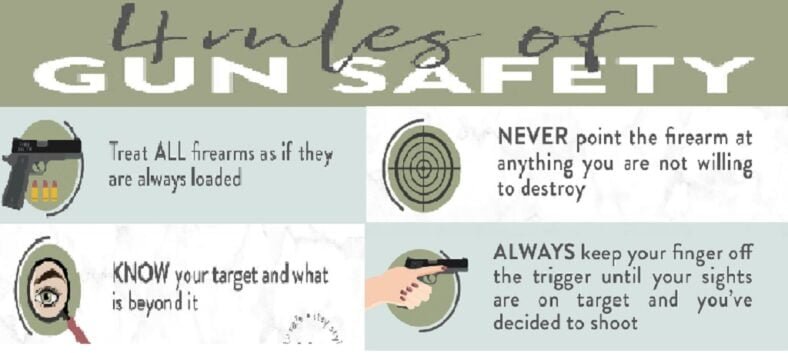
Rule 1: Always Keep the Gun Pointed in a Safe Direction

The first rule of gun safety is to always keep the gun pointed in a safe direction. This means that you should never point a gun at anything that you do not intend to shoot, even if the gun is unloaded. If you follow this rule, you will reduce the risk of injury or death if an accidental discharge occurs.

Rule 2: Treat Every Gun as If It Is Loaded

The second rule of gun safety is to treat every gun as if it is loaded. Even if you know for a fact that the gun is unloaded, treat it as if it were loaded. This means that you should always keep your finger off the trigger until you are ready to shoot and never rely on a safety to prevent the gun from firing.

Rule 3: Keep Your Finger Off the Trigger Until You Are Ready to Shoot

The third rule of gun safety is to keep your finger off the trigger until you are ready to shoot. This means that you should not touch the trigger until you are aiming at your target and ready to fire. Keeping your finger off the trigger until you are ready to shoot is essential to prevent accidental discharge.

Rule 4: Know Your Target and What is Beyond

The fourth rule of gun safety is to know your target and what is beyond. This means that you should be aware of your surroundings and what is beyond your target. You should always be sure of what is behind your target in case you miss, and the bullet goes through the target.

Additional Gun Safety Tips

Always Wear Ear and Eye Protection

When shooting a gun, it’s crucial to wear ear and eye protection to prevent damage to your eyes and ears. You can find a variety of ear and eye protection gear on the market, including earmuffs, earplugs, and safety glasses.

Keep Guns Locked Up and Out of Reach of Children

Guns should always be stored in a safe or locked cabinet, out of reach of children. Keeping guns out of reach of children is essential to prevent accidental shootings.

Do Not Mix Alcohol or Drugs with Gun Handling

Alcohol and drugs impair judgment and coordination, and they can have deadly consequences when combined with gun handling. If you’re planning to handle a gun, avoid alcohol and drugs altogether.

Seek Professional Training

It’s essential to seek professional training if you’re a beginner or an inexperienced gun owner. A professional trainer can teach you the proper gun handling techniques and provide you with practical knowledge of gun safety.

Conclusion

Following the basic gun safety rules is crucial for preventing accidents and ensuring that you and those around you stay safe. Always keep the muzzle pointed in a safe direction, keep your finger off the trigger until you are ready to shoot, keep the gun unloaded when not in use, and know your target and what is beyond it. By practicing these rules consistently and emphasizing their importance to others, you can enjoy the sport of shooting while prioritizing safety above all else. Remember, there is no such thing as being too safe when it comes to handling firearms.

Advantages of Using a Bipod for Shooting Accuracy

A bipod can improve shooting accuracy by giving the rifle a steadier front support, but it does not replace safe handling, good position, trigger control, or verified zero. The main advantages are stability, repeatable rifle height, reduced fatigue, and better control from prone or supported positions.

This guide explains when a bipod helps, when it can hurt, and how to use one safely. Always follow range rules, your firearm manual, and the NSSF firearm safety rules before any live-fire practice.

Table of Contents
  1. Quick Bipod Checklist
  2. Better Stability
  3. Repeatable Shooting Position
  4. Recoil Management
  5. Field Use
  6. When a Bipod Can Hurt Accuracy
  7. Common Mistakes
  8. Related Guides
  9. FAQ
  10. Final Recommendation

Quick Bipod Checklist

CheckWhat to confirmWhy it matters
AttachmentBipod fits the rifle’s sling stud, rail, or mount correctlyA loose bipod can shift point of impact.
HeightLeg height matches your prone, bench, or field positionWrong height creates strain and poor alignment.
SurfaceFeet grip the ground or bench consistentlySliding or bouncing hurts repeatability.
LoadUse consistent forward pressure when appropriateInconsistent pressure changes recoil behavior.
Rear supportUse a stable rear bag or hand positionA bipod supports the front, not the whole rifle.
Zero checkConfirm zero from the position you will useBench zero and bipod/prone zero may not feel identical.
SafetyKeep muzzle direction and backstop clearStability does not replace safe shooting decisions.

Better Stability

The biggest advantage of a bipod is front-end stability. It reduces wobble compared with unsupported shooting and gives the rifle a consistent point of contact with the ground, bench, or shooting mat. That can make it easier to see the target, hold the reticle steady, and call shots.

A bipod helps most when the shooter also has a stable rear support. A rear bag, consistent shoulder pressure, and relaxed body position all matter. If the rear of the rifle is floating or the shooter is muscling the stock, the bipod alone will not fix accuracy.

Repeatable Shooting Position

A bipod can make position setup more repeatable. The rifle sits at a predictable height, the support point is consistent, and the shooter can build a natural point of aim more easily. This is useful for zeroing, group testing, prone practice, and some hunting setups.

For formal marksmanship development and competitive shooting pathways, USA Shooting is a useful authority source. Practical accuracy still comes from verified practice, not from the accessory alone.

Recoil Management

A good bipod setup can help the rifle track more predictably under recoil. Many shooters apply gentle forward pressure into the bipod so the rifle loads consistently before the shot. The key word is consistently. Changing pressure from shot to shot can change how the rifle moves.

Ammunition and firearm standards are separate from bipod technique, but SAAMI is a useful reference for ammunition terminology and standards. At the range, your own group data is what proves whether a bipod setup is helping.

Field Use

In hunting or field shooting, a bipod can help when the ground allows a stable prone or seated position. It may be less useful in tall grass, steep terrain, brush, or situations where quick movement is needed. Adjustable legs, swivel/cant features, and durable feet can matter more in the field than on a flat bench.

Do not let a bipod tempt you into shots you cannot identify, backstop, or hold ethically. A steadier rifle is still only one part of a safe shot.

When a Bipod Can Hurt Accuracy

A bipod can hurt accuracy if it is loose, mounted poorly, too tall, too short, or used with inconsistent pressure. Hard benches can cause some bipods to hop. Soft ground can make legs sink. Uneven terrain can cant the rifle unless the bipod or shooter position compensates.

Test the rifle from the positions you actually use. If groups open up with the bipod, compare setup, rear support, pressure, and surface before blaming the rifle or ammunition.

Common Bipod Mistakes

  • Using a bipod without stable rear support.
  • Mounting the bipod loosely or on the wrong adapter.
  • Changing forward pressure from shot to shot.
  • Using the wrong leg height for the position.
  • Forgetting to confirm zero from the bipod position.

FAQ

Does a bipod make a rifle more accurate?

A bipod can make the shooter and rifle system steadier, which may improve practical accuracy. It does not change the rifle’s mechanical accuracy by itself.

Should I zero a rifle from a bipod?

If you plan to shoot from a bipod, confirm zero from that position. Changes in support and recoil behavior can affect how the setup feels and groups.

What bipod height is best?

The best height depends on position and terrain. Low bipods can work well for prone shooting on flat ground, while taller legs may help in grass, uneven ground, or seated positions.

Do I still need a rear bag with a bipod?

For precision work, rear support is very helpful. A bipod stabilizes the front of the rifle, but the rear of the stock still needs consistent support.

Final Recommendation

A bipod is useful when it supports a stable, repeatable, safe shooting position. Choose the right height, mount it securely, use consistent pressure, confirm zero from that position, and remember that the bipod supports fundamentals rather than replacing them.

Gun Safety Course Benefits: Why Formal Training Matters

A gun safety course teaches the fundamentals of safe handling, secure storage, and responsible firearm ownership in a structured, supervised setting. The main benefit is simple: it helps you build correct habits from the start, under the eye of a qualified instructor, rather than learning by trial and error. This guide explains what these courses cover and why formal training is worth it for new and experienced owners alike.

Table of contents

Why Take a Gun Safety Course

A gun safety course gives you correct fundamentals in a controlled environment. Reading about safety is useful, but a course lets you practice safe handling with immediate feedback, which is how good habits actually form. The core rules taught by groups like the National Shooting Sports Foundation become easier to remember through guided repetition.

Formal training also builds confidence. When you understand how a firearm works, how to keep it pointed in a safe direction, and how to store it responsibly, you handle it more calmly and make fewer mistakes. That benefit applies whether you hunt, shoot at a range, or simply want safer household habits around firearms.

What a Course Covers

Most introductory gun safety courses cover the same essential ground, taught in a logical order so the fundamentals build on one another.

  • The core firearm safety rules and the mindset behind them
  • How common firearm types work and their basic parts
  • Safe loading, unloading, and clearing concepts
  • Proper grip, stance, and muzzle awareness
  • Safe transport and secure storage
  • Range etiquette and the use of eye and ear protection
  • Basic maintenance and the value of reading the owner’s manual

The specific content varies by course and instructor, but the throughline should be consistent: handle firearms safely, store them responsibly, and know your equipment before trying to move faster or learn advanced skills.

Hunter Education Courses

Hunter education is a specialized form of safety training focused on responsible, lawful hunting. Many states require a hunter education certificate before issuing a hunting license, and the course may cover firearm safety, wildlife conservation, ethics, outdoor safety, and regulations.

Resources such as Hunter-Ed and the International Hunter Education Association explain how these programs work and help students find recognized courses. Because requirements differ by state and can change, confirm the exact requirement with your state wildlife agency before relying on a course for licensing.

Secure Storage and the Home

Secure storage is one of the most valuable lessons a safety course reinforces, especially in homes with children, visitors, or anyone who should not have access. Storing firearms locked and preventing unauthorized access is a widely recommended practice for responsible ownership.

Programs like Project ChildSafe focus specifically on responsible storage and provide practical resources for owners. A good safety course connects storage habits to everyday life so they become routine rather than an afterthought.

Who Should Take One

A gun safety course benefits more people than just first-time owners. New owners get a foundation, while experienced shooters often use courses to refresh habits, correct drift, or learn a new discipline safely.

New firearm owners

For someone handling a firearm for the first time, a course is the safest possible starting point. It replaces guesswork with guided, supervised practice and builds correct habits before bad ones can take hold.

Experienced owners and families

Experienced owners benefit from refreshers and from courses tailored to a new activity, such as moving from range shooting to hunting. Families also gain from learning consistent safety and storage rules that everyone in the household understands.

Finding a Certified Course

Look for courses taught by qualified instructors through recognized organizations, ranges, clubs, or your state wildlife agency. A credible course should clearly explain instructor qualifications, whether live fire is included, what gear is required, and what skill level the class is designed for.

  • Avoid courses that skip basic rules and jump straight to speed or advanced drills.
  • Ask whether eye and ear protection requirements are covered before range time.
  • Confirm whether the course meets any legal or licensing requirement you need.
  • Choose beginner-level classes if you are new, even if you feel comfortable around gear.

What to Do After the Course

A course is a starting point, not the finish line. After training, keep practicing slowly, review range rules before each session, and ask qualified help when something feels unfamiliar. Useful next steps include reviewing our shooting range safety rules, learning why eye and ear protection matters, and checking your gun storage safety habits.

Keep notes from the class and save any handouts or certificate information. If you later buy a different firearm type, switch shooting disciplines, or start hunting, take another course that matches the new activity.

Frequently Asked Questions

Do beginners need a gun safety course?

A beginner course is strongly recommended because it gives new shooters supervised instruction and a safer foundation. Whether a course is legally required depends on your location and purpose, so check current official rules.

Is a course worth it for experienced shooters?

Yes. Many experienced owners use courses to refresh habits, learn a new discipline safely, or bring family members into the same safety system. A periodic refresher can catch habits that have drifted over time.

What is the single most important thing a course teaches?

The core safety rules and a safety-first mindset are the foundation everything else builds on. Secure storage is a close companion lesson, especially in homes with children or visitors.

Can children take a gun safety course?

Some programs include youth education on safety awareness and what to do if a child finds a firearm, often emphasizing not touching it and telling an adult. Any youth firearm handling should be supervised and follow program and state guidelines.

Final Takeaway

A credible gun safety course is one of the most practical steps any firearm owner can take. It builds correct handling habits, reinforces secure storage, and supports responsible range or hunting activity. New owners gain a safe foundation and experienced owners gain a useful refresher. Treat safety training as an ongoing practice, not a one-time box to check.

Trigger Control for Shooting Accuracy: Safe Practice Guide

Trigger control matters because the rifle or handgun can be aimed correctly and still miss if the shooter moves the firearm while pressing the trigger. Good trigger control means pressing the trigger smoothly to the rear while keeping the sights stable, the grip consistent, and the shot process safe.

This guide focuses on safe practice habits and shooting fundamentals. Always follow your firearm manual, use an appropriate range, and keep the basic safety rules first. The NSSF firearm safety rules are a useful baseline before any dry-fire or live-fire practice.

Table of Contents
  1. Quick Trigger Control Checklist
  2. What Trigger Control Means
  3. Why It Affects Accuracy
  4. Safe Dry Practice
  5. Live-Fire Practice
  6. Common Mistakes
  7. When To Get Coaching
  8. Related Guides
  9. FAQ
  10. Final Recommendation

Quick Trigger Control Checklist

CheckWhat to doWhy it helps
Safety firstConfirm the firearm is unloaded for dry practice and use a safe direction/backstopSkill work never comes before safe handling.
GripUse a repeatable grip without crushing or changing pressure mid-shotChanging grip pressure moves the sights.
Sight focusWatch the sight picture through the pressYou can see movement as the trigger breaks.
Trigger pressPress smoothly straight to the rearSide pressure pushes the muzzle off target.
Follow-throughKeep aiming after the shot breaksPrevents dipping or relaxing early.
PacePractice slowly before adding speedClean movement matters before faster movement.
FeedbackUse groups, a coach, or video to diagnose movementGuessing at mistakes slows progress.

What Trigger Control Means

Trigger control is the way you move the trigger without disturbing the firearm. It includes finger placement, direction of pressure, grip consistency, breathing rhythm, sight awareness, and follow-through. The goal is not to make the trigger feel magical; the goal is to avoid adding movement at the exact moment the shot breaks.

Different firearms feel different. A hunting rifle, striker-fired pistol, revolver, and target rifle may all have different trigger weight, travel, reset, and break feel. The principle stays the same: press the trigger in a controlled way while maintaining the sight picture and safe muzzle direction.

Why Trigger Control Affects Accuracy

The muzzle only has to move a small amount to change point of impact. A jerky press, tightened fingers, flinch, or early anticipation can pull the shot away from where the sights were aimed. This is why a shooter may have a good optic, good ammunition, and a stable rest but still see inconsistent groups.

Trigger control also interacts with other fundamentals. Poor stance, weak support, uncomfortable recoil, and bad sight alignment can all make the trigger press worse. For newer shooters, accuracy improves faster when the whole shot process is practiced calmly instead of chasing one magic trick.

Safe Dry Practice for Trigger Control

Dry practice can help because it lets you watch the sights without recoil or noise. Only do it after unloading the firearm, checking the chamber, removing ammunition from the practice area, and choosing a safe direction. If your firearm requires snap caps or has manufacturer restrictions, follow the manual.

During dry practice, press the trigger slowly while watching the front sight, dot, or reticle. The sight should stay steady before, during, and after the trigger break. If it dips, jumps, or moves sideways, slow down and focus on a smoother press and more consistent grip.

For household safety and secure storage habits, Project ChildSafe is a good resource to keep close. Practice routines should never leave firearms or ammunition unsecured.

Live-Fire Practice at the Range

At the range, use slow groups to confirm whether your dry-practice feel carries into live fire. Start close enough that you can clearly see group movement and do not rush cadence. A clean five-shot group teaches more than a fast string where you cannot tell what changed.

Watch for patterns. Low-left impacts for a right-handed pistol shooter, wide horizontal groups, or shots that appear just as recoil anticipation builds can all point to trigger and grip problems. These patterns are clues, not proof, so use them with coaching or careful self-review.

If you want to understand formal shooting-sport fundamentals and training pathways, USA Shooting is a useful authority source for the competitive side of marksmanship.

Common Trigger Control Mistakes

  • Slapping the trigger instead of pressing it smoothly.
  • Changing grip pressure as the shot breaks.
  • Looking over the sights to see the hit too early.
  • Holding your breath so long that tension builds.
  • Practicing too fast before the fundamentals are stable.
  • Ignoring recoil anticipation or flinch.

When To Get Coaching

Get coaching if your groups do not improve, recoil makes you tense, you are new to a firearm type, or you are practicing defensive, hunting, or competition skills. A qualified instructor can spot movement that is hard to feel in the moment.

Coaching is also useful when changing platforms. A shooter moving from a rifle to a pistol, from iron sights to a red dot, or from bench shooting to field positions may need different feedback even if the trigger-control principle is familiar.

FAQ

What is trigger control in shooting?

Trigger control is pressing the trigger without moving the sights off target. It depends on smooth pressure, consistent grip, sight awareness, and follow-through.

Does dry firing help trigger control?

Dry practice can help if it is done safely and your firearm manual allows it. Always unload, remove ammunition from the area, and use a safe direction before dry practice.

Why do I pull shots when I press the trigger?

Common causes include jerking the trigger, tightening the whole hand, anticipating recoil, or changing grip pressure. Slow practice and coaching can help identify the exact cause.

Should trigger control be different for rifles and handguns?

The basic idea is the same, but the feel is different. Handguns usually reveal trigger movement more clearly because they are lighter and have a shorter sight radius. Rifles may hide some errors from a stable rest but still punish poor follow-through.

Final Recommendation

Trigger control is not a shortcut; it is one part of a repeatable, safe shot process. Practice slowly, keep the firearm safe, watch the sights through the trigger press, and verify progress at the range. If accuracy problems continue, get trained eyes on your grip, stance, and follow-through.

Essential Shooting Gear Checklist for Safe Range Trips

Essential shooting gear starts with safety gear, not accessories. For most range trips, the core kit is eye protection, ear protection, correct ammunition, safe firearm transport, approved targets, a basic tool/cleaning kit, and a simple plan for what you want to practice.

This guide is a practical checklist for responsible range users and new shooters. Always follow your firearm manual, local law, and range rules. The NSSF firearm safety rules should come before any gear recommendation.

Table of Contents
  1. Quick Essential Gear Checklist
  2. Eye and Ear Protection
  3. Safe Transport Gear
  4. Ammunition and Targets
  5. Range Bag Organization
  6. Maintenance and Tools
  7. What Beginners Can Skip
  8. Related Guides
  9. FAQ
  10. Final Recommendation

Quick Essential Gear Checklist

GearWhat to look forWhy it matters
Eye protectionImpact-rated wraparound shooting glassesProtects against debris, brass, target fragments, and weather.
Ear protectionFoam plugs, earmuffs, or doubled-up protection when neededGunfire can damage hearing quickly.
Range bagSeparate pockets for safety gear, ammo, tools, and paperworkOrganization reduces mistakes and wasted time.
Correct ammunitionExact caliber/gauge confirmed against the firearmWrong ammunition is a serious safety risk.
Targets and toolsApproved targets, tape/stapler, marker, and pastersMissing small items can end practice early.
Cleaning/maintenance kitBasic bore care, lubricant, cloth, and small toolsKeeps equipment functional and catches issues.
First-aid basicsSmall kit plus any personal medicationsRange days should be planned like outdoor activities.
Notebook or appRecord firearm, ammo, distance, zero, and resultsNotes make practice measurable.

Eye and Ear Protection Come First

Eye protection should fit securely and provide side coverage. Clear lenses are useful indoors or in low light, while tinted lenses can help outdoors. The best pair is the one you will actually wear for the full session.

Ear protection is equally important. Many shooters use earmuffs, foam plugs, or both together, especially indoors or around rifles and muzzle brakes. The CDC/NIOSH noise resource is a helpful authority reference for understanding why loud sound exposure matters.

Safe Transport Gear

A case, lock, chamber flag, and clear storage plan help keep the trip organized and safe. Transport rules vary by location, so check your local requirements. As a baseline habit, firearms should be unloaded before transport and handled only in safe, approved areas.

Secure storage matters before and after the range day. Project ChildSafe is a useful resource for responsible firearm storage and safety education.

Ammunition and Targets

Bring only ammunition that matches the firearm exactly. Similar-looking cartridges can still be unsafe or wrong. Keep ammunition in labeled boxes or containers and avoid mixing calibers in loose bags.

Targets should match range rules. Some ranges allow only paper; others allow steel at specific distances. Bring target stands, staplers, tape, markers, and pasters only if they are permitted by the facility.

Range Bag Organization

A good range bag does not need to be expensive, but it should separate safety gear, ammunition, tools, documents, and small accessories. Keep eye and ear protection in an easy-to-reach pocket so they go on before the session starts.

Useful extras include a marker, small flashlight, multitool, cleaning cloth, batteries for optics or electronic earmuffs, a small towel, water, and weather-appropriate clothing. Avoid turning the bag into a heavy junk drawer; pack for the actual session.

Maintenance and Tools

Bring basic tools only if you know how to use them safely. A small screwdriver set, optic battery, lubricant, bore snake or cleaning rod, and cloth can solve minor issues. Do not perform unfamiliar repairs at the firing line.

After the trip, inspect the firearm, optics, magazines, and range gear. Record any failures, zero changes, ammunition notes, or gear problems before you forget them.

What Beginners Can Skip

New shooters do not need every accessory at once. Skip complicated timers, specialty rests, advanced holsters, and extra optics until the safety fundamentals, basic marksmanship, and range habits are solid. Spend first on protection, training, correct ammunition, and reliable storage.

When in doubt, ask the range before buying gear. Range rules can make some accessories unnecessary or unusable. A simple, compliant kit is better than a crowded bag full of items you cannot use.

FAQ

What shooting gear should beginners buy first?

Beginners should start with eye protection, ear protection, correct ammunition, safe transport/storage gear, approved targets, and basic cleaning supplies. Training and safe habits matter more than extra accessories.

Do I need both earplugs and earmuffs?

Many shooters double up indoors, around rifles, or near muzzle brakes. The right choice depends on the environment, firearm, and comfort, but hearing protection should always be used around gunfire.

What should stay in a range bag?

Keep eye and ear protection, target tools, a marker, small maintenance items, optic batteries, a first-aid kit, and range documents in the bag. Store ammunition and firearms according to law and range rules.

Is expensive shooting gear necessary?

No. Reliable safety gear and correct ammunition matter more than expensive accessories. Upgrade only when you know what problem the new gear solves.

Final Recommendation

Build your shooting gear kit around safety, organization, and the actual purpose of the range trip. Eye protection, ear protection, correct ammunition, safe transport, and a simple practice plan will do more for most shooters than a bag full of unnecessary accessories.

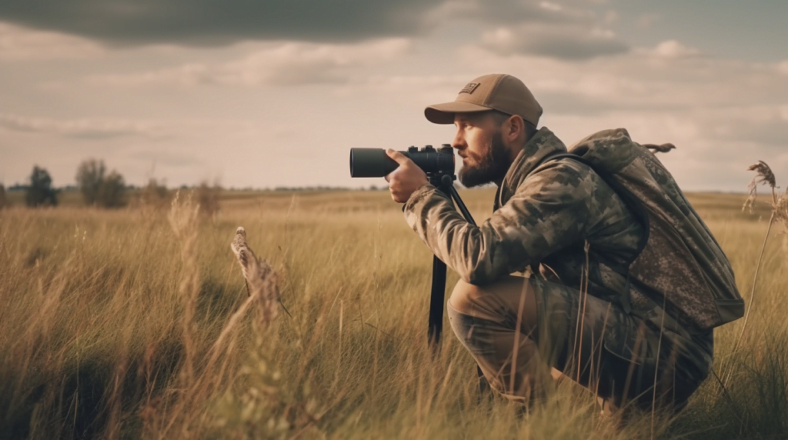
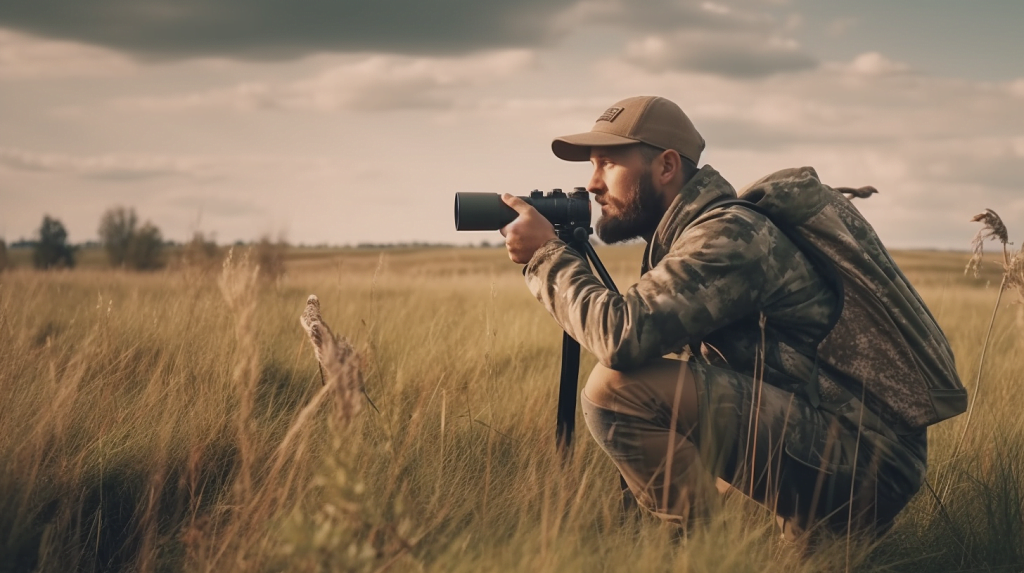
The Benefits of Using a Spotting Scope for Hunting: A Comprehensive Guide

Hunting is an activity that requires patience, skill, and the right equipment to ensure a successful and enjoyable experience. One crucial piece of gear that can significantly enhance your hunting experience is a spotting scope. In this article, we will delve into the benefits of using a spotting scope for hunting and how it can improve your chances of success. Let’s get started!

Table of contents

What is a Spotting Scope?

A spotting scope is a compact, high-powered telescope specifically designed for terrestrial observation. It offers magnification levels higher than binoculars and is ideal for spotting and tracking game from a distance. Spotting scopes typically come with features such as adjustable zoom, interchangeable eyepieces, and a tripod mount for stability.

Benefits of Using a Spotting Scope for Hunting

Improved Observation and Game Identification

One of the primary benefits of using a spotting scope for hunting is the enhanced observation it provides. With its powerful magnification capabilities, a spotting scope allows you to spot game from a distance, making it easier to identify and track your target without disturbing its natural behavior.

Minimizing Disturbance to Wildlife

By observing game from a distance, you can minimize your impact on the environment and avoid disturbing the animals. This is particularly beneficial in hunting situations where stealth and patience are critical for success.

Increased Range Estimation Accuracy

A spotting scope can also help you accurately estimate the distance between you and your target, which is crucial for making a precise shot. Some spotting scopes even come with built-in rangefinders to further assist with distance estimation.

Enhanced Shot Placement

With the detailed view provided by a spotting scope, you can better assess your target’s anatomy and plan your shot accordingly. This can significantly increase the chances of making an ethical and clean shot, reducing the likelihood of wounding or losing the animal.

Choosing the Right Spotting Scope for Your Needs

Magnification and Objective Lens Size

When selecting a spotting scope, consider the magnification range and objective lens size that best suit your hunting needs. Higher magnification and larger objective lenses provide better image quality, but may also result in a heavier and bulkier scope.

Eyepieces and Focusing Mechanisms

Choose a spotting scope with comfortable eyepieces and a smooth, precise focusing mechanism to ensure ease of use during long observation sessions.

Weather Resistance and Durability

Ensure that your spotting scope is built to withstand the elements and rugged outdoor conditions typical of hunting environments.

Portability and Versatility

Lightweight and Compact Design for Easy Transport

Spotting scopes are designed to be lightweight and portable, allowing for easy transport during outdoor activities. They are considerably lighter and more compact than telescopes, making them convenient to carry in a backpack or attach to a tripod without adding excessive weight.

Tripod Compatibility for Stable Observation

Spotting scopes are often used in conjunction with tripods, providing stability and reducing image shake. The ability to mount the spotting scope on a tripod allows for extended periods of comfortable observation without the fatigue associated with handheld use.

Adaptable to Various Outdoor Environments

Spotting scopes are built to withstand various outdoor conditions. They are often nitrogen or argon purged, making them fog-proof and waterproof. This durability and resistance to the elements ensure that spotting scopes perform optimally in challenging environments, such as rain, fog, or extreme temperatures.

Spotting Scopes for Astronomy and Celestial Observation

Exploring the Vastness of the Night Sky

Spotting scopes can also be used for amateur astronomy and celestial observation. While not specifically designed for this purpose, their high magnification and image clarity allow for observing the moon, planets, star clusters, and other celestial objects.

Observing Celestial Objects with Detail and Clarity

With the right adapters and filters, spotting scopes can enhance your astronomical viewing experience. They enable you to observe celestial objects with more detail and clarity compared to the naked eye, making them suitable for casual stargazing or amateur astronomers.

Ideal for Amateur Astronomers and Stargazers

For individuals interested in astronomy as a hobby or for casual stargazers, a spotting scope can be a practical and affordable alternative to telescopes. Their versatility allows for dual usage in both terrestrial and celestial observations.

Spotting Scopes for Outdoor Activities and Events

Sporting Events and Stadium Observation

Spotting scopes provide an excellent viewing experience for outdoor sports enthusiasts. They allow spectators to view sporting events or activities in great detail, even from a considerable distance. Spotting scopes are particularly beneficial in large stadiums or open spaces where getting close to the action may not be feasible.

Scenic Landscape Viewing and Photography

Landscape enthusiasts and photographers can benefit from the wide fields of view and magnification power of spotting scopes. They allow for breathtaking views of expansive landscapes, mountains, and seascapes. Spotting scopes enable photographers to capture intricate details and create stunning landscape photographs.

Enhancing Outdoor Experiences and Adventures

Whether you’re camping, hiking, or engaging in any outdoor adventure, a spotting scope can enhance your overall experience. It allows you to observe wildlife, take in panoramic views, and explore the natural world with a level of detail and engagement that would otherwise be missed.

Spotting Scopes for Outdoor Activities and Events

Sporting Events and Stadium Observation

Spotting scopes provide an excellent viewing experience for outdoor sports enthusiasts. They allow spectators to view sporting events or activities in great detail, even from a considerable distance. Spotting scopes are particularly beneficial in large stadiums or open spaces where getting close to the action may not be feasible.

Scenic Landscape Viewing and Photography

Landscape enthusiasts and photographers can benefit from the wide fields of view and magnification power of spotting scopes. They allow for breathtaking views of expansive landscapes, mountains, and seascapes. Spotting scopes enable photographers to capture intricate details and create stunning landscape photographs.

Enhancing Outdoor Experiences and Adventures

Whether you’re camping, hiking, or engaging in any outdoor adventure, a spotting scope can enhance your overall experience. It allows you to observe wildlife, take in panoramic views, and explore the natural world with a level of detail and engagement that would otherwise be missed.

Frequently Asked Questions (FAQs)

Q1: Can a spotting scope be used for hunting?

A1: Absolutely! Spotting scopes are valuable tools for hunters. They assist in spotting game, evaluating shot placement, and tracking hits. Spotting scopes provide hunters with the ability to observe and assess animals from a distance without alerting them to their presence.

Q2: How does a spotting scope differ from a binocular?

A2: Spotting scopes and binoculars serve similar purposes but have distinct differences. Spotting scopes offer higher magnification, longer range, and the ability to attach a camera for photography. Binoculars are more compact, lightweight, and suitable for general observations at closer distances.

Q3: What should I consider when purchasing a spotting scope?

A3: When purchasing a spotting scope, consider factors such as magnification power, lens diameter, image quality, durability, and your intended use. Also, pay attention to the tripod compatibility and accessories available, such as camera adapters or protective cases.

Conclusion

Spotting scopes offer powerful magnification and versatility, benefiting outdoor enthusiasts, wildlife observers, and shooters. With extended range and enhanced clarity, they excel in wildlife observation, target shooting, and birdwatching. Whether you’re exploring nature, capturing images, or evaluating distant targets, a spotting scope elevates your outdoor experience and abilities.

The Importance of Proper Gun Cleaning Solvents and Oils

Table of contents

Introduction

A clean and well-maintained firearm is essential for optimal performance, accuracy, and safety. One of the key aspects of maintaining your firearm is using the right cleaning solvents and oils. This article will discuss the importance of proper gun cleaning solvents and oils, as well as provide guidance on how to choose and use them effectively. Let’s get started!

Understanding Gun Cleaning Solvents and Oils

Cleaning Solvents

Cleaning solvents are specifically designed to eliminate dirt, grime, and powder residue from your gun’s barrel and other components. These solvents effectively dissolve and remove contaminants, enhancing the efficiency of your gun cleaning. Various types of cleaning solvents are available, such as water-based, petroleum-based, and synthetic solvents, each offering unique benefits and drawbacks.

Gun Oils

Gun oils, also called firearm lubricants, are essential for reducing friction between moving parts and protecting against rust and corrosion. Using the right oil ensures your gun functions smoothly, accurately, and safely. There are various types of gun oils, such as petroleum-based, synthetic, and bio-based oils, each with different properties to suit various firearms and uses.

Choosing the Right Cleaning Solvents and Oils

Consider Your Firearm Type

When choosing cleaning solvents and oils, it’s important to take into account the type of firearm you have. Certain firearms may necessitate particular solvents or lubricants depending on their design, materials, or manufacturer’s recommendations. Therefore, it is crucial to consult your firearm’s manual for guidance on the suitable cleaning and maintenance products.

Evaluate the Product Properties

Different solvents and oils have distinct cleaning and lubricating properties. For instance, some solvents are good at removing copper buildup, while others are effective against powder residue. Likewise, certain oils provide excellent protection against corrosion and can handle high temperatures. When choosing solvents and oils, consider your specific cleaning and lubrication needs.

Consider Environmental and Health Factors

Some gun cleaning solvents and oils may contain harsh chemicals or produce strong odors that can be harmful to your health or the environment. Opt for products with low toxicity, low odor, and eco-friendly properties whenever possible.

Proper Use of Gun Cleaning Solvents and Oils

Follow Manufacturer’s Instructions

Always follow the instructions provided by the cleaning solvent and oil manufacturers, as well as your firearm’s manual, to ensure proper cleaning and maintenance. Using too much or too little solvent or oil can lead to poor cleaning results or even damage your firearm.

Use Appropriate Cleaning Tools

Ensure you have the right tools for cleaning and lubricating your firearm, such as cleaning rods, brushes, patches, and jags. Using the correct tools will help you apply solvents and oils effectively and prevent damage to your gun’s components.

Establish a Cleaning Routine

Regularly clean and lubricate your firearm based on your usage and the manufacturer’s recommendations. Consistent cleaning and maintenance will help prolong your gun’s lifespan, improve its performance, and ensure its safety.

Conclusion

Using the right solvents and oils is crucial for keeping your firearm in top shape. It ensures performance, accuracy, and safety. By selecting the appropriate products, understanding their uses, and using them correctly, you can maintain your gun’s reliability and safety. Remember, a clean and well-maintained firearm is a reliable and safe one!

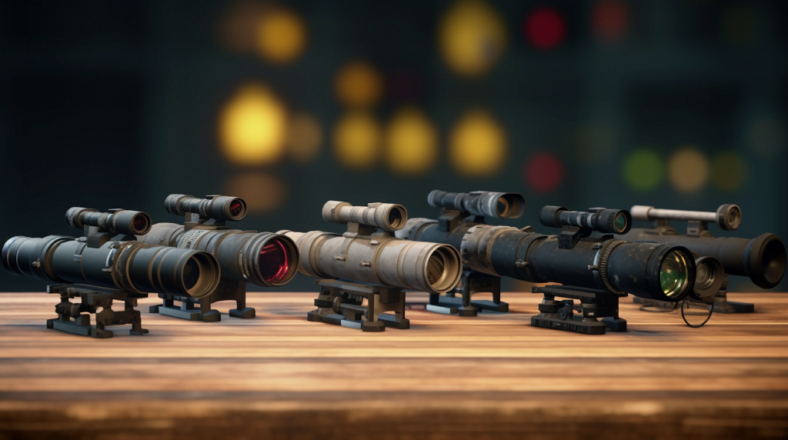
How to choose the perfect rifle scope for your rifle

Table of contents

The Role of a Rifle Scope

A perfect rifle scope is an essential piece of equipment that can significantly improve your shooting accuracy and overall experience. Whether you’re a hunter, target shooter, or a long-range shooting enthusiast, choosing the right scope for your rifle is crucial. In this article, we’ll discuss the factors you should consider when selecting a scope and offer tips for finding the perfect match for your needs.

Factors to Consider When Choosing a Rifle Scope

Magnification

The magnification of a scope is one of the most important factors to consider. Magnification determines the power of the scope and how much it can enlarge the image of your target. Low magnification scopes (e.g., 1-4x) are suitable for close-range shooting, while high magnification scopes (e.g., 6-24x) are ideal for long-range shooting. Determine your primary shooting distance and choose a scope with appropriate magnification.

Objective Lens Size

The size of the objective lens affects the amount of light that enters the scope, influencing image brightness and clarity. Larger objective lenses allow for more light transmission, resulting in brighter and clearer images. However, they also make the scope heavier and bulkier. Consider the balance between image quality and weight when choosing a scope with the right objective lens size.

Reticle Type

The reticle, or crosshair, is the aiming point within the scope. There are numerous reticle types available, including duplex, mildot, and BDC (bullet drop compensator). Each reticle type serves a specific purpose and caters to different shooting styles. Consider your shooting needs and preferences when selecting a reticle type.

Focal Plane

Rifle scopes can have either a first focal plane (FFP) or second focal plane (SFP) reticle. In FFP scopes, the reticle size changes with magnification, maintaining the same relationship to the target. In SFP scopes, the reticle size remains constant, regardless of magnification. FFP scopes are generally better for long-range shooting, while SFP scopes are more suitable for close to medium-range shooting.

Turret Adjustments

Turret adjustments allow you to zero your scope and make windage and elevation adjustments for accurate shooting. Choose a scope with reliable, precise, and easy-to-use turrets. Look for features like locking or zero-reset turrets, which can make it easier to make adjustments in the field.

Durability and Quality

A good rifle scope should be durable and able to withstand harsh conditions. Look for scopes that are waterproof, fog-proof, and shockproof to ensure reliable performance in various environments. Additionally, consider the overall build quality, materials, and lens coatings, as these factors can influence the scope’s performance and longevity.

Trying Out Different Scopes

Test Before You Buy

Before committing to a rifle scope, it’s a good idea to test out different models to find the one that suits your needs best. Visit local shooting ranges or stores that allow you to try out various scopes to get a feel for their performance and handling. This hands-on experience will help you make a more informed decision when purchasing a scope.

Conclusion

Choosing the right scope for your rifle is essential for optimizing your shooting experience and accuracy. By considering the factors discussed in this article, such as magnification, objective lens size, reticle type, focal plane, turret adjustments, and durability, you’ll be better equipped to select the perfect rifle scope for your needs. Don’t forget to test out different models before making a decision, as hands-on experience can provide valuable insights into what works best for you. Happy shooting!

How To Adjust Scope Parallax for Better Accuracy

Scope parallax adjustment helps reduce aiming error when your eye is not perfectly centered behind the scope. If your scope has a side-focus or adjustable-objective control, the practical goal is to make the reticle stay still on the target when your eye moves slightly behind the eyepiece.

This guide explains parallax in practical shooter language. It is not a replacement for your optic manual, safe firearm handling, or live-fire confirmation. Start with the NSSF firearm safety rules before any scope setup or range work.

Table of Contents
  1. Quick Parallax Adjustment Checklist
  2. What Scope Parallax Is
  3. When Parallax Matters
  4. How To Adjust Parallax
  5. Common Mistakes
  6. Parallax and Zero
  7. Field Use
  8. Related Guides
  9. FAQ
  10. Final Recommendation

Quick Parallax Adjustment Checklist

StepWhat to doWhy it matters
Confirm safetyUnload during setup and follow range commands during live fireOptic adjustment never comes before firearm safety.
Set reticle focusAdjust the diopter so the reticle looks sharpA blurry reticle makes parallax harder to judge.
Set magnificationUse the magnification you plan to shoot or testParallax sensitivity can feel different at higher power.
Aim at targetUse a stable rest and a clear target at known distanceA stable rifle makes reticle movement easier to see.
Move eye slightlyShift your eye behind the scope without moving the rifleReticle movement on target shows parallax error.
Adjust side focus/AOTurn until the reticle appears stable on the targetThis reduces aiming error from imperfect eye position.
Confirm with shotsVerify groups at the rangeAdjustment is only useful if real shots confirm it.

What Scope Parallax Is

Parallax happens when the target image and reticle do not appear on the same optical plane. When that happens, the reticle can seem to shift on the target as your eye moves behind the scope, even if the rifle itself has not moved.

Parallax is not the same as focus, but the controls can feel related. Reticle focus is usually adjusted with the diopter near the eyepiece. Parallax or side-focus adjustment is usually on the side turret or objective bell when the scope includes that feature.

When Parallax Matters

Parallax matters more at longer distances, higher magnification, and smaller targets. It is less noticeable at short distances or low magnification, but it can still affect precision. Many hunting scopes are factory-set for a common distance and may not have a parallax control.

If your scope does not have a parallax adjustment, focus on consistent cheek weld, proper eye relief, and confirmed zero. Those fundamentals still matter even with an adjustable scope.

How To Adjust Scope Parallax

Set up on a stable rest with the firearm pointed safely at the target. Make sure the reticle is sharp first. Then aim at a clear target at the distance you plan to shoot. Without touching the rifle, move your eye slightly up, down, left, and right behind the scope.

If the reticle appears to move across the target, adjust the side-focus or adjustable objective control. The distance numbers on the knob are a starting point, not a guarantee. The practical test is whether the reticle stays still on the target as your eye moves slightly.

Common Parallax Mistakes

  • Using the side-focus knob only to make the target look sharp.
  • Skipping reticle focus before checking parallax.
  • Trusting the knob’s yardage number without verifying on target.
  • Trying to diagnose parallax while the rifle is wobbling.
  • Ignoring cheek weld and eye position.

Parallax and Zero

Parallax adjustment does not replace zeroing. You still need to confirm point of impact with live fire at the range. For ammunition terminology and standards, SAAMI is a useful authority reference, but your actual zero comes from your rifle, scope, ammunition, and shooting position.

When testing zero, use careful groups instead of single shots. If groups shift when your eye position changes, parallax or inconsistent cheek weld may be part of the issue.

Field Use

In the field, you may not have time for perfect adjustment. Set the scope for a practical distance range, keep magnification reasonable, and build a repeatable cheek weld. For formal marksmanship pathways and training culture, USA Shooting is a useful resource.

For hunting, the ethical choice is always to pass on shots where distance, target ID, backstop, or stability are uncertain. Parallax adjustment helps precision, but it cannot fix unsafe conditions.

FAQ

What does scope parallax look like?

It looks like the reticle moving across the target when your eye shifts behind the scope, even though the rifle is still.

Is parallax the same as focus?

No. Focus makes the reticle or target look sharp. Parallax adjustment helps align the reticle and target image so the reticle does not appear to shift with eye movement.

Do all rifle scopes have parallax adjustment?

No. Many hunting scopes are factory-set and do not include a side-focus or adjustable objective control. In that case, consistent eye position is especially important.

Can parallax cause missed shots?

Yes, especially at longer distances, high magnification, or on small targets. It is one possible source of error along with wind, zero, ammunition, trigger control, and shooting position.

Final Recommendation

Adjust parallax by watching reticle movement, not just by reading the yardage number on the knob. Set reticle focus first, use a stable position, verify with live-fire groups, and keep your safety and shot conditions ahead of any optic setting.

Exit mobile version