


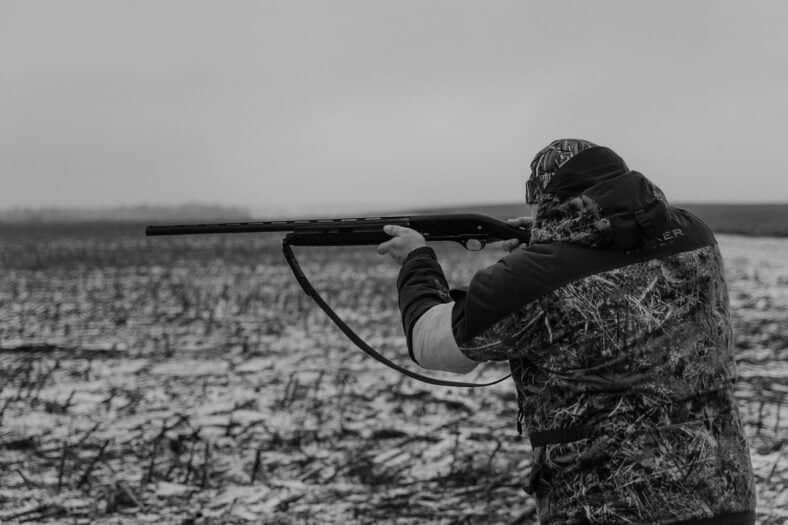
Trigger control matters because the rifle or handgun can be aimed correctly and still miss if the shooter moves the firearm while pressing the trigger. Good trigger control means pressing the trigger smoothly to the rear while keeping the sights stable, the grip consistent, and the shot process safe.
This guide focuses on safe practice habits and shooting fundamentals. Always follow your firearm manual, use an appropriate range, and keep the basic safety rules first. The NSSF firearm safety rules are a useful baseline before any dry-fire or live-fire practice.
Table of Contents
Quick Trigger Control Checklist
| Check | What to do | Why it helps |
|---|---|---|
| Safety first | Confirm the firearm is unloaded for dry practice and use a safe direction/backstop | Skill work never comes before safe handling. |
| Grip | Use a repeatable grip without crushing or changing pressure mid-shot | Changing grip pressure moves the sights. |
| Sight focus | Watch the sight picture through the press | You can see movement as the trigger breaks. |
| Trigger press | Press smoothly straight to the rear | Side pressure pushes the muzzle off target. |
| Follow-through | Keep aiming after the shot breaks | Prevents dipping or relaxing early. |
| Pace | Practice slowly before adding speed | Clean movement matters before faster movement. |
| Feedback | Use groups, a coach, or video to diagnose movement | Guessing at mistakes slows progress. |
What Trigger Control Means
Trigger control is the way you move the trigger without disturbing the firearm. It includes finger placement, direction of pressure, grip consistency, breathing rhythm, sight awareness, and follow-through. The goal is not to make the trigger feel magical; the goal is to avoid adding movement at the exact moment the shot breaks.
Different firearms feel different. A hunting rifle, striker-fired pistol, revolver, and target rifle may all have different trigger weight, travel, reset, and break feel. The principle stays the same: press the trigger in a controlled way while maintaining the sight picture and safe muzzle direction.
Why Trigger Control Affects Accuracy
The muzzle only has to move a small amount to change point of impact. A jerky press, tightened fingers, flinch, or early anticipation can pull the shot away from where the sights were aimed. This is why a shooter may have a good optic, good ammunition, and a stable rest but still see inconsistent groups.
Trigger control also interacts with other fundamentals. Poor stance, weak support, uncomfortable recoil, and bad sight alignment can all make the trigger press worse. For newer shooters, accuracy improves faster when the whole shot process is practiced calmly instead of chasing one magic trick.
Safe Dry Practice for Trigger Control
Dry practice can help because it lets you watch the sights without recoil or noise. Only do it after unloading the firearm, checking the chamber, removing ammunition from the practice area, and choosing a safe direction. If your firearm requires snap caps or has manufacturer restrictions, follow the manual.
During dry practice, press the trigger slowly while watching the front sight, dot, or reticle. The sight should stay steady before, during, and after the trigger break. If it dips, jumps, or moves sideways, slow down and focus on a smoother press and more consistent grip.
For household safety and secure storage habits, Project ChildSafe is a good resource to keep close. Practice routines should never leave firearms or ammunition unsecured.
Live-Fire Practice at the Range
At the range, use slow groups to confirm whether your dry-practice feel carries into live fire. Start close enough that you can clearly see group movement and do not rush cadence. A clean five-shot group teaches more than a fast string where you cannot tell what changed.
Watch for patterns. Low-left impacts for a right-handed pistol shooter, wide horizontal groups, or shots that appear just as recoil anticipation builds can all point to trigger and grip problems. These patterns are clues, not proof, so use them with coaching or careful self-review.
If you want to understand formal shooting-sport fundamentals and training pathways, USA Shooting is a useful authority source for the competitive side of marksmanship.
Common Trigger Control Mistakes
- Slapping the trigger instead of pressing it smoothly.
- Changing grip pressure as the shot breaks.
- Looking over the sights to see the hit too early.
- Holding your breath so long that tension builds.
- Practicing too fast before the fundamentals are stable.
- Ignoring recoil anticipation or flinch.
When To Get Coaching
Get coaching if your groups do not improve, recoil makes you tense, you are new to a firearm type, or you are practicing defensive, hunting, or competition skills. A qualified instructor can spot movement that is hard to feel in the moment.
Coaching is also useful when changing platforms. A shooter moving from a rifle to a pistol, from iron sights to a red dot, or from bench shooting to field positions may need different feedback even if the trigger-control principle is familiar.
Related Guides
- How To Improve Shooting Accuracy
- Shooting Stance for Beginners
- Shooting Range Safety Rules
- Understanding Wind Effects on Shooting Accuracy
FAQ
What is trigger control in shooting?
Trigger control is pressing the trigger without moving the sights off target. It depends on smooth pressure, consistent grip, sight awareness, and follow-through.
Does dry firing help trigger control?
Dry practice can help if it is done safely and your firearm manual allows it. Always unload, remove ammunition from the area, and use a safe direction before dry practice.
Why do I pull shots when I press the trigger?
Common causes include jerking the trigger, tightening the whole hand, anticipating recoil, or changing grip pressure. Slow practice and coaching can help identify the exact cause.
Should trigger control be different for rifles and handguns?
The basic idea is the same, but the feel is different. Handguns usually reveal trigger movement more clearly because they are lighter and have a shorter sight radius. Rifles may hide some errors from a stable rest but still punish poor follow-through.
Final Recommendation
Trigger control is not a shortcut; it is one part of a repeatable, safe shot process. Practice slowly, keep the firearm safe, watch the sights through the trigger press, and verify progress at the range. If accuracy problems continue, get trained eyes on your grip, stance, and follow-through.