The trigger mechanism is a critical component of firearms, playing a crucial role in initiating the firing sequence. Understanding how the trigger mechanism works is essential for safe and accurate shooting. In this comprehensive guide, we will explore the intricacies of the gun trigger mechanism, from its components and functions to various types and features. Whether you’re a seasoned shooter or a beginner, this article will provide valuable insights into this vital aspect of firearms.
Table of Contents
An Overview of the Gun Trigger Mechanism
What is the Gun Trigger Mechanism?
The gun trigger mechanism is a complex system of components that enables the firearm to fire when the trigger is pulled. This will provide a general overview of the trigger mechanism and its importance in firearm operation.
Components of the Gun Trigger Mechanism
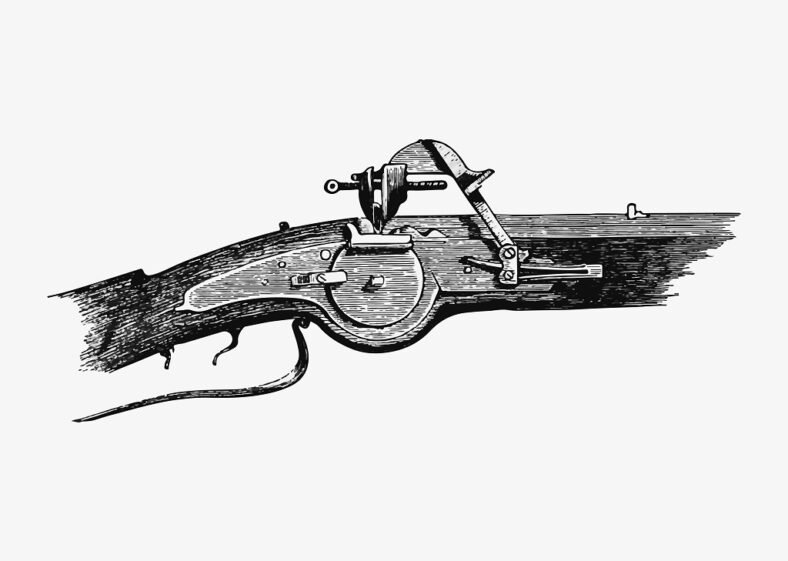
The trigger mechanism consists of several key components, each serving a specific purpose in the firing process. This will discuss components such as the trigger, sear, hammer, firing pin, and safety mechanisms, highlighting their functions and interactions.
How the Gun Trigger Mechanism Works
The Basics of Trigger Operation
Understanding how the gun trigger mechanism works involves grasping the basic principles of trigger operation. This will explain the sequence of events that occur when the trigger is pulled, including the release of the sear, the striking of the firing pin, and the ignition of the primer.
Single-Action vs. Double-Action Triggers
There are two primary types of trigger actions: single-action and double-action. This will explore the differences between these trigger mechanisms, their advantages, and their applications in various types of firearms.
Trigger Pull Weight and Reset
Trigger pull weight refers to the amount of force required to pull the trigger and initiate the firing sequence. The trigger reset is the distance the trigger must travel forward after firing to reset the mechanism for subsequent shots. This will discuss the significance of trigger pull weight and reset and their impact on shooting performance.
Types of Trigger Mechanisms
Single-Stage Triggers
Single-stage triggers have a consistent pull weight and a direct and immediate release. This will explain the characteristics of single-stage triggers and their suitability for different shooting applications.
Two-Stage Triggers
Two-stage triggers have a distinct take-up or slack in the first stage before reaching the break point where the shot is fired. This will discuss the advantages and applications of two-stage triggers, such as precision shooting and long-range accuracy.
Match Grade Triggers
Match grade triggers are designed for utmost precision and are commonly used in competitive shooting disciplines. This will delve into the features and benefits of match grade triggers, including their light and crisp pull.
Trigger Safety and Modifications
Trigger Safety Mechanisms
Safety is paramount when it comes to firearms, and trigger mechanisms incorporate various safety features to prevent accidental discharges. This will explore safety mechanisms such as trigger safeties, striker blocks, and manual safeties.
Trigger Modifications and Aftermarket Triggers
Many shooters opt to modify their triggers to suit their preferences and improve performance. This will discuss common trigger modifications and the availability of aftermarket triggers, emphasizing the importance of seeking professional installation and understanding the legal implications.
Conclusion
The gun trigger mechanism is a fundamental aspect of firearm operation, influencing safety, accuracy, and overall shooting experience. By understanding its components, operation, and various types, shooters can make informed decisions and develop a deeper appreciation for this essential part of firearms. Remember, always prioritize safety and seek professional guidance when making trigger-related modifications or upgrades.
Responsible gun storage means keeping firearms secure from unauthorized access, especially by children, guests, or anyone prohibited from handling them, using a method that fits your firearms and your household. These gun storage safety tips focus on the habits that matter most: unload, verify, lock, store ammunition appropriately, and control the keys and codes. This guide covers practical, source-backed storage principles. It is not legal advice or a state-by-state law guide, and no safe or lock prevents every possible theft, misuse, or accident, so treat secure storage as risk reduction layered with safe handling.
Use this short gun storage safety tips checklist as your storage routine. Each point is expanded below.
Storage Step
What To Confirm
Why It Matters
Unload and verify
Firearm is cleared before storage
Prevents unsafe handling during the storage routine
Lock the firearm
Safe, lock box, cable lock, or another secure method is used
Reduces unauthorized access risk
Control access
Keys, codes, and combinations are protected
A lock fails if access tools are easy to find
Store ammunition thoughtfully
Ammunition is secured and separated where appropriate
Adds another household safety layer
Plan for visitors
Children, guests, and shared-home risks are considered
Storage must fit real household behavior
Check local requirements
Current local and state rules are reviewed
Storage requirements can vary by location
Why Secure Gun Storage Matters
Secure storage is the single most reliable way to prevent unauthorized access to firearms in the home. Responsible-ownership programs such as Project ChildSafe center on exactly this: keeping firearms out of the hands of children and anyone who should not have access. Good storage reduces the risk of accidents, theft, and misuse. It does not replace safe handling, and no device is a guarantee, but consistent secure storage meaningfully lowers risk every day.
Start With the Basic Safety Rules
Storage habits rest on the basic rules of firearm safety. The NSSF rules of safe gun handling start from always treating a firearm as if it is loaded and keeping the muzzle in a safe direction. Before any firearm goes into storage, confirm it is unloaded, keep it pointed in a safe direction while you handle it, and store firearms securely when they are not in use. These habits make the storage step itself safer. For range-day context, also review our shooting range safety rules.
Choose a Storage Method That Fits the Firearm and Household
There is no single right storage device; the best choice fits your firearms and your home. Options include locked safes, lock boxes, cable locks, and trigger locks, and they differ in security, speed of access, portability, and how well they suit long guns versus handguns. A full-size safe offers strong security and capacity for long guns, a small lock box secures a handgun, and cable or trigger locks add a layer where a safe is not practical. Choose according to your household’s risk, your firearms, and the manufacturer’s instructions for both the firearm and the device. The ATF firearms safety and security resources offer further safety and security context.
Control Keys, Codes, and Access
A lock is only as secure as its key or code. Keep keys and combinations away from the people you are securing firearms against, and do not store keys on top of or beside the safe. Change default codes, limit who knows a combination, and update access when circumstances change. Controlling access is often the difference between a storage method that works and one that only looks secure.
Store Ammunition Thoughtfully
Handle ammunition with the same care as the firearms. Where appropriate for your household, store ammunition separately from firearms and keep it secured against unauthorized access. Follow safe ammunition storage and handling practices, keep it in a cool, dry place, and keep it out of reach of children and unauthorized users. Separate, controlled ammunition storage adds another layer of safety, especially in homes with children or frequent visitors. If you are also reviewing storage-adjacent maintenance habits, our gun cleaning frequency guide is a useful next read.
Plan for Visitors, Children, and Shared Homes
Your storage plan should account for everyone who enters your home. Children are naturally curious, guests may not share your safety habits, and shared or multi-person households add more access points. Make sure firearms are secured before visitors arrive, talk with family members about access rules, and never assume a hidden firearm is a secure one. Storage should be planned around the realistic comings and goings of your household, not the ideal case.
Check Local Requirements
Storage laws and requirements vary by location and change over time. Check your current local and state storage rules, and consider household-specific risks beyond the legal minimum. This article does not provide a state-by-state legal guide, and you should confirm any legal obligation with current official sources for your area rather than relying on general guidance.
Common Gun Storage Mistakes
A handful of mistakes undermine otherwise good intentions. Leaving a firearm loaded or unverified before storage, hiding an unsecured firearm instead of locking it, and leaving keys or codes accessible are among the most common. Others include choosing a device that does not fit the firearm or the household, forgetting to secure firearms before guests arrive, and storing ammunition carelessly. Treating storage as a one-time setup rather than a daily routine is the underlying error behind most of these.
Frequently Asked Questions
What is the safest way to store a gun at home?
The safest approach is to store firearms unloaded and locked in a method that prevents access by children, guests, and prohibited users, with keys and codes controlled. The best device depends on your firearms and household. Pair secure storage with consistent safe-handling habits.
Should I store ammunition separately from firearms?
Storing ammunition separately and securely is a sensible added layer, especially in homes with children or visitors. Keep it in a cool, dry place, out of reach of unauthorized users, and follow safe storage and handling practices for both the ammunition and the firearm.
Is a gun safe legally required where I live?
It depends on your location. Storage laws vary and change over time, so confirm current requirements with official sources for your state and locality. This guide does not provide legal advice or a state-by-state breakdown.
What are the most important gun storage safety tips?
The most important gun storage safety tips are to confirm the firearm is unloaded before storage, lock it against unauthorized access, control keys and codes, store ammunition thoughtfully, and adjust the storage plan when children, visitors, or shared living arrangements are involved.
Do cable locks and trigger locks count as secure storage?
They add a layer of security and can prevent a firearm from being readily used, but they are not the same as a locked safe or lock box. Choose based on your household risk, and consider combining methods. No single device prevents every form of access or theft.
How do I store firearms safely with children in the house?
Keep firearms unloaded, locked, and inaccessible, store ammunition separately and secured, and control all keys and codes. Talk with your family about access rules, and secure firearms before visitors arrive. Responsible-ownership programs like Project ChildSafe focus on exactly this goal.
Final Responsible-Storage Recommendation
Good gun storage is a routine, not a product: unload and verify, lock firearms away from unauthorized access, control your keys and codes, store ammunition thoughtfully, and plan for everyone in your home. Match your method to your firearms and household, check your local rules, and keep the habit consistent. No device removes all risk, but these gun storage safety tips can help make responsible storage part of your normal safety routine.
Long-range shooting requires a combination of skill, precision, and the right equipment. To maximize your potential as a long-range shooter, having the appropriate accessories is crucial. Whether you’re a competitive shooter, precision hunter, or simply enjoy the challenge of long-range shooting, this comprehensive guide will introduce you to a range of top-quality accessories designed to enhance your experience and improve your long-range shooting performance. From optics and bipods to shooting rests and ballistic calculators, we’ll explore the best long-range shooting accessories available on the market.
Table of Contents
1. Introduction: The World of Long-Range Shooting
The Thrill and Challenge of Long-Range Shooting
Long-range shooting pushes the limits of marksmanship, requiring precise aiming, accurate calculations, and a deep understanding of external factors such as wind and elevation. Engaging targets at extended distances challenges shooters to master their equipment and shooting techniques, making it a thrilling and rewarding pursuit.
The Importance of Quality Long-Range Shooting Accessories
In long-range shooting, having the right accessories is crucial for consistent accuracy and performance. Additionally, high-quality equipment enhances stability, allowing for precise adjustments and compensating for environmental variables. By investing in top-notch accessories, you can focus on honing your skills without compromising functionality or reliability.
2. Optics for Long-Range Shooting
High-Magnification Riflescopes
High-magnification riflescopes with long-range capabilities are essential for precision shooting. Look for scopes with clear glass, adjustable turrets for elevation and windage, and reticles specifically designed for long-range shooting. Features like zero-stop turrets and illuminated reticles can further enhance your shooting experience.
Long-Range Precision Scopes
Specialized long-range precision scopes offer advanced features such as first focal plane reticles, parallax adjustment, and sophisticated elevation/windage turrets for precise shot placement at extreme distances. These scopes excel in competitive shooting and long-range precision applications.
Spotting Scopes for Observation and Spotting Shots
Spotting scopes with high magnification and exceptional image quality are invaluable for observing targets and spotting shot impacts at long distances. Moreover, they allow for detailed analysis and adjustment of shots without the need to constantly approach the target. By providing a clear and close-up view, these scopes enable shooters to assess their accuracy and make necessary corrections with precision. Consequently, they enhance shooting performance and efficiency, particularly during long-range engagements.
Rangefinders for Accurate Distance Measurement
Accurate distance measurement is vital for long-range shooting. Laser rangefinders enable precise target ranging, providing crucial data for calculating bullet drop, wind drift, and holdover. Look for rangefinders with long-range capabilities and fast target acquisition.
3. Bipods and Shooting Rests
Stabilizing Your Shots with Bipods
Bipods provide a stable platform for long-range shooting, minimizing shooter fatigue and improving accuracy. Look for bipods with adjustable height, durable construction, and features such as swivel or canting capabilities to accommodate uneven terrain.
Shooting Rests for Increased Stability and Consistency
Shooting rests offer enhanced stability and consistency for long-range shooting. They come in various designs, including front and rear bags, vices, and mechanical rests. Shooting rests provide a solid foundation, minimizing movement and allowing for precise shot placement.
4. Precision Shooting Support Systems
Shooting Tripods for Versatile Positioning
Shooting tripods, on the other hand, offer versatility and stability. They enable shooters to adopt various shooting positions, such as prone, sitting, and standing. When selecting a shooting tripod, it is important to consider certain factors. Look for tripods that are lightweight yet sturdy, ensuring ease of transportation without compromising stability. Additionally, opt for tripods with adjustable legs and smooth pan/tilt heads, as these features allow for precise aiming and tracking of targets.
Monopods for Additional Stability
Monopods provide additional stability when shooting from a standing or kneeling position. They offer quick adjustments and can be easily attached to your rifle or shooting system, allowing for improved shot control and reduced wobble.
Shooting Sticks for Portability and Adjustable Support
Shooting sticks are portable support systems consisting of two or three adjustable legs. They provide quick and stable support for shooting in the field, especially when a solid rest is not readily available. Look for lightweight and durable shooting sticks with height adjustments and easy setup.
5. Ballistic Calculators and Range Finders
Advanced Ballistic Calculators for Wind and Elevation Adjustments
Advanced ballistic calculators take into account various factors such as bullet characteristics, environmental conditions, and target distance to provide accurate windage and elevation adjustments. They help you make precise calculations and adjustments for long-range shots, maximizing hit probability.
Laser Range Finders for Accurate Distance Measurements
Laser range finders are essential tools for long-range shooting, providing accurate distance measurements to the target. Look for range finders with long-range capabilities, fast target acquisition, and advanced features like angle compensation to account for incline or decline.
6. Support Gear and Accessories
Shooting Mats for Comfort and Protection
Shooting mats provide a comfortable and clean surface for long-range shooting. They offer cushioning and protection against uneven terrain, allowing for stable shooting positions. Look for mats with padding, water resistance, and additional features like integrated storage pockets.
Wind Meters for Accurate Wind Reading
Accurate wind reading is crucial for long-range shooting success. Wind meters measure wind speed and direction, providing valuable data for windage adjustments. Look for wind meters with user-friendly interfaces and reliable measurement accuracy.
Data Books for Recording and Analyzing Shot Data
Data books are indispensable for long-range shooting, allowing you to record crucial information such as bullet trajectories, environmental conditions, and shooting results. They facilitate analysis and help refine your shooting techniques and equipment settings.
7. Equipment for Long-Range Hunting
Lightweight Tripods for Hunting Applications
Lightweight tripods designed for hunting applications provide stability and versatility while keeping weight to a minimum. They offer adjustable height, quick setup, and compatibility with various optics, allowing for accurate and steady shots in hunting scenarios.
Camouflage Gear for Concealment
Camouflage gear helps hunters blend into their surroundings, providing effective concealment for long-range hunting. Look for clothing and accessories with patterns and colors that match the environment in which you’ll be hunting.
Sling Bags and Packs for Gear Organization
Sling bags and packs offer convenient storage and organization for long-range hunting gear. Look for designs that provide quick access to essential items, while also offering comfortable carry options and ample space for optics, ammunition, and other accessories.
8. Precision Rifle Accessories
Muzzle Brakes for Recoil Management
Muzzle brakes effectively reduce recoil and muzzle rise, allowing for faster follow-up shots and improved shot placement. Look for muzzle brakes designed to minimize both recoil and muzzle blast, while also considering factors such as weight and compatibility with your rifle.
Precision Triggers for Enhanced Shot Control
Precision triggers offer improved shot control, allowing for crisp and consistent trigger breaks. Look for triggers with adjustable pull weight, minimal creep, and a clean reset. However, it’s crucial to prioritize safety and consult a professional gunsmith for installation and adjustment.
Chassis Systems for Rifle Customization and Adaptability
Chassis systems provide a platform for customizing and adapting your rifle for long-range shooting. They offer adjustable length of pull, comb height, and accessory mounting options. Look for chassis systems with ergonomic designs, robust construction, and compatibility with your rifle.
9. Where to Find Long-Range Shooting Accessories
Specialty Retailers and Online Stores
Specialty retailers and online stores dedicated to shooting and outdoor sports are excellent sources for finding a wide range of long-range shooting accessories. These retailers often carry top brands and provide knowledgeable staff to assist with product selection and advice.
Shooting and Outdoor Sports Events
Shooting and outdoor sports events, such as trade shows, exhibitions, and competitions, are great opportunities to explore and purchase long-range shooting accessories. These events bring together manufacturers, retailers, and industry experts under one roof, allowing for hands-on demonstrations and exclusive deals.
Gun Shows and Exhibitions
Gun shows and exhibitions attract a wide range of vendors, including those specializing in shooting accessories. These events offer a unique opportunity to see and compare various products, ask questions, and make informed purchase decisions.
10. Frequently Asked Questions (FAQs)
Q1: Do I need specialized training for long-range shooting?
A1: While long-range shooting can be challenging, specialized training can significantly enhance your skills and safety. Consider attending long-range shooting courses or seeking guidance from experienced shooters to learn proper techniques and best practices.
Q2: Can I use a regular rifle scope for long-range shooting?
A2: Regular rifle scopes can be used for long-range shooting to a certain extent, depending on their features and capabilities. However, for optimal long-range performance, consider investing in scopes specifically designed for long-range shooting, offering high magnification, target turrets, and reticles calibrated for long-range applications.
Q3: How important is proper ammunition selection for long-range shooting?
A3: Proper ammunition selection is crucial for achieving consistent long-range accuracy. Match-grade ammunition, known for its high quality and tight tolerances, is often favored for long-range shooting due to its consistent performance and reliability.
Q4: What are some essential safety considerations for long-range shooting?
A4: Long-range shooting involves firing projectiles at extended distances, so safety is of paramount importance. Always ensure you have a safe shooting environment, proper backstop, and adhere to all safety rules and regulations. Additionally, use proper hearing and eye protection and be aware of your surroundings at all times.
Q5: Are there any legal restrictions on long-range shooting equipment?
A5: The legality of long-range shooting equipment can vary depending on your jurisdiction. Ensure that you comply with local laws and regulations regarding firearm accessories, ammunition, and shooting practices. Familiarize yourself with any restrictions or permits required for long-range shooting in your area.
11. Conclusion
Investing in high-quality long-range shooting accessories is essential for maximizing your precision and performance on the range or in the field. Whether you’re a competitive shooter or a dedicated precision hunter, the right equipment can significantly improve your long-range shooting experience. From optics and bipods to shooting rests and ballistic calculators, the wide array of accessories available can enhance stability, accuracy, and efficiency. So, gear up with the best long-range shooting accessories, practice diligently, and embrace the challenge of long-range shooting with confidence!
Rimfire and centerfire describe where the primer is located in a cartridge. In rimfire ammunition, the priming compound is inside the rim around the base of the case. In centerfire ammunition, the primer is a separate component seated in the center of the case head. That design difference affects common uses, reliability, cartridge size, cost, and whether the case can usually be reloaded.
The most important rule is simple: use only the exact ammunition listed for your firearm. Rimfire and centerfire cartridges are not interchangeable, and similar-looking ammunition can still be unsafe. Check the firearm markings, owner’s manual, and ammunition box before loading anything.
Choose rimfire when your firearm is chambered for rimfire ammunition, such as many .22 LR rifles and pistols used for plinking, training, and small-game use where legal. Choose centerfire only when your firearm is chambered for a centerfire cartridge. Centerfire cartridges cover most modern handgun, rifle, and shotgun applications and are generally available in a wider range of power levels and bullet types.
Neither system is automatically better for every shooter. The correct answer depends on the firearm chambering, intended use, recoil tolerance, budget, range rules, and local laws.
What Is Rimfire Ammunition?
Rimfire ammunition places the priming compound inside the rim of the cartridge case. When the firing pin strikes the rim, it crushes that rim and ignites the priming compound. That ignition starts the powder burn and sends the bullet down the barrel.
The most familiar rimfire cartridge is .22 LR. It is popular because it is usually mild in recoil, commonly available, and useful for basic marksmanship practice. Rimfire cases are thin at the rim by design, which is one reason rimfire ammunition is usually limited to smaller, lower-pressure cartridges compared with many centerfire options.
Rimfire Strengths
Often lower recoil than many centerfire cartridges.
Commonly used for beginner practice and target shooting.
Usually less expensive per round than many centerfire options.
Works well for firearms specifically chambered for rimfire cartridges.
Rimfire Limits
Not interchangeable with centerfire ammunition.
Usually not practical to reload.
Generally limited to smaller, lower-pressure cartridges.
Can be more sensitive to rim damage or inconsistent priming than centerfire designs.
What Is Centerfire Ammunition?
Centerfire ammunition uses a separate primer seated in the center of the cartridge base. The firing pin strikes that primer, the primer ignites the powder, and the cartridge fires. This design is used in many modern rifle and handgun cartridges and in shotshell primers.
Centerfire cartridges cover a wide range of sizes and uses, from common handgun cartridges to hunting rifle cartridges. Because the primer is separate and the case design can be stronger, centerfire ammunition is generally better suited to higher-pressure cartridges than rimfire ammunition. Reloading is also possible for many centerfire cases, but only with proper equipment, published data, and strict safety practices.
Centerfire Strengths
Available in a wider range of cartridge sizes and power levels.
Common for hunting, range, defensive, and competition firearms.
Usually more robust for higher-pressure cartridges.
Many centerfire cases can be reloaded by trained reloaders using published load data.
Centerfire Limits
Often costs more per round than common rimfire ammunition.
Can produce more recoil and noise depending on cartridge.
Requires careful cartridge matching because similar names can be confusing.
Reloading mistakes can be dangerous, so beginners should not improvise.
Rimfire vs Centerfire Comparison
Factor
Rimfire
Centerfire
Primer location
Inside the cartridge rim
Separate primer in the center of the case head
Common example
.22 LR
Many handgun, rifle, and shotgun cartridges
Typical recoil
Often mild in common rimfire rounds
Varies from mild to heavy by cartridge
Reloading
Usually not practical
Possible for many cases with proper data and equipment
Best fit
Training, plinking, small-game use where legal
Broader hunting, range, defensive, and competition uses
The table is a starting point, not a permission slip to mix ammunition. SAAMI maintains a useful warning list for unsafe firearm and ammunition combinations, which is a good reminder that cartridge names and dimensions must be checked carefully.
Common Uses
Rimfire ammunition is often used for beginner marksmanship, informal target shooting, small-game hunting where legal, and low-recoil practice. Centerfire ammunition is used across a wider range of firearms and tasks, including hunting, formal range training, competition, and other lawful uses. The right choice is always the cartridge your firearm is designed to use.
If you are choosing ammunition for a hunting firearm, check local regulations and match the cartridge to the game, firearm, and ethical shot distance. Our guide on choosing the right ammunition for your firearm explains the decision process in more detail.
Ammunition Safety Checks
Before loading any firearm, confirm the cartridge marking on the barrel or receiver, check the owner’s manual, inspect the ammunition box, and look for damage, corrosion, or mixed rounds. The NSSF firearm safety rules still apply: keep the muzzle in a safe direction, keep your finger off the trigger until ready to shoot, and treat every firearm with respect.
Never rely on appearance alone. Some cartridges look similar but are not safe substitutes. If you are not sure, stop and ask a qualified instructor, gunsmith, range officer, or the firearm manufacturer. For storage and transport, see our ammunition storage and transport guide.
Choosing The Right Type
For a beginner, the best path is to choose the firearm first, then buy ammunition that exactly matches that firearm. Do not buy ammunition because it is cheap, common, or recommended online unless it matches the chambering and the manual. If you are using ammunition for hunting, check state rules and use suitable loads for the game and conditions.
For range practice, rimfire can be useful because it is mild and often affordable. For broader hunting or centerfire firearm practice, centerfire ammunition may be necessary. Either way, reliable training matters more than arguing that one ignition system is universally superior. Our shooting range safety rules guide is a good next read before live-fire practice.
FAQ
Is rimfire or centerfire better?
Neither is better for every use. Rimfire is often useful for low-recoil practice and small-caliber firearms. Centerfire covers a wider range of power levels and firearm types. The correct choice is the ammunition your firearm is chambered to use.
Can rimfire ammunition be reloaded?
Rimfire ammunition is generally not practical to reload because the priming compound is in the rim. Centerfire cases are commonly reloaded by trained reloaders, but only with proper equipment, published load data, and strict safety practices.
Can rimfire and centerfire ammunition be used interchangeably?
No. Rimfire and centerfire ammunition are not interchangeable. Always use the exact cartridge listed on the firearm and in the owner’s manual.
Why is centerfire so common?
Centerfire design supports a wide range of cartridge sizes and pressure levels, which makes it common in many modern rifles, handguns, and shotshells. It also allows many cases to be reloaded when done properly.
Is rimfire good for beginners?
Rimfire can be helpful for beginners because many rimfire firearms have mild recoil and lower ammunition cost. Beginners still need safety instruction, eye and ear protection, and close attention to firearm and ammunition compatibility.
Final Takeaway
Rimfire places the primer in the rim; centerfire places the primer in the center of the case head. Rimfire is common for mild, small-caliber practice, while centerfire covers a broader range of firearm uses. The safest choice is always the exact ammunition your firearm is designed to use, confirmed by the firearm markings, owner’s manual, and ammunition box.
Mastering different shooting positions is essential for achieving stability and precision when using a rifle. Whether you’re a beginner or an experienced shooter, understanding the various shooting positions can greatly improve your accuracy and control. In this article, we will explore the most common shooting positions for rifles and provide tips on how to perfect your shooting technique.
Table of contents
Importance of Shooting Positions
Proper shooting positions play a crucial role in achieving stability and accuracy with a rifle. By adopting the correct shooting positions, you can minimize recoil, manage muzzle rise, and deliver precise shots. Let’s delve into the different shooting positions and their benefits.
Prone Shooting Position
The prone shooting position is renowned for offering maximum stability and control. It provides a low profile and minimizes body movement, making it ideal for long-range shooting. In this section, we will discuss the key elements of the prone position, including body alignment, hand placement, and breathing techniques.
Standing Shooting Position
The standing shooting position requires excellent balance and adaptability. It allows for quick target acquisition and maneuverability in dynamic shooting situations. We will cover proper foot placement, body posture, and techniques to minimize sway and maintain stability while standing.
Kneeling Shooting Position
The kneeling shooting position offers stability and flexibility when shooting from a kneeling stance. It is a useful position for shooting over obstacles or when the prone position is not feasible. We will explain how to properly kneel, support the rifle, and achieve stability while minimizing shooter fatigue.
Sitting Shooting Position
The sitting shooting position provides a comfortable and supported shooting platform, particularly in situations where other positions are challenging. We will explore different sitting positions, such as crossed ankles or open legs, and discuss techniques to maintain stability and accuracy.
Bipod and Rest Shooting
Bipods and shooting rests can significantly enhance stability and accuracy when shooting with a rifle. We will discuss the proper use of bipods, shooting bags, and other supportive tools to maximize their benefits for different shooting positions.
Transitional Positions and Shooting on the Move
In dynamic shooting scenarios, the ability to transition smoothly between shooting positions or engage targets while on the move is crucial. We will cover transitional positions and techniques to ensure quick and effective target engagement in different shooting environments.
Conclusion
Mastering shooting positions for rifles is essential for improving stability and precision in your shooting. By understanding and practicing the prone, standing, kneeling, sitting, and transitional positions, you can enhance your shooting skills and excel in various shooting scenarios. Remember to always prioritize safety and continue refining your technique through practice and training.
If you own a Hi-Point Carbine and are looking to enhance its performance and functionality, Long Shot Manufacturing is here to offer you a range of high-quality accessories and upgrades. Long Shot Manufacturing specializes in creating top-notch accessories specifically designed for Hi-Point Carbines, allowing you to personalize and optimize your firearm according to your needs. In this article, we will explore Long Shot Manufacturing and the various Hi-Point Carbine accessories they offer, giving you the opportunity to take your shooting experience to the next level.
Table of Contents
1. Introduction to Long Shot Manufacturing
The Mission and Vision of Long Shot Manufacturing
Long Shot Manufacturing dedicates itself to providing innovative and high-quality accessories for Hi-Point Carbines, establishing itself as a renowned company. Their mission is to enhance the shooting experience of Hi-Point Carbine owners by offering accessories that improve performance, ergonomics, and aesthetics. Long Shot Manufacturing aims to be a trusted name in the firearms industry, known for their commitment to excellence and customer satisfaction.
Why Choose Long Shot Manufacturing for Hi-Point Carbine Accessories?
Long Shot Manufacturing stands out in the market for their dedication to crafting accessories specifically tailored for Hi-Point Carbines. They prioritize quality craftsmanship, innovative design, and meticulous attention to detail. By choosing Long Shot Manufacturing, you can expect top-notch products that meet the highest standards and provide exceptional value for your Hi-Point Carbine.
2. Hi-Point Carbine Accessories by Long Shot Manufacturing
Long Shot Manufacturing offers a range of accessories designed to enhance the functionality, performance, and customization of your Hi-Point Carbine. Let’s explore some of their popular accessories:
The Long Shot Muzzle Brake
The Long Shot Muzzle Brake is a precision-engineered accessory that reduces muzzle rise and felt recoil, allowing for faster follow-up shots and improved control. Crafted from durable materials and featuring a sleek design, this muzzle brake is a must-have for Hi-Point Carbine owners seeking improved shooting dynamics.
Long Shot Recoil Buffer
Long Shot Manufacturing designed the Long Shot Recoil Buffer to reduce felt recoil and minimize wear on internal components. By installing this buffer, you can enhance the overall shooting experience, increase the lifespan of your Hi-Point Carbine, and reduce fatigue during extended shooting sessions.
Long Shot Extended Magazine Release
The Long Shot Extended Magazine Release offers enhanced ergonomics and convenience by providing an extended and textured surface for quick and easy magazine changes. This accessory allows for faster reloads and improves overall handling, especially in high-pressure shooting scenarios.
Long Shot Picatinny Rail
The Long Shot Picatinny Rail provides a solid and versatile mounting solution for attaching optics, lights, or other accessories to your Hi-Point Carbine. Long Shot Manufacturing precision-machines this rail to ensure proper fit and compatibility, enabling you to customize your firearm according to your shooting needs.
3. Elevating Your Hi-Point Carbine: Long Shot Manufacturing Upgrades
In addition to their range of accessories, It offers upgrades that can take your Hi-Point Carbine to the next level of performance and customization. Let’s explore some of these upgrades:
Hi-Point Carbine Stock Upgrade
Long Shot Manufacturing offers stock upgrade options for Hi-Point Carbines, allowing you to enhance ergonomics, adjust length of pull, and improve overall comfort. These stock upgrades are designed to improve the shooting experience ergonomically, enabling shooters to easily acquire targets and maintain control during rapid fire.
Long Shot Optic Mounting Solutions
Long Shot Manufacturing provides optic mounting solutions, allowing you to easily attach red dot sights, scopes, or other optics to your Hi-Point Carbine. These mounting solutions ensure accurate target acquisition and improved shooting performance by providing secure and reliable optic attachment.
Custom Cerakote Finishes
Long Shot Manufacturing offers custom Cerakote finishes for Hi-Point Carbines, allowing you to personalize the aesthetics of your firearm. Choose from various colors and patterns. Give your Hi-Point Carbine a unique look. Enhance its visual appeal. Provide added protection against wear and corrosion.
4. Installation and Compatibility
Easy Installation Process
Long Shot Manufacturing offers specially designed accessories for Hi-Point Carbine owners. These accessories offer simple firearm upgrades. They are easy to install without gunsmithing or specialized tools. Each accessory includes clear instructions. These instructions guide you through the installation process step-by-step. This ensures a seamless and hassle-free experience for firearm owners seeking to enhance their Hi-Point Carbines.
Compatibility with Hi-Point Carbine Models
Long Shot Manufacturing accessories are designed to be compatible with Hi-Point Carbine models, such as the Hi-Point 995 Carbine. It is important to verify compatibility details prior to choosing an accessory for your particular Hi-Point Carbine model.
5. Frequently Asked Questions (FAQs)
Q1: Can I install Long Shot Manufacturing accessories myself?
A1: Yes, This accessories are designed for easy installation and can be installed by Hi-Point Carbine owners themselves. Each accessory comes with detailed instructions to guide you through the process. If unsure or uncomfortable, seek assistance from a qualified gunsmith.
Q2: Will Long Shot Manufacturing accessories void my Hi-Point Carbine warranty?
A2: Furthermore, the installation of Long Shot Manufacturing accessories will not void your Hi-Point Carbine warranty. It’s recommended to review Hi-Point Firearms’ warranty terms and conditions to ensure compliance with their guidelines.
Q3: Are Long Shot Manufacturing accessories made of durable materials?
A3: Indeed, It takes pride in utilizing high-quality materials for crafting their accessories. As a result, each accessory is designed to withstand the rigors of regular use, ensuring long-lasting performance.
Q4: Can Long Shot Manufacturing accessories improve the performance of my Hi-Point Carbine?
A4: Yes, This accessories are specifically engineered to enhance the performance, functionality, and shooting experience of Hi-Point Carbines. These accessories can help reduce recoil, improve control, enhance ergonomics, and provide customization options, allowing you to optimize your Hi-Point Carbine for your shooting needs.
6. Conclusion
With Long Shot Manufacturing, you gain access to a wide array of accessories and upgrades specifically crafted to enhance your Hi-Point Carbine. Their unwavering dedication to quality craftsmanship, coupled with innovative design, has cemented their reputation as a trusted industry leader. By choosing their products, you can confidently personalize and enhance your Hi-Point Carbine. This allows you to experience improved performance, enhanced functionality, and elevated aesthetics.So, gear up with this and unlock the full potential of your Hi-Point Carbine!
What should you consider when choosing the right arrow to match your bow is essential for achieving optimal performance and accuracy in archery. With a wide range of arrow options available, it’s important to understand the factors that influence your arrow selection. In this article, we will explore the key considerations to keep in mind when choosing arrows for your bow, including arrow materials, spine, length, weight, and tip type.
Understanding Arrow Materials
Aluminum Arrows
Carbon Arrows
Hybrid Arrows
Aluminum arrows are known for their durability and affordability, making them a popular choice among beginners. Carbon arrows, on the other hand, are lightweight and offer excellent speed and accuracy. Hybrid arrows combine the best qualities of both aluminum and carbon, providing a balance between durability and performance. We will delve deeper into each material, highlighting their benefits and considerations.
Determining Arrow Spine
What is Arrow Spine?
Factors Influencing Arrow Spine Selection
How to Determine Arrow Spine
Understanding arrow spine is crucial for matching the stiffness of the arrow to the power and draw weight of your bow. We will explain the concept of arrow spine and discuss the factors that influence spine selection, such as bow type, draw weight, and arrow length. Additionally, we will provide guidance on how to determine the appropriate arrow spine for your specific setup.
Considering Arrow Length
Importance of Arrow Length
Choosing the Right Arrow Length
Arrow length plays a vital role in achieving consistent and accurate shots. We will explore the importance of arrow length and its impact on bow performance. Additionally, we will provide tips on choosing the right arrow length based on your draw length, bow type, and shooting style.
Evaluating Arrow Weight
Importance of Arrow Weight
Factors to Consider for Arrow Weight
Arrow weight directly affects arrow speed, trajectory, and penetration. We will discuss the significance of arrow weight in relation to your shooting goals and the factors to consider when determining the appropriate arrow weight for your bow setup, including bow type, shooting style, and intended use.
Selecting Arrow Tip Type
Types of Arrow Tips
Choosing the Right Arrow Tip
Arrow tips come in various styles, each serving a specific purpose. We will explore the different types of arrow tips, such as field points, broadheads, and specialty tips, and discuss their applications. Additionally, we will provide guidance on choosing the right arrow tip based on your shooting objectives, whether it’s target shooting, hunting, or competition.
Conclusion
Choosing the right arrow to match your bow is a critical step in maximizing your archery performance. By considering arrow materials, spine, length, weight, and tip type, you can select arrows that are specifically tailored to your bow setup and shooting goals. Remember to experiment and fine-tune your arrow selection to achieve the best results in terms of accuracy, speed, and overall shooting experience.
To mount a rifle scope correctly, start with an unloaded firearm, confirm the base and rings fit the rifle and scope tube, set the scope for natural eye relief, level the reticle, tighten screws evenly with the manufacturer-recommended torque, then bore-sight and confirm zero at the range. The job is not just putting a scope in rings. Small setup mistakes can create a shifting zero, poor cheek weld, scope bite, or damaged optics.
Safety comes first. Confirm the rifle is unloaded, remove ammunition from the workspace, keep the muzzle pointed in a safe direction, and follow the NSSF firearm safety rules throughout the process. Scope mounting is workshop work, not a rushed range-table job.
Also read the instructions for the rifle, base, rings, and scope. Torque values, screw sizes, ring-cap design, and thread-locker guidance can vary. If the instructions conflict with general advice, follow the manufacturer instructions or ask a qualified gunsmith.
Tools and Parts to Gather
Correct scope base or rail for the rifle
Correct rings for the scope tube diameter
Inch-pound torque driver
Correct bits for the screws
Bubble levels or a scope leveling kit
Degreasing cloth or clean rag
Blue thread locker only if the manufacturer recommends it
Bore-sighting tool or a safe bore-sighting method
Do not substitute a large general-purpose wrench for a torque driver. Scope tubes and small screws can be damaged by guessing.
Match the Base and Rings
Confirm that the base fits the rifle and that the rings match the scope tube diameter. Ring height should clear the objective bell and bolt while keeping the scope low enough for a stable cheek weld. Rings that are too high often make the rifle feel awkward and reduce consistency.
If you are still choosing an optic or mounting system, compare the setup needs in our guide on how to choose a rifle scope. The best scope on paper will still perform poorly if the mounting system does not fit the rifle and shooter.
Set Eye Relief
Place the scope loosely in the rings, shoulder the rifle in your natural position, and slide the scope forward or back until you see a full, clear image without stretching your neck. Eye relief matters for comfort, field of view, and safety, especially on rifles with more recoil.
Do this from the shooting position you actually use, not from an awkward bench-only posture. Our guide to what eye relief means explains why this step is so important.
Level the Reticle
Level the rifle first, then rotate the scope until the reticle is level. Do not rely only on what looks straight in your shoulder. A canted reticle can cause confusing windage and elevation errors as distance increases.
A telescopic sight is an optical instrument. Small alignment errors may not look serious at home, but they can become obvious when you dial elevation or shoot beyond close range.
Tighten With Proper Torque
Tighten base and ring screws gradually and evenly. For ring caps, alternate screws in small increments so the scope stays centered and the gaps remain even where the ring design allows it. Stop at the torque value specified by the ring or scope maker.
Too much torque can crush or stress the scope tube. Too little torque can allow the scope to shift under recoil. Both problems can look like bad accuracy, so treat torque as part of the accuracy system, not a minor detail.
After tightening, shoulder the rifle one more time before leaving the bench. Confirm the reticle did not rotate, eye relief still feels natural, and the magnification ring, bolt handle, and safety controls all have room to work.
Bore-Sight and Zero
Bore-sighting helps get the first shots on paper, but it does not replace live-fire zeroing. After mounting, bore-sight safely, then go to the range and confirm zero with a stable rest, safe backstop, and careful adjustments.
Yes, if you have the correct parts, a torque driver, leveling tools, and safe handling habits. If you are unsure about fit, torque, alignment, or firearm safety, use a qualified gunsmith.
Do I need a torque wrench for scope rings?
Yes. A small inch-pound torque driver helps prevent both over-tightening and under-tightening. Guessing by hand is one of the most common causes of mounting problems.
How high should a scope be mounted?
As low as practical while still clearing the objective bell, barrel, and bolt. The correct height should let you keep a natural cheek weld and see a full image through the scope.
Does bore-sighting mean the rifle is zeroed?
No. Bore-sighting only gets you close. You still need to confirm and adjust zero with live fire at the range before relying on the rifle.
Final Takeaway
Mounting a scope properly is about fit, alignment, and repeatability. Use the correct base and rings, set eye relief from your real shooting position, level the reticle, tighten with the right torque, bore-sight before live fire, and confirm zero at the range. If the setup feels uncertain, a qualified gunsmith is a better choice than risking a damaged optic or a rifle that will not hold zero.
Competitive shooting requires skill, precision, and the right equipment. Whether you’re a seasoned competitor or just starting your journey in the world of competitive shooting, having the right supplies is crucial for achieving your best performance. In this comprehensive guide, we will explore the essential competition shooting supplies that can help elevate your game. From firearms and ammunition to accessories and gear, we’ll cover everything you need to gear up for success on the competition range.
1. Introduction: The Thrill of Competitive Shooting
The Appeal of Competitive Shooting
Competitive shooting offers a unique blend of skill, precision, and adrenaline. It challenges shooters to push their limits, engage in friendly competition, and improve their shooting abilities. The thrill of the sport, combined with the camaraderie among fellow shooters, makes competitive shooting a captivating and rewarding pursuit.
The Importance of Quality Shooting Supplies
Having the right shooting supplies is essential for achieving success in competitive shooting. Quality firearms, ammunition, accessories, and gear can enhance your performance, improve accuracy, and provide a competitive edge. Investing in reliable and purpose-built equipment ensures that you can focus on honing your skills without compromising on functionality or reliability.
2. Firearms for Competitive Shooting
Choosing the Right Firearm for Your Discipline
Selecting the right firearm is crucial for competitive shooting. Different disciplines may require specific firearms, such as pistols for USPSA, rifles for precision shooting, or shotguns for 3-gun matches. Research the rules and requirements of your chosen discipline to determine the appropriate firearm for your competitive pursuits.
Customization and Upgrades
Customizing your firearm to suit your shooting style and preferences is common in competitive shooting. Upgrades such as match-grade barrels, adjustable triggers, improved sights, and ergonomic grips can enhance accuracy, ergonomics, and overall performance.
Handguns, Rifles, and Shotguns
Handguns are popular choices for disciplines like USPSA, IDPA, and Steel Challenge, offering a balance of speed and precision. Rifles, including AR-15 platforms or bolt-action rifles, excel in precision shooting events like PRS or F-Class. Shotguns, such as semi-automatic or pump-action models, are prevalent in 3-gun matches and shotgun sports like IPSC Shotgun.
3. Ammunition for Competitive Shooting
Selecting the Right Ammunition for Your Firearm
Choosing the right ammunition is crucial for consistent performance in competitive shooting. Match-grade or competition-grade ammunition is specifically engineered for precision and reliability. Consider factors such as bullet weight, velocity, and projectile design to find ammunition that suits your shooting discipline and firearm.
Match-Grade Ammunition
Match-grade ammunition is manufactured to strict tolerances, ensuring consistent performance and accuracy. It often features premium components, high-quality brass, and precise bullet seating. While match-grade ammunition can be more expensive, its reliability and consistency can significantly impact your performance in competition.
Reloading for Competitive Shooting
Reloading ammunition can offer cost savings and allow for fine-tuning loads to match your shooting needs. However, it requires knowledge, precision, and adherence to safety practices. If you choose to reload for competitive shooting, invest in quality reloading equipment, components, and follow reputable load data sources.
4. Optics and Sights
Red Dot Sights
Red dot sights provide a fast target acquisition and are popular in disciplines like USPSA, IPSC, and 3-gun matches. These sights offer a clear, illuminated dot reticle, allowing for quick and precise aiming.
Scopes for Precision Shooting
Scopes play a vital role in precision shooting disciplines such as PRS, F-Class, and Benchrest. Transitioning to high-quality scopes with adjustable magnification, clear glass, and precise reticles is essential for achieving long-range accuracy and effective target engagement.
Iron Sights and Competition Sight Sets
Iron sights are still commonly used in many competitive shooting disciplines, especially in pistol shooting. Upgrading to competition sight sets with adjustable rear sights and fiber optic or tritium front sights can enhance sight picture and target acquisition.
5. Shooting Accessories
Holsters and Belt Systems
Holsters play a crucial role in pistol shooting competitions, facilitating safe and secure firearm carrying and drawing. Additionally, belt systems, which often include magazine pouches and other accessories, offer the advantage of efficient reloading and effective gear organization.
Magazine Pouches and Carriers
When participating in pistol and 3-gun matches, magazine pouches and carriers play a crucial role in facilitating swift and seamless magazine changes. It is essential to select pouches that securely hold your magazines, provide convenient accessibility, and enable rapid reloading.
Shooting Bags and Range Accessories
Shooting bags and range accessories, such as bipods, shooting rests, or barricade bags, can improve stability and support while engaging targets. They offer additional stability for precision shooting or positional shooting matches.
6. Apparel for Competitive Shooting
Shooting Jackets and Vests
Shooting jackets and vests provide stability and support, especially in precision shooting disciplines. They are designed to minimize body movement, reduce recoil impact, and offer additional padding for a steady shooting position.
Shooting Gloves
Shooting gloves offer enhanced grip, protection, and comfort during prolonged shooting sessions. They can improve weapon control and reduce hand fatigue, particularly in pistol shooting or high-volume shooting matches.
Eye and Ear Protection
Protecting your eyes and ears is paramount in competitive shooting. Invest in high-quality shooting glasses that provide impact protection and optimal visibility. Ear protection, such as earmuffs or earplugs, is essential to safeguard your hearing from the loud noise of firearms.
7. Maintenance and Cleaning Supplies
Cleaning Kits and Solvents
Regular firearm maintenance is paramount for ensuring reliable performance. To achieve this, it is essential to invest in high-quality cleaning kits that include brushes, cleaning rods, patches, and solvents specifically designed for your firearms. By properly cleaning and lubricating your competition firearms, you can effectively extend their lifespan and optimize their performance.
Lubricants and Rust Preventatives
Using appropriate lubricants and rust preventatives on your competition firearms can protect against wear, reduce friction, and prevent corrosion. Choose lubricants specifically formulated for firearms and follow the manufacturer’s recommendations for application.
Tools for Firearm Maintenance
Having a selection of essential tools for firearm maintenance is invaluable. Moreover, this includes screwdrivers, punches, sight adjustment tools, and torque wrenches. These tools are necessary for proper assembly, disassembly, and adjustment of various firearm components.
8. Range Equipment
Shooting Mats and Targets
Shooting mats provide comfort and protection while shooting from prone or kneeling positions. High-quality mats offer cushioning, water resistance, and storage options for essential accessories. Additionally, having a variety of targets suitable for your shooting discipline ensures accurate practice and training.
Chronographs and Shot Timers
Chronographs, on one hand, measure bullet velocity, providing crucial insights into ammunition performance and consistency. On the other hand, shot timers play an invaluable role in measuring your shooting speed and analyzing split times, ultimately aiding in enhancing overall performance.
Range Bags and Gun Cases
When it comes to transporting and organizing your competition firearms, ammunition, accessories, and cleaning supplies, range bags and gun cases play a vital role. Ensure a secure and convenient storage solution by opting for bags that feature sturdy construction, padded compartments, and ample storage options.
9. Shooting Training Aids
Dry Fire Training Tools
Dry fire training tools allow you to practice shooting fundamentals without live ammunition. Devices like snap caps, laser training cartridges, and resetting triggers enable repetition, muscle memory development, and trigger control improvement.
Laser Training Systems
Laser training systems use laser-emitting cartridges or laser targets to simulate shooting scenarios and provide instant feedback on shot placement. These systems enhance accuracy, target acquisition, and speed, especially for indoor training sessions.
Recoil Management Devices
Recoil management devices, such as recoil pads or muzzle brakes, can help mitigate recoil and muzzle rise, allowing for faster follow-up shots and improved shooting performance. Experiment with different devices to find the right balance between recoil reduction and firearm control.
10. Where to Find Competition Shooting Supplies
Local Retailers and Gun Shops
Local firearms retailers and gun shops often carry a range of competition shooting supplies. Visit your local stores, consult with knowledgeable staff, and explore their selection to find the gear you need. They can provide valuable advice and recommendations based on your specific shooting discipline.
Online Shooting Supply Stores
Online shooting supply stores offer a wide range of competition shooting supplies and accessories. They provide the convenience of browsing a vast selection, comparing prices, and having products delivered directly to your doorstep. Read reviews, check ratings, and ensure you are purchasing from reputable and trusted online retailers.
Gun Shows and Shooting Events
Gun shows and shooting events often feature vendors specializing in competition shooting supplies. Attending these events provides an opportunity to handle and test different products, compare options, and take advantage of any show-exclusive deals or discounts.
11. Frequently Asked Questions (FAQs)
Q1: What gear do I need for my first competitive shooting match?
A1: The specific gear you need will depend on the shooting discipline. At a minimum, you’ll require a reliable firearm, appropriate ammunition, eye and ear protection, and a holster or gear to safely carry your firearm. Consult the rules and regulations of your chosen discipline for additional requirements.
Q2: Can I use my everyday carry firearm for competition?
A2: While it’s possible to use your everyday carry firearm for competition, it may not be optimized for competitive shooting. Depending on the discipline, modifications or upgrades may be necessary to enhance performance and meet specific rules. It’s recommended to consult experienced shooters or match officials for guidance.
Q3: How often should I clean and maintain my competition firearms?
A3: Regular cleaning and maintenance are essential for reliable performance. The frequency of cleaning depends on factors such as shooting volume, environmental conditions, and the specific firearm. As a general guideline, clean your firearms after each shooting session and perform more thorough maintenance periodically.
Q4: What accessories are allowed in different shooting disciplines?
A4: Shooting disciplines have specific rules regarding allowed accessories. For example, some disciplines may restrict the use of optics or limit the number of magazine rounds. Familiarize yourself with the rules of your chosen discipline to ensure compliance.
Q5: Are there any restrictions on ammunition in competitive shooting?
A5: Competitive shooting disciplines often have specific requirements for ammunition, including bullet type, weight, and power factor. Ensure that your ammunition meets the rules and regulations of your chosen discipline to avoid disqualification.
12. Conclusion
Congratulations! You now have a comprehensive understanding of the essential competition shooting supplies that can elevate your performance on the competition range. From firearms and ammunition to accessories and gear, investing in reliable and purpose-built equipment is crucial for achieving success in competitive shooting. Remember to research the rules and regulations of your chosen discipline, consult experienced shooters for guidance, and prioritize safety at all times. So gear up, practice diligently, and enjoy the thrill of competitive shooting!
Carrying a concealed weapon for self-defense is a personal choice that comes with legal and financial responsibilities. In this article, we explore the world of concealed carry insurance, shedding light on its purpose, benefits, and how it can safeguard your legal and financial security.
2. Understanding Concealed Carry Insurances
What is Concealed Carry Insurance?
This insurance is also known as self-defense or firearms liability insurance, is a specialized insurance policy designed to protect individuals who carry concealed firearms. It provides coverage for legal expenses, including attorney fees, bail bonds, and court costs, in the event of a self-defense incident.
Coverage and Benefits
Concealed carry insurance policies vary in terms of coverage and benefits. Some plans offer comprehensive coverage for both criminal and civil legal defense, while others focus solely on civil liability. Additionally, some policies may provide coverage for lost wages, firearm replacement, psychological support, and more.
3. The Importance of Concealed Carry Insurances
Legal Protection
Engaging in a self-defense situation can lead to legal complications, even if you are justified in your actions. Concealed carry insurance provides legal protection, ensuring you have access to experienced attorneys who can defend your case and navigate the legal complexities on your behalf.
Financial Security
Legal defense costs can rapidly escalate, placing a significant financial burden on individuals involved in self-defense incidents. However, this insurance mitigates this risk by covering legal expenses, thereby preventing you from draining your savings or facing substantial debt.
4. Evaluating Different Concealed Carry Insurance Plans
Factors to Consider
When selecting a insurance plan, it’s crucial to evaluate several factors. These include coverage limits, exclusions, reputation of the insurance provider, customer reviews, and the plan’s track record in handling claims.
Coverage Options
Concealed carry insurance’s offer various coverage options, such as criminal defense, civil defense, bail bond coverage, and supplementary benefits. Assess your needs, preferences, and budget to determine the coverage options that align with your requirements.
5. Common Misconceptions about Concealed Carry Insurance
Myth #1: I don’t need insurance because I’m a responsible gun owner.
While responsible gun ownership is crucial, it does not guarantee immunity from legal repercussions. Even in justified self-defense situations, individuals may face legal challenges. This insurance provides an added layer of protection, ensuring you have the necessary resources to defend yourself in court.
Myth #2: My regular homeowner’s insurance or umbrella policy covers me.
Standard homeowner’s insurance policies and umbrella policies typically do not provide adequate coverage for self-defense incidents involving firearms. These policies may have exclusions or limitations, leaving you vulnerable to significant legal and financial risks.
6. Selecting the Right Concealed Carry Insurance Plan
Research and Comparison
When searching for insurance plans, it is important to conduct thorough research and comparisons. Take the time to explore different options and consider factors such as coverage, cost, and reputation. Look for reputable insurance providers that have a proven track record of reliable service and positive customer feedback.
Reading the Fine Print
Carefully review the terms and conditions of the insurance policy before making a decision. Pay attention to coverage limits, exclusions, waiting periods, and any additional requirements or obligations imposed by the insurer.
7. Filing a Claim: Understanding the Process
Reporting an Incident
In the unfortunate event of a self-defense incident, promptly report the incident to your insurance provider as per their guidelines. Follow their instructions and provide all necessary documentation to initiate the claims process.
Working with Legal Representation
Your insurance policy will typically include provisions for legal representation. Work closely with the assigned attorneys, providing them with all relevant information and cooperating fully to ensure a strong defense.
8. Frequently Asked Questions (FAQs)
Do I legally need concealed carry insurance?
It is not a legal requirement, but it can provide vital protection in the event of a self-defense incident. It is a personal choice that depends on your risk tolerance and desire for legal and financial security.
Does concealed carry insurance cover all legal expenses?
Coverage varies among insurance plans. Some policies offer comprehensive coverage, including criminal defense, civil defense, and supplementary benefits, while others focus on specific aspects. Read the policy carefully to understand the extent of coverage.
Can concealed carry insurance prevent criminal charges?
This insurance does not prevent criminal charges. Its purpose is to provide legal and financial support in the event of a self-defense incident. The outcome of criminal charges depends on the circumstances and legal system.
Does concealed carry insurance cover incidents outside of self-defense?
Most insurance plans specifically cover self-defense incidents. Coverage for other types of incidents may vary or require additional policies.
Can I switch concealed carry insurance plans?
Yes, it is generally possible to switch this plans. However, consider the terms and conditions of your current policy, including any waiting periods or cancellation fees, before making a switch.
9. Conclusion
Carrying a concealed weapon for self-defense is a personal responsibility that goes beyond physical protection. This insurance offers legal and financial security, ensuring that you have the necessary resources to navigate the aftermath of a self-defense incident. By understanding the importance of concealed carry insurance and choosing the right plan, you can protect yourself, your loved ones, and your future.